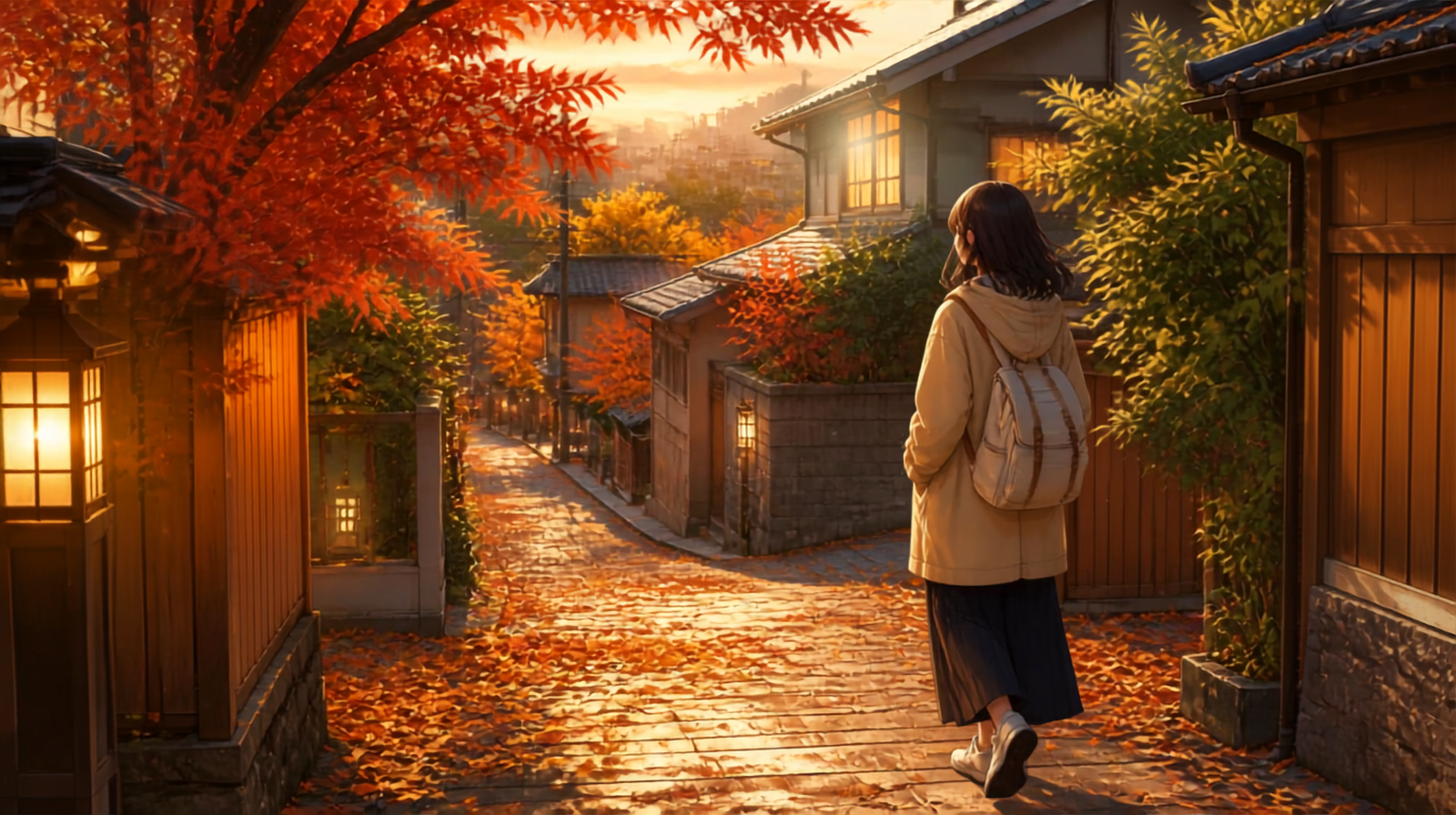

Japan Meteorological Corporation’s first autumn foliage outlook for 2026 points to normal or later-than-normal timing in many areas, with above-average autumn temperatures expected. If you are planning a fall trip, use the outlook to refine your choice of places rather than automatically moving your travel dates.
A later season does not mean every destination will peak later by the same amount. Your best next step is to compare information for the parks, gardens, or mountain areas you could realistically visit during your stay.
Information checked September 20, 2026. This article discusses JMC’s September 2 outlook and its implications for trip planning. Forecasts may change.
What Has Been Announced
Japan Meteorological Corporation (JMC), a weather forecasting company, released its first 2026 autumn foliage forecast on September 2. The outlook summarized above is explained in its Japanese announcement. The next release is planned for early October.
For individual city predictions, see JMC’s English-language forecast. Use “red leaves” for maples and “yellow leaves” for ginkgo. Read the forecast column for this year; the “average date” column is a historical reference. Check the issue date before using either table.
How to Use the Forecast for Your Trip
Start with the place you want to visit. JMC’s city dates use sample-tree observation standards: they estimate when most leaves have changed color. A city entry is therefore a planning reference, not the peak date for every nearby temple, park, or mountain.
For example, research the individual Kyoto temple you hope to see, rather than applying one Kyoto-wide date to the whole day. Likewise, a Sapporo forecast should not determine the timing of a mountain visit elsewhere in Hokkaido.
Should You Change Your Reservations?
If your flights and accommodation are booked, compare outings within your existing route before paying to move the whole trip. A different park, a nearby day trip, or changing the order of your sightseeing may be enough. Check any cancellation deadline before waiting for another forecast.
If you have not booked and autumn foliage is your main reason for traveling, choose a few specific viewing spots first. Compare their seasonal timing and current forecasts, then weigh flexible booking terms against the extra cost. One national outlook is not enough to select a single best week for all of Japan.
For October trips, our Japan in October guide helps you compare regions. For a later trip, Japan in November covers how the month fits a broader sightseeing itinerary.
Before You Book a Foliage Outing
Shortlist two or three accessible spots and keep one sightseeing day flexible where possible. Shortly before the visit, check recent color reports or photographs, opening hours, admission requirements, and the journey back to your accommodation. For mountain trips, check local weather and access as well as the leaves.
Choose an alternative in the same area that you would enjoy regardless of the color stage. This makes it easier to adapt your day without adding a long, expensive detour.
Where to Check Before Your Visit
Use the destination’s own website or local tourism calendar to choose a specific viewing spot. Check the year and observation date: Kyoto Travel’s Autumn Leaves Calendar, for example, still displayed the completed 2025 season when checked on September 20, 2026.
For Tokyo, GO TOKYO’s foliage guide helps you choose parks and gardens. Its usual viewing windows are not live color reports. Use forecasts for advance planning and recent observations for your next outing.
Reading Japanese Foliage Reports
For local color reports, you can also bookmark tenki.jp’s foliage page (Japanese), provided by the Japan Weather Association, a separate organization from JMC. As checked on September 20, the page said its 2026 information would begin in late September. Check that current reports are available before using it to choose an outing.
Once reports are available, choose the prefecture or use the search field to find your destination. Browser translation can help with navigation; match the place name with your map and check the report date. The page uses these color stages:
| Japanese label | What it means |
|---|---|
| 青葉 | Leaves are still green |
| 色づき始め | Leaves are starting to change color |
| 紅葉見頃 | Leaves are at a good stage for viewing |
| 色あせ始め | Colors are starting to fade |
| 落葉 | Leaves have fallen |
These labels describe reported conditions, not a future peak date. If your chosen spot is still green, compare nearby alternatives with more advanced color before adding a long detour.
Official Information
Use these sources for forecast updates and local planning. Check the dates on seasonal reports:
- Japan Meteorological Corporation — 2026 autumn foliage forecast
- GO TOKYO — typical foliage timing and viewing spots in Tokyo
- Kyoto Travel — Autumn Leaves Calendar (showing the 2025 season when checked; confirm the year before using color reports)
- Japan Weather Association / tenki.jp — local foliage reports (Japanese); 2026 information was scheduled to begin in late September when checked.
Continue Planning Your Trip
Use Autumn in Japan: Weather, Fall Foliage, What to Wear & Things to Do to plan the rest of your autumn stay, from packing to experiences beyond leaf viewing.