Japan Is More Accessible Than You Might Think
Many first-time visitors worry about one thing before arriving in Japan:
“Can I travel there if I don’t speak Japanese?”
The answer is yes.
Every year, millions of international visitors successfully explore Japan with little or no Japanese language ability.
They ride trains, order meals, check into accommodations, and travel throughout the country without major difficulties.
While speaking Japanese can certainly enrich your experience, it is not necessary for enjoying a memorable trip.
Modern technology, multilingual signage, and the helpful nature of many local people make Japan far easier to navigate than many travelers expect.
Rather than worrying about what you cannot say, focus on what you want to experience.
You may be surprised by how quickly you gain confidence after arriving.
Where English Is Commonly Available
Japan has become increasingly accessible for international visitors.
In major cities and tourist destinations, English support is now common.
You will often find English information at:
- Airports
- Major train stations
- Tourist attractions
- Hotels
- Department stores
- Popular restaurants
- Transportation systems
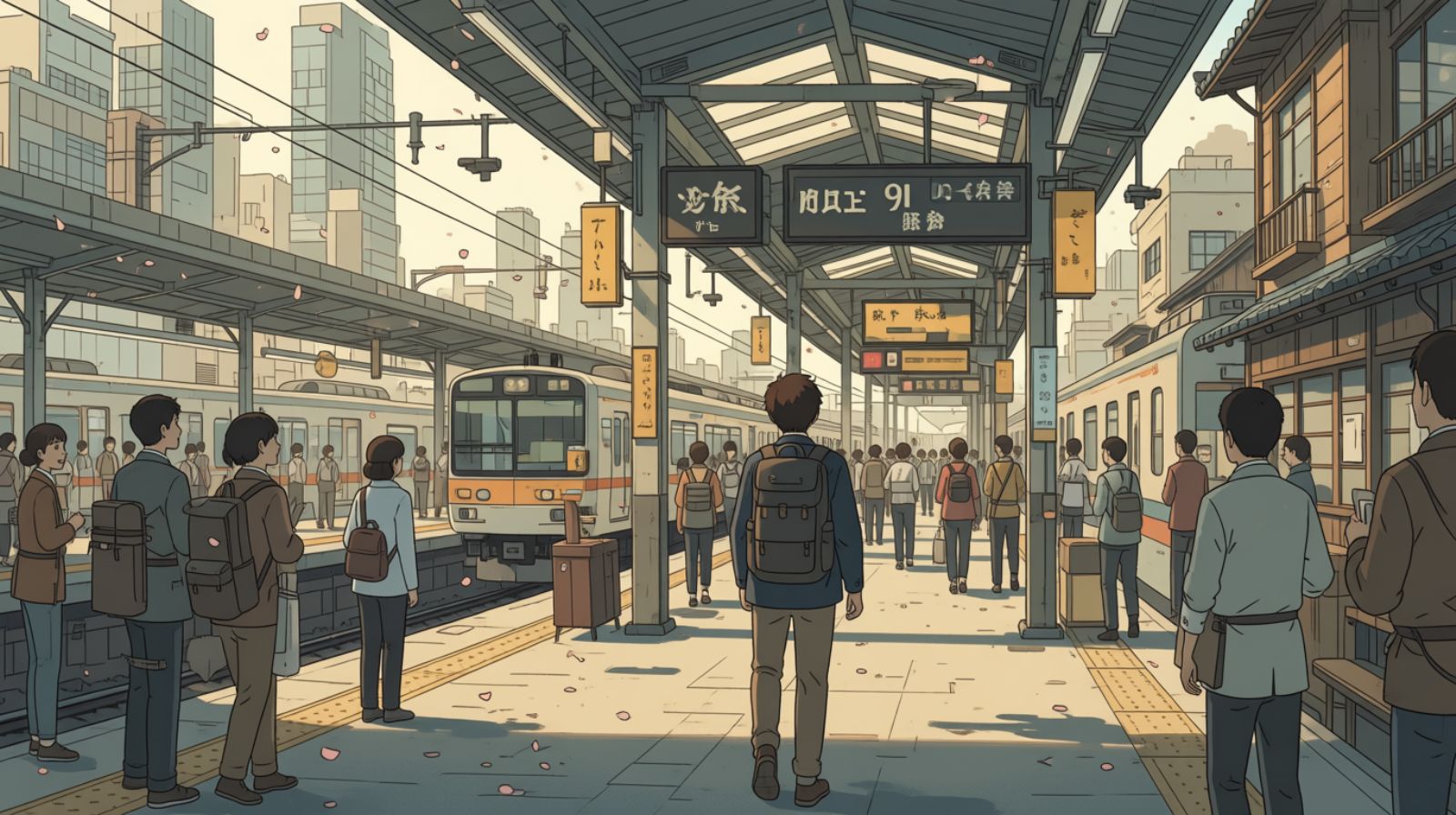
Train station names are usually displayed in both Japanese and English.
Many ticket machines offer multiple language options.
Navigation apps make route planning straightforward, even for first-time visitors.
For most travelers, getting around Japan is far easier than expected.
Situations Where Language Can Be More Difficult
While traveling without Japanese is entirely possible, there are still situations where communication can be challenging.
You may encounter limited English in:
- Small local restaurants
- Neighborhood shops
- Traditional businesses
- Regional towns
- Local markets
Fortunately, these situations rarely become serious problems.
Many interactions require only a few simple words.
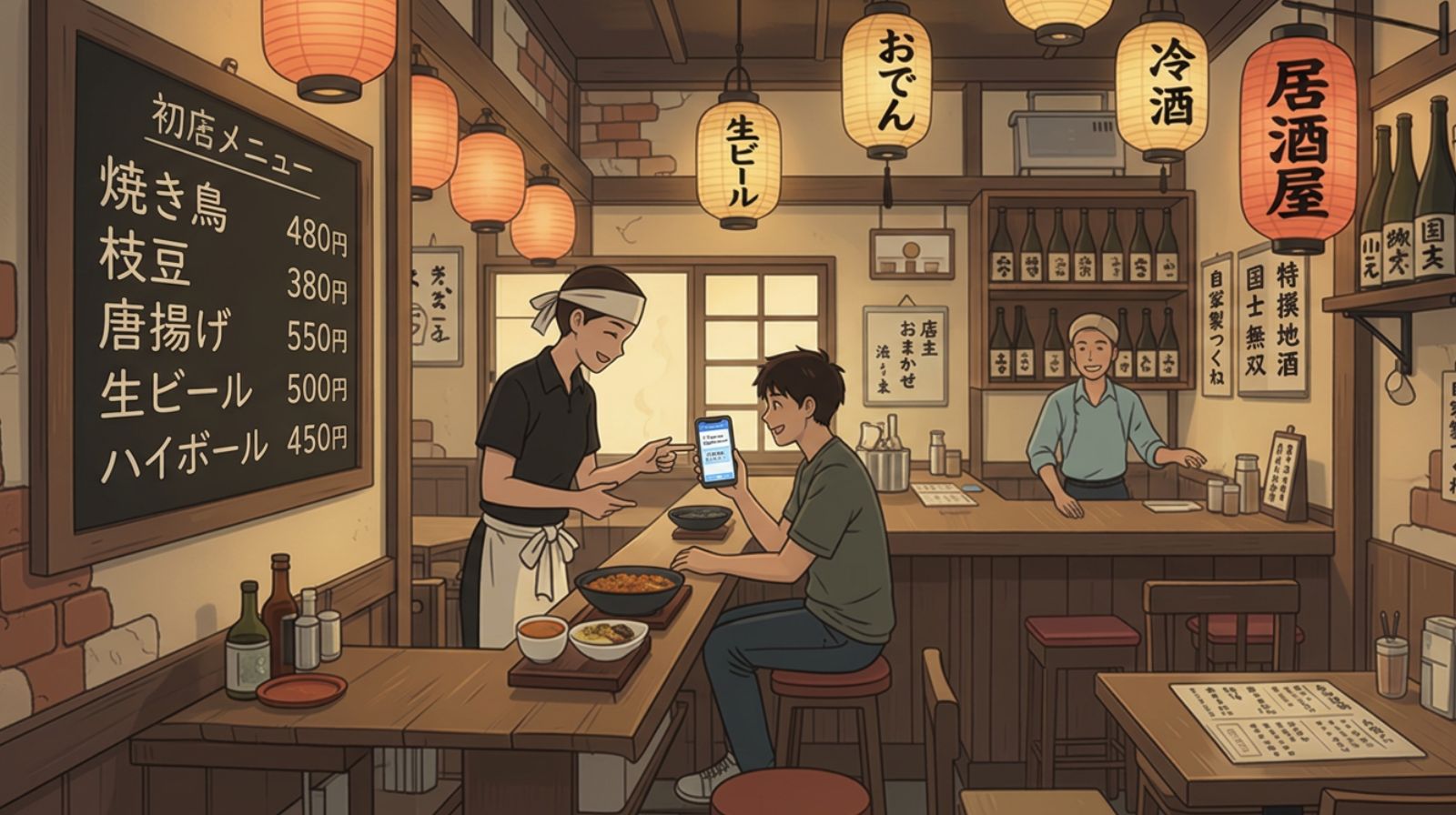
Pointing at a menu item, showing a map, or using a translation app is often enough.
In many cases, local residents will do their best to help even when they speak little English themselves.
A smile and a respectful attitude often go a long way.
Translation Apps Have Changed Travel in Japan
Traveling in Japan today is very different from traveling twenty years ago.
Modern translation tools have dramatically reduced language barriers.
Popular options include:
- Google Translate
- Apple Translate
- DeepL Translator
These tools can help travelers read signs, understand menus, and communicate basic needs while exploring Japan.
Recommended Travel Apps for Japan
For most visitors, two apps cover almost everything needed during a trip.
Google Maps
Useful for:
- Walking directions
- Train and subway routes
- Business information
- Opening hours
- Reviews and navigation
Google Translate
Useful for:
- Camera translation of menus and signs
- Voice translation
- Offline language packs
- Quick communication
iPhone users may also find Apple Translate useful for conversations, while DeepL often provides more natural translations for longer text.
Technology cannot replace human interaction, but it can make travel significantly easier.
Ordering Food Without Speaking Japanese
Food is one of the highlights of visiting Japan.
Fortunately, ordering is usually much easier than many visitors expect.
Many restaurants provide:
- Picture menus
- Plastic food displays
- English menus
- Digital ordering tablets with multiple languages
Even when English is unavailable, pointing is perfectly acceptable.
Many travelers quickly discover that ordering food becomes one of the easiest parts of their trip.
Sometimes the best meals come from choosing something you cannot fully identify.
A little curiosity can lead to memorable experiences.
Can You Visit Rural Japan Without Japanese?
Absolutely.
Traveling in regional areas may require a little more preparation, but it is entirely possible.
Outside major cities, English support becomes less common.
However, these destinations often provide some of Japan’s most rewarding experiences.
Historic towns.
Mountain villages.
Hot spring communities.
Coastal fishing towns.
Traditional shopping streets.
These places offer a different perspective on Japan.
Many visitors discover that the further they travel from major tourist centers, the more personal and memorable their experiences become.
Language barriers may occasionally exist, but kindness and hospitality often bridge the gap.
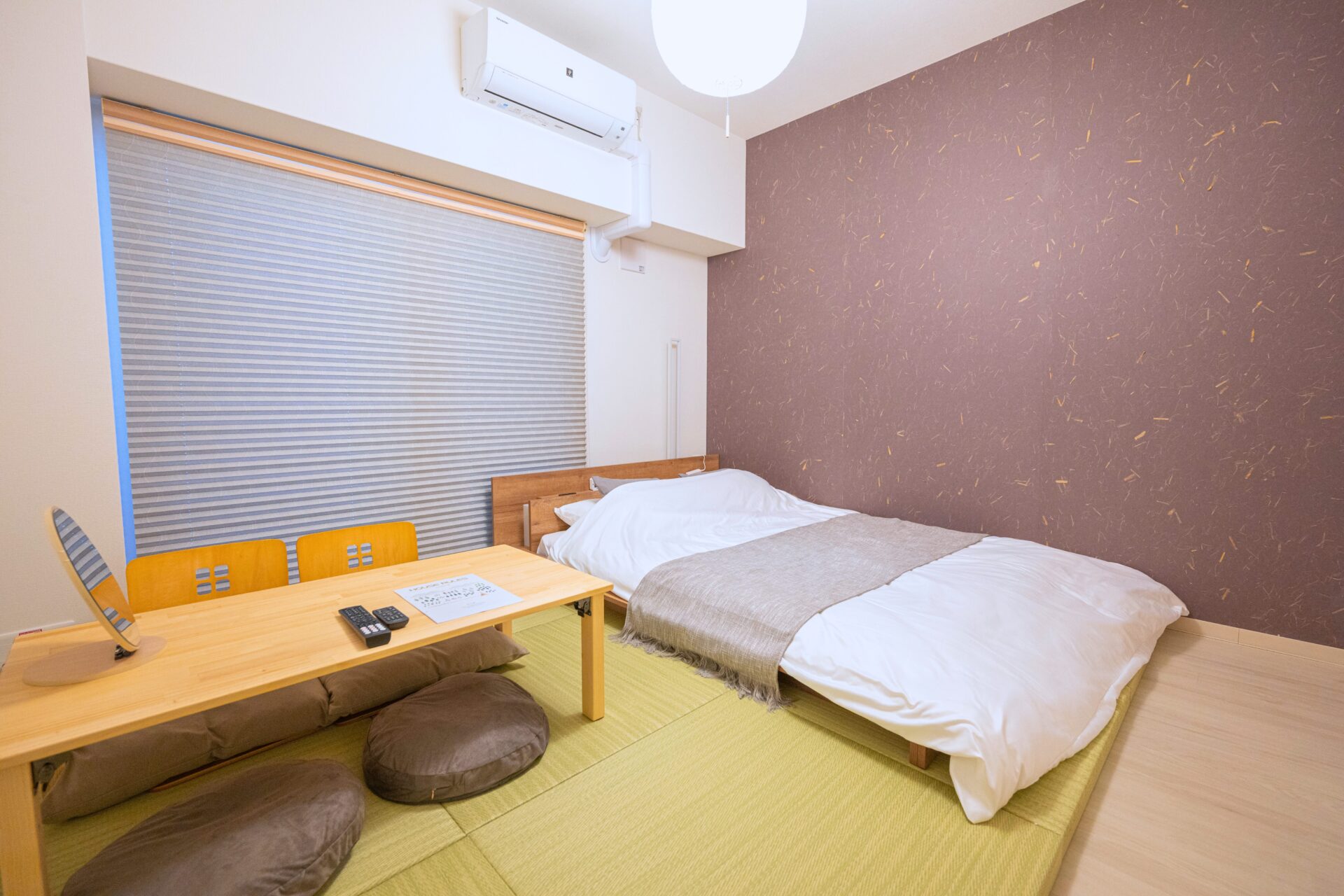
Staying in a local neighborhood or regional destination can often provide a more personal experience than staying exclusively in major tourist districts.
Many travelers discover that some of their favorite memories come from simply experiencing everyday life in a different part of Japan.
Communication Is More Than Language
One of the biggest surprises for many travelers is that meaningful interactions do not always require shared language.
Travel often involves small moments.
A station employee helping you find the correct platform.
A restaurant owner recommending a local specialty.
A shopkeeper patiently assisting with a purchase.
A local resident pointing you toward your destination.
These interactions may involve only a few words.
Yet they often become some of the most memorable moments of a trip.
Communication is not only about vocabulary.
It is also about openness, patience, and a willingness to connect.
How to Travel More Confidently
If you do not speak Japanese, a few simple preparations can make your trip even smoother.
Download Offline Maps
Before arriving in Japan, download offline maps for the cities you plan to visit.
Google Maps allows you to save entire areas to your phone, making it easier to navigate even when your internet connection is limited. Offline maps can be especially useful when arriving at the airport, traveling in rural areas, or dealing with temporary network issues.
Install a Translation App
A translation app can make traveling in Japan much easier.
Popular options include:
- Google Translate
- Apple Translate
- DeepL Translator
Google Translate is often the most versatile option for travelers thanks to its camera translation feature, offline language packs, and extensive language support.
Apple Translate works particularly well for iPhone users and offers a simple interface, conversation mode, and offline translation capabilities.
DeepL is widely praised for its natural-sounding translations and can be useful when translating longer phrases or written text.
These tools can help you:
- Read menus
- Understand signs
- Translate product labels
- Communicate simple requests
- Travel more confidently throughout Japan
Recommended Travel Apps for Japan
For most visitors, these two apps alone cover almost everything needed during a trip:
Google Maps
- Navigation
- Walking directions
- Public transportation routes
- Business information and reviews
Google Translate
- Camera translation for signs and menus
- Voice translation
- Offline language packs
iPhone users may also find Apple Translate useful for quick conversations, while DeepL can provide more natural translations for longer text.
Technology cannot replace human interaction, but it can make travel significantly easier.
For detailed guidance on navigating train stations, understanding rail systems, and using transportation apps, see our complete guide to using trains and subways in Japan.
Once transportation becomes familiar, you’ll discover that traveling around Japan is often much easier than expected.
Learn a Few Simple Phrases
You do not need to become fluent.
However, a few expressions are always appreciated.
- Arigatou gozaimasu (Thank you)
- Sumimasen (Excuse me / Sorry)
- Konnichiwa (Hello)
Save Hotel and Destination Addresses
Showing an address on your phone is often easier than attempting to pronounce unfamiliar place names.
This can be particularly useful when taking taxis or asking for directions.
Allow Extra Time
Particularly during your first few days, giving yourself additional time reduces pressure and makes travel more enjoyable.
The goal is not to travel perfectly.
It is to travel comfortably and confidently.
Technology can help with the practical side of travel, but curiosity, patience, and a willingness to explore will take you much further than language skills alone.
Don’t Let Language Concerns Limit Your Trip
Many first-time visitors stay only in the most famous tourist districts because they worry about communication.
That is understandable.
However, some of Japan’s most rewarding experiences can be found beyond the busiest areas.
A neighborhood café.
A traditional shopping street.
A local festival.
A small regional town.
A quiet residential neighborhood.
These experiences are often accessible even without Japanese language ability.
Curiosity, patience, and a willingness to explore are usually far more important than fluency.
Traveling Japan Is Easier Than You Think
Japan may seem intimidating before your trip.
But once you arrive, many concerns quickly disappear.
Signs become easier to understand.
Transportation becomes familiar.
Ordering food becomes routine.
And each day brings more confidence.
You do not need perfect Japanese.
You do not even need basic Japanese.
What you need is a willingness to explore.
Millions of travelers successfully experience Japan every year without speaking the language.
There is every reason to believe that you can too.
Ready to Explore More of Japan?
Language should never be the reason you limit your trip.
Some of Japan’s most memorable experiences happen beyond the most famous attractions.
- A quiet neighborhood.
- A local shopping street.
- A regional town.
- A family-run restaurant.
These experiences are often easier to access than many travelers expect.
Whether you’re planning to visit Tokyo, Osaka, Kyoto, or somewhere less familiar, choosing where you stay can shape how you experience Japan.
Explore local destinations, travel at your own pace, and leave room for unexpected discoveries.
Related Guides
- A Complete Guide for First-Time Visitors to Japan
- What to Expect on Your First Trip to Japan
- Is Japan Safe for Foreign Travelers?
- How to Use Trains and Subways in Japan
- How Much English Is Spoken in Japan?
- Japanese Etiquette Every Visitor Should Know