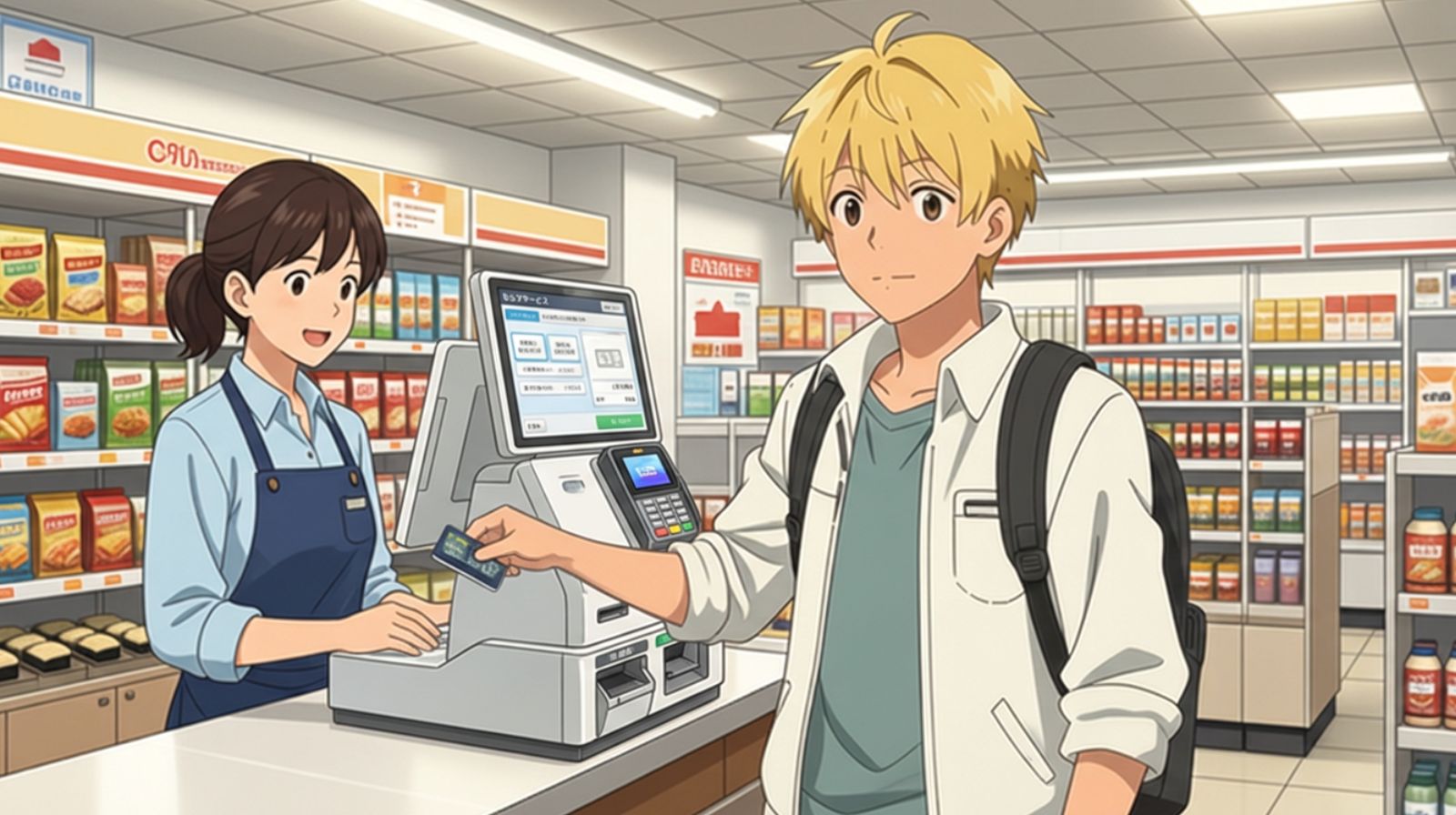
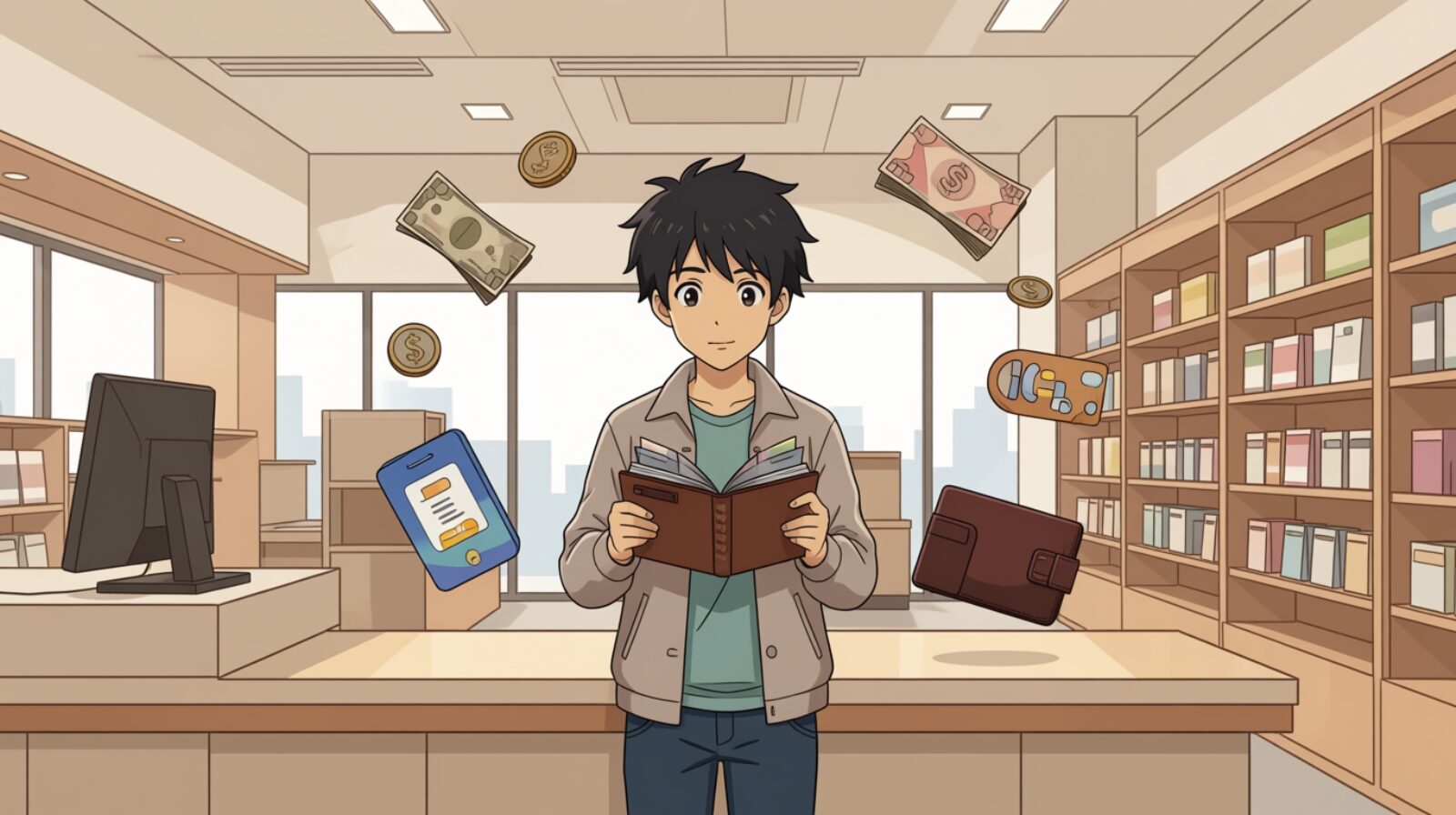
For most first-time visitors, the simplest payment setup is:
- Credit card: your main payment method for hotels, shopping, larger meals, attractions, and other major purchases
- IC card: local trains, subways, many buses, and supported small everyday purchases
- ¥10,000–20,000 in cash: a practical buffer for cash-only places and unexpected payment problems
- Second payment card: backup if your main card is declined, lost, or blocked
- Overseas-enabled debit card: ATM withdrawals when you need more Japanese yen
¥10,000–20,000 is a starting cash buffer for many independent travelers, not a daily spending budget. Families, groups, and travelers visiting rural areas may want more available.
Is Japan Still a Cash Society?
Japan is no longer a cash-only society, but it is not fully cashless either. Cards and other cashless payments work in many places, while Japanese yen remains useful at smaller businesses, local services, rural destinations, and when another payment method fails.
For most visitors, the practical question is not whether Japan uses cash or cards. It is how to combine them so that one failed payment method does not interrupt the trip. Use a card where acceptance is clear, an IC card for compatible local transportation and everyday purchases, and cash as a working backup.
Find the Answer You Need
This page explains how the main payment methods fit together. If your question is more specific, use the specialist guide below.
| If You Want to Know… | Where to Go |
|---|---|
| How should I combine cash, cards, and an IC card during my trip? | Keep reading this page |
| Where will an overseas-issued credit card work? | Credit Cards in Japan: Where They Work and What to Do If Declined |
| How do I withdraw Japanese yen with a foreign card? | ATMs in Japan: How to Withdraw Cash With a Foreign Card |
| What is the best way to get Japanese yen? | How to Exchange Money in Japan: The Best Ways to Get Japanese Yen |
| How does tax-free shopping work in Japan? | Tax-Free Shopping in Japan: Rules, Purchases & Refunds |
| How do Suica, PASMO, ICOCA, and mobile IC cards work? | How to Use IC Cards in Japan: Suica, PASMO, ICOCA & Mobile IC Cards |
| Should I use an IC card, paper ticket, or credit card for a train? | How to Pay for Train Travel in Japan |
Cash, Credit Card, or IC Card: Which Should You Use?
Japan is much easier to travel with cashless payments than it once was, but cash remains useful. The goal is not to choose one payment method. Give each one a different job.
| Payment Method | Best For | Role in Your Trip |
|---|---|---|
| クレジットカード / Kurejitto kādo / Credit card | Hotels, shopping, larger restaurants, attractions, and major purchases | Main payment method |
| 交通系ICカード / Kōtsūkei IC kādo / Transportation IC card | Local transportation and supported small purchases | Everyday convenience |
| 現金 / Genkin / Cash | Small businesses, markets, temples and shrines, festivals, rural travel, and emergencies | Essential backup |
| Mobile wallet or QR payment | Compatible contactless or QR payments | Useful extra, but not something most visitors need to rely on |
For a typical first trip, use a credit card whenever it is convenient, an IC card for compatible local transportation, and cash when card or IC payment is unavailable.
When to Use a Credit Card in Japan
A credit card is usually the simplest choice for larger purchases and places where card acceptance is well established.
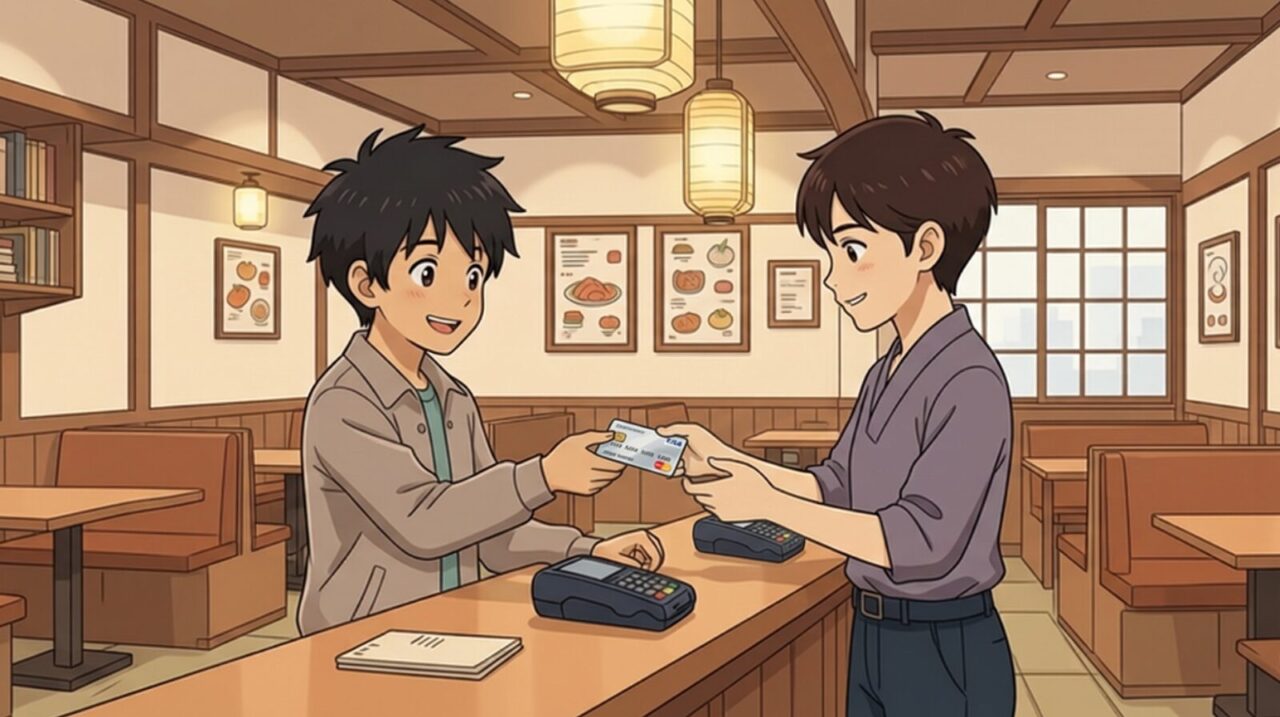
Cards are commonly accepted at hotels, department stores, shopping centers, convenience stores, larger retailers, major attractions, and many restaurants.
Acceptance still varies by individual business, card network, payment terminal, and card issuer. An overseas-issued card can occasionally be declined even when the business normally accepts that brand.
Bring a second payment card and keep it separately from your main wallet. Before departure, check that overseas purchases are enabled and make sure you know the PIN for any card you may need to insert at a terminal.
For a more detailed breakdown of where cards work and what to do when a payment fails, see our guide to using credit cards in Japan.
When You Still Need Cash
Cash remains useful whenever payment options are limited, temporary, or unclear. This can happen in major cities as well as rural areas.
- Small family-run restaurants and cafés
- Local markets and festival stalls
- Temple and shrine admission counters, offerings, and small purchases
- Rural towns, islands, and mountain destinations
- Some local buses, small stations, and ticket machines
- Some coin lockers and vending machines
- Physical IC card top-ups at machines that accept cash only
If you are unsure, check the payment signs near the entrance, register, menu, or ticket machine before ordering or entering.
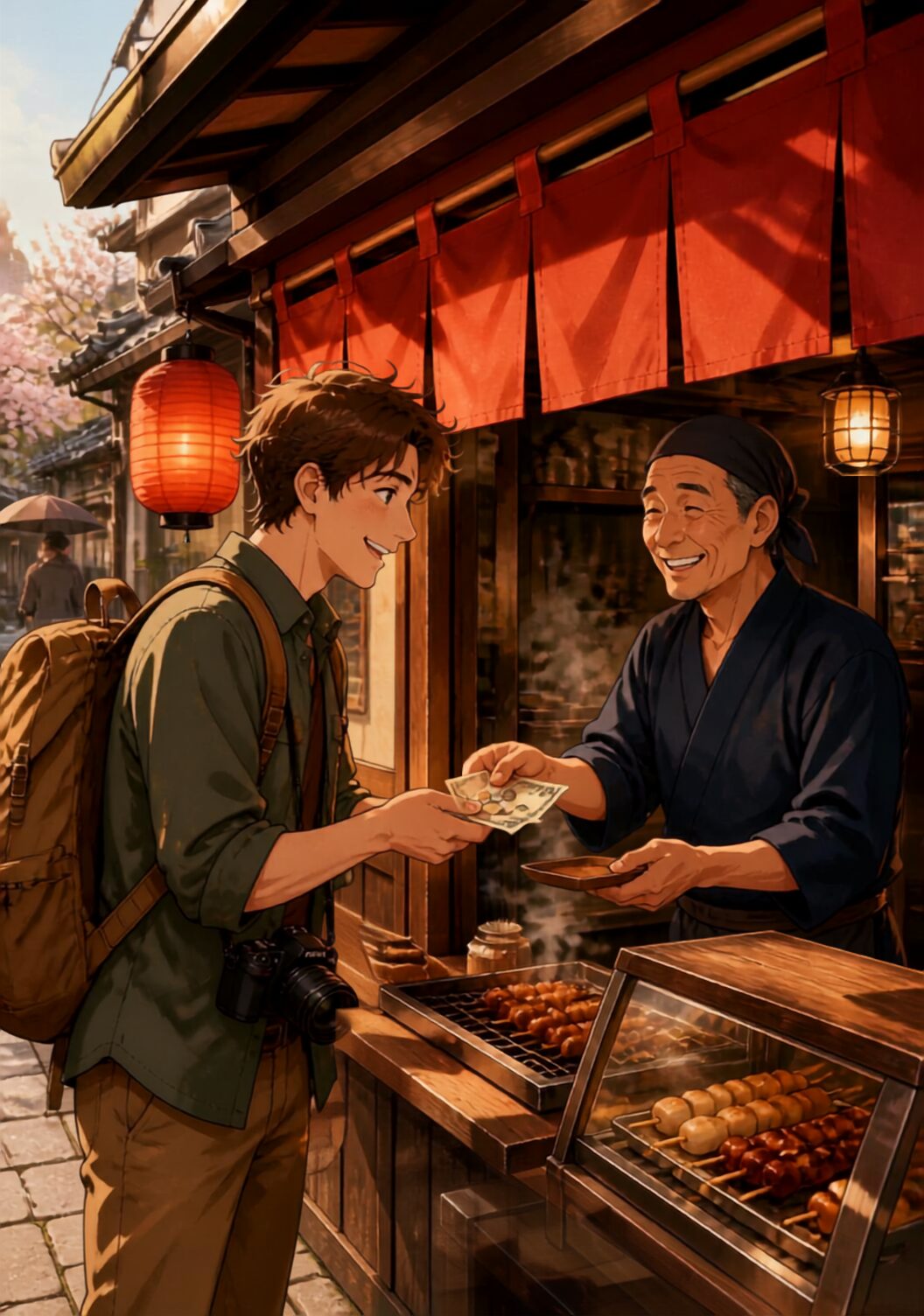
Keeping some yen available also gives you more freedom to try a neighborhood restaurant, stop at a local market, or travel beyond the busiest visitor areas without choosing places only according to their payment terminals.
Japanese Yen Basics
Japan uses the Japanese yen, shown as JPY, ¥, or 円. Banknotes currently issued include ¥1,000, ¥2,000, ¥5,000, and ¥10,000. Coins are ¥1, ¥5, ¥10, ¥50, ¥100, and ¥500.
¥2,000 notes are valid but less common in circulation. For everyday travel, a small mix of ¥1,000 notes and coins is useful at ticket machines, local buses, lockers, vending machines, temples, shrines, and other small-payment situations. Machine acceptance varies, so do not depend on one note or coin denomination.
How Much Cash Should You Carry?
For many independent travelers, keeping about ¥10,000–20,000 available in cash is a practical starting point. Think of this as a working cash buffer rather than your daily travel budget.
| Travel Situation | Practical Cash Buffer | Why |
|---|---|---|
| Major cities with most larger purchases paid by card | Around ¥10,000 | Enough flexibility for smaller businesses and unexpected card problems |
| Day trips, local markets, festivals, and independent businesses | Around ¥10,000–20,000 | Useful when cashless acceptance is less predictable |
| Rural areas, islands, mountain towns, or long regional journeys | ¥20,000 or more depending on the itinerary | ATMs and card acceptance may be less convenient |
| Families or groups paying together | More than an individual traveler | Transport, meals, and admission costs can use up a small cash reserve quickly |
You do not need to carry your entire trip budget in cash. Keep only an amount that fits the next part of your itinerary and withdraw more yen when needed.
Where IC Cards Fit In
IC cards such as Suica, PASMO, and ICOCA are rechargeable stored-value cards used for local transportation and many small purchases.
For most first-time visitors, their main value is convenience. Instead of buying an individual ticket for every eligible local train or subway journey, you can tap the card at the ticket gate and have the fare deducted automatically.
IC cards can also be used at many convenience stores, vending machines, station lockers, restaurants, and shops that display a compatible IC payment logo.
They do not replace either cash or a bank card. Acceptance is not universal, and physical cards may require cash for top-ups at station machines.
For choosing between Suica, PASMO, ICOCA, physical cards, and mobile options, read How to Use IC Cards in Japan: Suica, PASMO, ICOCA & Mobile IC Cards.
What About Mobile Wallets, QR Payments, and Contactless Cards?
Phone payments and contactless bank cards can make some transactions easier, but they should be treated as additional options rather than the foundation of your payment plan.
Apple Pay and Other Mobile Wallets
A mobile wallet can work where the merchant supports your underlying card and contactless payment method. Compatibility depends on your device, card issuer, card network, and the merchant’s terminal, so keep the physical card or another payment method available.
Contactless Cards for Train Travel
Some Japanese railway operators allow passengers to tap a compatible contactless credit, debit, or prepaid card directly at supported ticket gates. Coverage is expanding, but it is not available across every railway or every journey in Japan.
For a multi-city first trip, an IC card remains the simpler default for everyday local transportation. Treat direct bank-card tapping as a useful option when the railway you are using supports it. Our train payment guide explains the differences.
PayPay and Other QR Payments
Most short-term visitors do not need to create a Japanese QR payment account specifically for their trip.
However, if you already use an overseas wallet connected through Alipay+, you may be able to use it at PayPay merchants that support Alipay+. In that case, use the payment service you already have rather than trying to set up PayPay as a visitor.
A credit card, an IC card, and some cash remain the simplest core setup for most travelers.
How to Get More Japanese Yen
For many visitors, the most practical way to obtain additional cash is to withdraw Japanese yen from an international ATM using an overseas-enabled debit card.
Before using an ATM, confirm that overseas cash withdrawals are enabled, know the PIN for the physical card, and check the issuer’s fees and limits.
A credit card may also work, but the withdrawal is generally treated as a cash advance and may involve fees and interest.
For compatible ATM networks, withdrawal limits, step-by-step instructions, fees, currency choices, and failed-withdrawal troubleshooting, read ATMs in Japan: How to Withdraw Cash With a Foreign Card.
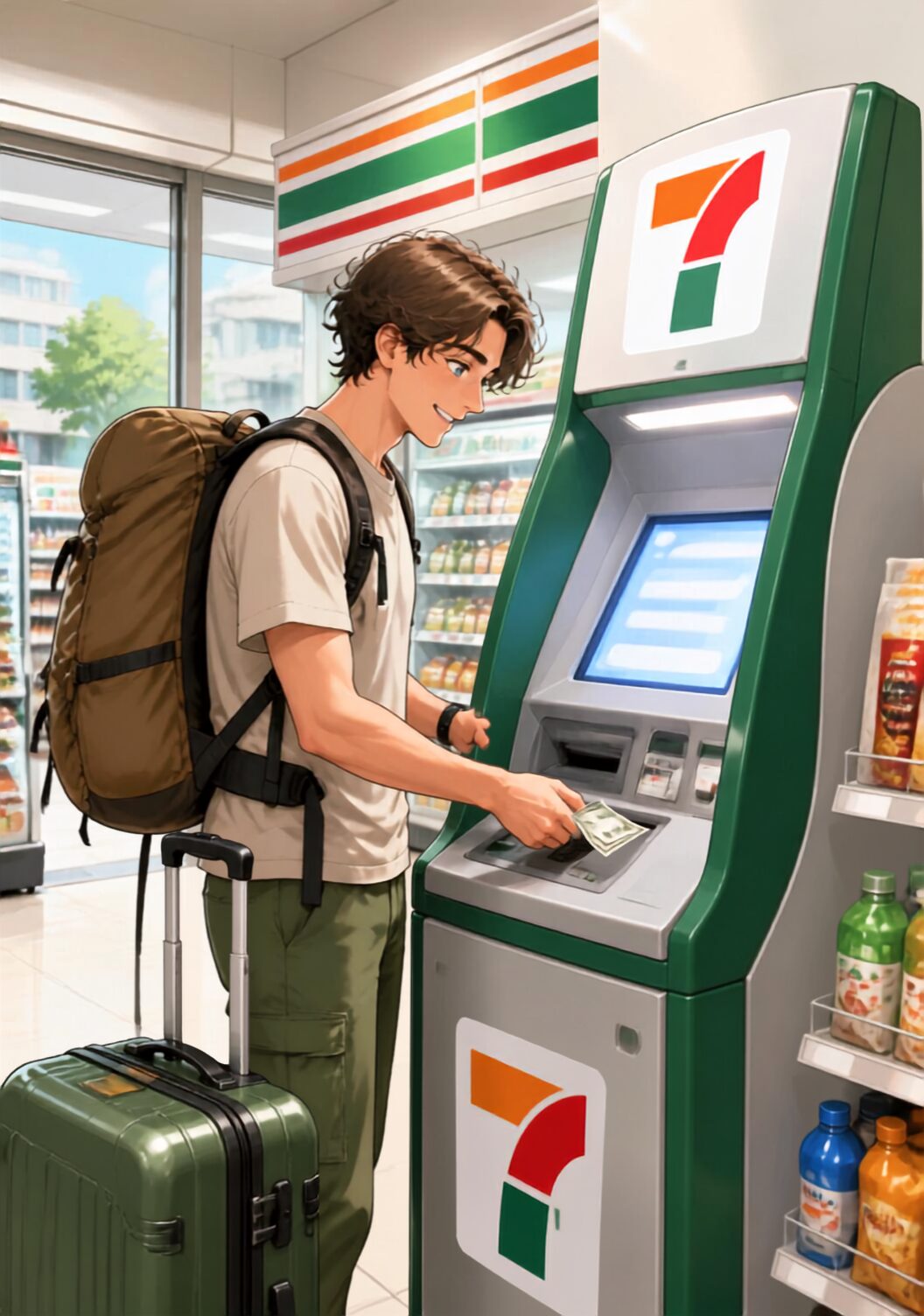
To compare an ATM withdrawal with exchanging foreign banknotes at an airport or city counter, or obtaining yen before departure, see How to Exchange Money in Japan: The Best Ways to Get Japanese Yen.
How Your Itinerary Changes What You Need
The right cash balance depends more on what you plan to do than on a simple rule that cities are cashless and the countryside is cash-only.
| Destination or Activity | Likely Payment Pattern | What to Prepare |
|---|---|---|
| Major city centers | Cards and IC cards work for many everyday payments | Keep some cash for independent businesses and backup |
| Residential neighborhoods | A mixture of cards, IC cards, and cash | Check payment signs before ordering at smaller businesses |
| Day trips and regional cities | Major businesses may accept cards while local services vary | Carry a larger cash buffer than you might in central Tokyo or Osaka |
| Rural towns, islands, and mountain areas | Cash may become more important | Withdraw enough yen before leaving a larger town, station, or transport hub |
| Festivals, markets, temples, and shrines | Cash is often the easiest option | Carry smaller notes and coins as well as larger notes |
| Ski areas and onsen towns | Larger accommodation may accept cards while local transport and small businesses vary | Confirm payment arrangements before traveling into the area |
Your Accommodation Can Change the Answer
Where you stay affects both how much cash you may need and how easily you can obtain more.
A major-city hotel surrounded by convenience stores and ATMs makes it easy to replenish cash when necessary. A small guesthouse, traditional inn, island stay, or mountain property may require more preparation before arrival.
Check whether your stay is prepaid, whether additional meals or local charges are collected at the property, which payment methods are accepted, and whether there is an ATM nearby. Also consider the local buses, taxis, restaurants, and shops you are likely to use after checking in.
This becomes more important when you stay in a quieter neighborhood or regional town, where you may rely more on nearby restaurants, local buses, small shops, and other everyday services. Having enough cash prepared means you can use the area around your accommodation without making an unnecessary trip back to a major station just to find an ATM or a card-friendly business.
Before You Leave for Japan
You do not need to organize every payment detail before departure. Prepare the few things that are difficult to fix after something goes wrong.
- Bring at least two payment cards. Keep the backup separately from your main wallet.
- Check overseas-use settings and know your PIN. Also confirm any foreign transaction and ATM fees that matter to you.
- Plan to keep about ¥10,000–20,000 available in cash. Adjust upward for families, rural travel, festivals, islands, or mountain areas.
- Use an IC card for compatible everyday transportation. Choose the physical or mobile option that works best for your phone and arrival point.
- Withdraw more cash before heading somewhere remote. Do not wait until you reach a small town or rural accommodation to discover that the nearest convenient ATM is far away.
Last verified: September 5, 2026 (JST)
Frequently Asked Questions
- Do I still need cash in Japan?
-
Yes. Cards and other cashless payments are common, but cash remains useful at small businesses, markets, temples and shrines, festivals, some local transportation services, and rural destinations.
- How much cash should I carry in Japan?
-
For many independent travelers, ¥10,000–20,000 is a practical cash buffer. Families and travelers visiting rural areas, islands, festivals, or places with limited ATM access may want more.
- Can I use an overseas-issued credit card in Japan?
-
Yes, at many businesses that accept your card network. However, an overseas-issued card can still be declined, so bring a second card and keep some Japanese yen available.
- Can I travel around Japan using only Apple Pay or another mobile wallet?
-
It is not a good idea to rely on a mobile wallet alone. Compatibility varies by card issuer, merchant, device, and transportation operator, so keep another card and some cash available.
- Can an IC card replace cash?
-
No. An IC card is useful for local transportation and many small purchases, but it is not accepted everywhere. Use it alongside a bank card and cash.
- Should I exchange money before arriving in Japan?
-
Not necessarily. Many travelers can withdraw Japanese yen after arrival with an overseas-enabled debit card. Bringing some yen before departure can still make sense if you prefer to arrive with cash ready or your first destination has limited ATM access.