When Is the Best Time to Visit Japan?
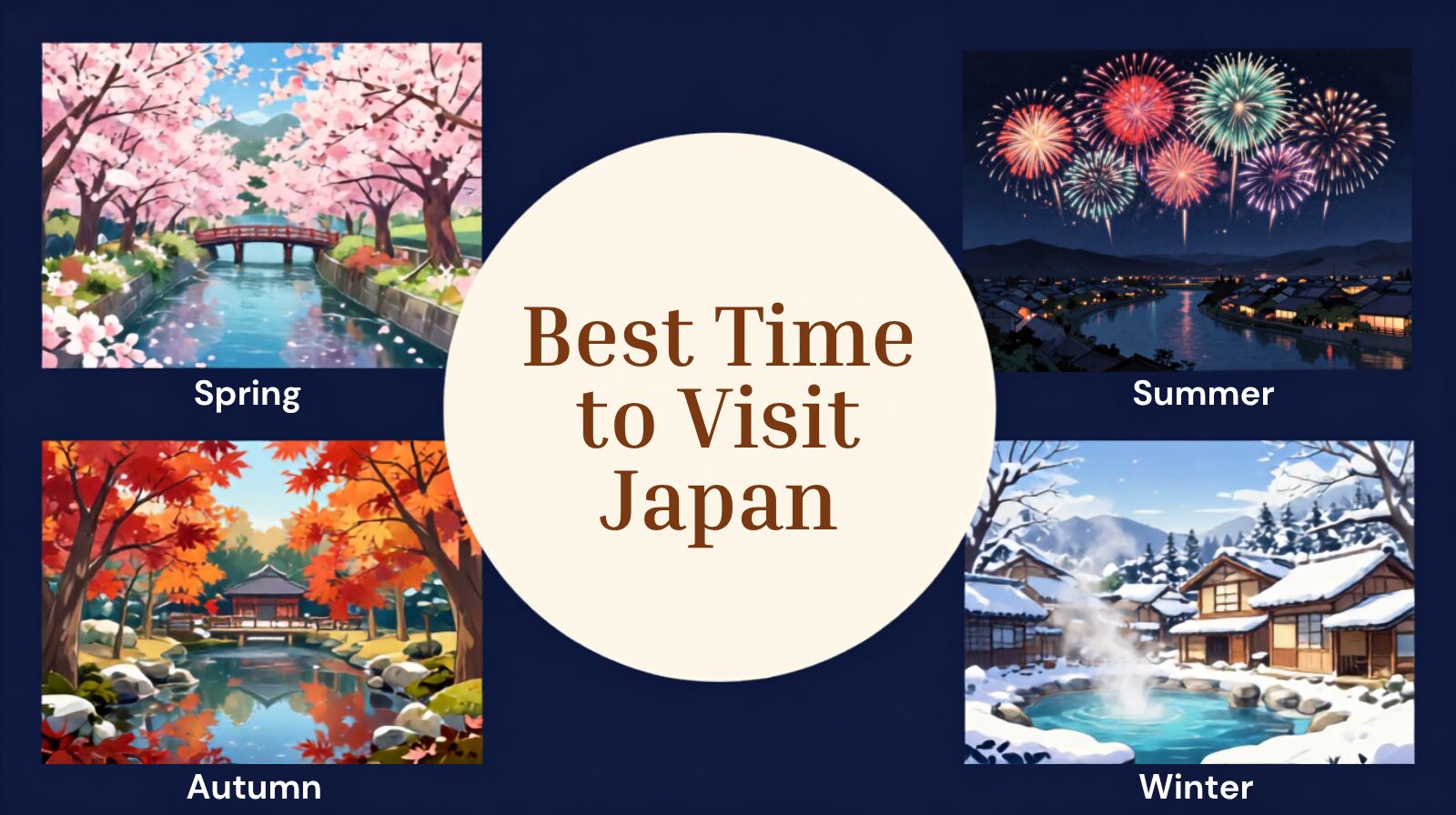
For many first-time visitors, spring and autumn offer the easiest conditions for general sightseeing. Temperatures are often comfortable for walking, and it is usually easier to spend long periods outdoors.
These are also popular travel seasons. Cherry blossom areas, autumn foliage destinations, transportation, and accommodation can become busy during peak periods.
Summer and winter require different preparation, but they offer experiences that are difficult to find at other times of year. Summer brings rainy-season scenery, festivals, beaches, mountains, and lively evenings. Winter offers snow, hot springs, winter sports, seasonal food, and quieter city travel outside the main holiday period.
| Season | How the Trip May Feel | Best For | What to Plan Around |
|---|---|---|---|
| 春 / Haru / Spring | Comfortable walking, flowers, fresh greenery, and busy sightseeing areas | First-time city trips, gardens, temple districts, neighborhood walks, and seasonal scenery | Cherry blossom timing, Golden Week, crowds, and accommodation demand |
| 夏 / Natsu / Summer | Hot and humid days, indoor breaks, hydrangeas, festivals, beaches, and lively evenings | Summer festivals, fireworks, coastal areas, mountain trips, and local events | Heat, rain, severe weather, Obon travel, and transportation after events |
| 秋 / Aki / Autumn | Cooler walking weather, colorful scenery, harvest foods, and regional trips | Cultural sightseeing, gardens, hiking, regional towns, and outdoor travel | Foliage timing, popular weekends, and regional weather differences |
| 冬 / Fuyu / Winter | Shorter daylight hours, warm indoor stops, snow experiences, and more time at your accommodation | Hot spring stays, skiing, snow scenery, seasonal food, and quieter city sightseeing | Cold weather, snow-related disruption, New Year closures, and regional access |
A useful way to choose is to think about how you want to spend a typical day during your trip.
Do you want to walk through cities and historic districts from morning until evening? Would you rather rest during the afternoon and attend a festival after sunset? Are you interested in spending an evening at a hot spring inn rather than continuing sightseeing?
Japan’s climate also varies considerably by region. Hokkaido, Tokyo, Kyoto, Okinawa, and mountain destinations can experience very different conditions during the same month.
When choosing your travel dates, consider both the season and the specific regions on your itinerary.
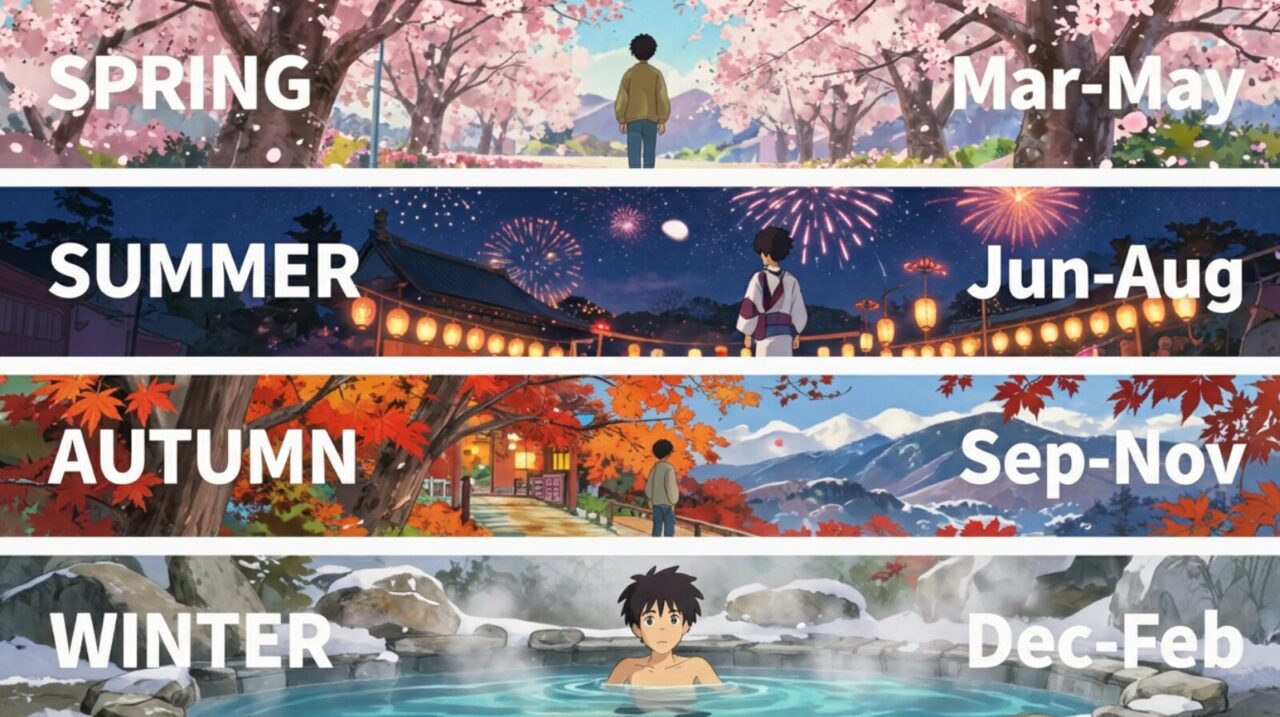
Visiting Japan in Spring: March to May
Spring is one of the easiest seasons for first-time visitors who want to explore Japan on foot.
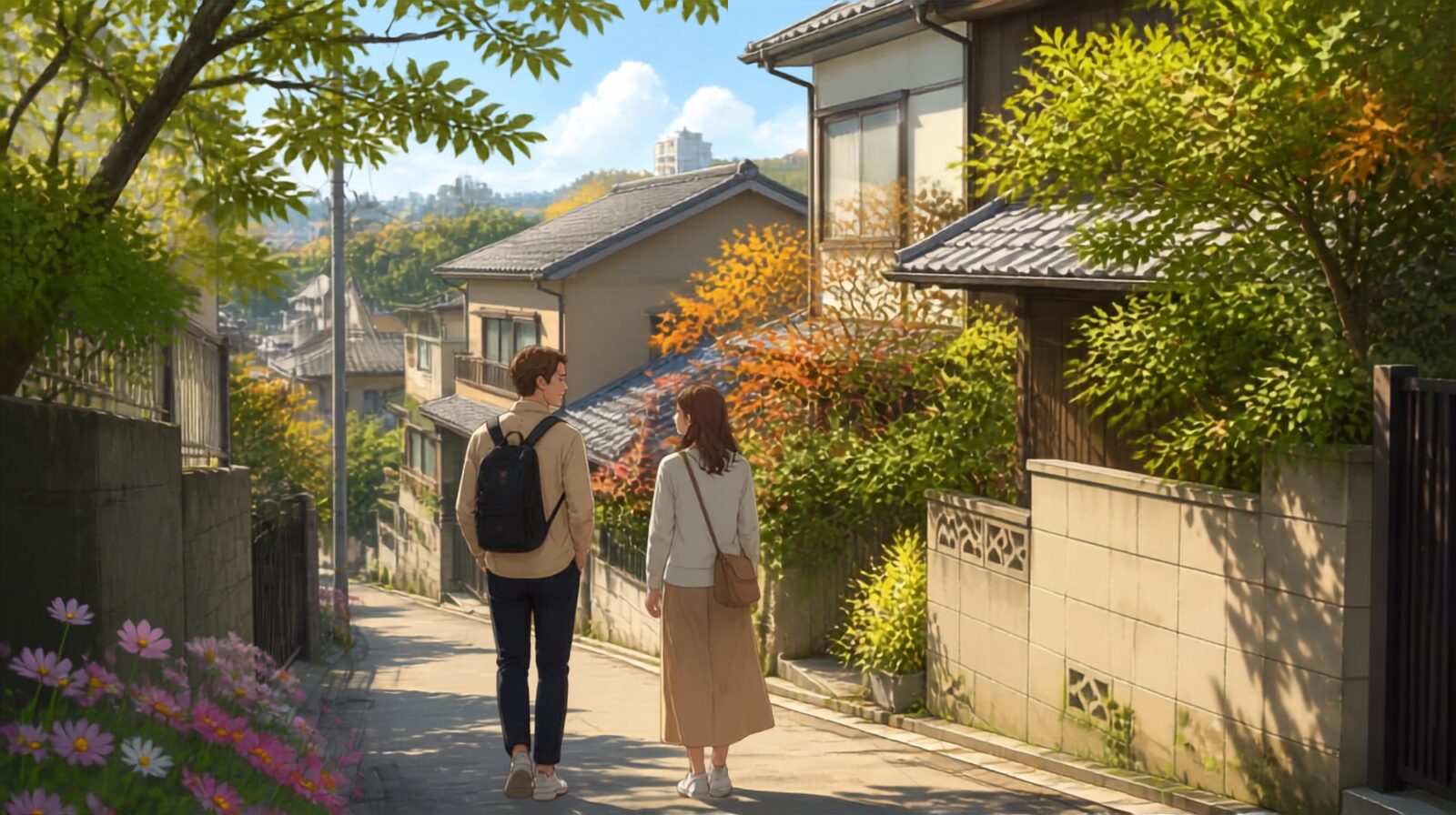
Temperatures are often comfortable for walking through cities, parks, temple districts, riverside areas, and residential neighborhoods. Flowers and fresh greenery can also change the atmosphere of ordinary streets, not only famous sightseeing spots.
Spring is particularly suitable for travelers who want to:
- Spend long days outdoors
- Walk between nearby attractions
- Visit gardens, temples, parks, and historic districts
- See cherry blossoms or other seasonal flowers
- Combine major cities with regional destinations
- Avoid the strongest summer heat and winter cold
However, spring is not automatically quiet or inexpensive. Cherry blossom periods and national holidays can create high demand for accommodation and transportation.
What Spring Travel Feels Like
Spring conditions change significantly between March and May.
March can still feel cold, particularly in the mornings, evenings, northern regions, and mountain areas. April often brings milder sightseeing conditions and cherry blossoms to many destinations. By May, temperatures are generally warmer, and fresh green scenery becomes widespread.
Layered clothing is useful because conditions can change during the day. A light jacket, comfortable walking shoes, and a compact umbrella are practical for many itineraries.
Spring is well suited to an unhurried day that combines outdoor sightseeing with time in local neighborhoods.
A typical day might include an early walk through a park or riverside area, a temple district or garden during the morning, lunch at a local restaurant, and a museum, shopping street, or regional excursion later in the day.
Seasonal Highlights of Spring in Japan
Cherry blossoms are the best-known symbol of spring, but they are only one part of the season.
Depending on your travel dates and destination, spring scenery may include:
- 梅 / Ume / Plum blossoms
- 菜の花 / Nanohana / Canola flowers
- 桜 / Sakura / Cherry blossoms
- 藤 / Fuji / Wisteria
- 新緑 / Shinryoku / Fresh green leaves
Plum blossoms generally appear before cherry blossoms. Wisteria, azaleas, and fresh greenery become more noticeable later in spring.
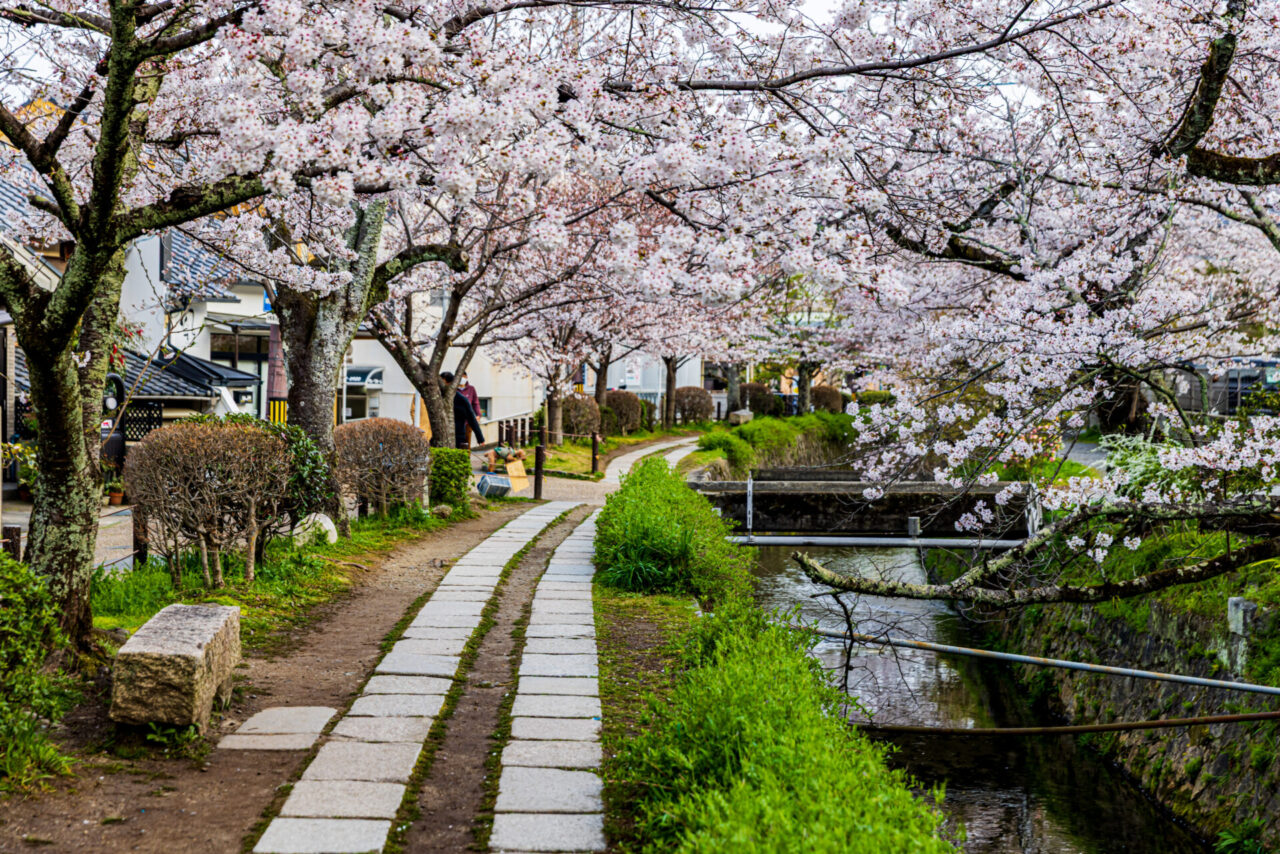
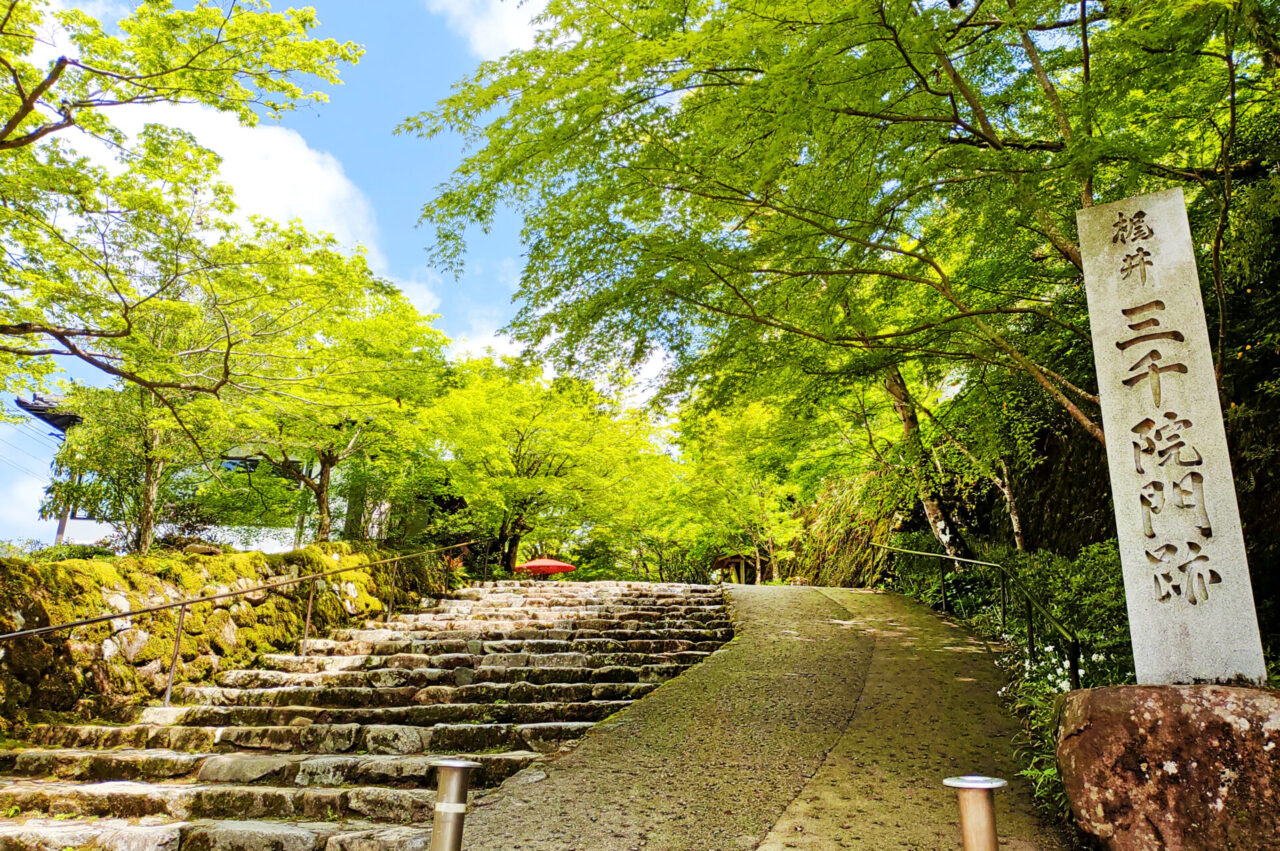
This means that a spring trip can still feel seasonal even when the main cherry blossom period has already ended.
Spring food may include:
- Strawberries
- Bamboo shoots
- Spring vegetables
- Sakura-flavored sweets
- Seasonal seafood
- Limited menus featuring local ingredients
Local markets, department store food halls, cafés, supermarkets, and neighborhood restaurants often reflect these seasonal changes.
Rather than traveling only between famous flower-viewing locations, leave time to walk through parks, temple grounds, riversides, and residential streets near your accommodation. Small seasonal details are often easier to notice when you are not rushing between major attractions.
Cherry Blossoms and Golden Week
Cherry blossom viewing is called 花見 / Hanami / Cherry blossom viewing.
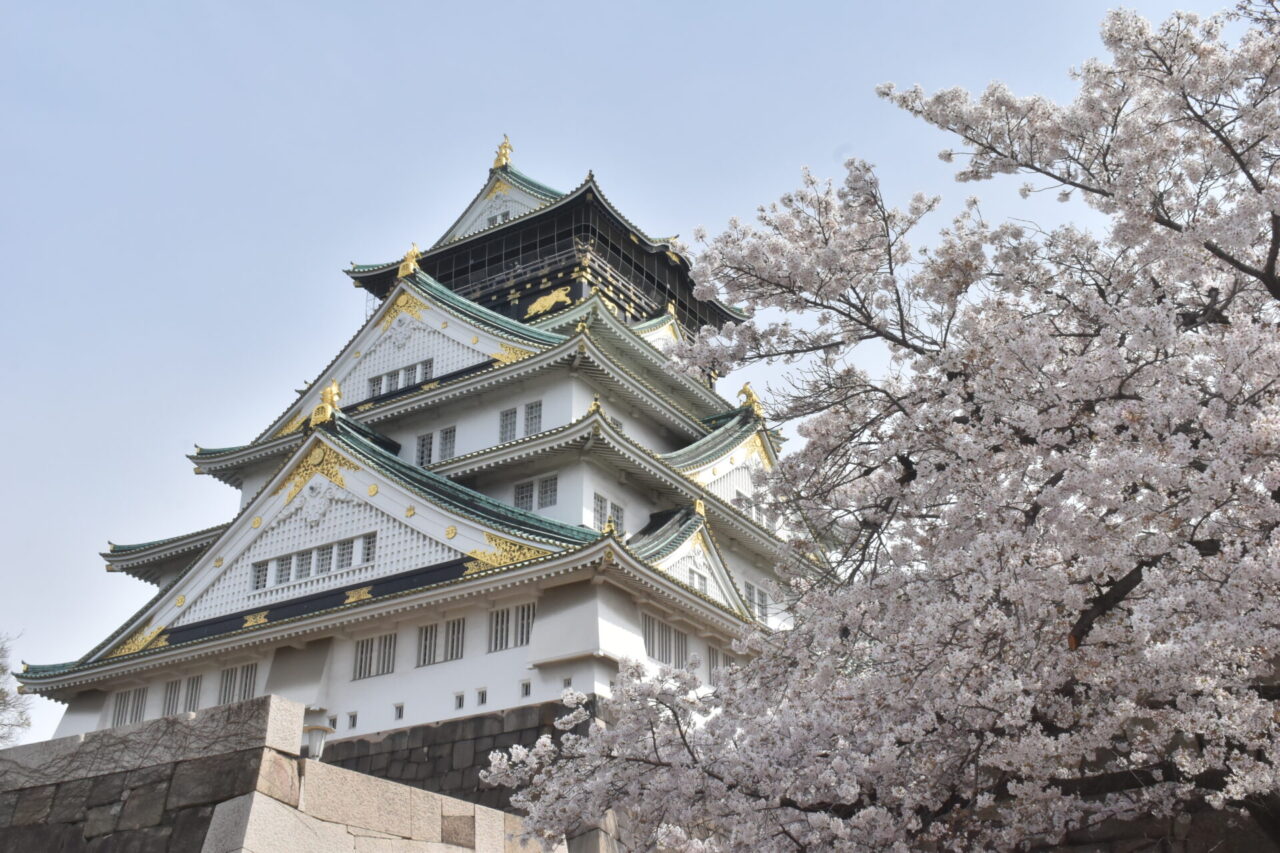
Hanami may involve sitting beneath flowering trees, walking beside a river, visiting a park, or simply noticing blossoms along a neighborhood street.
Famous locations can be beautiful, but they can also become extremely crowded during peak bloom. A quieter canal, shrine approach, local park, or riverside path near your accommodation may offer a more relaxed experience.
Cherry blossom timing varies by region, weather, elevation, and year. Rain and wind can also shorten the best viewing period.
Treat cherry blossoms as one possible highlight rather than the only purpose of your trip.
Another important period is ゴールデンウィーク / Gōruden Wīku / Golden Week, a group of national holidays from late April into early May.
During this period:
- Bullet trains, called 新幹線 / Shinkansen, and limited express trains can become busy
- Flights and highway buses may have high demand
- Popular accommodation can sell out
- Roads may experience heavy traffic
- Major sightseeing areas may receive large crowds
Travel is still possible, but important transportation and accommodation should be arranged early.
Travelers seeking a quieter spring trip may find mid-May, after the main holiday period, easier to manage.
Where to Stay in Spring
Spring is a good season to choose accommodation in a walkable neighborhood.
Staying near a park, river, canal, temple district, or local shopping street may allow you to enjoy seasonal scenery during quieter morning or evening hours.
Before booking, consider:
- Whether you can walk to nearby seasonal scenery
- How crowded the nearest station may become
- Whether restaurants and cafés are available nearby
- Whether luggage storage is available
- How easily you can return if the weather changes
- Whether the neighborhood is enjoyable outside the busiest sightseeing hours
A hotel near a major station may provide convenient transportation. A smaller stay in a residential or regional area may offer quieter mornings and a closer view of everyday spring life.
Spring can be an excellent choice for a first visit, but the experience does not need to depend on seeing one famous cherry blossom location at its exact peak.
Visiting Japan in Summer: June to August
Summer in Japan can be physically demanding, but it also offers seasonal experiences that are difficult to find at other times of year.
Rainy-season gardens, hydrangeas, beaches, mountain scenery, food stalls, festivals, fireworks, and community celebrations create a different rhythm of travel.
Instead of sightseeing continuously from morning until night, summer often works best when you start early, rest during the hottest part of the day, and explore again later.
Summer is particularly suitable for travelers who want to:
- See hydrangeas and rainy-season scenery
- Attend festivals and fireworks displays
- Experience lively evenings and seasonal food stalls
- Visit mountain, coastal, or island destinations
- See local communities during summer celebrations
- Travel at a slower pace with planned indoor breaks
It may be less suitable for travelers who are highly sensitive to heat and humidity or who want to walk outdoors throughout the day.
What Summer Travel Feels Like
The rainy season is called 梅雨 / Tsuyu / Rainy season.
In many regions, the rainy season occurs around June and early July, although its timing and intensity vary. It does not necessarily rain continuously every day, but travelers may experience cloudy skies, short showers, heavy rain, and high humidity.
Later in summer, heat can make ordinary activities such as walking between stations, waiting outdoors, or carrying luggage more tiring than expected.
A practical summer day might include:
- Early-morning sightseeing
- Outdoor activities before the strongest heat
- Lunch and an indoor afternoon break
- Time to return to your accommodation and change clothes
- Dinner, a neighborhood walk, or a festival in the evening
Convenience stores, cafés, museums, shopping centers, and station buildings provide useful places to rest.
Even after sunset, temperatures and humidity may remain high. Carry water, take breaks, and avoid planning too many outdoor activities in one day.
Seasonal Highlights of Summer in Japan
Summer in Japan includes more than heat, festivals, and fireworks.
During the rainy season, temples, gardens, parks, and neighborhood streets may be filled with:
- 紫陽花 / Ajisai / Hydrangeas
- Deep green trees and moss
- Rainy garden scenery
- Seasonal flowers reflected on wet streets and stone paths
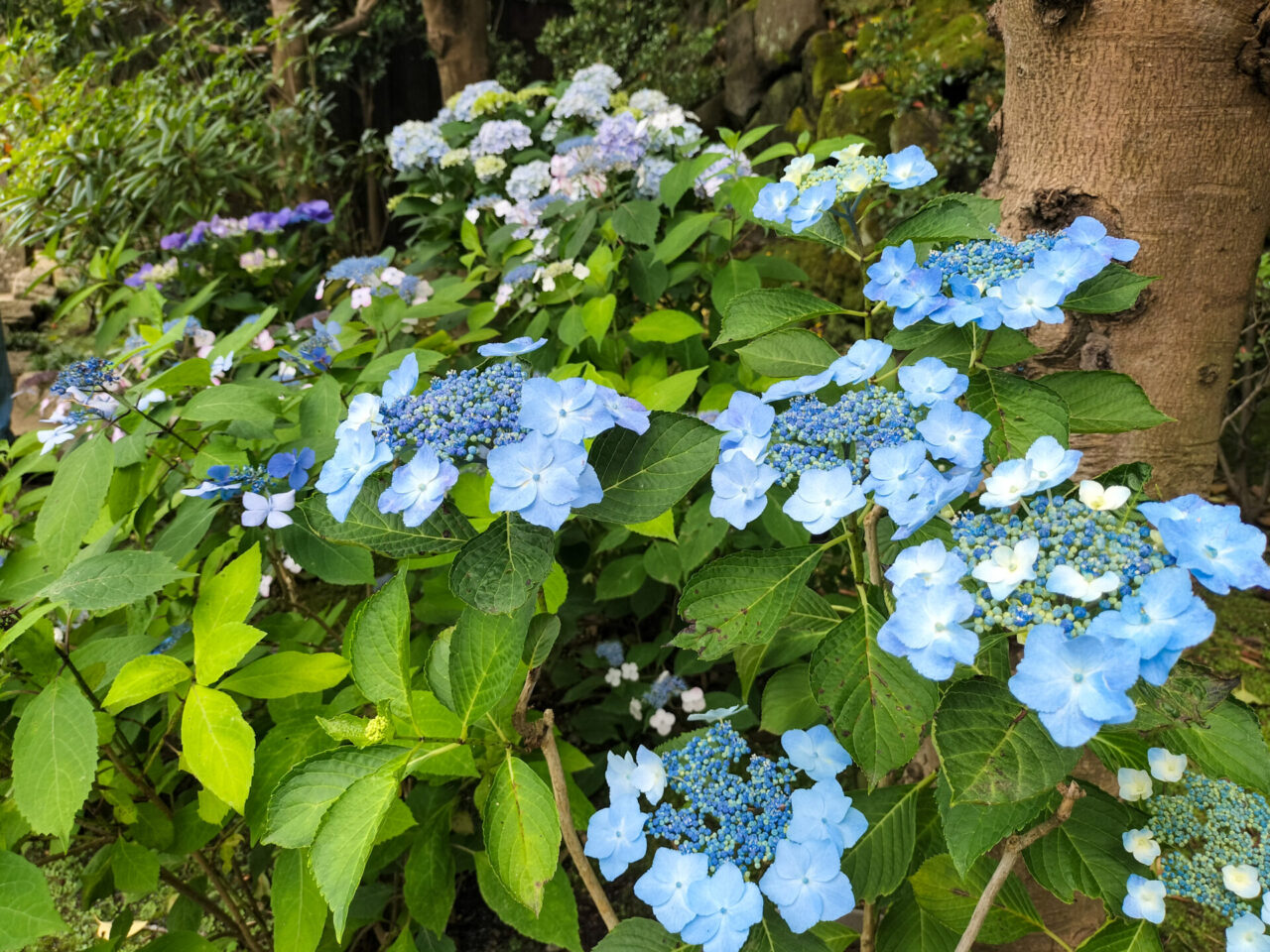
Hydrangeas are especially associated with the early summer rainy season. Rain may make travel less convenient, but it can also create a quieter and more atmospheric experience in gardens, temple grounds, and residential areas.
Later in summer, travelers may enjoy:
- Beaches and coastal towns
- Islands and seaside stays
- Mountain and highland destinations
- Forests, lakes, and rivers
- Evening festivals and fireworks
- Local Bon Odori events
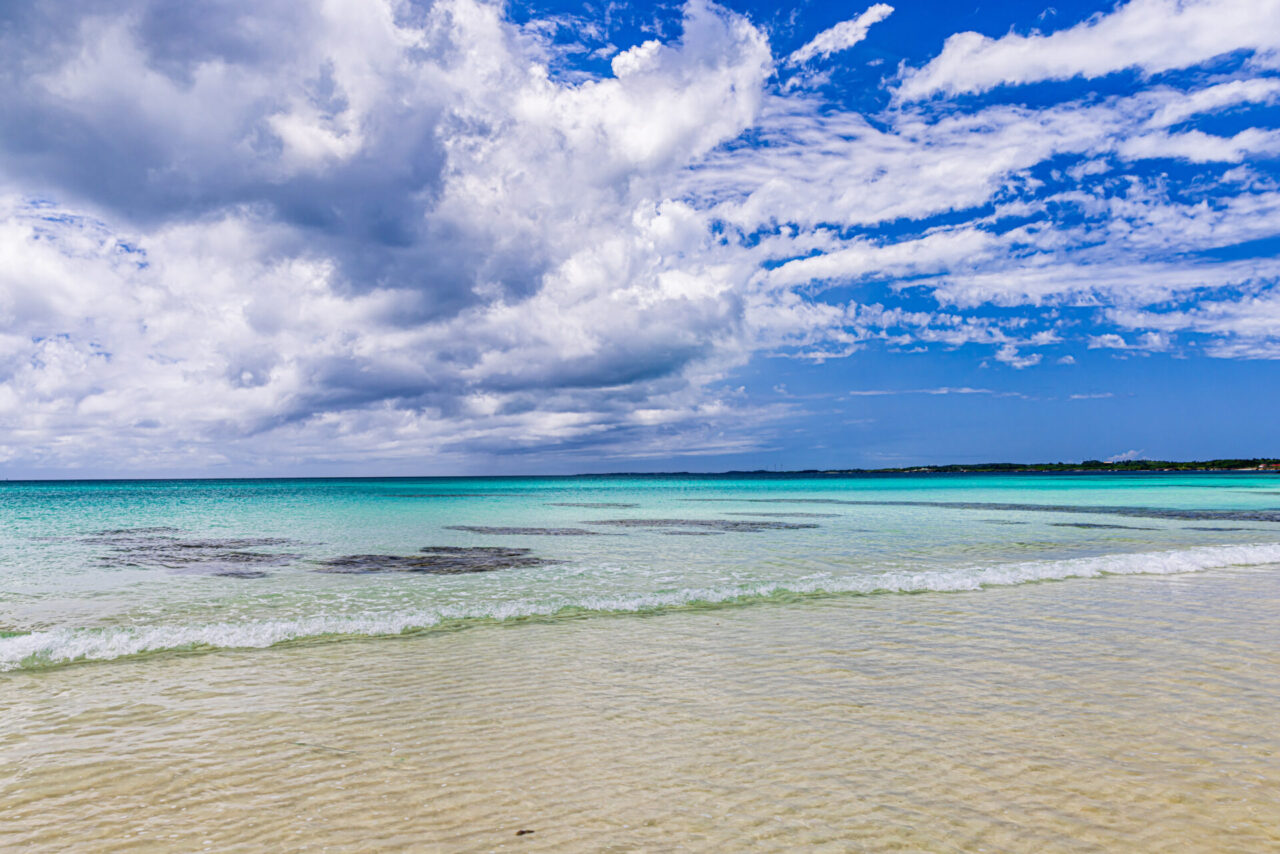
Japan’s beaches vary greatly. Okinawa and the southern islands offer a different experience from the beaches, fishing towns, and coastal communities of Honshu, Shikoku, and Kyushu.
Mountain and highland destinations may offer cooler conditions than major cities, although transportation can be less frequent and weather can change quickly.
Summer food and drinks may include:
- うなぎ / Unagi / Grilled eel, often associated with midsummer
- かき氷 / Kakigōri / Shaved ice
- 冷やし中華 / Hiyashi chūka / Chilled noodles with toppings
- そうめん / Sōmen / Thin chilled wheat noodles
- Grilled corn
- Watermelon
- Peaches and other summer fruit
- Festival food from 屋台 / Yatai / Festival food stalls
- Local seafood in coastal destinations
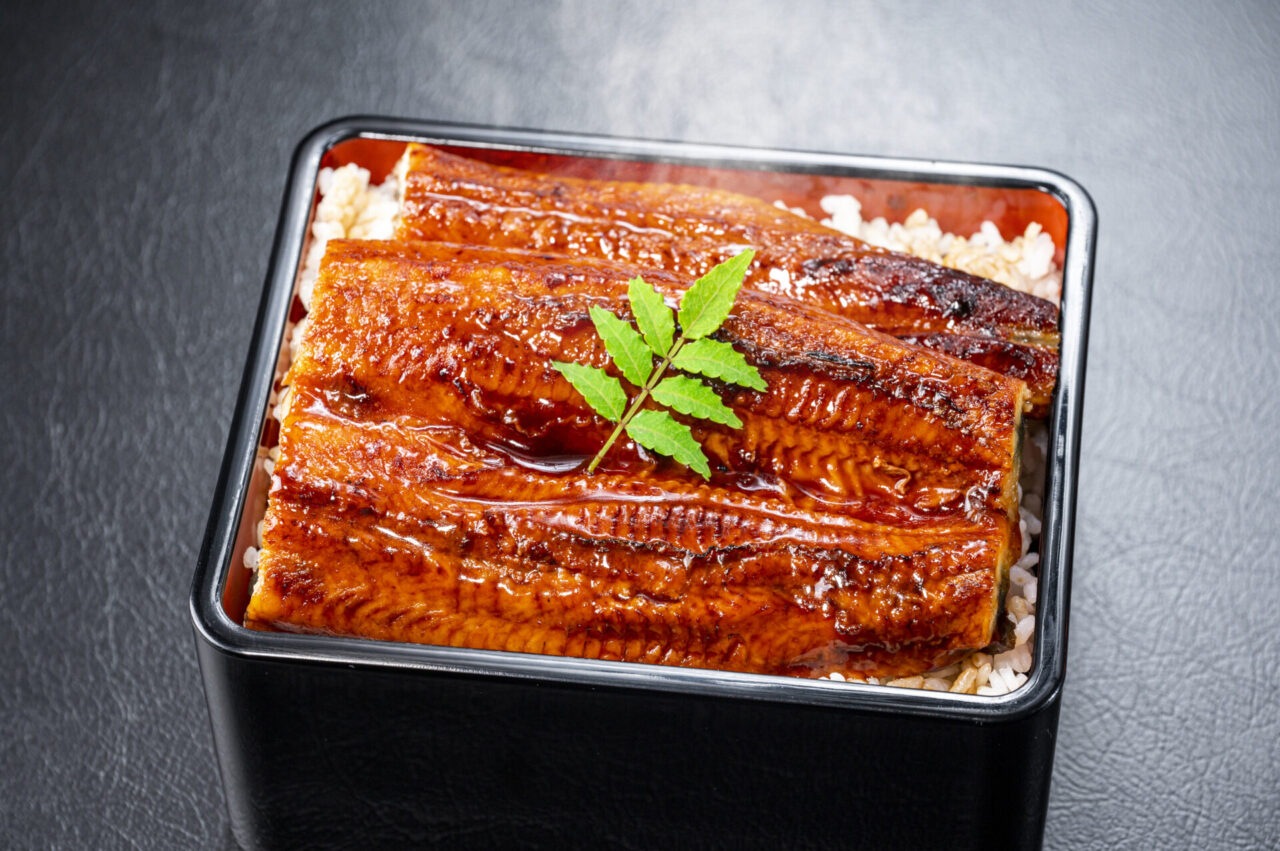
A summer day does not need to focus only on sightseeing. Spending the afternoon at a café, returning to your accommodation to rest, eating near the neighborhood where you stay, and joining an evening event can all be part of the seasonal experience.
Festivals, Obon, and Weather Disruptions
Two useful summer terms are:
- 夏祭り / Natsu matsuri / Summer festival
- 花火大会 / Hanabi taikai / Fireworks festival
- 盆踊り / Bon Odori / Bon dance
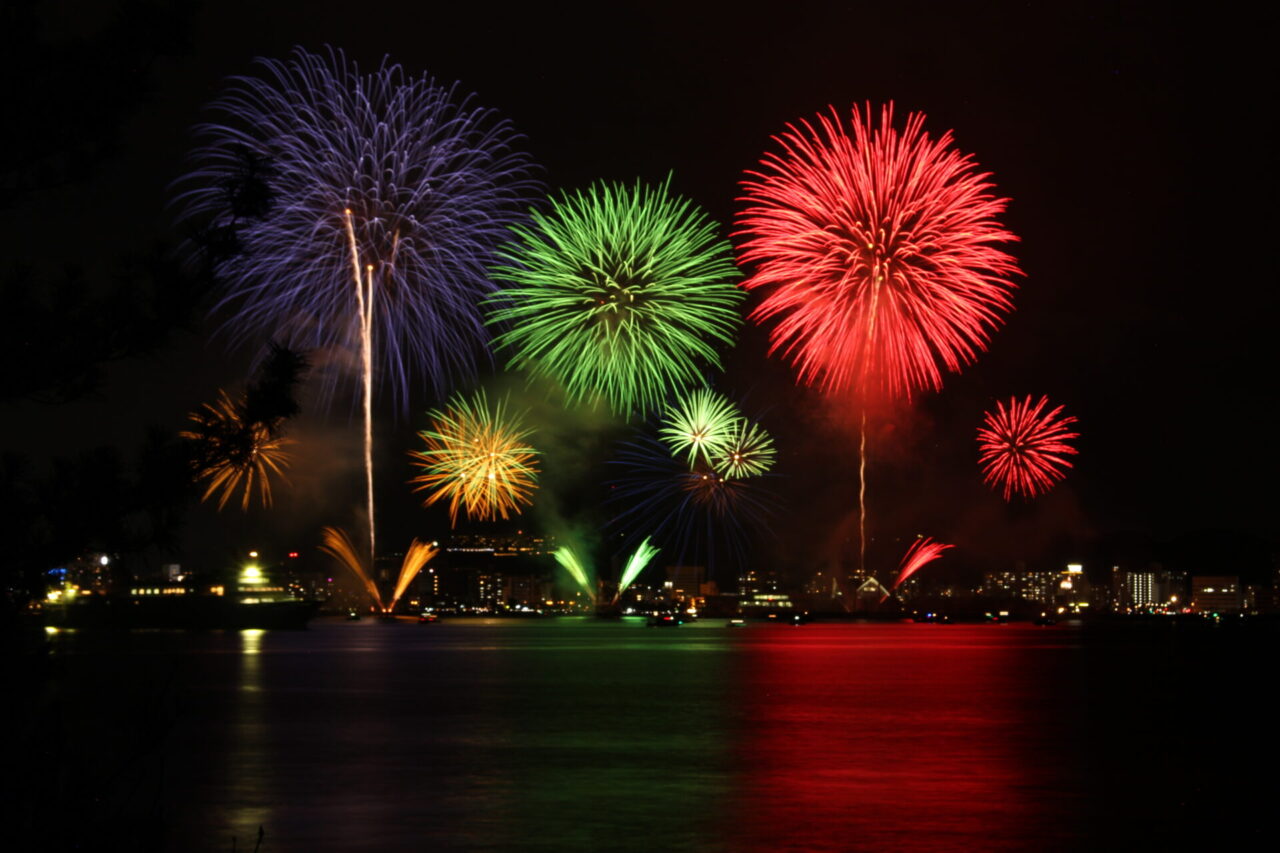
Depending on the event, visitors may see festival food stalls, Bon Odori dances, portable shrines, decorated floats, traditional music, or large fireworks displays.
Smaller neighborhood festivals can be especially rewarding because they show how local residents spend summer evenings together.
Major events require more planning. Stations, roads, and viewing areas may become crowded, particularly after the event ends.
Before attending, check:
- The official schedule
- Ticket or reserved seating requirements
- Transportation arrangements
- Weather-related postponement or cancellation information
- The last train to your accommodation
If festivals and fireworks are one of your main reasons for traveling in summer, it is worth planning the event itself as carefully as the rest of the day.
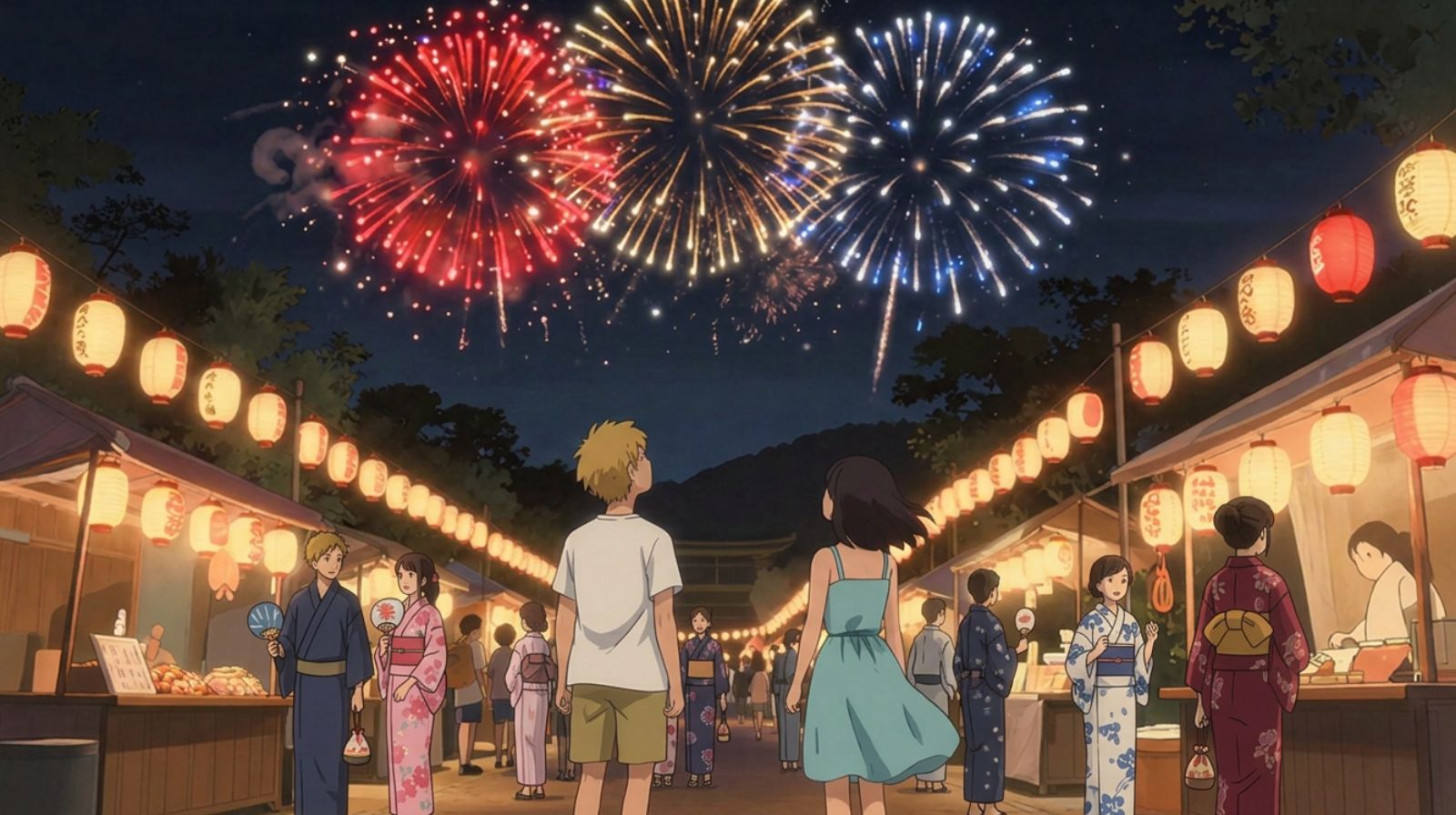
Another important period is お盆 / Obon / Obon period. Customs and dates vary by region, but a major domestic travel period generally occurs around the middle of August.
During this time, trains, flights, roads, and popular accommodation may become busy. Some small businesses may also change their opening hours.
Summer and early autumn can also bring typhoons and other severe weather. Flights, trains, ferries, festivals, and local transportation may be affected.
Keep booking details and accommodation contact information saved on your phone. Avoid an itinerary with no flexibility between major journeys.
For broader preparation, see our guide to natural disasters and weather disruptions in Japan.
Where to Stay in Summer
Accommodation is particularly important during summer because it provides a place to rest, cool down, change clothes, and adjust your daily schedule.
Before booking, check:
- Walking distance from the station
- Whether the route includes hills or long outdoor sections
- Air conditioning in the sleeping area
- Refrigerator availability
- Laundry or drying facilities
- Whether you can return easily during the afternoon
- How late nearby transportation operates
- Whether restaurants and convenience stores are nearby
A central hotel may reduce walking and train changes. A stay near a festival venue may make the journey home easier. A regional inn or neighborhood property may provide access to quieter evenings and smaller local events.
In summer, accommodation is not only where you sleep. It can be an essential part of managing the day comfortably.
Visiting Japan in Autumn: September to November
Autumn is a popular season for travelers who want cooler weather, colorful scenery, seasonal food, and comfortable outdoor sightseeing.
It is well suited to walking through temple districts, gardens, regional towns, markets, and residential neighborhoods.
However, September can still feel hot and humid in some areas, while late autumn can become cold in northern and mountainous destinations.
Autumn is particularly suitable for travelers who want to:
- Explore cities and towns on foot
- Visit gardens, temples, and historic districts
- See autumn leaves and harvest scenery
- Enjoy seasonal food and local markets
- Take regional train journeys
- Hike or spend time outdoors in cooler conditions
What Autumn Travel Feels Like
Autumn often allows travelers to spend more of the day outdoors than summer.
A typical day might include a morning walk, a regional train journey, time in a garden or historic district, lunch featuring seasonal ingredients, and a quiet evening near your accommodation.
Temperatures can change considerably between morning and evening. Layered clothing is practical, particularly in late autumn and in mountain regions.
September may still bring intense heat or severe weather. November can feel cold after sunset. Check the forecast for each destination rather than relying on a general image of autumn in Japan.
Seasonal Highlights of Autumn in Japan
Autumn is known for colorful leaves, but the season also brings harvests, regional food, cooler outdoor conditions, and local festivals.
Depending on the destination and timing, autumn scenery may include:
- 紅葉 / Kōyō / Autumn foliage
- すすき / Susuki / Japanese pampas grass
- Golden rice fields
- Mountain forests changing color
- Fallen leaves along temple paths and neighborhood streets
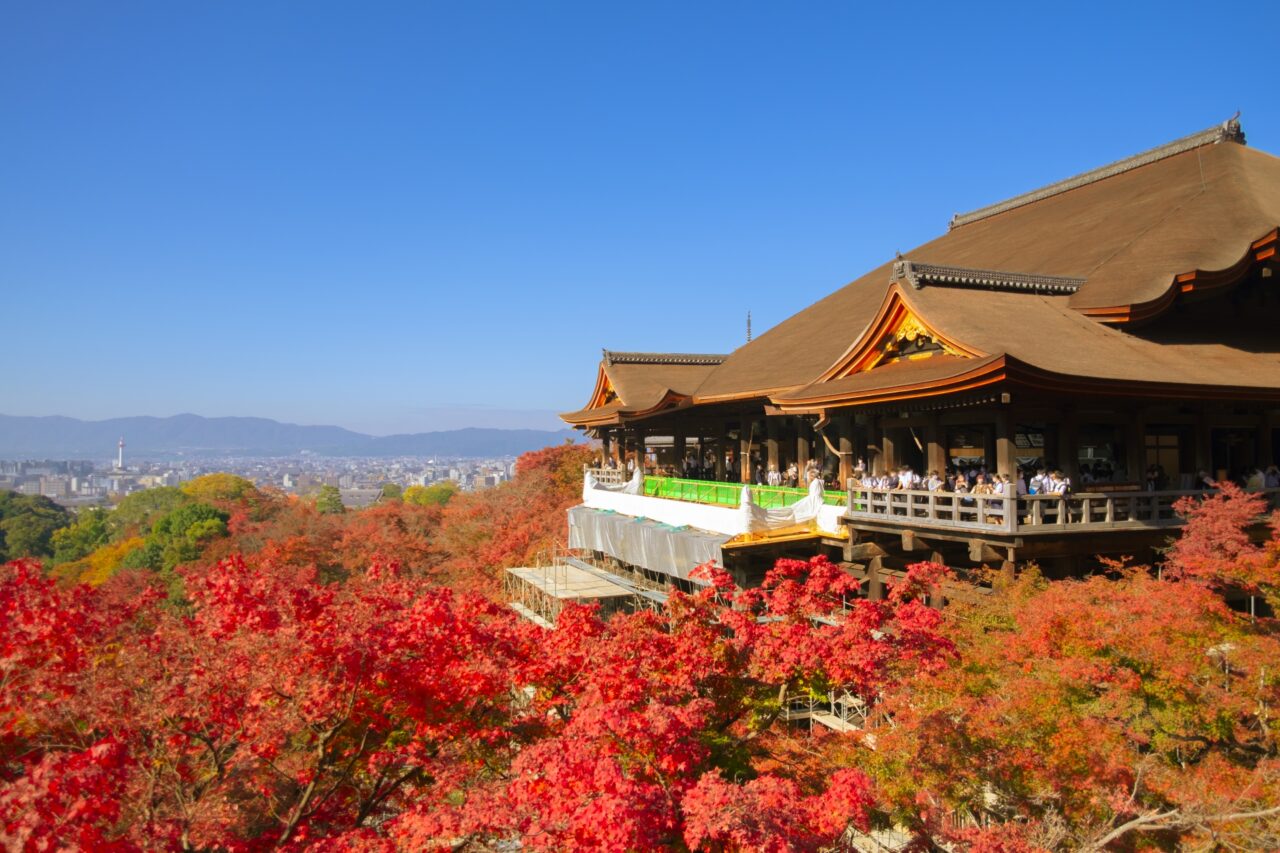
Autumn foliage appears gradually. Mountain areas and northern regions often change first, followed by lower and warmer destinations.
This makes autumn especially suitable for regional travel. Even when one famous foliage location is not at its peak, another area may already be showing seasonal color.
Autumn is also closely associated with food.
Travelers may encounter:
- 栗 / Kuri / Chestnuts
- さつまいも / Satsumaimo / Sweet potatoes
- きのこ / Kinoko / Mushrooms
- 柿 / Kaki / Persimmons
- 梨 / Nashi / Japanese pears
- ぶどう / Budō / Grapes
- 新米 / Shinmai / Newly harvested rice
- 松茸 / Matsutake / Matsutake mushrooms
- 秋刀魚 / Sanma / Pacific saury
- Regional harvest dishes
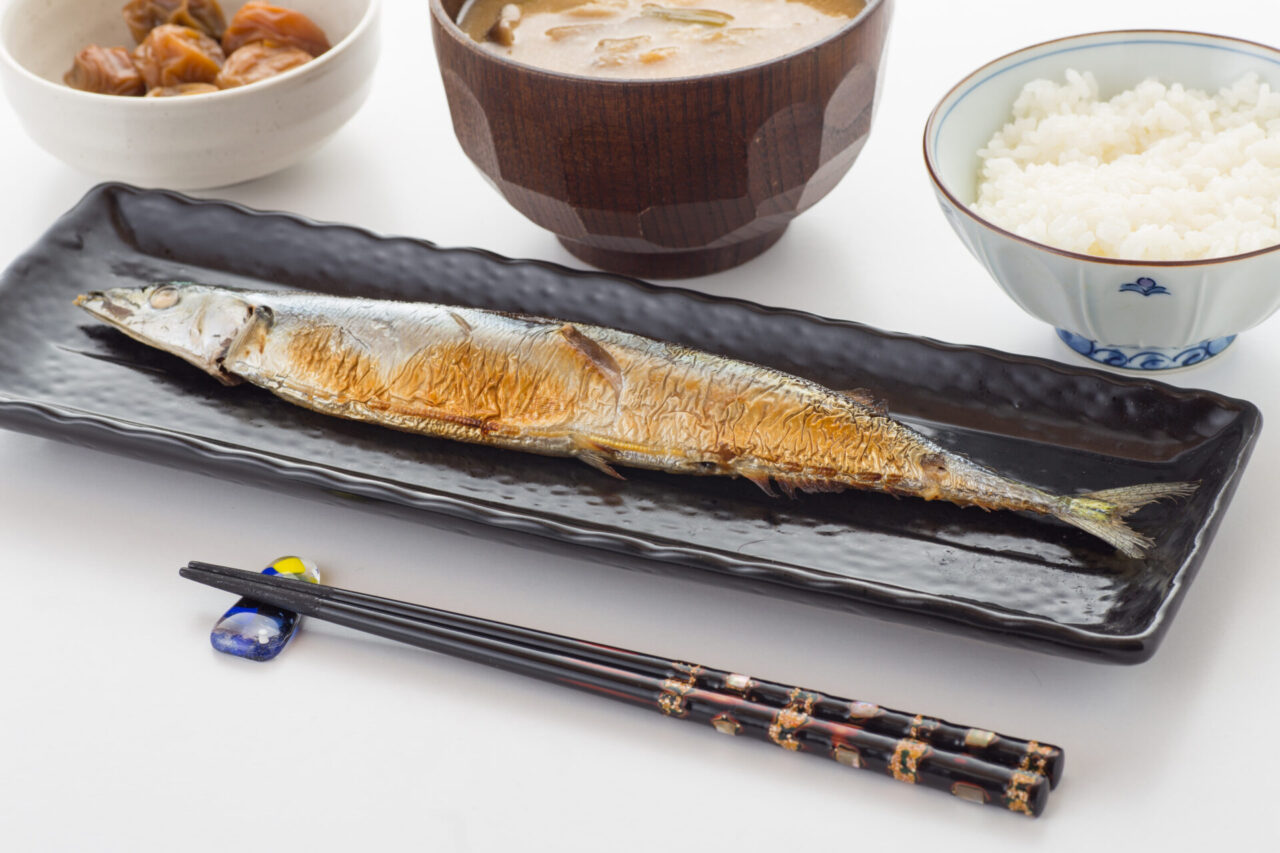
Markets, supermarkets, roadside stations, cafés, and local restaurants can be especially interesting during autumn.
The season is well suited to slower walks, regional train journeys, food-focused stays, and visits to smaller towns where the harvest and changing landscape are part of everyday life.
Autumn Foliage and Regional Timing
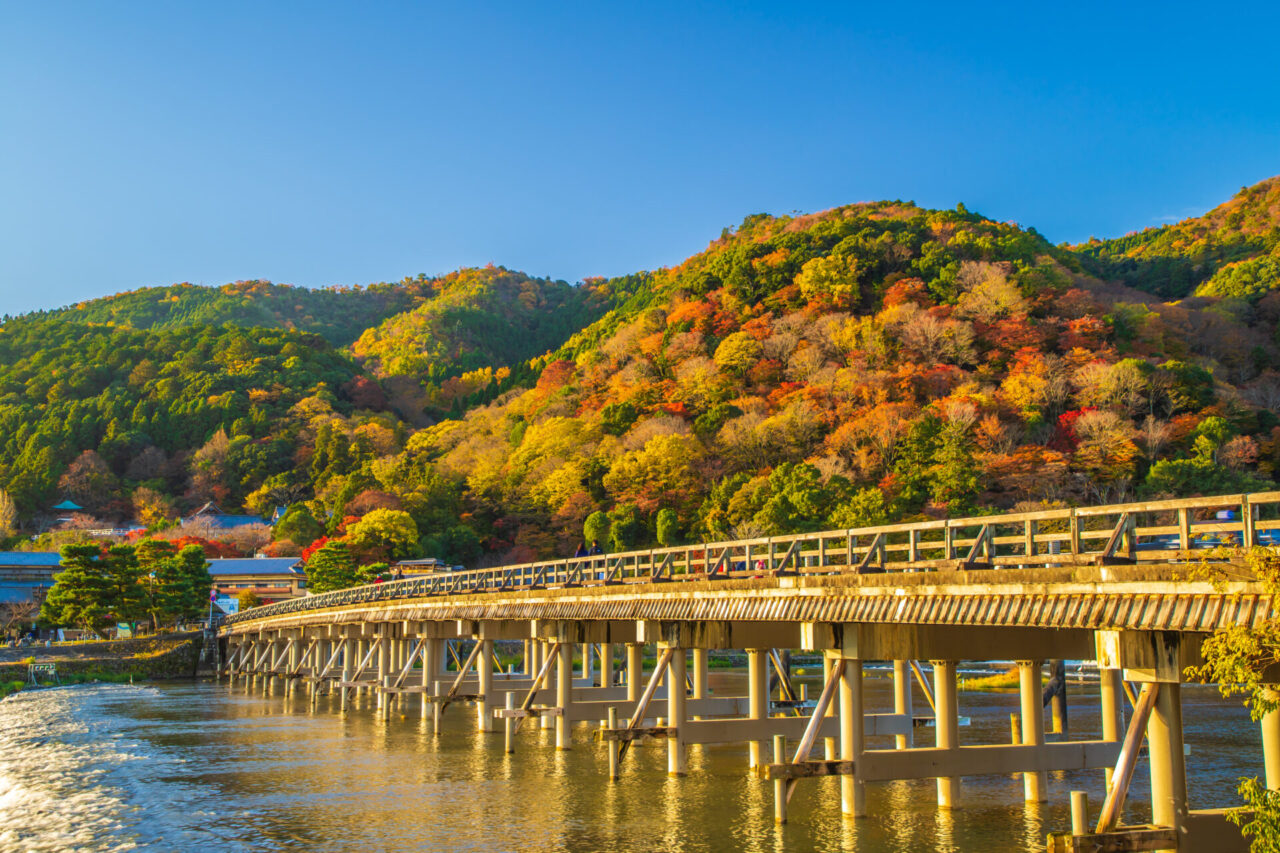
Colors do not reach every part of Japan at the same time. They generally appear earlier in northern areas and at higher elevations before reaching warmer regions and lower elevations.
Weather conditions can also affect the timing and appearance of the leaves.
Travelers do not always need to visit one famous location on one exact date. A mountain area, temple garden, local park, or riverside path near your accommodation may provide seasonal scenery during your stay.
Famous foliage destinations can become busy, particularly on weekends. Visiting early in the morning or on a weekday may offer a calmer experience.
Rather than treating autumn leaves as the only purpose of your trip, leave time to explore local restaurants, markets, shopping streets, and neighborhoods around the place where you stay.
Where to Stay in Autumn
Staying near the area you want to explore can reduce the need to travel during the busiest part of the day.
Before booking, consider:
- Whether nearby scenery is accessible early in the morning
- How frequently local trains or buses operate
- Whether the final connection returns to your accommodation
- Whether restaurants remain open in the evening
- Whether the route involves mountain roads or steep walking
- Whether the area remains enjoyable if the foliage is earlier or later than expected
Autumn is often one of the easiest seasons for combining major destinations with smaller regional towns.
A quiet morning walk near your accommodation may be more meaningful than a rushed visit to several crowded foliage sites.
For a fuller seasonal overview, see our Autumn in Japan guide for weather, foliage, what to wear, and how the season changes across regions.
If your travel dates are already set for October, see our Japan in October guide for regional weather, what to wear, festivals, autumn scenery, and itinerary planning.
Visiting Japan in Winter: December to February
Winter offers a slower, more stay-focused way to experience Japan.
Snow destinations, hot springs, winter sports, seasonal food, illuminations, and quieter city streets can create a different rhythm from a spring or autumn trip.
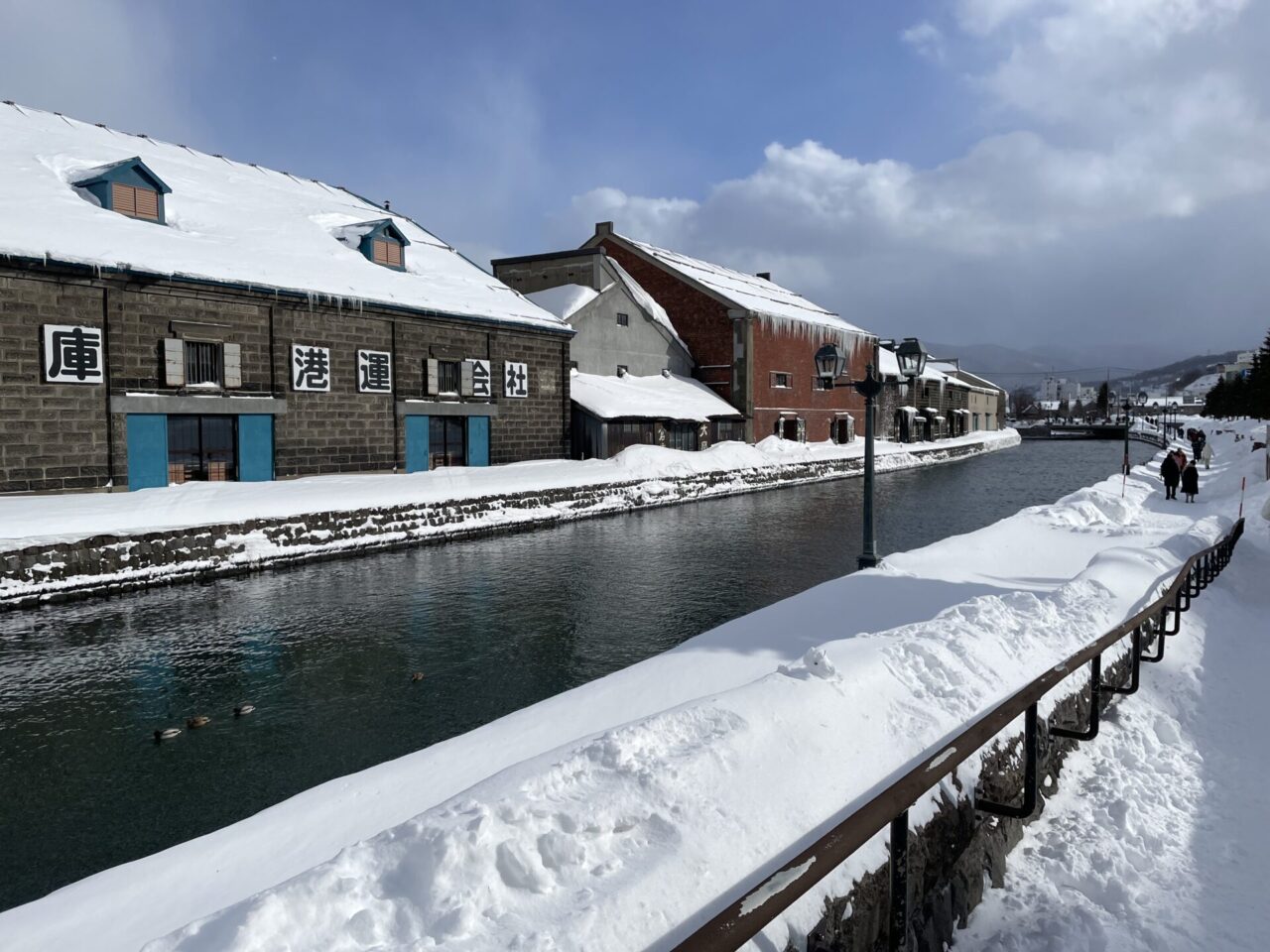
Winter conditions vary greatly. Northern Japan, the Sea of Japan side, and mountain regions may receive heavy snow, while cities such as Tokyo often experience cold but mostly dry days.
Winter is particularly suitable for travelers who want to:
- Experience snow scenery
- Ski or snowboard
- Stay in a hot spring town
- Spend more time enjoying their accommodation
- Visit cities outside the busiest sightseeing seasons
- Try winter food and seasonal traditions
What Winter Travel Feels Like
Daylight hours are shorter, and evenings can become cold quickly.
A practical winter day may include outdoor sightseeing while daylight is available, followed by an early dinner, a hot bath, or time inside your accommodation.
Travelers should not assume that all of Japan is covered in snow. Some regions receive regular heavy snowfall, while other cities may see little or no lasting snow.
In snowy areas, weather can affect:
- Local trains and buses
- Flights
- Mountain roads
- Walking conditions
- Luggage movement
- Access to regional accommodation
Check railway and local transportation information before a long-distance journey. Our guide to using trains and subways in Japan explains what first-time visitors can expect at stations and during service disruptions.
Seasonal Highlights of Winter in Japan
Winter experiences vary greatly by region.
In northern Japan, mountain areas, and parts of the Sea of Japan coast, travelers may encounter:
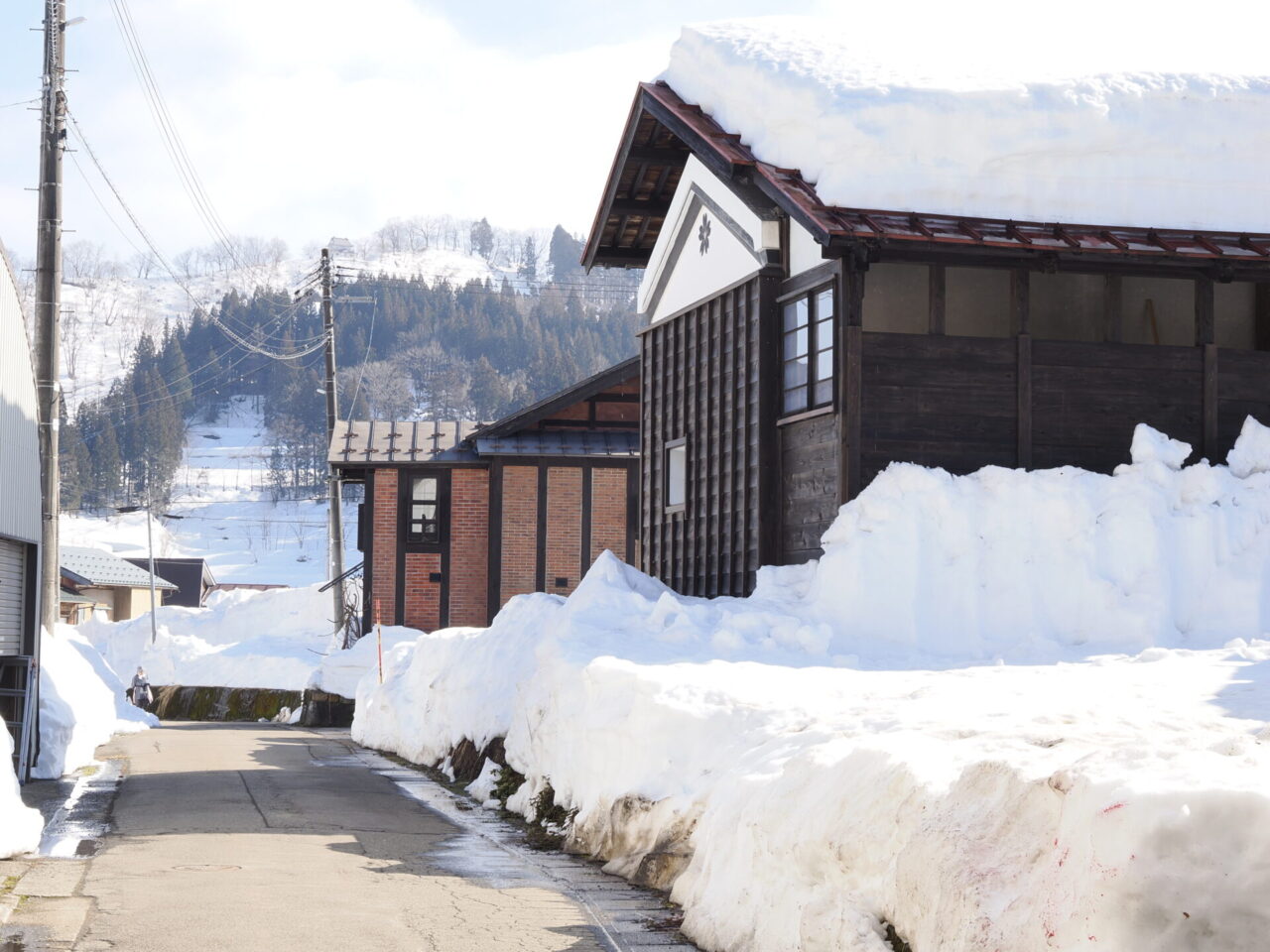
- Snow-covered towns
- Winter mountain landscapes
- Ski and snowboard areas
- Snow festivals and illuminations
- Traditional buildings surrounded by snow
- Hot spring towns with outdoor baths
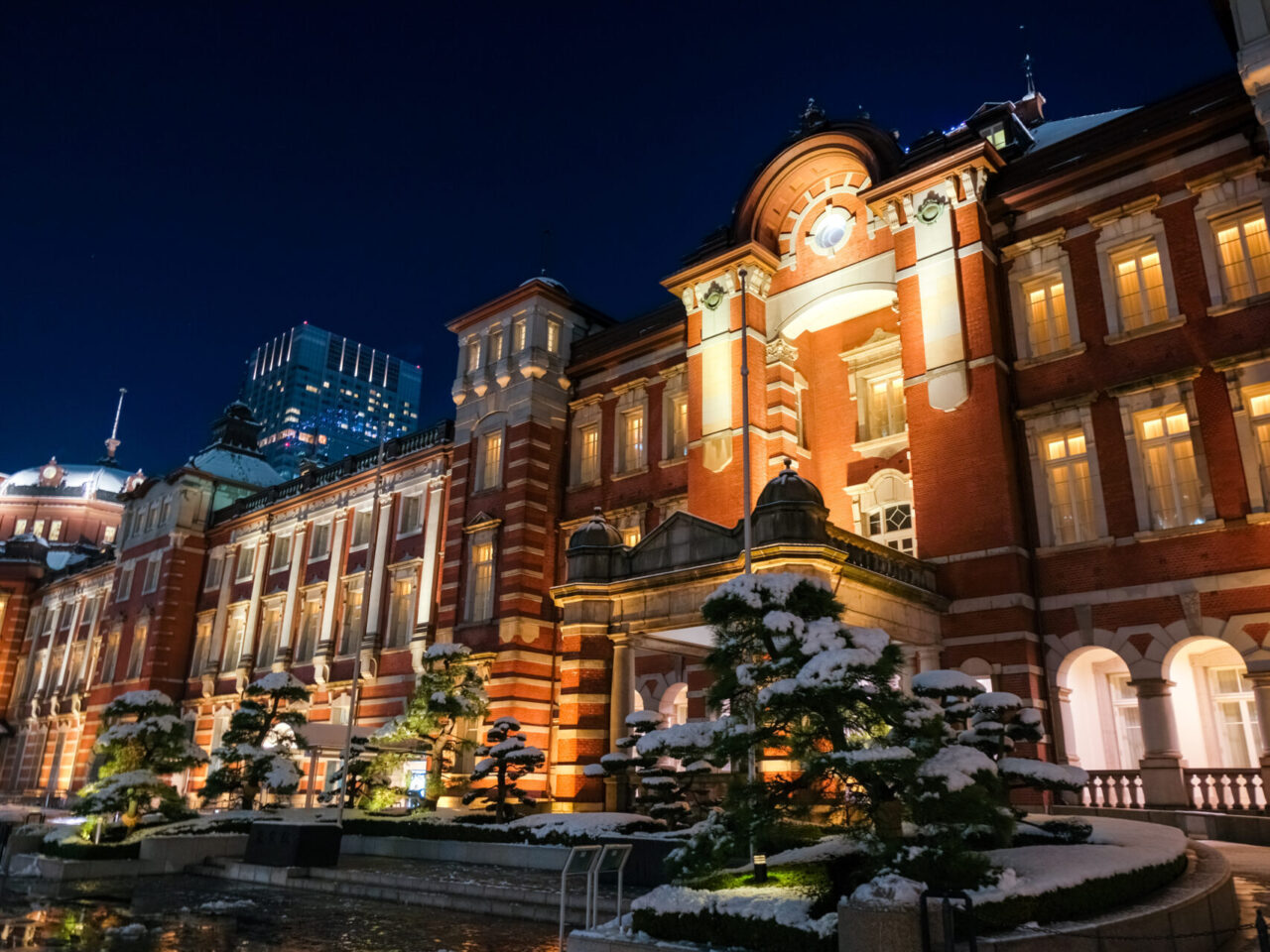
In cities with little snow, winter may offer clear air, dry weather, seasonal illuminations, quieter streets, and comfortable indoor cultural experiences.
Winter food may include:
- 鍋 / Nabe / Hot pot
- おでん / Oden / Assorted ingredients simmered in broth
- Crab and other seasonal seafood
- Hot noodles
- Roasted sweet potatoes
- Citrus fruit
- Regional winter specialties
Food can become an important part of the winter travel rhythm. An early dinner, a local hot-pot restaurant, or a meal included at a traditional inn may feel more central to the trip than during warmer seasons.
Snow and Ski Resorts
Japan has well-known ski areas in Hokkaido, Nagano, Niigata, Yamagata, and other snowy regions.
Popular winter destinations include:
- Niseko, Hokkaido
- Hakuba Valley, Nagano
- Nozawa Onsen, Nagano
- Zao Onsen, Yamagata
- GALA Yuzawa, Niigata
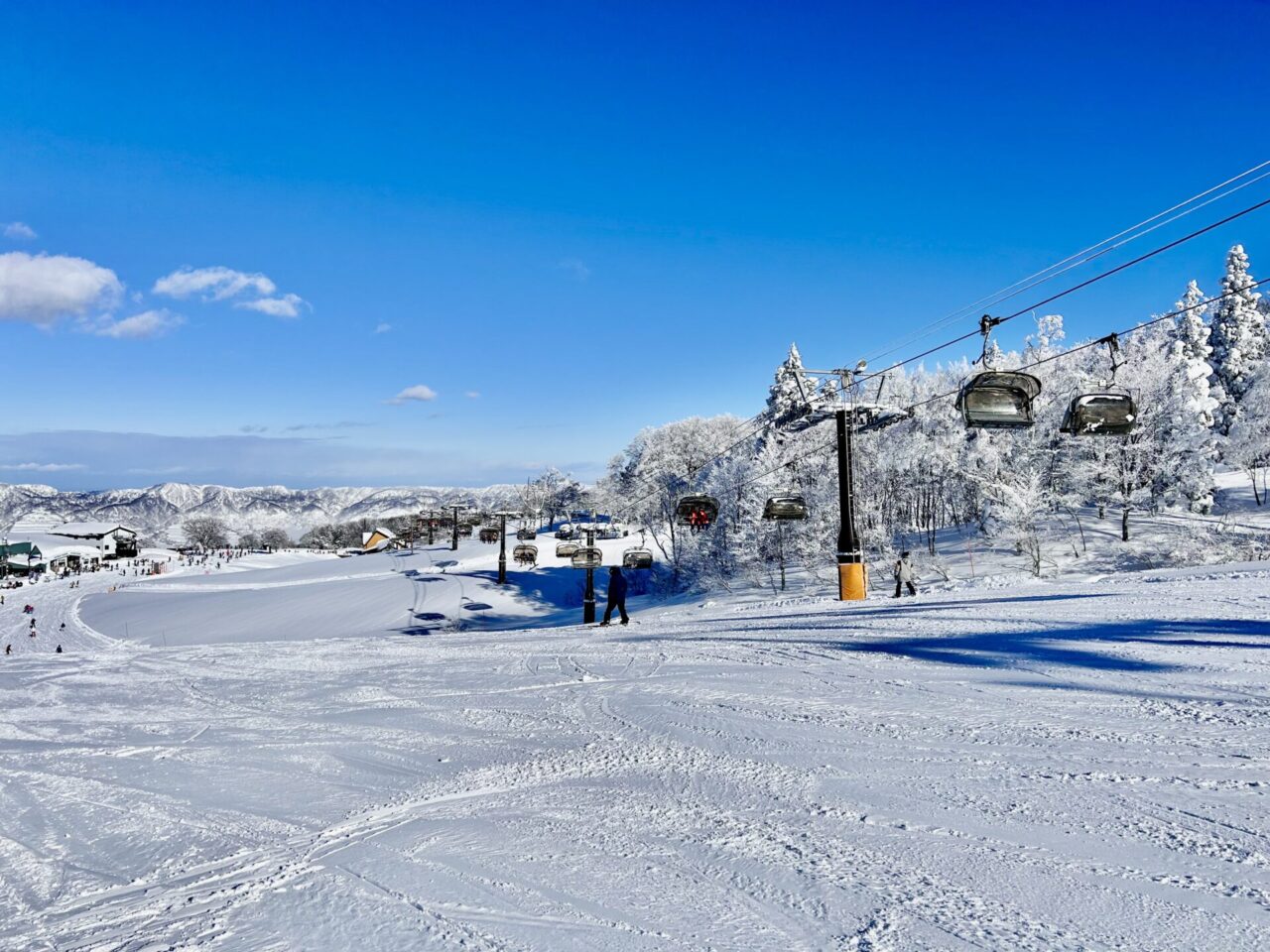
Access varies considerably. Some resorts, such as GALA Yuzawa, are convenient from Tokyo by bullet train, while others require a flight, bus, local train, or additional transfer.
Before booking, check the full route from the station or airport, the final connection of the day, luggage arrangements, equipment rental, and what happens if weather affects transportation.
Hot Springs and Winter Stays
Two useful accommodation terms are:
- 温泉 / Onsen / Hot spring
- 旅館 / Ryokan / Traditional Japanese inn
A hot spring town, ryokan, ski lodge, or regional property can become one of the main experiences of a winter trip rather than simply a place to sleep.
Well-known hot spring towns include:
- Kusatsu Onsen
- Kinosaki Onsen
- Ginzan Onsen
- Beppu Onsen
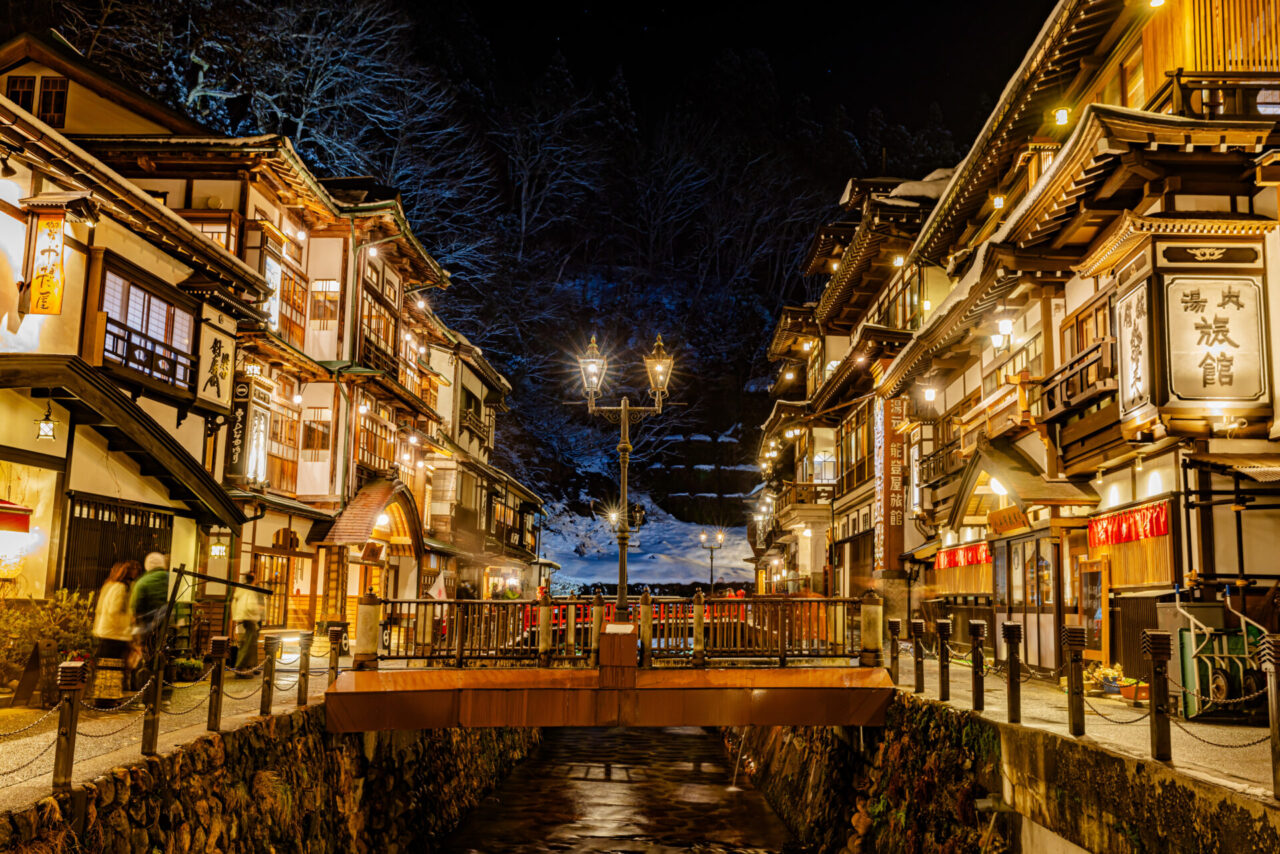
Before booking a regional winter stay, check:
- Transportation from the nearest station
- Whether a shuttle or pickup is available
- Walking conditions with luggage
- Whether meals require advance reservations
- Whether shops and restaurants are nearby
- Heating in all rooms
- What happens if snow affects your arrival
- Whether winter footwear is necessary
A well-chosen winter stay can reduce difficult journeys and make time indoors feel like part of the trip rather than time lost from sightseeing.
Winter Illuminations
Many cities, parks, and commercial areas hold seasonal illumination events from late autumn through winter.
Travelers may find winter illuminations in destinations such as:
- Tokyo
- Yokohama
- Kobe
- Osaka
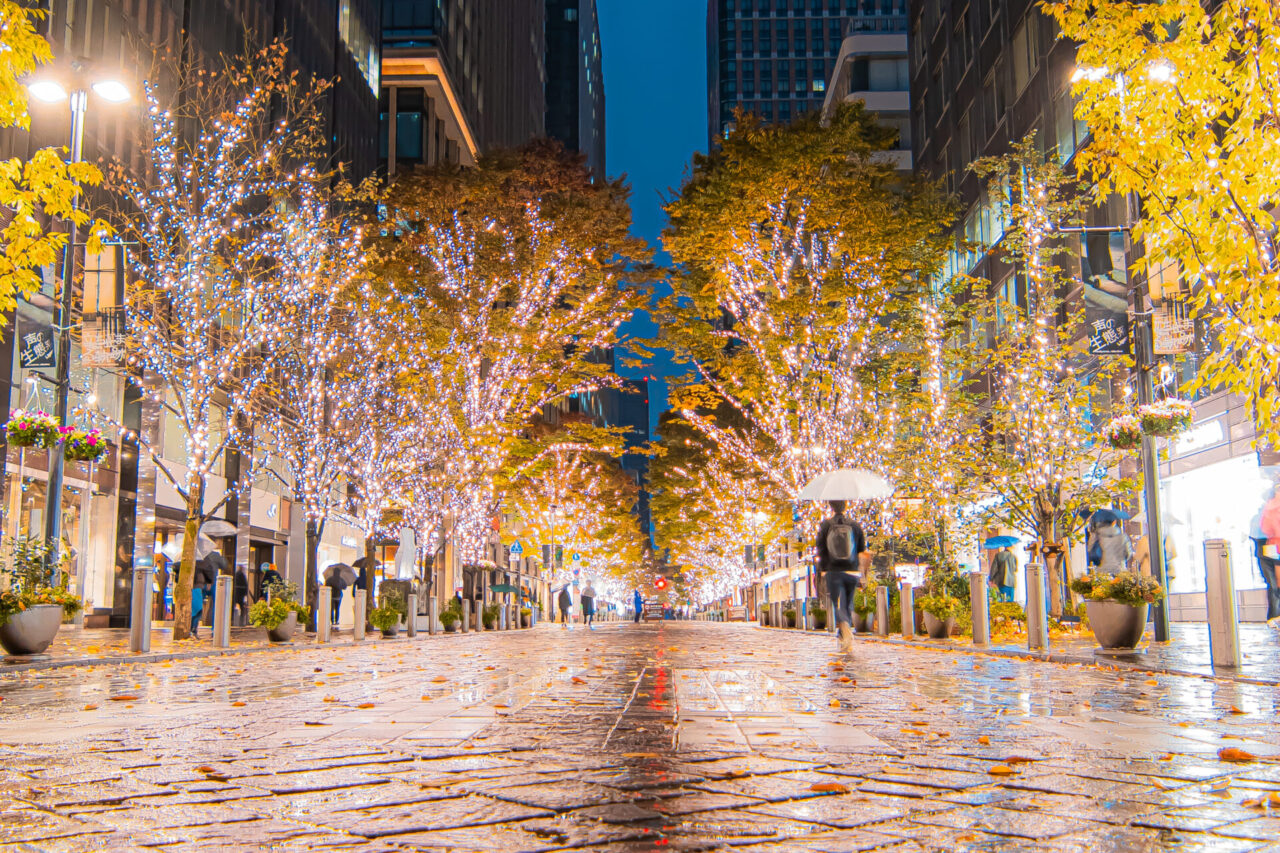
Dates, admission rules, and operating hours vary by event. Check the official event information before making a special journey.
New Year Traditions
A useful term for this period is 年末年始 / Nenmatsu nenshi / Year-end and New Year period.
This is an important family and cultural period in Japan. Some restaurants, shops, museums, and attractions may close or operate on reduced schedules, while transportation and major shrines may become busy around specific dates.
Two traditions travelers may encounter are:
- 初詣 / Hatsumōde / First shrine or temple visit of the year
- 除夜の鐘 / Joya no kane / New Year’s Eve bell-ringing
At many Buddhist temples, bells are rung 108 times around midnight as part of Joya no kane, representing the 108 worldly desires in Buddhist tradition.
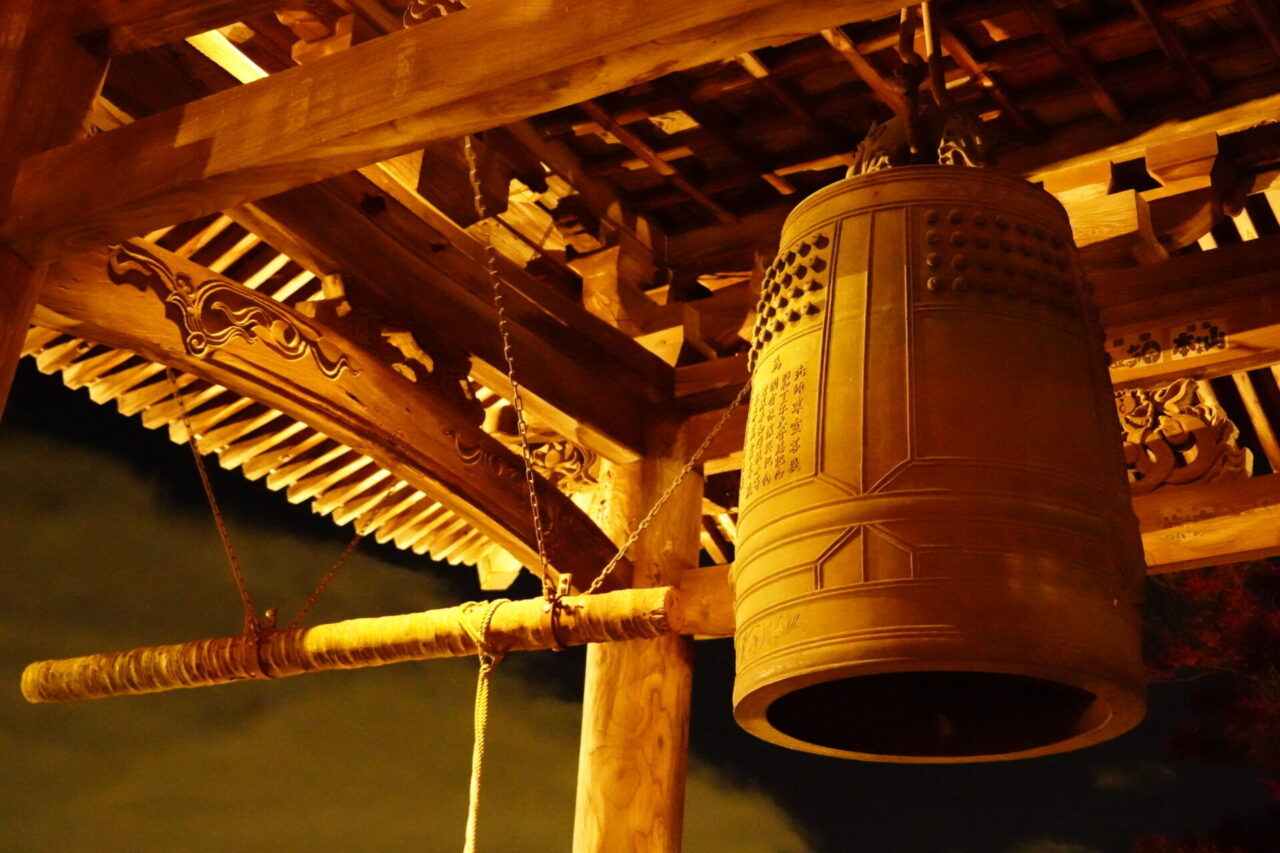
Traveling during this period can offer meaningful cultural experiences, but check opening hours, transportation, and meal availability carefully before visiting.
If your travel dates are already set for December, see our Japan in December guide for regional weather, snow, what to wear, and late-December travel planning.
Which Season Is Best for Your Japan Trip?
The best season depends on your priorities and the conditions you find most difficult.
| Your Main Priority | Season to Consider | Why | Important Consideration |
|---|---|---|---|
| Comfortable city sightseeing | Spring or autumn | Conditions are often suitable for walking and outdoor exploration | Peak flowers and foliage can bring crowds |
| Cherry blossoms and gardens | Spring | Seasonal flowers and fresh greenery | Timing varies and cannot be guaranteed far in advance |
| Festivals and fireworks | Summer | Many local and major events take place during warmer months | Prepare for heat, humidity, and crowded transportation |
| Beaches and coastal stays | Summer | Warm-weather activities and island travel are widely available | Rain, typhoons, heat, and seasonal access require checking |
| Hiking and regional travel | Autumn | Cooler conditions often support outdoor activities | Weather and foliage timing vary by region |
| Seasonal food and harvest experiences | Autumn | Markets and restaurants reflect regional harvests | Popular foliage areas may be busy |
| Snow and winter sports | Winter | Snow destinations and ski areas are in season | Weather may affect transportation |
| Hot springs and relaxing stays | Winter | Accommodation can become part of the seasonal experience | Regional access requires planning |
| A family trip with young children | Spring or autumn | Outdoor movement may be easier than during extreme heat or cold | Avoid the busiest holiday periods where possible |
| Fewer crowds in major cities | Winter or selected off-peak periods | Some urban areas may be quieter outside holidays | Shorter daylight and seasonal closures require planning |
| Local festivals and community events | Summer | Evening events can offer a closer view of local life | Check whether visitors may participate |
| A slower, flexible journey | Any season | Every season supports local exploration differently | Match your itinerary and accommodation to the conditions |
For many first-time visitors, spring or autumn provides the simplest balance of weather and sightseeing.
However, travelers interested in festivals, beaches, snow, skiing, or hot springs may find summer or winter more rewarding.
Do not choose a season only because it is widely described as the best. Consider what you personally find most difficult: crowds, heat, rain, cold, short daylight, or uncertain seasonal timing.
Choosing conditions you can manage comfortably is often more important than choosing the most famous scenery.
How to Choose the Best Time to Visit Japan
Start With the Regions You Want to Visit
A national seasonal description is only a starting point.
Tokyo, Kyoto, Osaka, Hokkaido, Okinawa, mountain destinations, and coastal areas can experience different weather during the same travel period.
Check every major destination on your itinerary, particularly when traveling between northern and southern Japan or between cities and mountain areas.
A multi-city journey may require clothing for more than one type of weather.
Check Major Domestic Travel Periods
Busy domestic travel periods can affect transportation, accommodation, and local services.
Important periods include:
- Golden Week in late April and early May
- The Obon travel period around mid-August
- The year-end and New Year period
- Three-day weekends and other national holiday periods
- Peak cherry blossom and autumn foliage weekends
- Major festivals and local events
The effect varies by destination.
A famous sightseeing area may become extremely busy, while a residential neighborhood or smaller regional town remains relatively calm.
Reserve important transportation and accommodation early when your trip overlaps with a major holiday or seasonal event.
Match the Season to Your Daily Travel Pace
Think about how much time you expect to spend:
- Walking outdoors
- Waiting at stations and bus stops
- Carrying luggage
- Changing trains
- Traveling with children
- Returning after evening activities
- Resting at your accommodation
A tightly packed itinerary that feels manageable in spring may be exhausting during summer heat.
A winter day may work better with fewer outdoor activities and more time at a hot spring, restaurant, museum, or accommodation.
The season should shape your itinerary, not only your clothing.
Let Your Accommodation Support the Season
Where you stay can make seasonal travel easier and more meaningful.
In spring and autumn, a walkable neighborhood may help you enjoy parks, riversides, markets, and local streets before popular areas become busy.
In summer, convenient transportation and a place to rest during the afternoon can make a significant difference.
In winter, an onsen, traditional inn, or regional lodge may become part of the main travel experience.
Before booking, check:
- Walking distance from the nearest station
- Transportation frequency and evening access
- Heating or air conditioning
- Laundry or drying facilities
- Nearby restaurants and shops
- Luggage storage
- Seasonal conditions around the property
Choose a stay that supports your daily pace, not only one that appears close to major attractions.
Keep Some Flexibility
Flowers, autumn leaves, rain, snow, and severe weather do not follow an exact schedule.
Avoid building an itinerary that depends entirely on one outdoor event, one forecast, or one predicted seasonal date.
Prepare an alternative for each destination, such as:
- A museum
- A covered shopping street
- A local market
- A café or restaurant
- An indoor cultural activity
- A slower day near your accommodation
Once you have chosen the season, the next step is to work through the practical decisions that shape the rest of the trip.
Enjoy Japan in Every Season
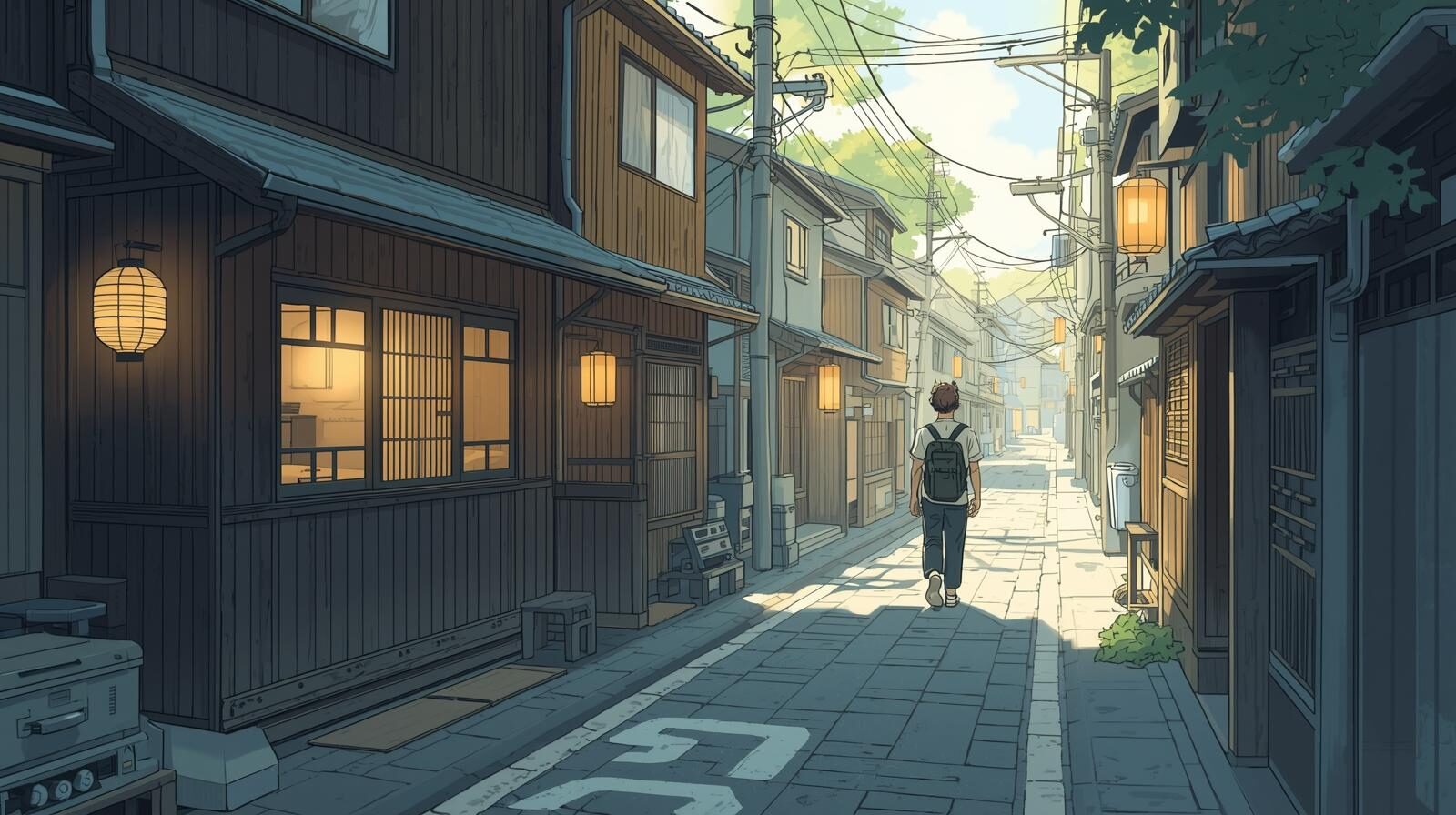
Every season changes how Japan feels.
Spring may bring flower-lined neighborhood walks, seasonal sweets, and comfortable days outdoors. Summer may shift your journey toward hydrangeas, beaches, slower afternoons, chilled food, and evening festivals. Autumn can combine colorful scenery with regional harvests and outdoor exploration, while winter may place greater importance on snow, warming meals, hot springs, and time spent at your accommodation.
The best time to visit is not necessarily the season with the most famous scenery.
It is the season that matches your preferred pace, the places you want to explore, and the way you want to spend your time.
Leave room for local streets, regional food, quiet mornings, and evenings near the place where you stay. These experiences can become as meaningful as the major attractions that first inspired your journey.
Choose accommodation that supports the pace and season of your trip. Find places to stay in Japan.
Frequently Asked Questions
- What is the best month to visit Japan?
-
There is no single best month for every traveler. April, May, October, and November often offer comfortable conditions in many popular destinations, but crowds, prices, regional weather, and seasonal timing vary. Choose your dates based on the regions you plan to visit and the experiences that matter most to you.
- Which season is best for a first trip to Japan?
-
Spring and autumn are often the easiest seasons for a first trip because walking and outdoor sightseeing may be more comfortable. Summer and winter can be equally rewarding when festivals, beaches, snow, skiing, or hot springs are important parts of your plans.
- When is cherry blossom season in Japan?
-
Cherry blossom timing varies by region, elevation, weather, and year. Warmer regions generally bloom earlier, while northern and mountainous destinations bloom later. Check current forecasts close to your travel dates, and avoid depending on one exact predicted day.
- Is Japan’s rainy season a bad time to visit?
-
Not necessarily. The rainy season may bring cloudy conditions, showers, humidity, and occasional heavy rain, but it can also bring hydrangeas, green moss, and atmospheric gardens. A flexible itinerary can combine outdoor scenery with museums, cafés, shopping areas, and other indoor activities.
- Is summer too hot for visiting Japan?
-
Summer can be hot and humid, particularly in large cities, but travel is still possible with a slower schedule. Start early, plan indoor afternoon breaks, carry water, and choose accommodation that reduces unnecessary walking.
- When can I see autumn leaves in Japan?
-
Autumn foliage appears at different times depending on the region and elevation. Northern and mountain destinations generally change earlier than warmer southern areas and lowland cities. Check local information close to your visit rather than relying on one nationwide date.
- What foods are associated with autumn in Japan?
-
Common autumn foods include chestnuts, sweet potatoes, mushrooms, persimmons, pears, grapes, newly harvested rice, and seasonal fish. What is available varies by destination, so local markets, restaurants, supermarkets, and roadside stations are useful places to discover regional ingredients.
- Is winter a good time to visit Japan?
-
Yes. Winter is especially suitable for snow destinations, skiing, hot springs, seasonal food, and quieter city sightseeing outside the main holiday period. Check regional conditions carefully because snowfall and transportation risks vary greatly across Japan.
- When is Japan most crowded?
-
Cherry blossom periods, Golden Week, Obon, New Year, major festivals, and peak autumn foliage weekends can be busy. Crowd levels also vary by location and time of day, so staying nearby and visiting popular places early can make a significant difference.
- When is the cheapest time to visit Japan?
-
There is no universally cheapest month. Prices often depend on exact travel dates, weekends, holidays, festivals, ski seasons, and local demand. Compare accommodation and transportation prices for your actual itinerary rather than assuming an entire season will be inexpensive.
- How far in advance should I book accommodation?
-
Book early when traveling during cherry blossom periods, Golden Week, major festivals, Obon, peak autumn foliage, New Year, or the ski season in popular resorts. During quieter periods, more flexibility may be available, but small regional properties can still have limited capacity.