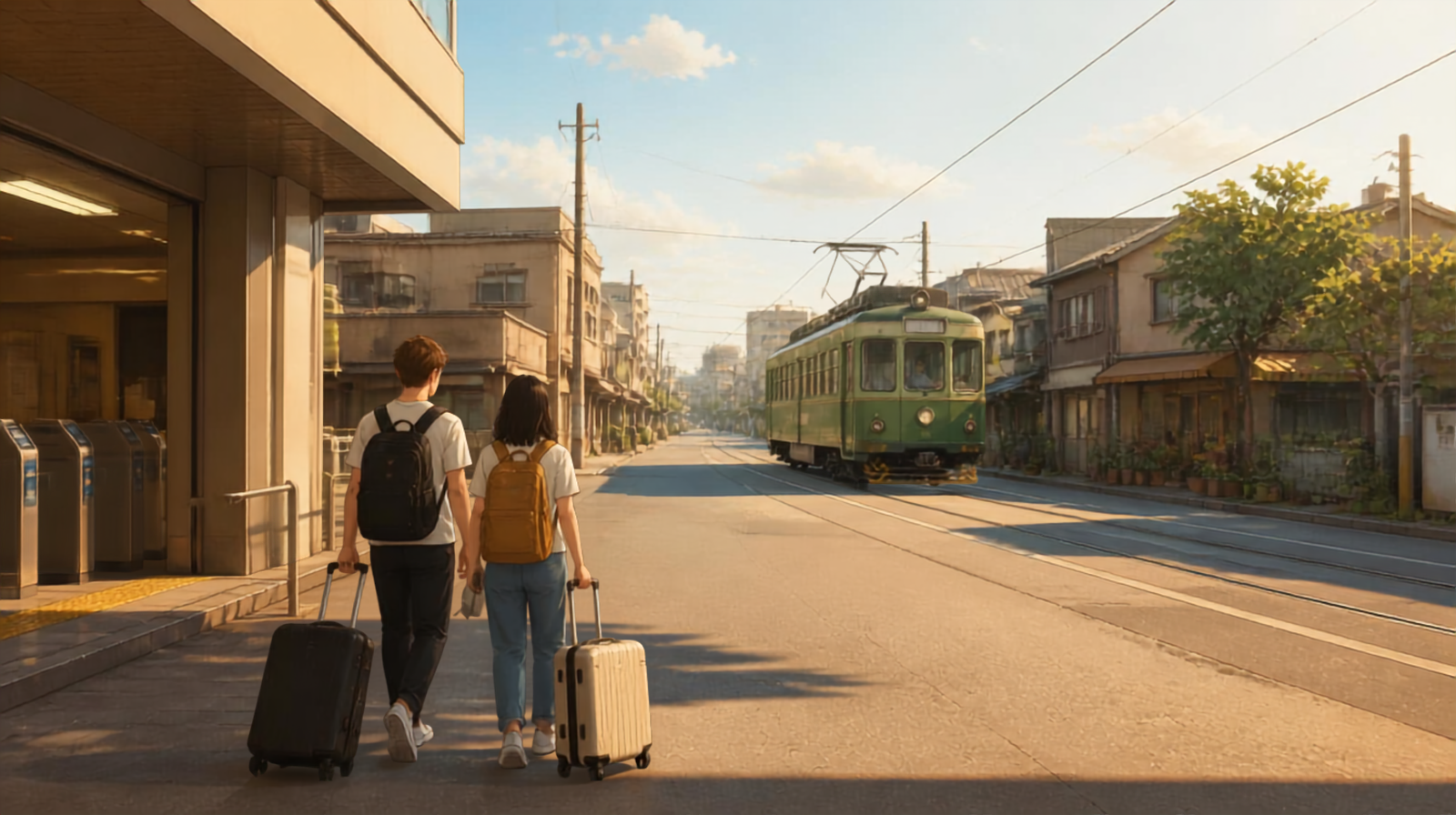
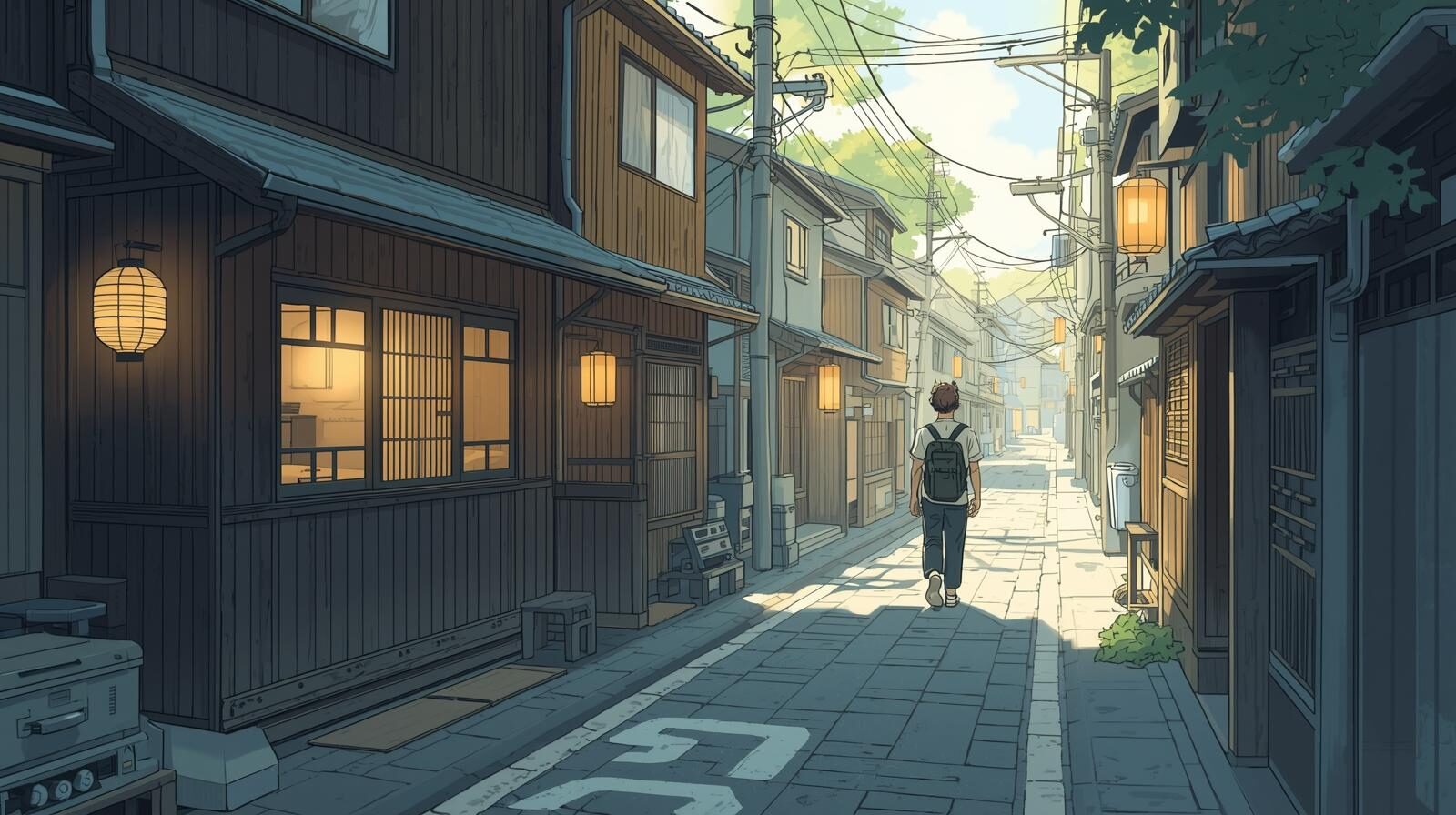
A Practical Starting Point for Your First Japan Trip
There is no single itinerary that suits every visitor, but the following starting point works well for many independent first trips. Change it when your dates, interests, mobility, luggage, or main reason for traveling point you in another direction.
| Decision | Practical starting point | Choose differently when… |
|---|---|---|
| Itinerary | Stay several nights in a small number of useful bases | A rural stay, event, family visit, or specific experience is the purpose of the trip |
| Accommodation | Choose a rail-connected neighborhood with food and everyday services nearby | The location itself matters more than citywide convenience |
| Local transportation | Use trains and subways with a 交通系ICカード / Kōtsū-kei IC kādo / Transit IC card where compatible | A bus, taxi, ferry, bicycle, or walking route solves a particular part of the journey better |
| Travel between cities or regions | Choose each journey separately; 新幹線 / Shinkansen / Bullet train services are often practical on major rail corridors | A domestic flight, highway bus, ferry, or rental car fits the distance and destination better |
| Payments | Carry a payment card, some Japanese yen, and an IC card | Your route includes places where cash is used more often or your card has high overseas fees |
| Mobile data | Arrange connectivity before departure; start with an eSIM if the phone supports it and is unlocked | A physical SIM, roaming plan, or shared Pocket Wi-Fi better fits the device or group |
| Daily pace | Plan the main purpose of the day and leave time between fixed plans | A theme park, event, reserved experience, or infrequent regional transport controls the schedule |
The best choice can change from one part of the trip to another. A rail-connected hotel may be useful for several city days, while a remote hot-spring stay may be worth a slower transfer because the stay itself is part of the experience.
Before You Travel to Japan
Before making important non-refundable bookings, confirm the entry requirements that apply to your nationality, passport, residence, travel purpose, and length of stay. Use the current information from the Ministry of Foreign Affairs of Japan rather than assuming that another traveler’s situation applies to you.
Visit Japan Web is the Japanese government’s online service for preparing immigration and customs information. It is not a visa and does not replace your entry eligibility. For most international visitors, completing the available procedures before departure is easier than entering the information after a long flight. The Visit Japan Web guide explains what to prepare and how the arrival process works.
Medicine, transit rules, driving documents, travel with children, and accessibility needs can require earlier checks. If any of these apply to you, resolve them before they influence a flight, accommodation, or rental-car booking. Also verify what overseas medical and emergency-assistance coverage you already have instead of assuming that a credit card or domestic health plan covers the trip.
When you are ready to move from the overview to actual bookings and preparations, use the guide below to work through the decisions in dependency order.

Choose When and Where to Go
Choose the Season Before the Route Becomes Fixed
Japan changes considerably through the year, and conditions can differ between regions at the same time. Weather, daylight, seasonal scenery, festivals, snow, heat, crowd patterns, and accommodation demand can all change how a trip feels.
If your dates are flexible, compare the four seasons before committing to a route. Best Time to Visit Japan: A Season-by-Season Guide helps you choose the season first, then leads to more detailed seasonal and month-by-month planning.
Choose Destinations by Experience and Travel Time
Do not begin with a list of famous attractions and then try to connect all of them. Start with the places where you want to spend several days, the experiences that matter most, and the amount of travel time you are comfortable adding.
A major city can provide an easy first base, but it does not have to define the entire trip. You might combine city neighborhoods with a smaller regional center, a rural stay, a hot-spring area, coastal scenery, or a part of Japan chosen for the season. The destination guides in Tabi Navi provide practical advice on trip length, areas, transportation, and where to stay.
When comparing places, count the journey between accommodation doors rather than only the fastest train or flight time. A destination that needs several transfers, limited local transport, or a long final bus ride may deserve more nights than a map first suggests.
Build a Realistic First-Time Itinerary
Japan’s transportation network makes it possible to cover a lot of distance, but an itinerary that is technically possible is not always enjoyable. Every change of accommodation also means packing, checking out, reaching the station or airport, handling luggage, and finding the next place to stay.
Choose a Small Number of Useful Bases
For most first trips, staying several nights in one base is easier than moving every day. It gives you time to understand the station, find places you like nearby, return for a rest, and spend part of the day without luggage.
東京 / Tōkyō / Tokyo, 京都 / Kyōto / Kyoto, and 大阪 / Ōsaka / Osaka can be combined, but you do not need to stay in all three simply because they are well known. Osaka can support day trips around 関西 / Kansai / the Kansai region, while staying in Kyoto gives you more time there before many day visitors arrive and after they leave. The better base depends on the days you actually want to have, not only the number of attractions within reach.
| Travel style | What it supports | What to watch |
|---|---|---|
| One or two main bases | Less packing and more time to understand each neighborhood | Some day trips may involve longer return journeys |
| Several city stays | More time in each place early and late in the day | More check-ins, luggage movement, and transfer time |
| Regional or rural travel | Closer access to smaller towns, landscapes, and local experiences | Less frequent transportation and fewer late-evening options |
Plan the Time Between Places
Do not plan only around the time spent at an attraction. Large stations, transfers, meals, luggage storage, hotel check-in, and walking from the station to the actual entrance all use part of the day.
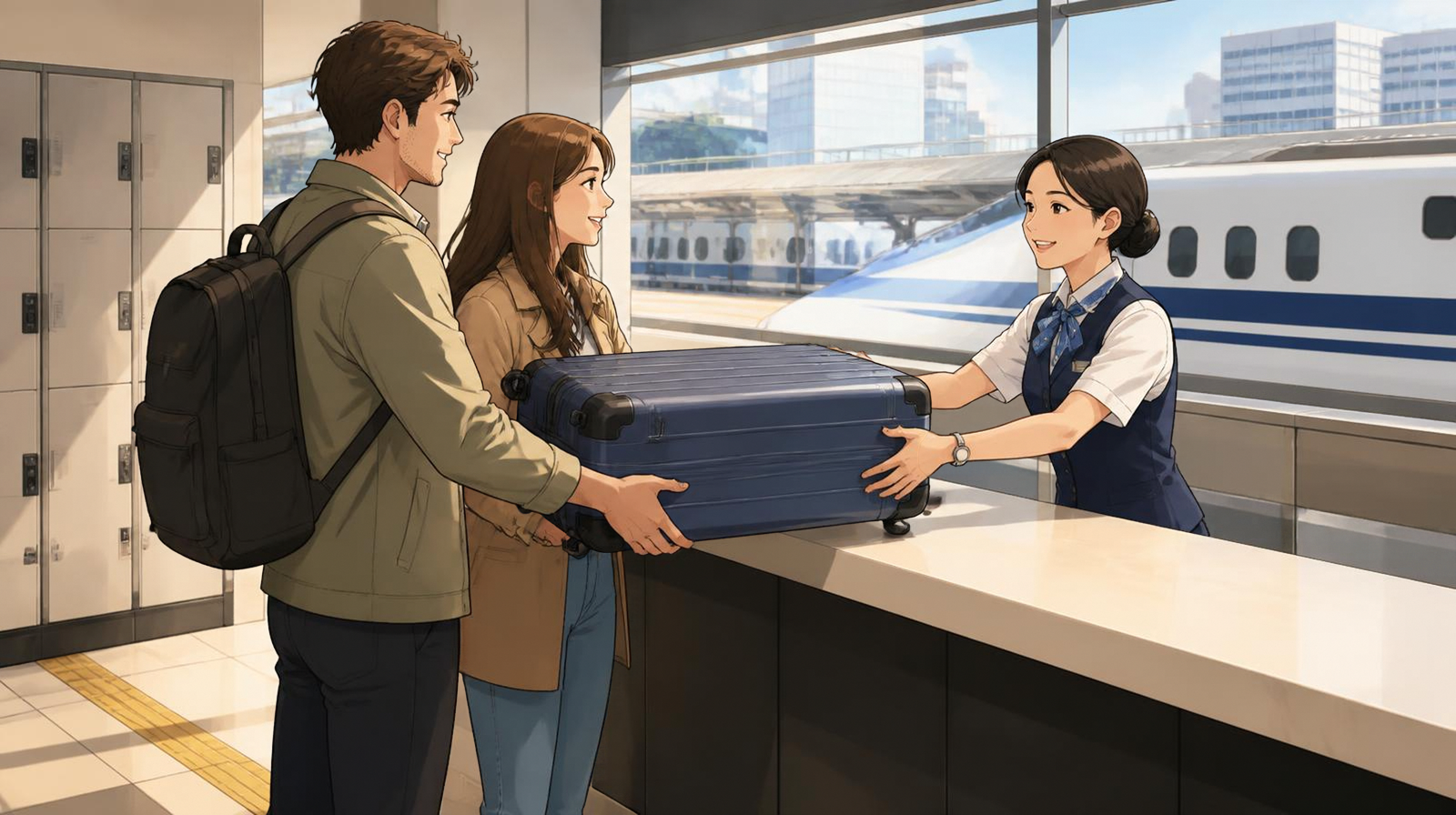
Luggage changes how easy a route feels. A transfer that looks simple on a map may involve stairs, crowded platforms, or several hours between checkout and the next check-in. Storage and luggage delivery can help, but their availability and timing should be confirmed before you build a tight schedule around them.
A less crowded itinerary also leaves room to change plans when the weather shifts, transportation is disrupted, you find somewhere worth staying longer, or you simply need a slower afternoon.
Where to Stay in Japan
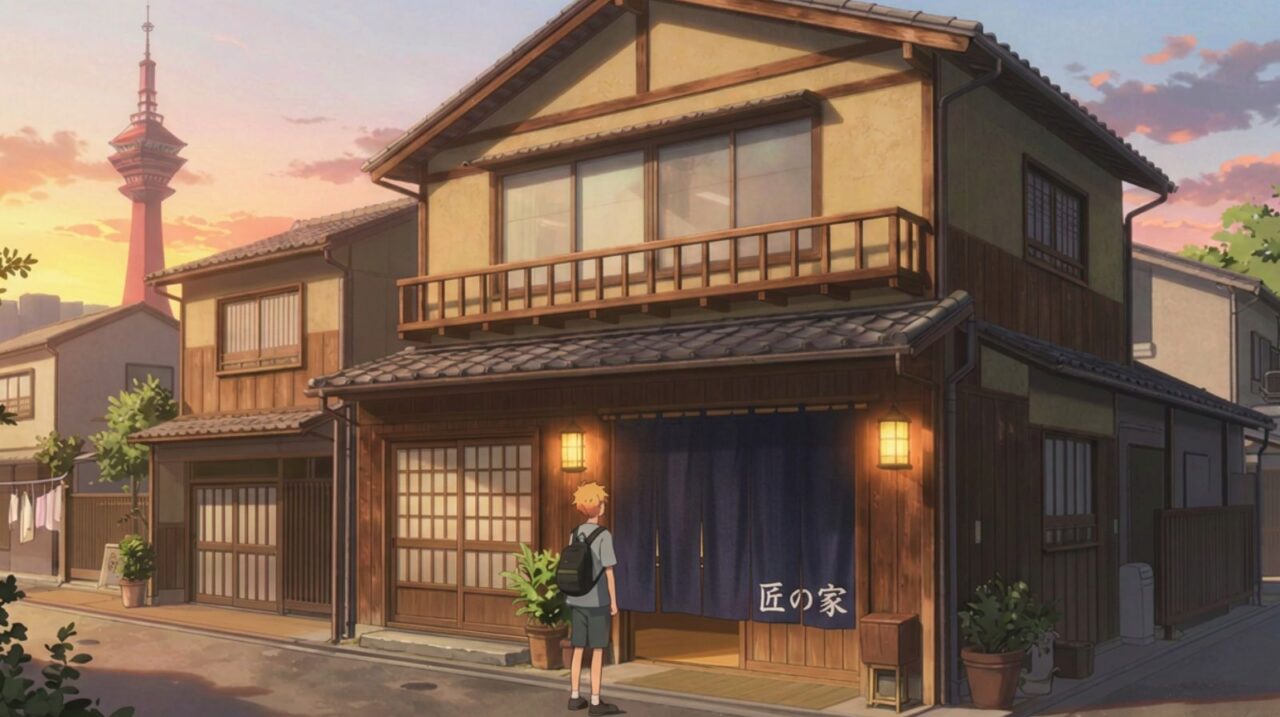
Where you stay affects more than the room itself. It changes how much you walk with luggage, how early you can start the day, whether you can return for a break, what the neighborhood feels like after dinner, and how easily you can reach the places you want to visit.
For many first-time visitors, a rail-connected neighborhood with places to eat, buy breakfast, and handle everyday needs is the most practical starting point. Choose differently when a particular view, quiet setting, theme park, family visit, rural experience, or traditional stay matters more than citywide convenience.
No accommodation type works best for every trip. A major-station hotel can simplify transfers and day trips. A 旅館 / Ryokan / Traditional Japanese inn may place more emphasis on meals, bathing, and the experience of the stay itself. A smaller property or vacation rental in a residential area may offer more independent space and put ordinary shops, cafés, parks, and local streets outside the door.
| If you prioritize… | Consider… | Check before booking |
|---|---|---|
| Fast transfers and day trips | A hotel near a useful station | Station size, airport access, and the walking route with luggage |
| Traditional lodging and service | A ryokan | Meal plans, bathing facilities, check-in times, transport, and room style |
| Neighborhood routines and independent space | A smaller stay or vacation rental | Check-in method, language support, luggage handling, and nearby services |
| A longer stay | An area with groceries, cafés, laundry, and practical transport | What the neighborhood is like in the morning and after you return at night |
Think about the area as carefully as the property. A central neighborhood can still feel calm, while a famous entertainment district may be convenient but busy late into the evening.
For Osaka, Where to Stay in Osaka: Best Areas for First-Time Visitors compares eight areas by transport, atmosphere, local life, and the type of trip each area supports.
You can also browse places to stay when you are ready to compare accommodation options.
Getting Around Japan
Most first-time visitors use a mixture of local trains, subways, Shinkansen, buses, and occasional taxis. You do not need one transportation strategy for the entire trip. Choose the method that fits each part of the journey.
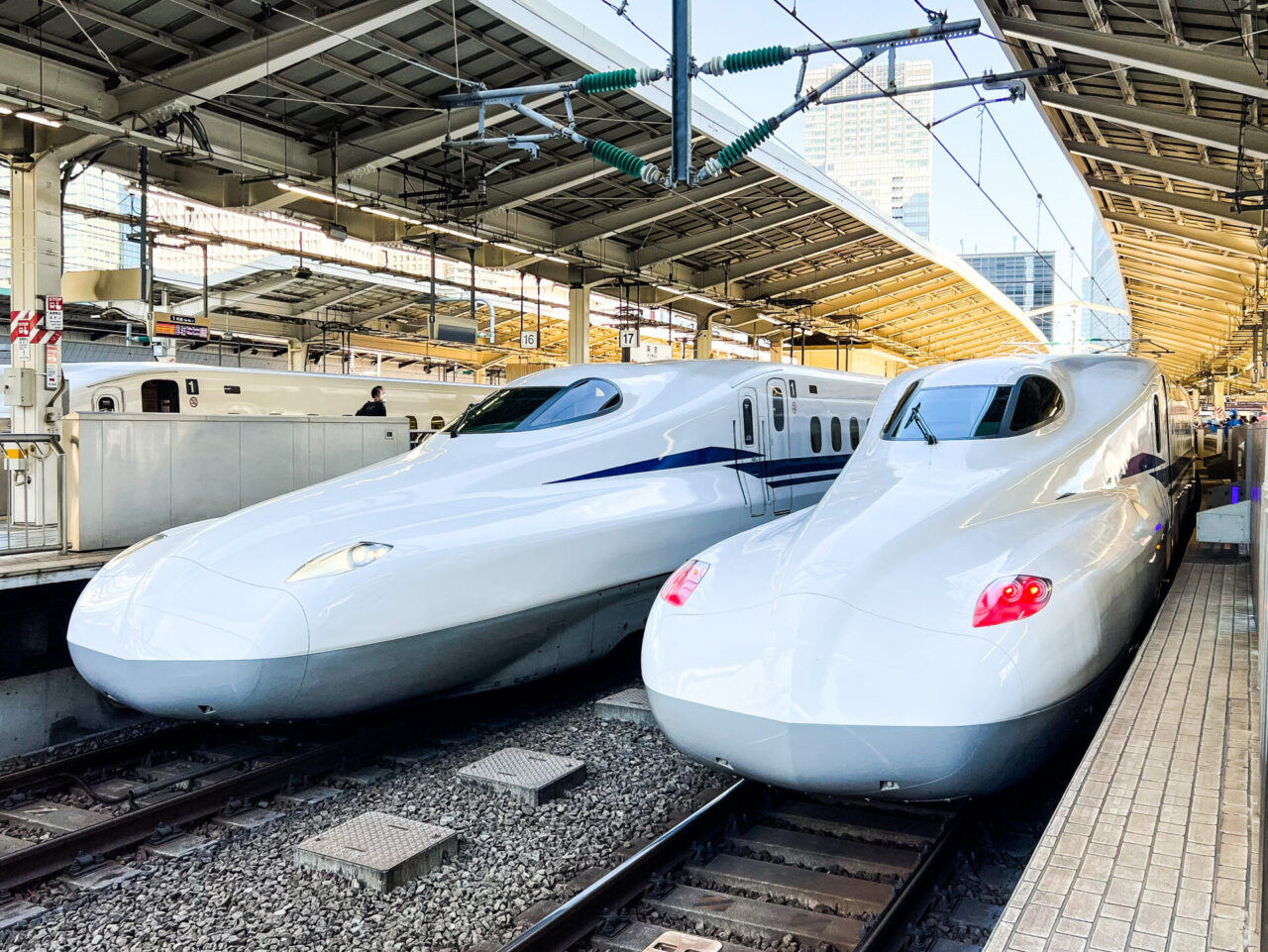
For city travel, begin with trains and subways. For many journeys between major cities, the Shinkansen is a practical default. Use buses, taxis, domestic flights, ferries, or a rental car when they solve the route more effectively. Getting Around Japan: Which Transportation Should You Use? compares these options before leading to the detailed ticket and how-to guides.
Local Trains, Subways, and IC Cards
Local trains and subways handle much of the everyday travel in Japan’s larger cities. Stations can be large, but the basic process becomes easier once you know how to read the route, find the correct platform, transfer, and choose the right exit.
A transit IC card is usually the simplest way to pay for compatible local transport. Cards such as Suica, PASMO, and ICOCA can be tapped at many railway gates and on many buses, but they are not universal tickets for every train in Japan.
Shinkansen and Long-Distance Travel
Shinkansen services make many journeys between major cities fast and practical, but their tickets and reservations differ from most local train travel.
If you know the train and departure time you want, booking can reduce uncertainty. The amount of advance planning you need depends on the route, date, seat type, group size, luggage, and how busy the travel period is.
The nationwide Japan Rail Pass is not automatically the best choice for a first trip. Compare the current pass price and restrictions with the eligible journeys you will actually take. The Japan Rail Pass guide explains when a pass is useful and when individual tickets are the simpler choice.
Buses, Taxis, and Airport Transfers
Local buses are important in many regional areas and some city neighborhoods. Taxis make sense when luggage, weather, mobility, late-night travel, or a difficult final transfer makes door-to-door transportation worth the extra cost.
Plan an airport transfer to the accommodation door, not only to the nearest major station. Start with a direct train or airport bus that gets you close with the least friction, then add a short taxi when the final transfer or walk makes it worthwhile. Arrival time, luggage, mobility, and the number of travelers can change the easiest route.
Money, Mobile Data, and Everyday Essentials
Carry More Than One Way to Pay
For many first-time visitors, a practical setup is a credit or debit card for larger purchases, an IC card for compatible local transport and small payments, and some Japanese yen as a backup. How much you rely on each method depends on your route and the places you use.
| Payment method | Most useful for | What to remember |
|---|---|---|
| Credit or debit card | Hotels, larger purchases, and many restaurants, shops, and attractions | Acceptance and overseas fees vary, so keep a backup |
| IC card | Compatible local transportation and some everyday purchases | It does not replace a bank card or cash everywhere |
| Japanese yen in cash | Some small businesses, markets, temples, rural services, machines, and backup | Carry an amount that fits the itinerary rather than relying on one fixed rule |
Cash or Credit Cards in Japan? How to Pay During Your Trip explains how cards, cash, ATMs, and IC cards fit together.
Tax-free shopping is separate from the way you pay. Japan’s procedure changes on November 1, 2026, so travelers making eligible purchases around or after that date should check which system applies. Tax-Free Shopping in Japan: Rules, Purchases & Refunds explains the current and new procedures.
Arrange Mobile Data Before Arrival
Reliable mobile data is useful soon after landing for maps, train routes, translation, taxi apps, reservations, and messages from your accommodation. For most visitors with an unlocked, eSIM-compatible phone, arranging an eSIM before departure is the simplest starting point.
A physical SIM can suit an unlocked phone without eSIM support. Roaming may be simpler for a short stay when the home carrier’s cost is acceptable. Pocket Wi-Fi can work for a group sharing several devices, but someone must carry, charge, collect, and return it. How to Stay Connected in Japan: eSIM, SIM Card, Roaming or Pocket Wi-Fi helps you choose according to the phone, trip length, and group.
Before departure, save the first accommodation address, booking details, essential tickets, and arrival route somewhere you can access without mobile reception. Offline maps and translation data are also useful backups.
Food and Dining in Japan
Food can show you how one Japanese city or neighborhood differs from another, but every meal does not need to revolve around a famous restaurant. A first trip can mix destination dining with casual restaurants, station food halls, neighborhood cafés, bakeries, supermarkets, and convenience stores.
Some restaurants accept walk-ins, while others require or strongly favor reservations. If a particular restaurant matters to the trip, check its current booking method, opening days, seating rules, and cancellation policy instead of assuming you can arrive without planning.
Plan Ahead for Dietary Restrictions
If you have allergies, religious dietary requirements, or other restrictions, prepare before the meal. Ingredient information and English-language explanations vary, and a dish that looks simple may contain stock, sauces, garnishes, or cooking ingredients that are not obvious from the menu.
Keep a short Japanese explanation of your restriction on your phone and confirm what the restaurant can accommodate. For a serious food allergy, make the risk clear before ordering and choose places where staff can confirm the ingredients and preparation.
Use the Neighborhood Around Your Stay
Breakfast and everyday meals are also part of choosing where to stay. A bakery that opens early, a supermarket with prepared food, a small restaurant you can return to, or a café near the accommodation can make a neighborhood more useful over several days.
Tipping is generally not expected in Japanese restaurants. Pay the amount shown, follow any ordering or seating instructions, and remember that payment may be made at the table, at a counter, or at a register near the entrance depending on the restaurant.
Language and Communication
Japanese fluency is not necessary for independent travel, but English support varies by place. Major stations, airports, hotels, and well-visited attractions often provide useful English information. Smaller restaurants, local buses, regional stations, and neighborhood businesses may require more patience.
Keep destinations in Japanese on your phone, save accommodation addresses, and use a translation app for short questions. If a place is difficult to explain, show the map pin or reservation screen instead of trying to describe it only in English. A station name such as 新大阪駅 / Shin-Ōsaka-eki / Shin-Osaka Station is useful to keep in all three forms.
Our guide to traveling in Japan without Japanese fluency explains what to expect on transportation, in restaurants, and outside major visitor areas.
Japanese Etiquette and Everyday Culture
You do not need to memorize a long list of rules before visiting Japan. A few habits cover many of the situations first-time visitors encounter.
- Remove your shoes when a home, accommodation, restaurant, or other space clearly requires it.
- Keep phone calls and loud conversations to a minimum on trains and other shared transportation.
- Follow queues and marked waiting positions at stations, shops, and attractions.
- Do not assume that eating, drinking, photography, or smoking is acceptable everywhere; follow local signs.
- Carry small items of trash until you find an appropriate bin rather than leaving them behind.
- Check the bathing process before entering a shared bath for the first time.
Japanese Etiquette Every Visitor Should Know explains the everyday situations most likely to affect other people or your ability to use a space comfortably.
If you plan to use a shared bath, two terms you may see are 温泉 / Onsen / Hot spring and 銭湯 / Sentō / Public bath. Read Onsen & Sento Etiquette in Japan: A First-Time Visitor Guide before you go. The basic bathing sequence is easy to follow once you know it, while tattoo, child, sauna, and private-bath policies depend on the facility.
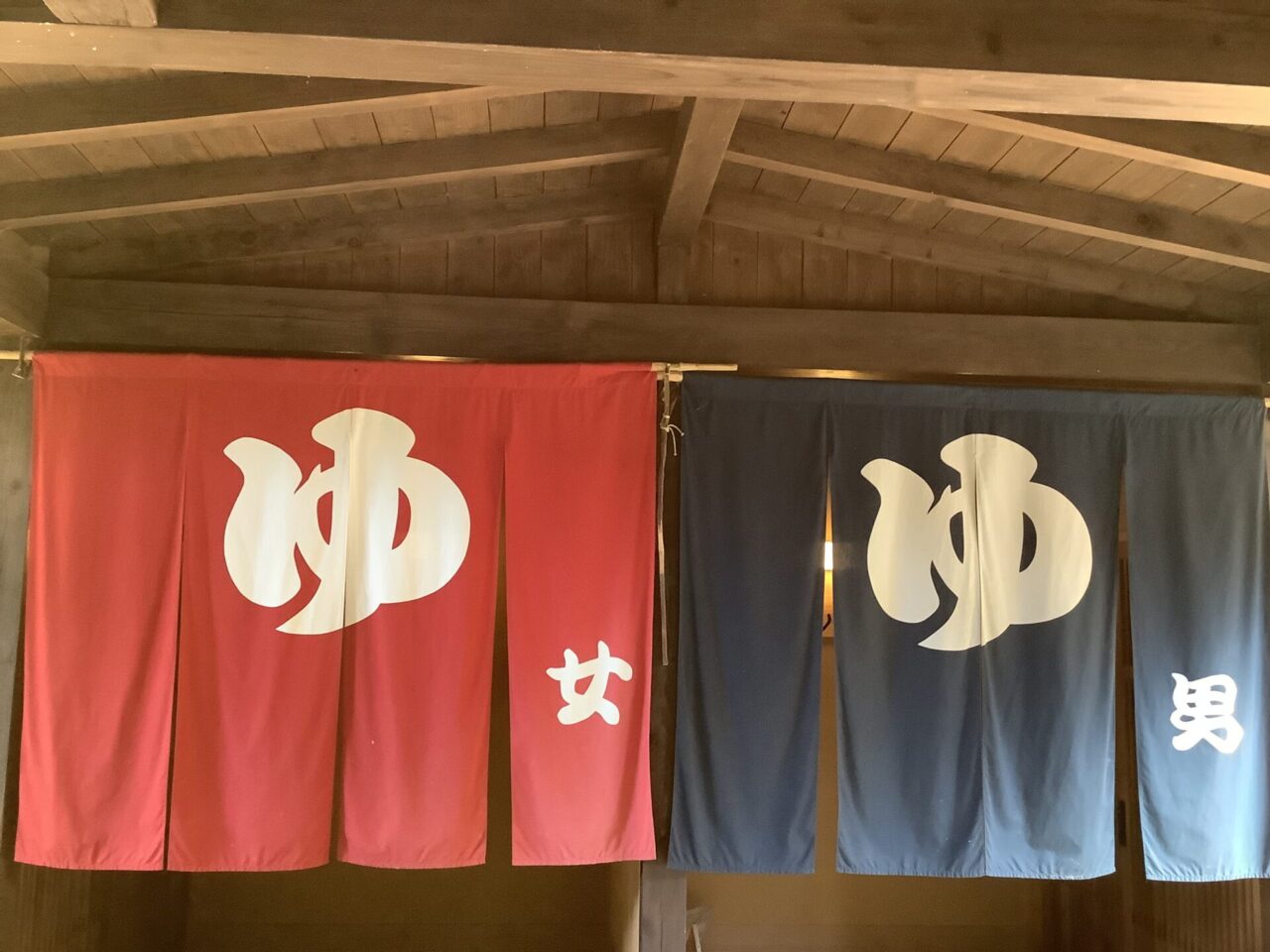
When you are unsure at a train platform, restaurant entrance, neighborhood bath, shopping street, or local festival, pause and look for signs, staff instructions, and the cues provided by the space around you.
Safety and Natural Disasters
Japan is generally a low-crime destination, but ordinary travel precautions still matter. Keep track of valuables, use well-lit routes when returning late, and know how to contact your accommodation if you have a problem.
Natural hazards require a different kind of preparation. Earthquakes, typhoons, heavy rain, tsunamis, volcanic activity, and heavy snow can affect different parts of Japan. Most visitors will not face a serious emergency, but knowing where to find official information helps if conditions change.
For everyday safety questions, read Is Japan Safe for Foreign Travelers? Crime, Disasters & Emergencies. For earthquakes, typhoons, emergency alerts, evacuation, and other natural hazards, use Natural Disasters in Japan: Earthquakes, Typhoons & What to Do.
For current weather warnings, earthquake information, tsunami information, and volcanic warnings, check the Japan Meteorological Agency.
Make Room for Everyday Japan
Your first trip will probably include famous places, and there is no reason to avoid them. Tokyo’s skyline, Kyoto’s temples, Osaka’s food districts, and 富士山 / Fujisan / Mount Fuji are part of why people travel to Japan.
Leave some time that is not attached to a major attraction.
- Walk through the neighborhood around your accommodation in the morning.
- Buy breakfast from a bakery or café you noticed the day before.
- Visit a shopping street used for everyday errands as well as dining.
- Browse a supermarket and see what people buy for ordinary meals.
- Spend an hour in a neighborhood park instead of adding another attraction.
- Try a sento after dinner if you are comfortable with the bathing rules.
- If your dates coincide with a local festival, understand the customs and transport before joining.
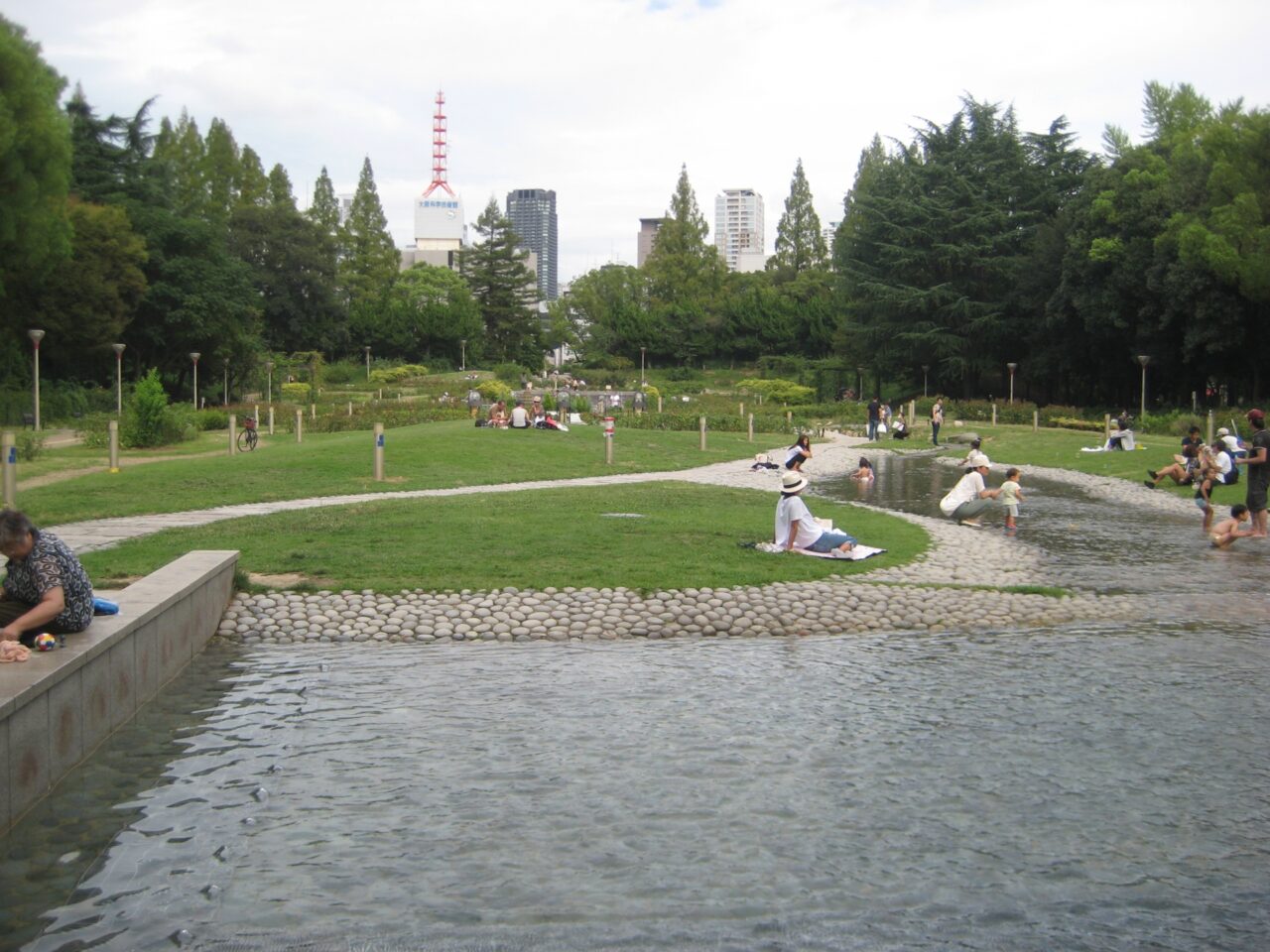
These are small parts of a trip, but they show you how a place works outside its sightseeing highlights. A neighborhood changes between the morning commute, the middle of the day, and the evening, and staying nearby lets you notice those differences.
A short guided walk or a hands-on workshop can add context to what you discover on your own. Our guide to choosing and booking local experiences explains when a guide or host adds value and how to find an activity that fits your stay.
You do not need to search for a hidden or supposedly “real” Japan. Start with the area where you are already staying and pay attention to what happens there.
A thoughtful first trip does not need to cover everything. Choose a manageable route, stay somewhere that supports the days you want to have, learn the systems that make travel easier, and leave enough space to notice the places between the headline attractions.
Last verified: September 12, 2026 (JST). Entry procedures, transportation systems, tax-free shopping rules, and other travel services can change. Recheck the relevant specialist guide or responsible official source before travel.
Frequently Asked Questions
- Where should I start when planning my first trip to Japan?
-
Start with your possible dates, trip length, companions, priorities, and comfortable pace. Then choose the season and a small number of bases before booking flights, accommodation, rail passes, or transport reservations that could restrict the rest of the route.
- How many cities should I visit on my first trip to Japan?
-
There is no ideal number. Compare the time spent exploring each base with the time spent packing, checking out, moving luggage, and finding the next accommodation. If the itinerary requires a hotel change almost every day, removing one stop will often make the overall trip easier.
- Do I need a Japan Rail Pass?
-
Not automatically. The nationwide Japan Rail Pass is most relevant when the itinerary includes enough eligible long-distance JR travel within the pass period. Compare its current price and restrictions with the individual fares for the journeys you will actually take.
- Should I carry cash in Japan?
-
Yes. Cards are widely useful, but cash is still needed or preferred in some small businesses, markets, temples, local services, machines, and regional destinations. Carry a payment card, some Japanese yen, and an IC card for compatible transportation and small purchases.
- Do I need to speak Japanese to travel in Japan?
-
No. Japanese fluency is not required for a typical first trip, but English support varies by place. Keep destinations and accommodation addresses on your phone, use maps and translation tools, and learn a few simple phrases for situations where signs or staff support are limited.
- Is Visit Japan Web mandatory?
-
No, not as a blanket requirement for every traveler. Visit Japan Web is the official online service for preparing immigration and customs information, and Japan Customs recommends electronic customs declarations through it. The service is not a visa and does not replace the entry requirements that apply to your nationality.
- Is Japan safe for travelers?
-
Japan is generally a low-crime destination, but normal travel precautions still apply. Natural hazards are a separate consideration, so know where to find current official warnings and follow local instructions if conditions change.
- What is the best time to visit Japan?
-
There is no single best season for every traveler. Choose according to the regions you want to visit, the weather you prefer, and whether flowers, festivals, autumn color, snow, skiing, or comfortable walking conditions matter most.