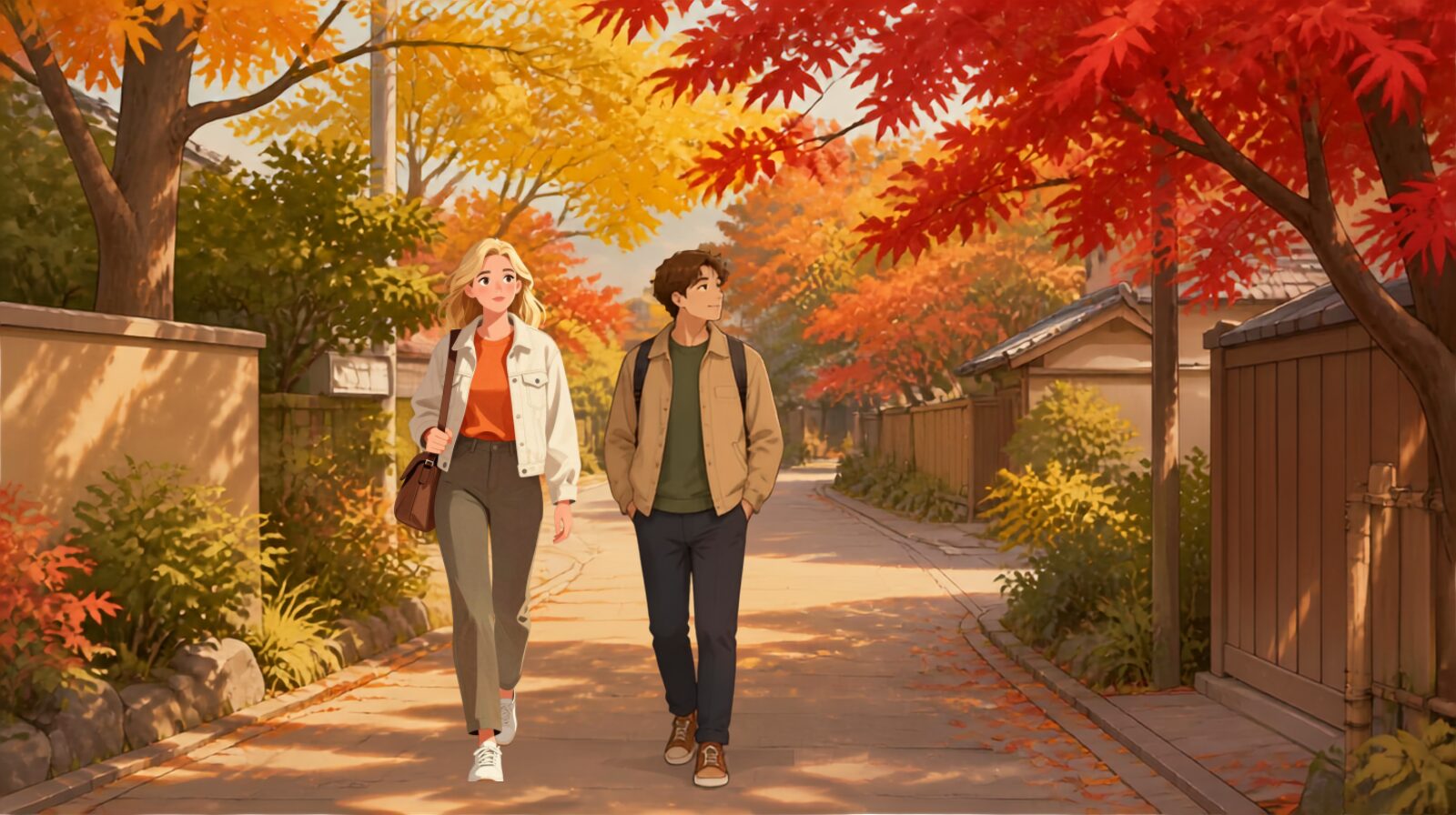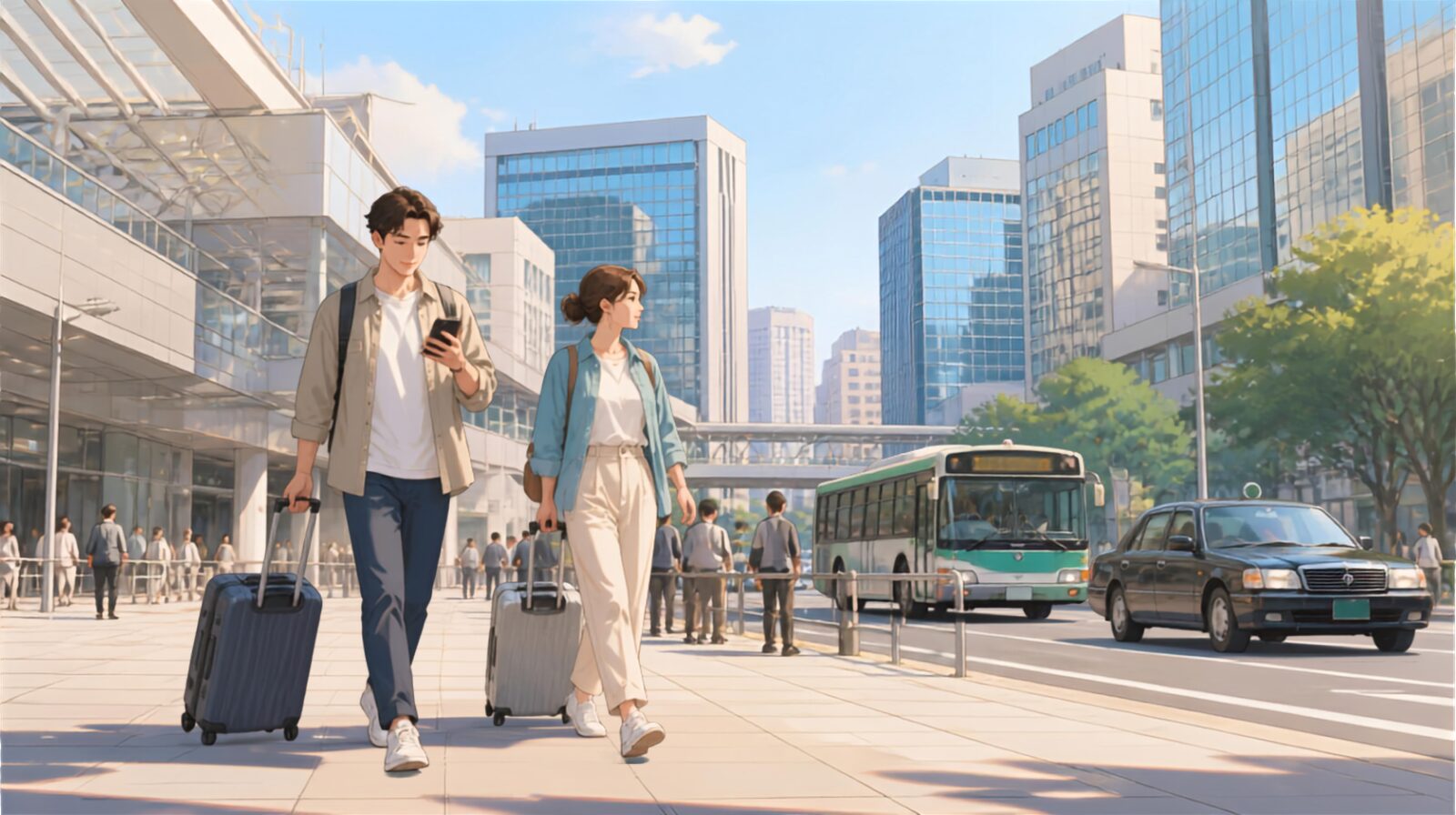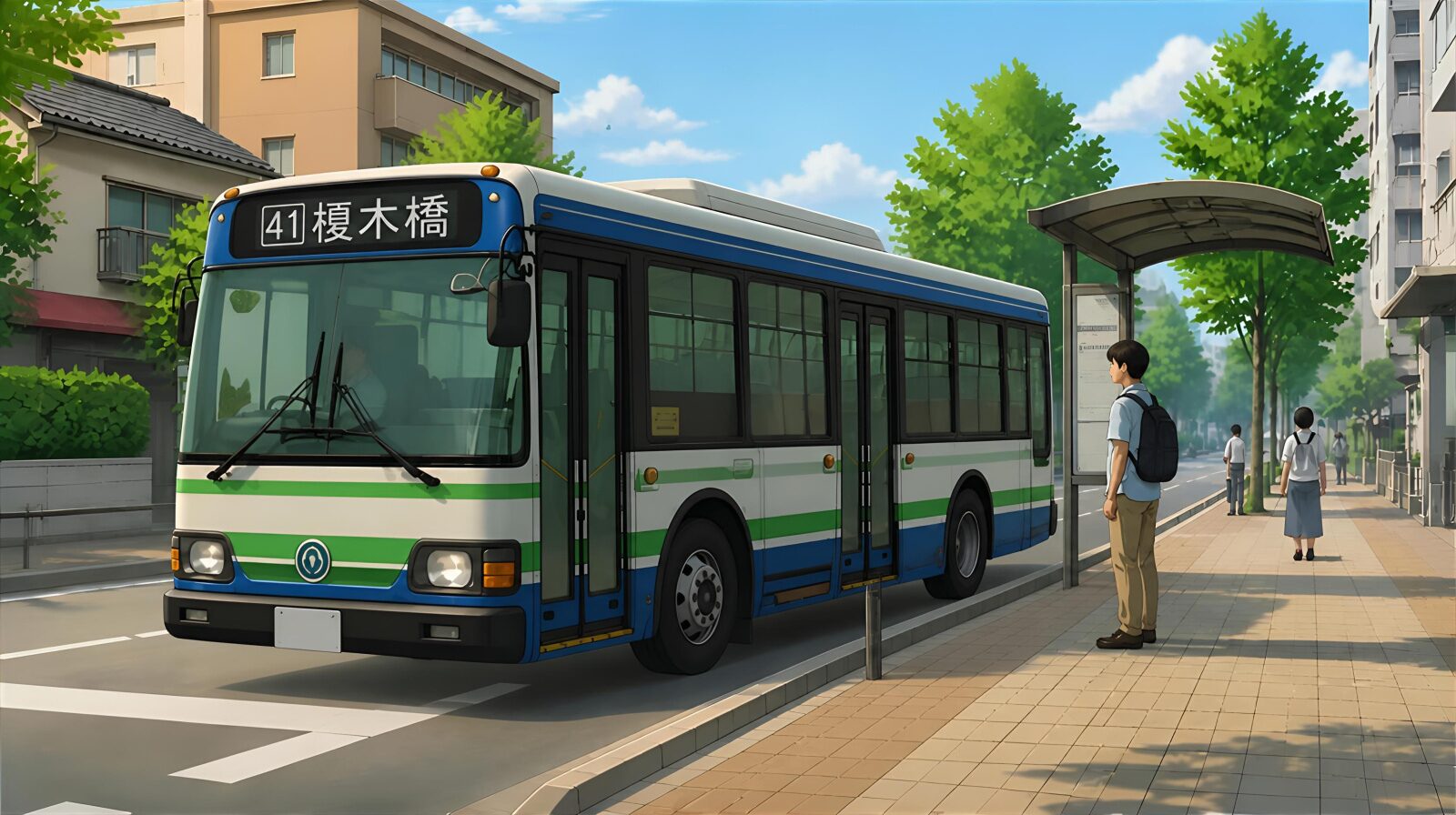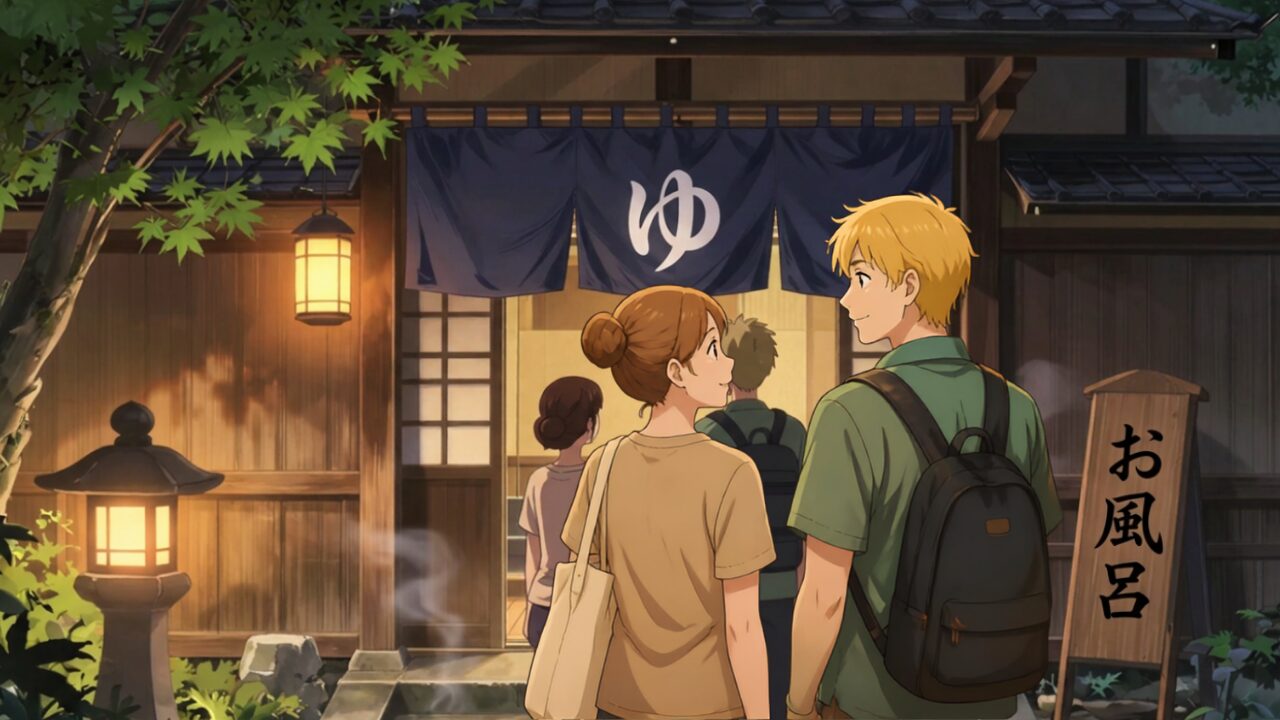
Japan Is Different, But Easier Than You Expect
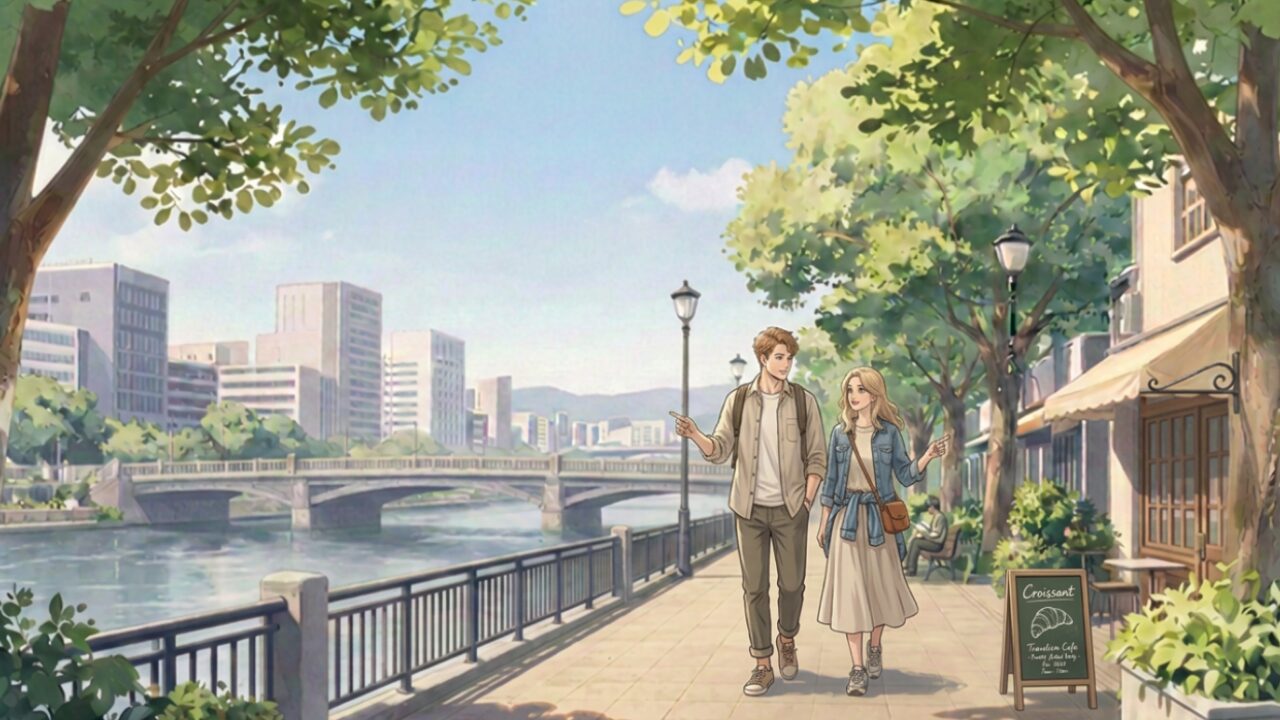
Many first-time visitors arrive in Japan expecting a major culture shock.
In reality, Japan often feels much easier to travel than people imagine.
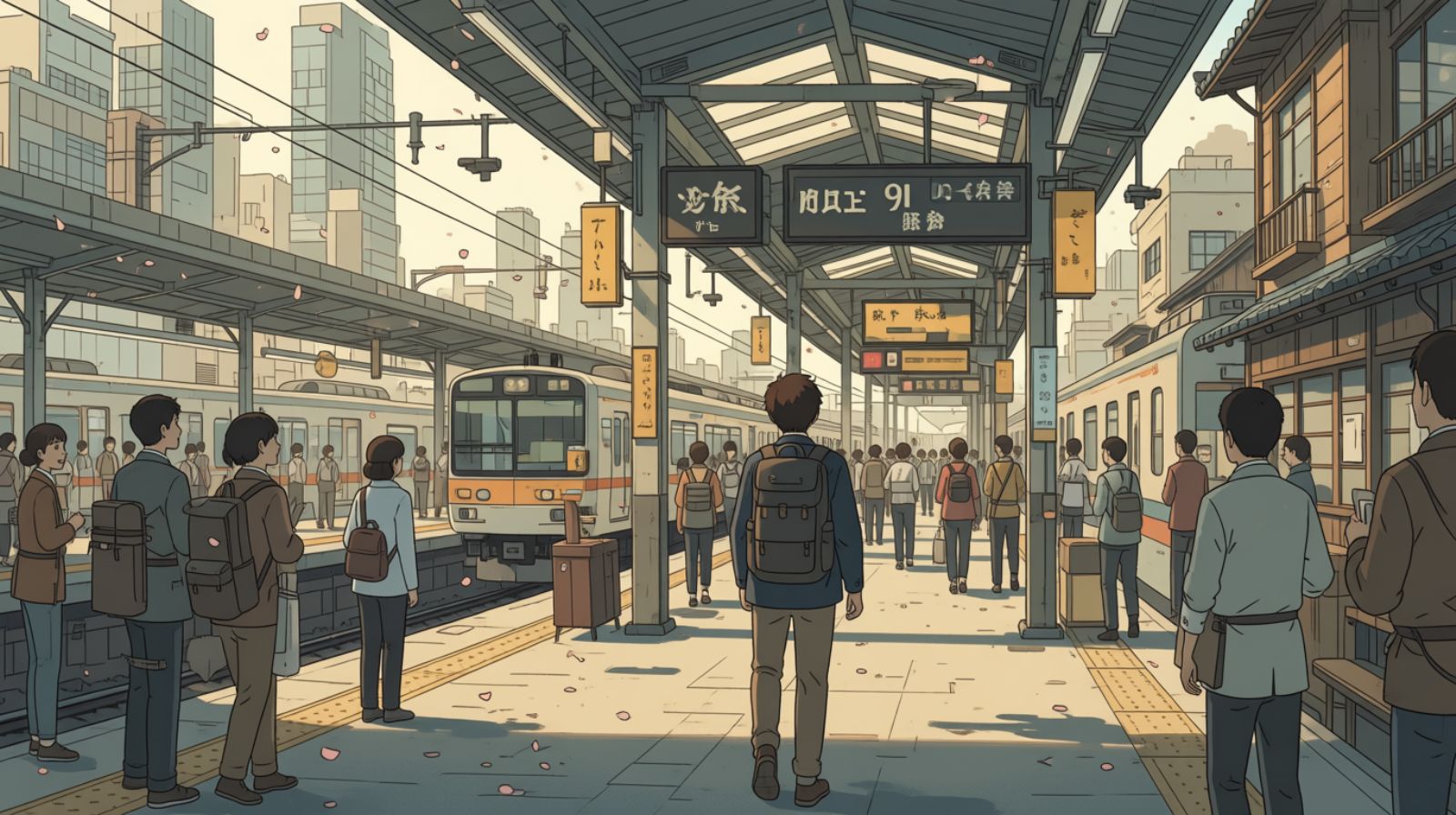
Public transportation is reliable, cities are well organized, and many tourist destinations provide English signs and information.
→ How to Use Trains and Subways in Japan
→ How to Use IC Cards in Japan: Suica, PASMO, ICOCA & Mobile IC Cards
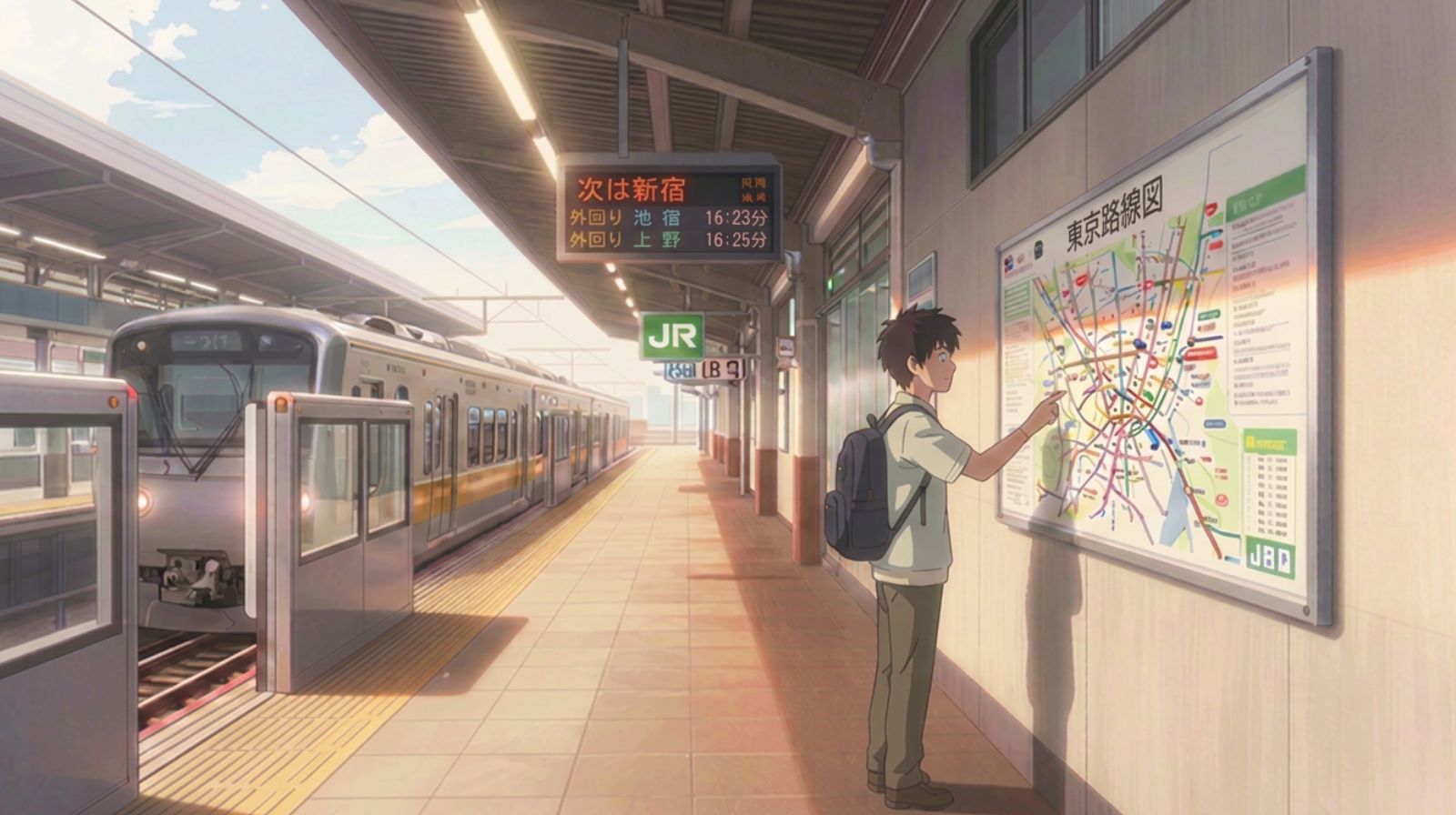
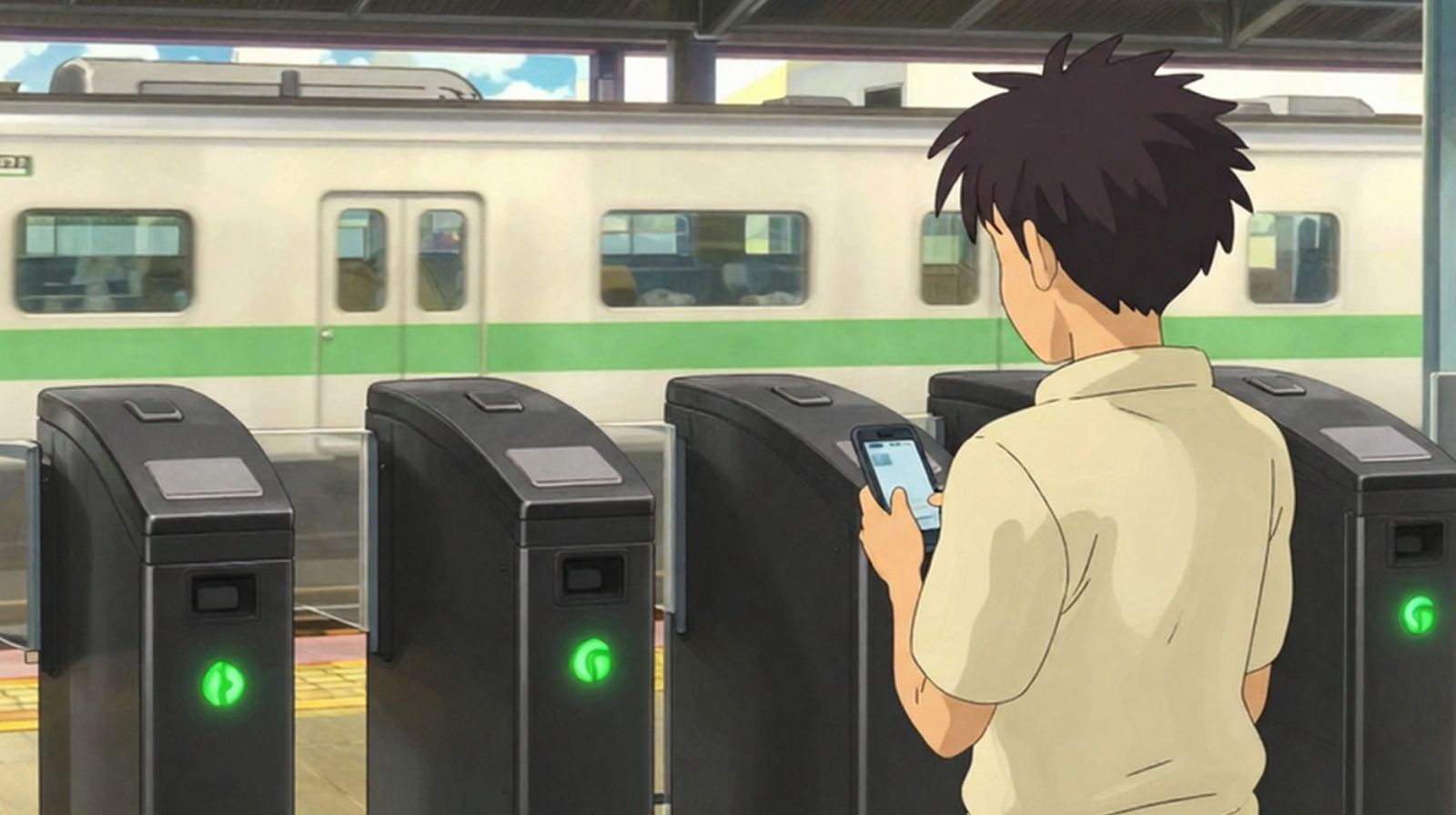
Even if you do not speak Japanese, it is usually possible to navigate train stations, order food, and explore popular attractions without major difficulties.
If you’re wondering how easy communication really is, read:
→ How Much English Is Spoken in Japan?
Modern technology also helps.
Before you arrive in Japan, one of the most useful things you can do is complete your Visit Japan Web registration.
Visit Japan Web allows you to complete immigration and customs procedures before your flight, making your arrival much smoother.
Read our complete guide:
→ Visit Japan Web: Complete Guide for First-Time Visitors
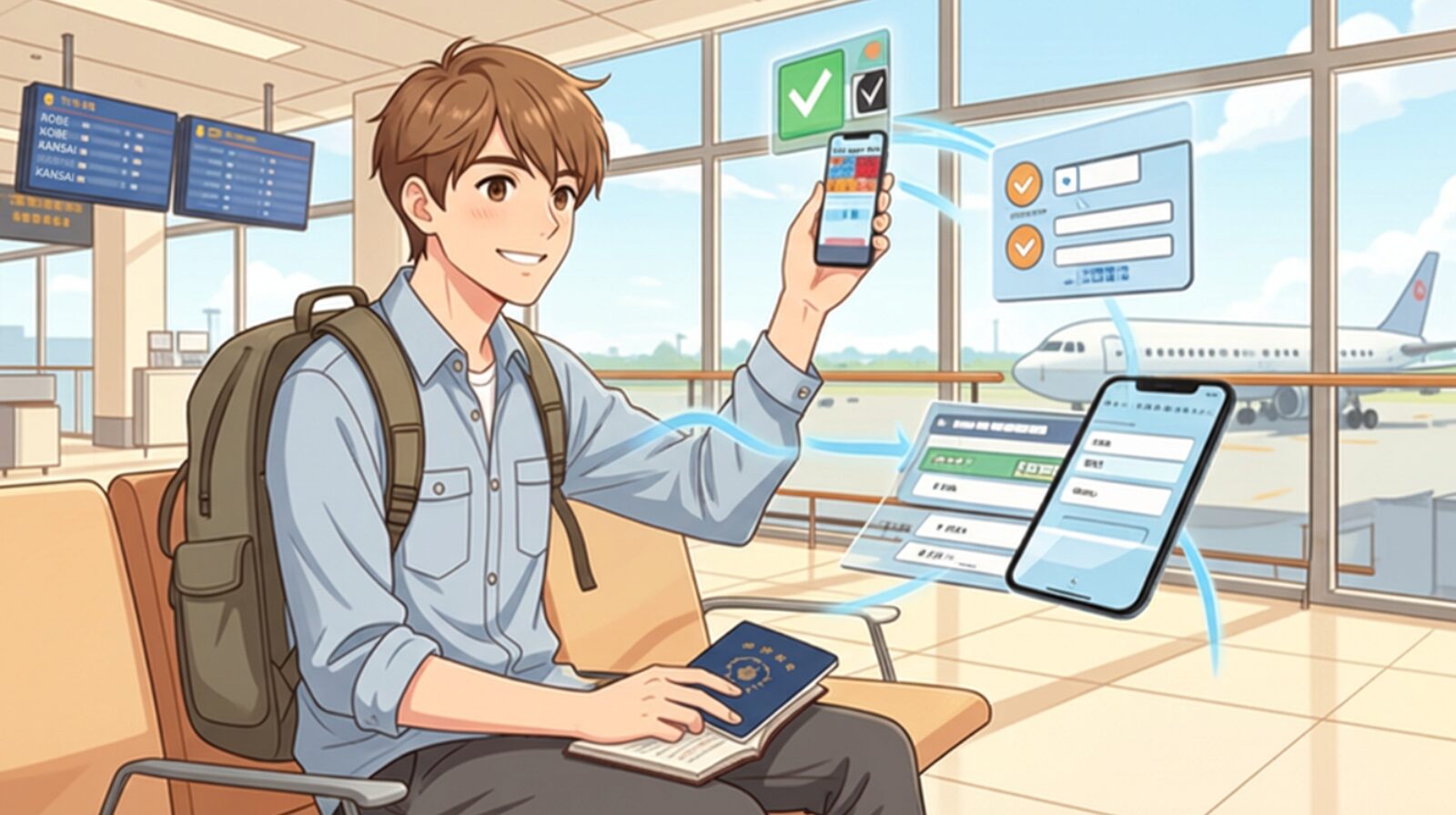
Translation apps, digital maps, and online booking services make traveling around Japan more accessible than ever before.
While certain aspects of daily life may feel unfamiliar, most visitors quickly gain confidence after a few days.
The challenge is rarely whether you can travel in Japan.
The challenge is deciding how much of Japan you want to experience.
Things That Surprise First-Time Visitors
Every country has its own unique characteristics, and Japan is no exception.
Many visitors discover that some of the most memorable parts of their trip are the things they never expected.
Cleanliness and Respect for Public Spaces
One of the first things travelers notice is how clean Japan feels.
Streets, train stations, and public facilities are generally well maintained.
Interestingly, public trash bins can be surprisingly difficult to find.
Many people carry their trash with them until they reach home or find an appropriate disposal location.
This shared sense of responsibility contributes to the overall cleanliness visitors often admire.
Safety and Peace of Mind
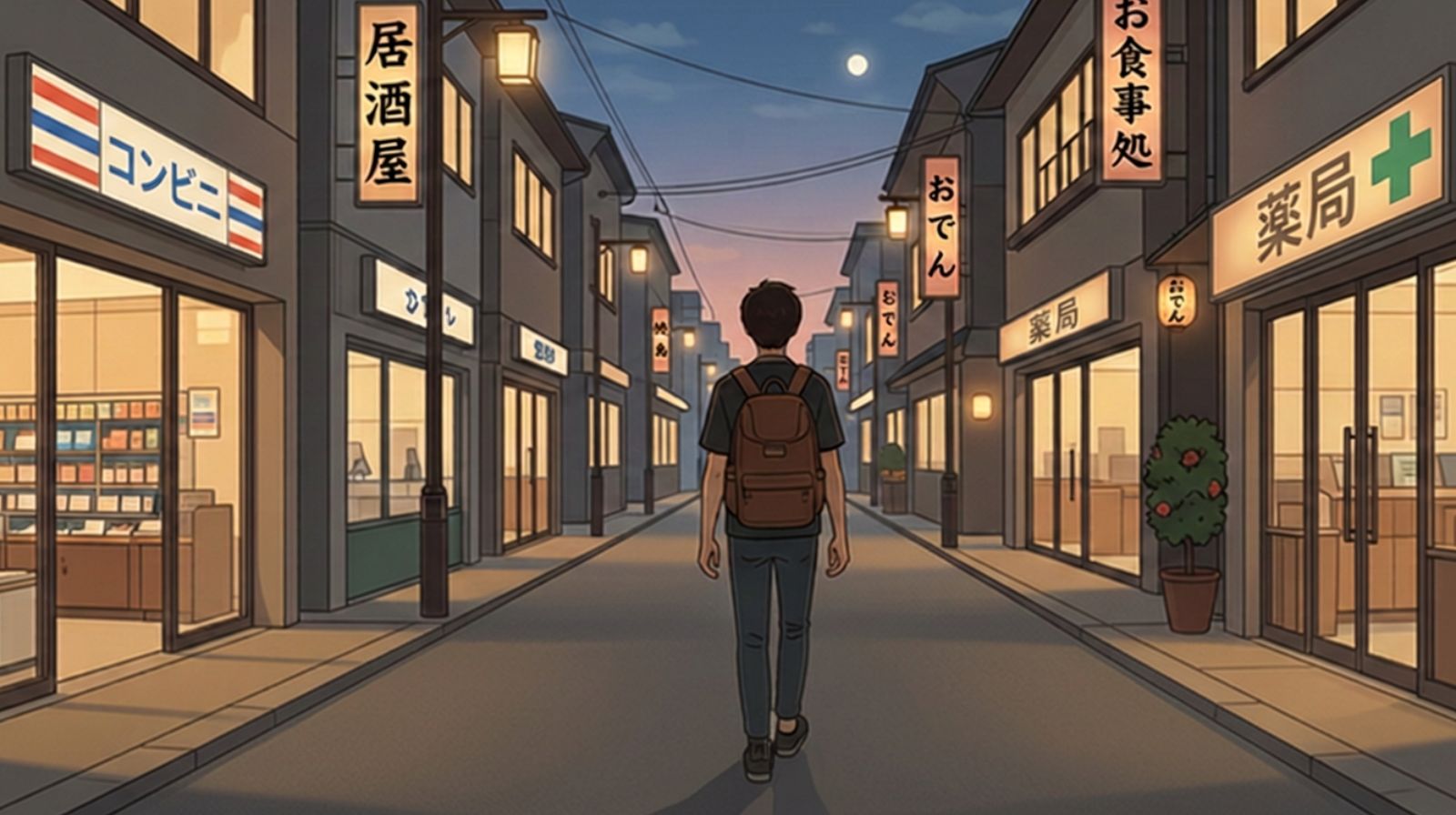
Japan is widely known for its safety, and many travelers feel comfortable walking around cities at night and using public transportation throughout the day.
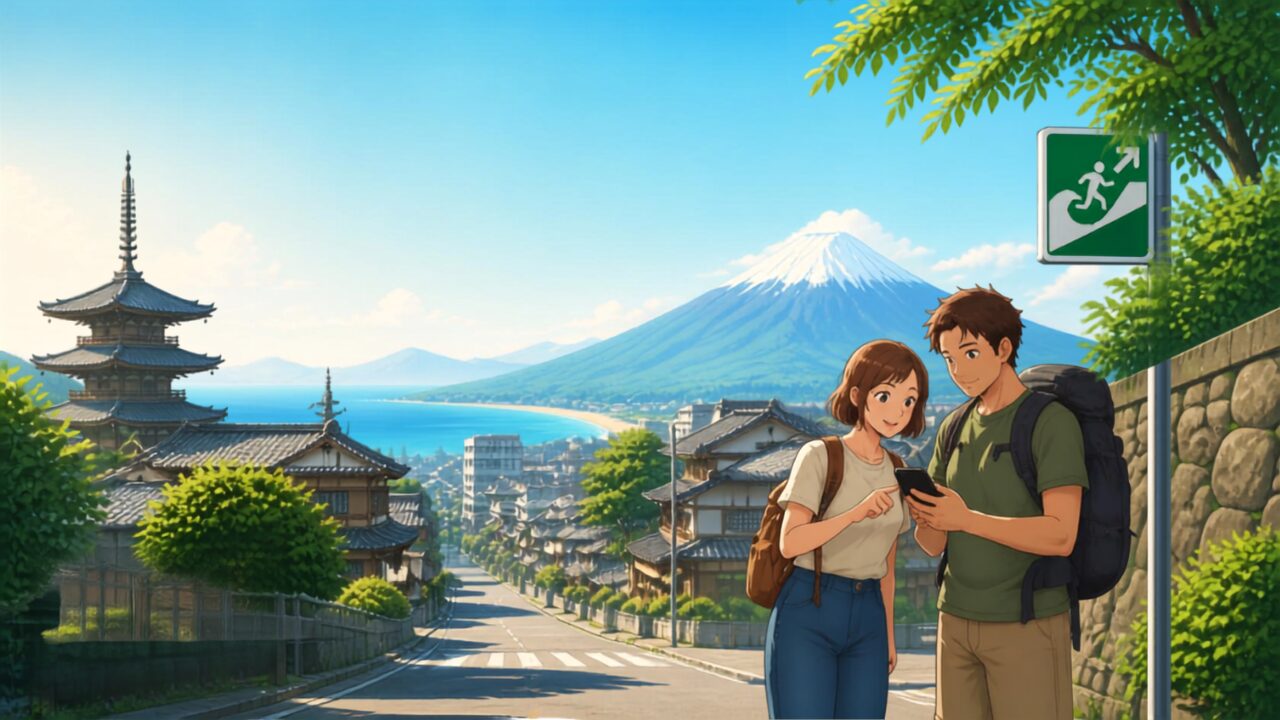
While normal travel precautions are still important, visitors should also understand how Japan prepares for earthquakes, typhoons, tsunamis, and other natural hazards.
For advice on crime, nightlife, solo travel, and everyday precautions, read:
→ Is Japan Safe for Foreign Travelers?
For practical guidance on earthquakes, typhoons, emergency alerts, and what to do if a natural disaster affects your trip, read:
→ Natural Disasters in Japan: What Every Traveler Should Know
While common travel precautions are always important, the overall sense of security allows visitors to explore with confidence.
Convenience Stores Are Everywhere
For many visitors, Japanese convenience stores become an unexpected highlight.
They offer much more than snacks and drinks.
Fresh meals, coffee, desserts, ATMs, ticket services, and daily necessities are all available in one place.
It is not uncommon for travelers to stop by several times a day.
Trains That Actually Run on Time
Japan’s railway system has earned a global reputation for reliability.
Whether you are taking a local train or the Shinkansen, punctuality is often remarkable.
For travelers, this makes planning much easier and reduces much of the uncertainty that can accompany transportation in unfamiliar destinations.
What Can Be Challenging
Although Japan is generally easy to travel, there are still a few areas that can feel intimidating for first-time visitors.
Large Train Stations
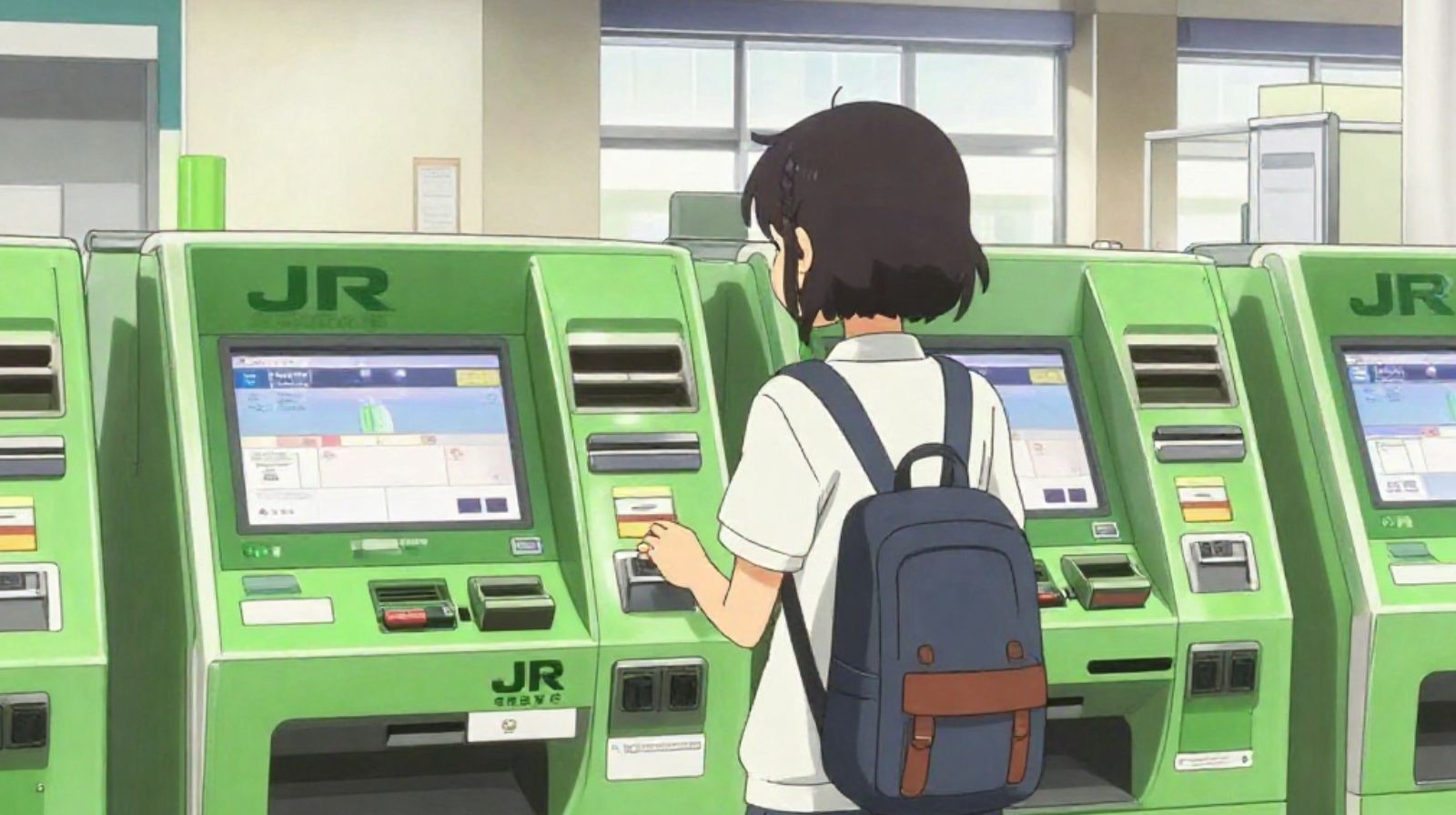
Stations such as Tokyo Station, Shinjuku Station, and Osaka Station are enormous.
Multiple train companies, dozens of platforms, and thousands of daily passengers can make navigation feel overwhelming.
The good news is that clear signage and digital maps make it manageable.
Giving yourself extra time is usually the best solution.
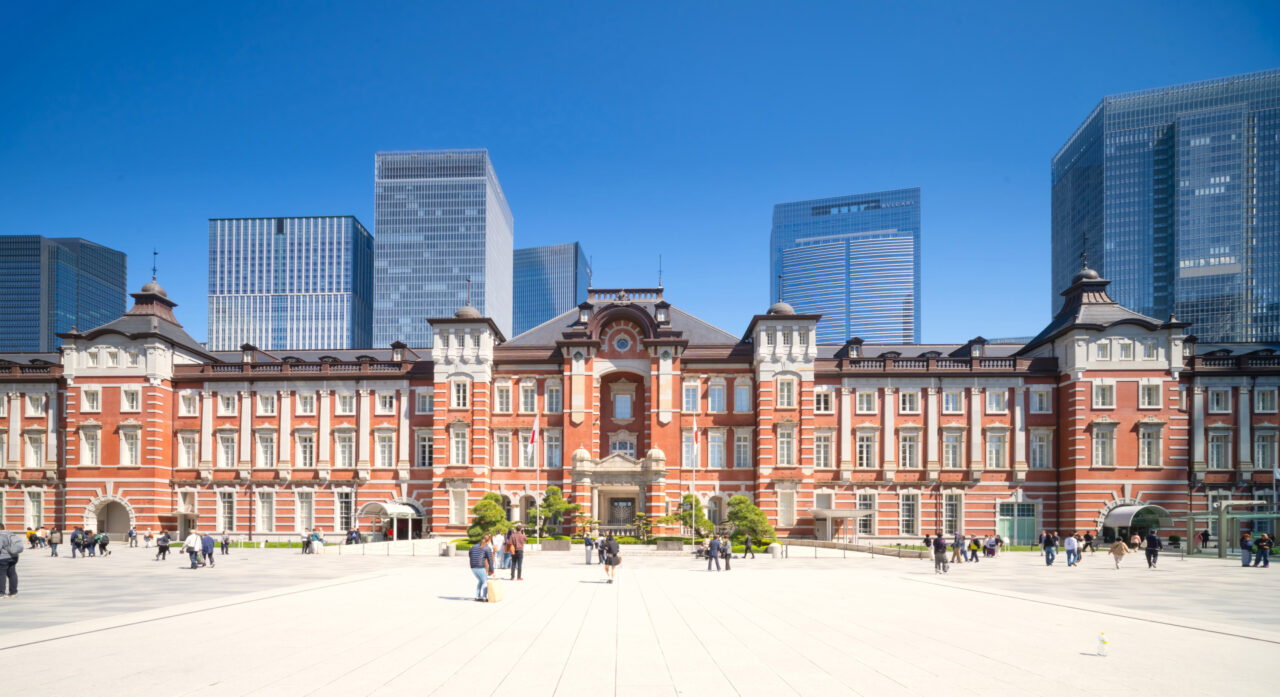
東京駅
If you’re planning to travel by train, these beginner guides explain everything from tickets to IC cards.
→ How to Use Trains and Subways in Japan
→ How to Buy Shinkansen Tickets in Japan
Language Differences
English support continues to improve, especially in major tourist areas.
However, not everyone speaks English fluently.
In local neighborhoods and smaller towns, communication sometimes requires patience and creativity.
Fortunately, simple gestures, translation apps, and a friendly attitude are often enough.
If you’re wondering whether you can travel comfortably without speaking Japanese, these guides explain what to expect.
→ How Much English Is Spoken in Japan?
Cash and Card Payments
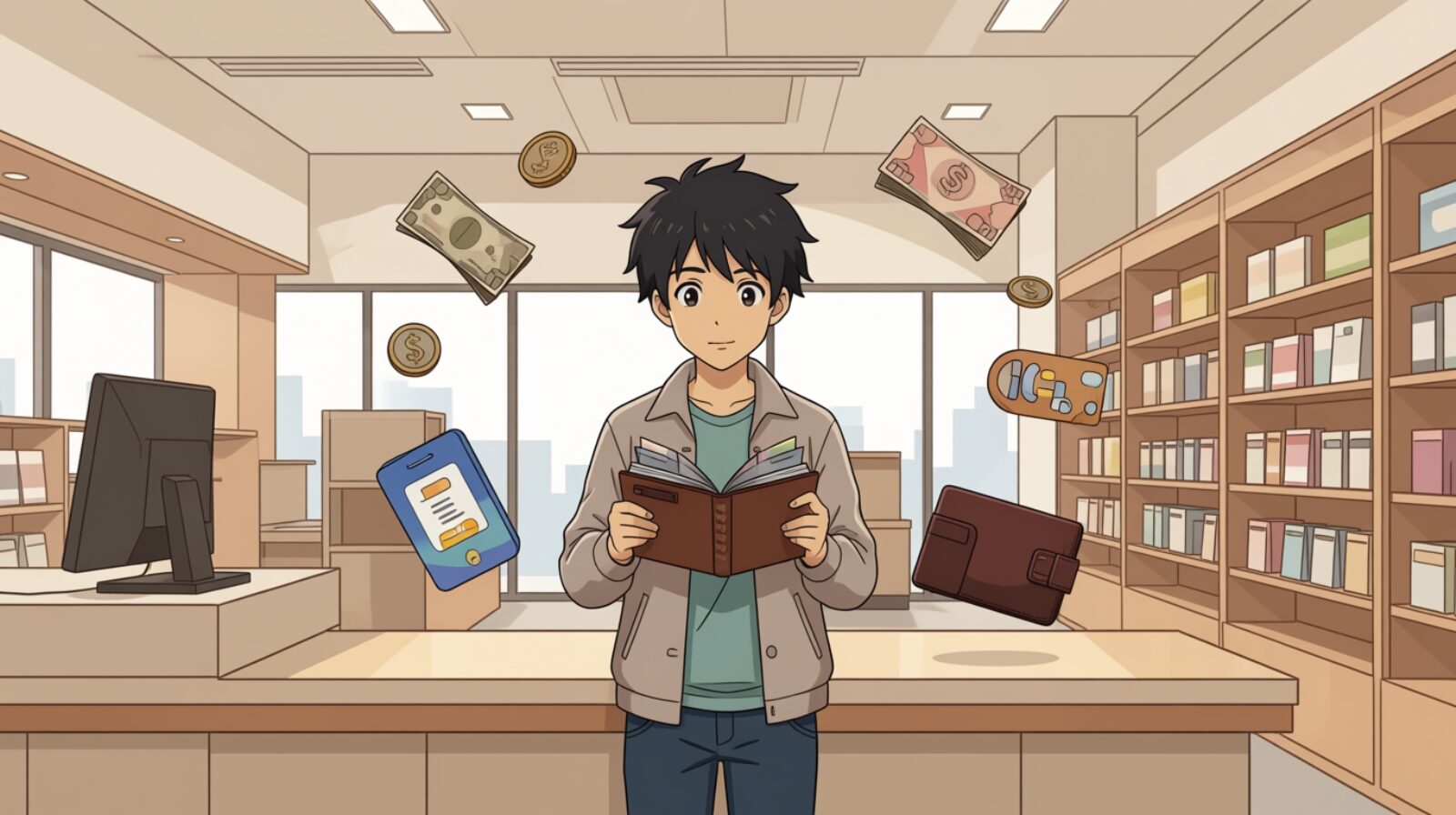
Japan has become increasingly cashless in recent years.
However, some smaller businesses still prefer cash.
Regional destinations, local restaurants, and independent shops may not always accept international cards.
Carrying some cash remains a practical choice.
For a detailed explanation of cash, credit cards, and payment methods, see:
→ Cash or Credit Cards in Japan?: A Complete Guide for First-Time Visitors
Popular Attractions Can Be Crowded
Japan’s popularity continues to grow.
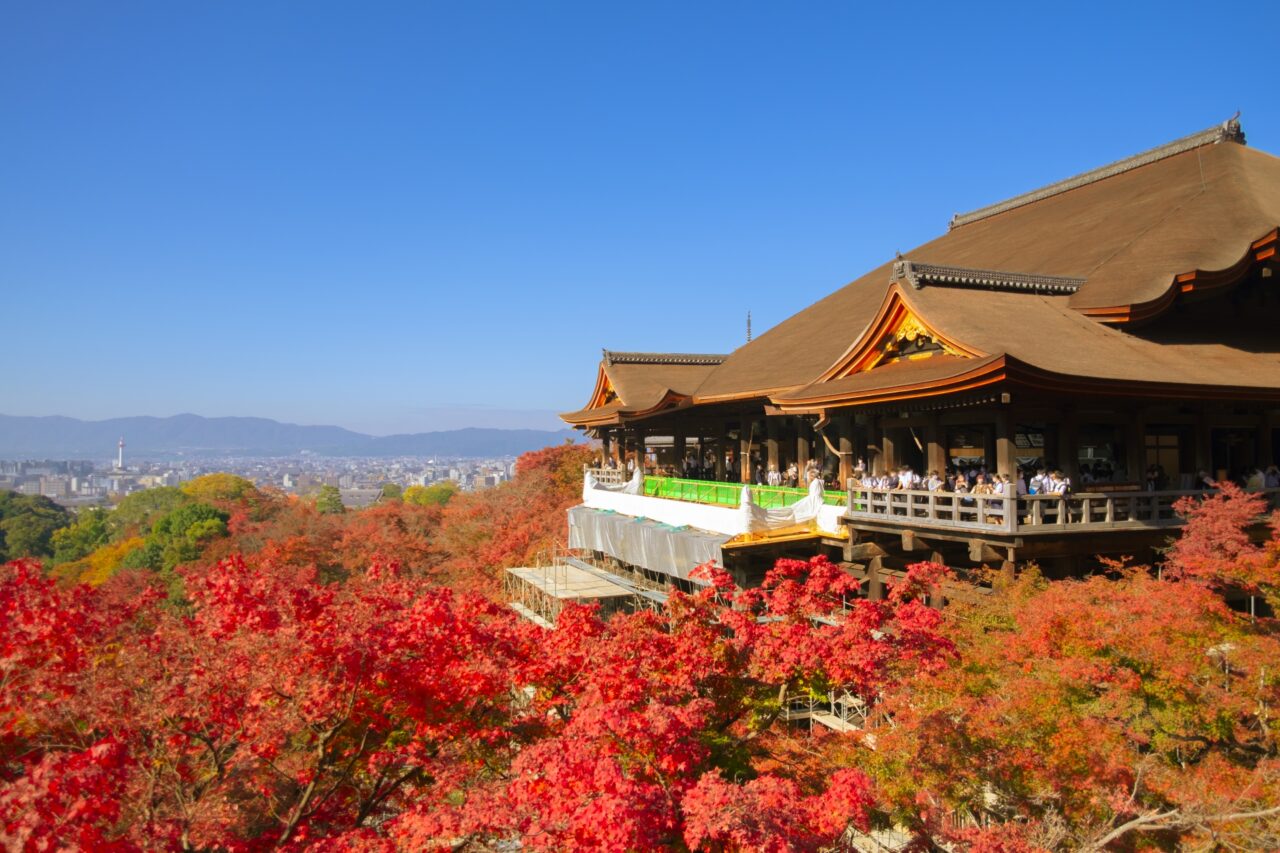
Famous destinations such as Kyoto, Tokyo, and Osaka can become extremely busy during peak seasons.
Cherry blossom season and autumn foliage season are particularly crowded.
Visiting early in the morning or exploring less-visited neighborhoods can provide a more relaxed experience.
清水寺
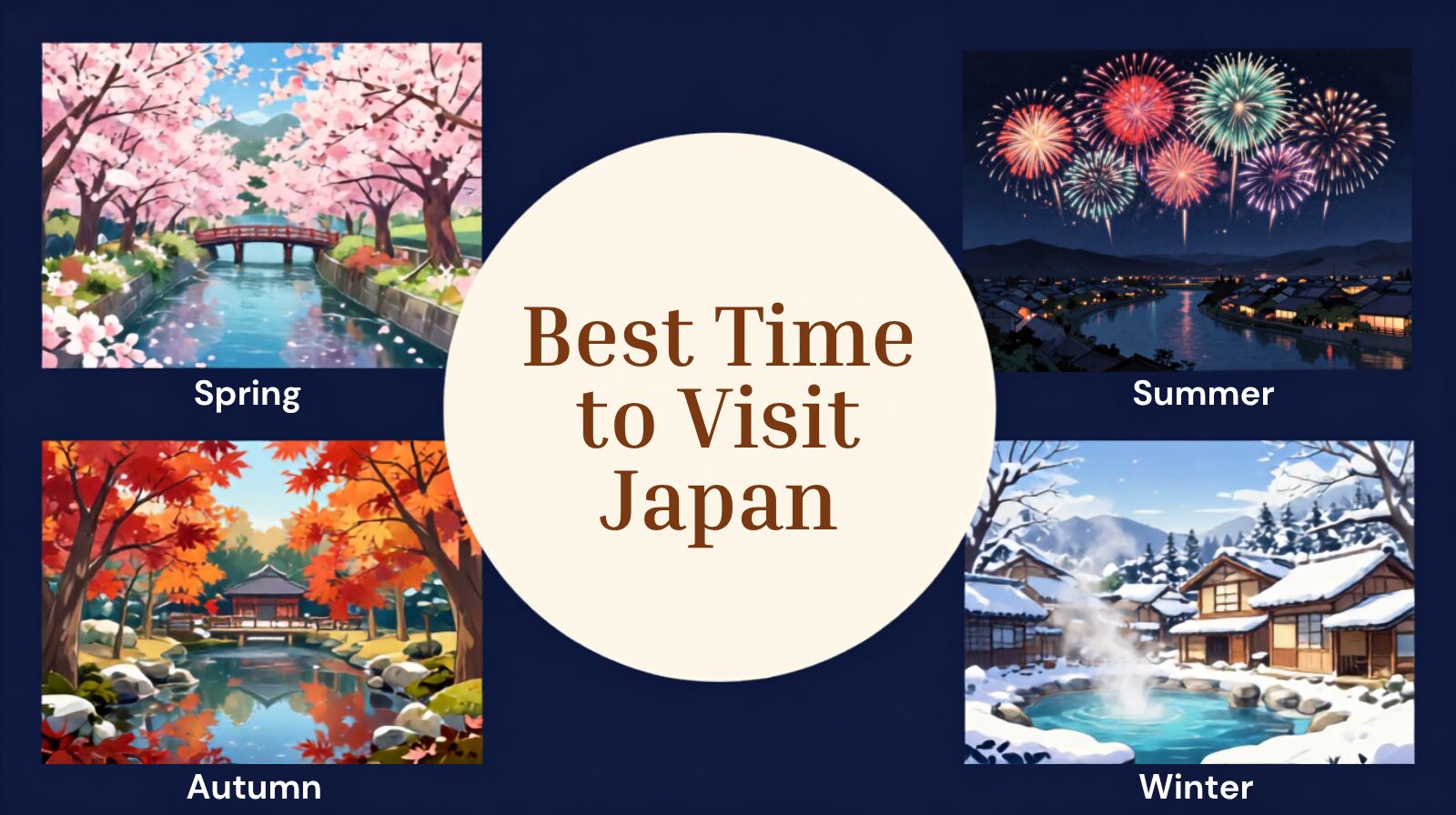
The timing of your visit can make a huge difference.
→ Best Time to Visit Japan: A Season-by-Season Guide
How to Make Your First Trip More Enjoyable
A common mistake among first-time visitors is trying to see too much.
Japan offers an endless number of attractions, and it is tempting to fit everything into a single trip.
- Tokyo.
- Kyoto.
- Osaka.
- Mount Fuji.
- Hiroshima.
- Nara.
- Hakone.
The list goes on.
However, moving constantly from one destination to another can become exhausting.
Instead, consider slowing down.
Spend more nights in fewer places.
Leave space in your schedule for unexpected discoveries.
Allow yourself time to enjoy a neighborhood café, a local market, or an evening walk without a strict plan.
The memories that last longest are often the ones that were never scheduled.
Experience More Than the Famous Attractions
Japan’s most famous landmarks deserve their reputation.
- The temples of Kyoto.
- The bright lights of Tokyo.
- The food culture of Osaka.
- The iconic view of Mount Fuji.
Yet many travelers discover that their favorite memories come from somewhere else entirely.
- A neighborhood shopping street filled with local businesses.
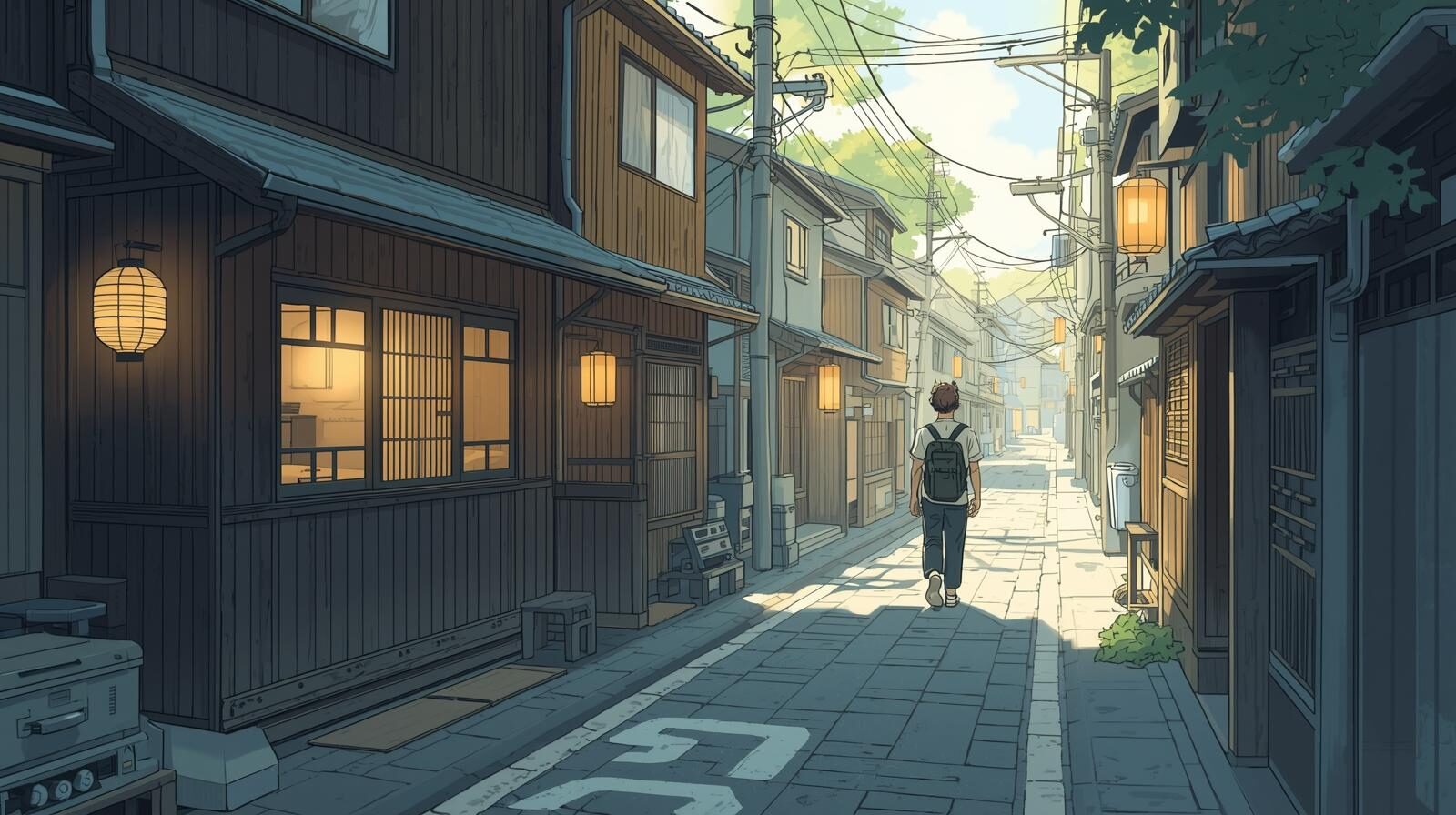
- A quiet residential area at sunset.
- A family-run restaurant found by chance.
- A morning bakery visit before the city wakes up.
- A seasonal festival taking place in a local park.
If you’re visiting during summer, don’t miss Japan’s traditional festivals.
→ Summer Festivals in Japan: A Complete Guide for First-Time Visitors
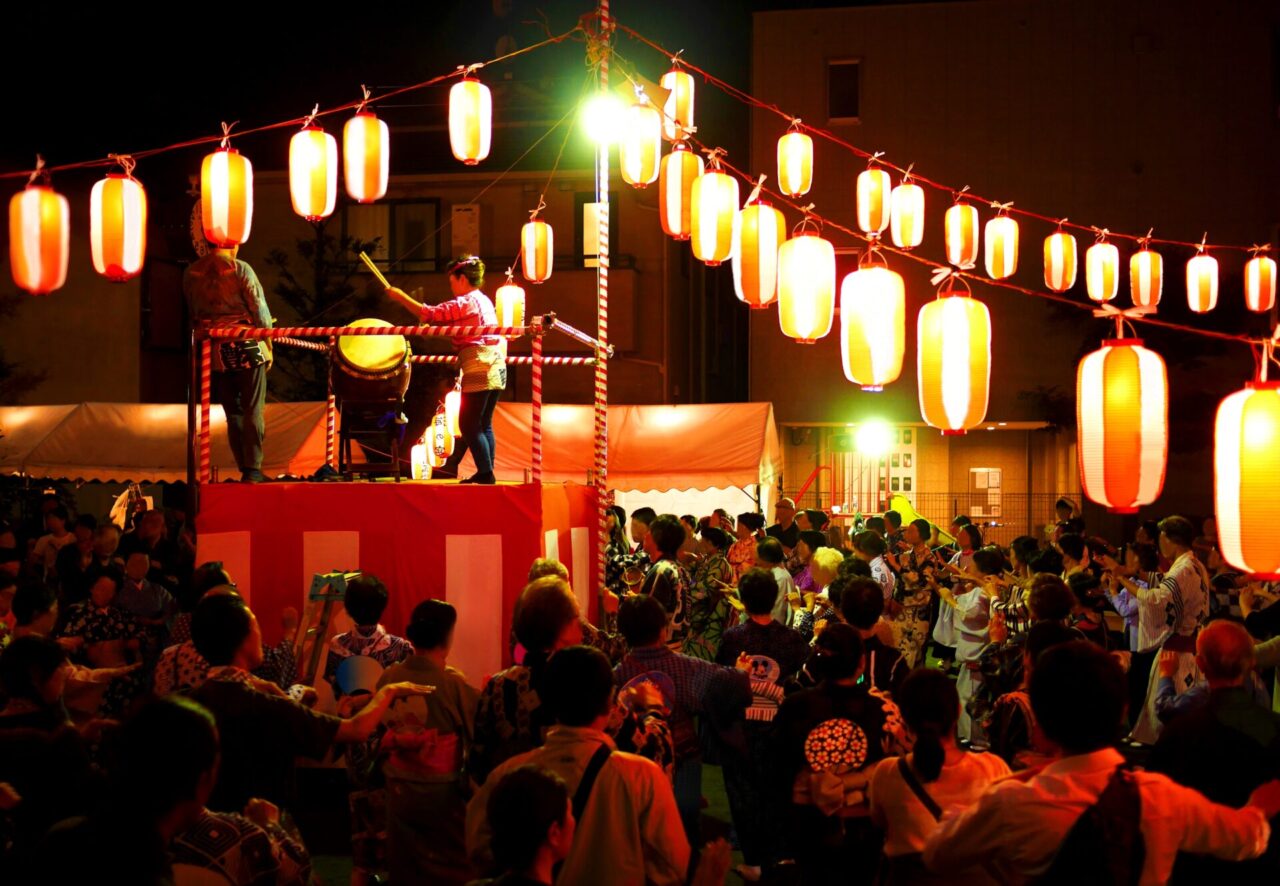
盆踊り
These experiences offer something different.
They allow you to see not only Japan’s attractions, but also its everyday life.
That is often where the country feels most memorable.
Traveling Japan Is About More Than Sightseeing
Your first trip to Japan will almost certainly include famous landmarks and popular destinations.
And it should.
They are famous for good reason.
But the most rewarding trips often balance sightseeing with moments of discovery.
The best experiences are not always the ones listed in a guidebook.
Sometimes they happen when you take a different street, explore a local neighborhood, or simply slow down enough to notice what is happening around you.
Japan rewards curiosity.
The more room you leave for discovery, the more memorable your trip is likely to become.
Ready for Your First Japan Trip?
Japan is welcoming, fascinating, and surprisingly easy to explore.
You will probably encounter a few challenges.
You will almost certainly experience a few surprises.
And you will likely return home with memories that are very different from the ones you expected before arriving.
Approach your trip with curiosity.
Travel a little slower.
Explore beyond the major attractions.
And leave room for the unexpected.
Because some of the best parts of Japan are the ones you never planned to find.
If you’re ready to start planning, our Complete Guide for First-Time Visitors to Japan walks you through accommodation, transportation, local experiences, and everything you need to know before arriving.
→ A Complete Guide for First-Time Visitors to Japan
→ How to Use Visit Japan Web
Next, explore these guides to prepare for your first trip to Japan.
Related Guides
Explore practical guides to help you plan your trip and travel around Japan with confidence.
Planning Your Trip to Japan
- A Complete Guide for First-Time Visitors to Japan: Stay, Travel, and Experience Local Life
- Visit Japan Web: Complete Guide for First-Time Visitors
- What to Expect on Your First Trip to Japan
- Best Time to Visit Japan: A Season-by-Season Guide
- Is Japan Safe for Foreign Travelers?
- Natural Disasters in Japan: What Every Traveler Should Know
- How Much English Is Spoken in Japan?
Transportation
- How to Use Trains and Subways in Japan
- How to Use IC Cards in Japan: Suica, PASMO, ICOCA & Mobile IC Cards
- How to Pay for Train Travel in Japan
- How to Use Local Buses in Japan: A First-Time Visitor Guide
- How to Use Taxis in Japan
- Kansai Airport to Umeda: A Practical Route Example Using Train, Bus & Taxi
- How to Buy Shinkansen Tickets in Japan
- Japan Rail Pass: Is It Worth It? A Complete Guide
Money
- Cash or Credit Cards in Japan? A Complete Guide for First-Time Visitors
- Can I Use Credit Cards Everywhere in Japan? Where Cards Work—and Where You’ll Still Need Cash
- How to Exchange Money in Japan: The Best Ways to Get Japanese Yen
Cities & Destinations
- Osaka vs Kyoto: Which City Is Right for You?
- Where to Stay in Osaka: Best Areas for First-Time Visitors
Culture & Etiquette
- Japanese Etiquette Every Visitor Should Know
- Onsen & Sento Etiquette in Japan: A First-Time Visitor Guide