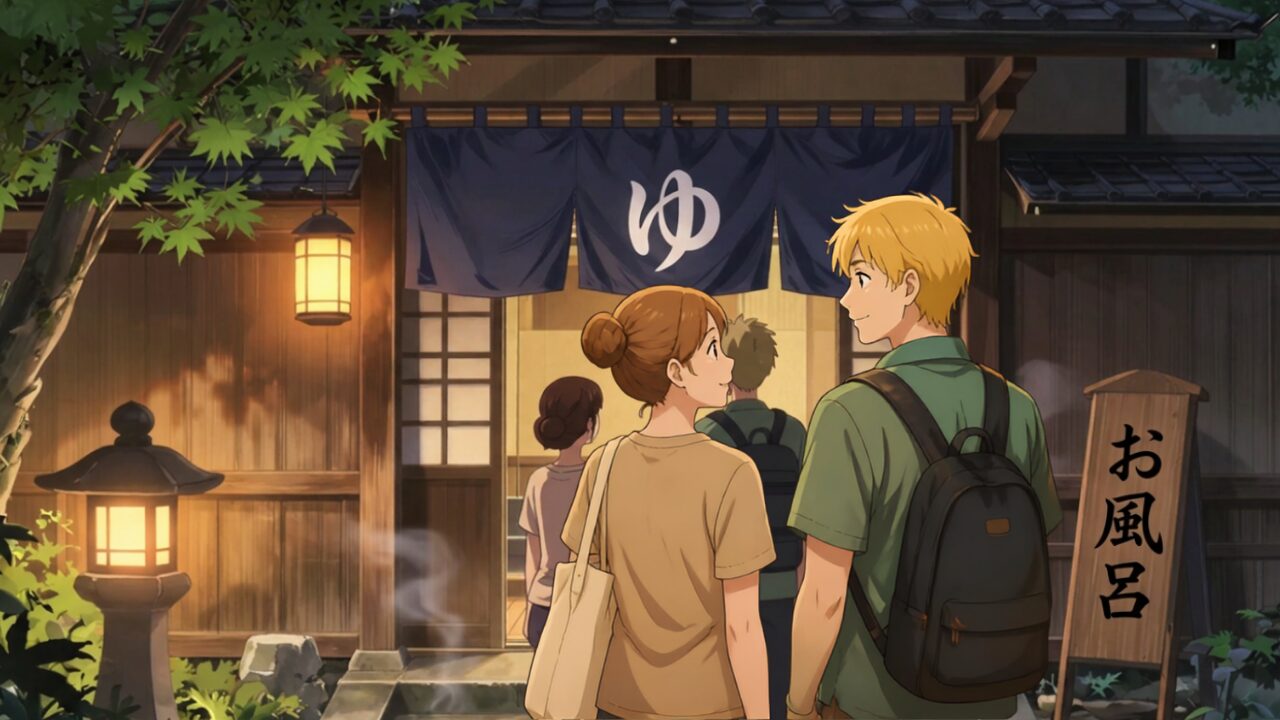
Onsen vs Sento: What’s the Difference?
Two words you will often encounter when looking for a Japanese bathing experience are:
温泉 / Onsen / Hot spring
銭湯 / Sentō / Public bath
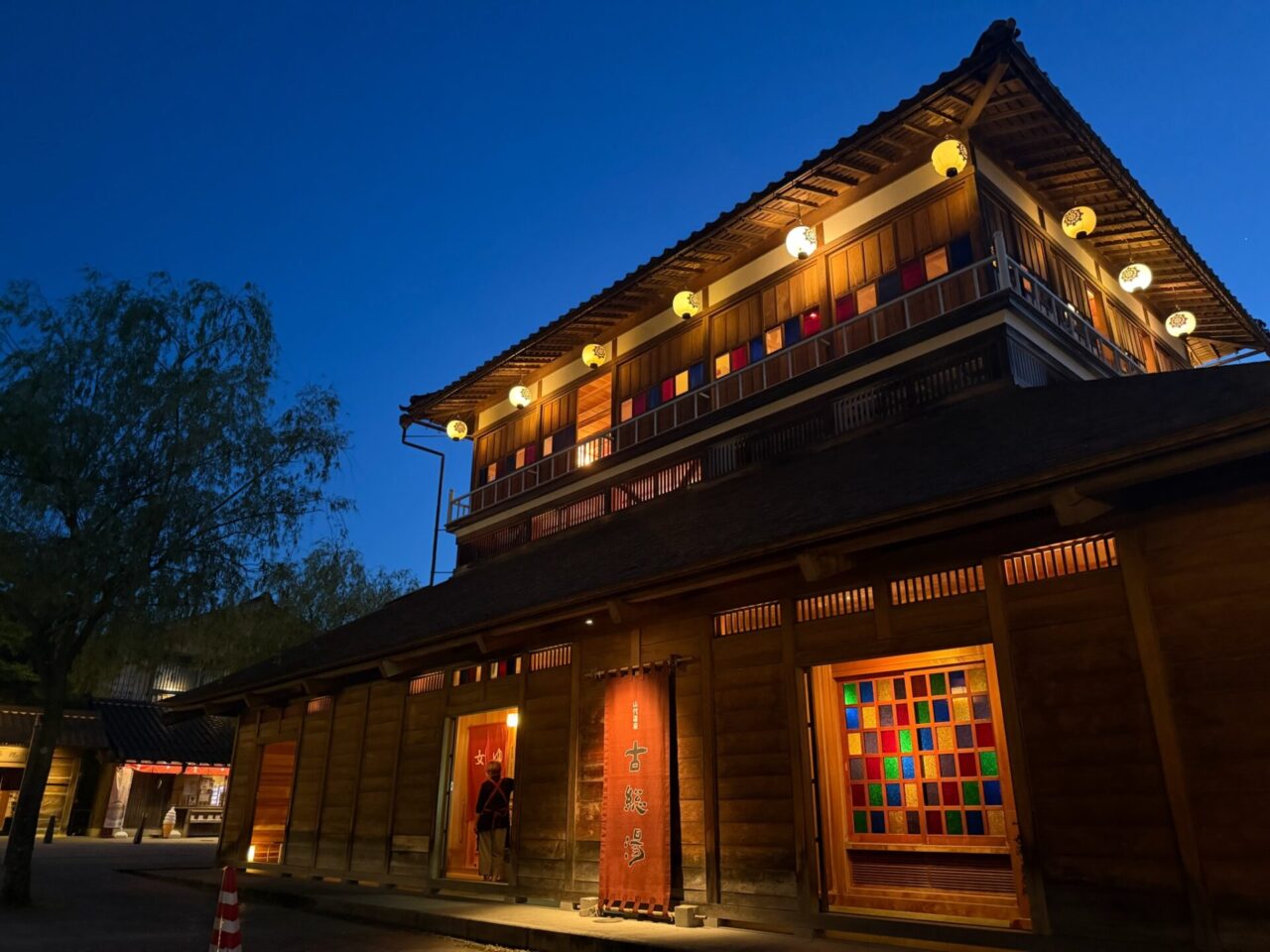
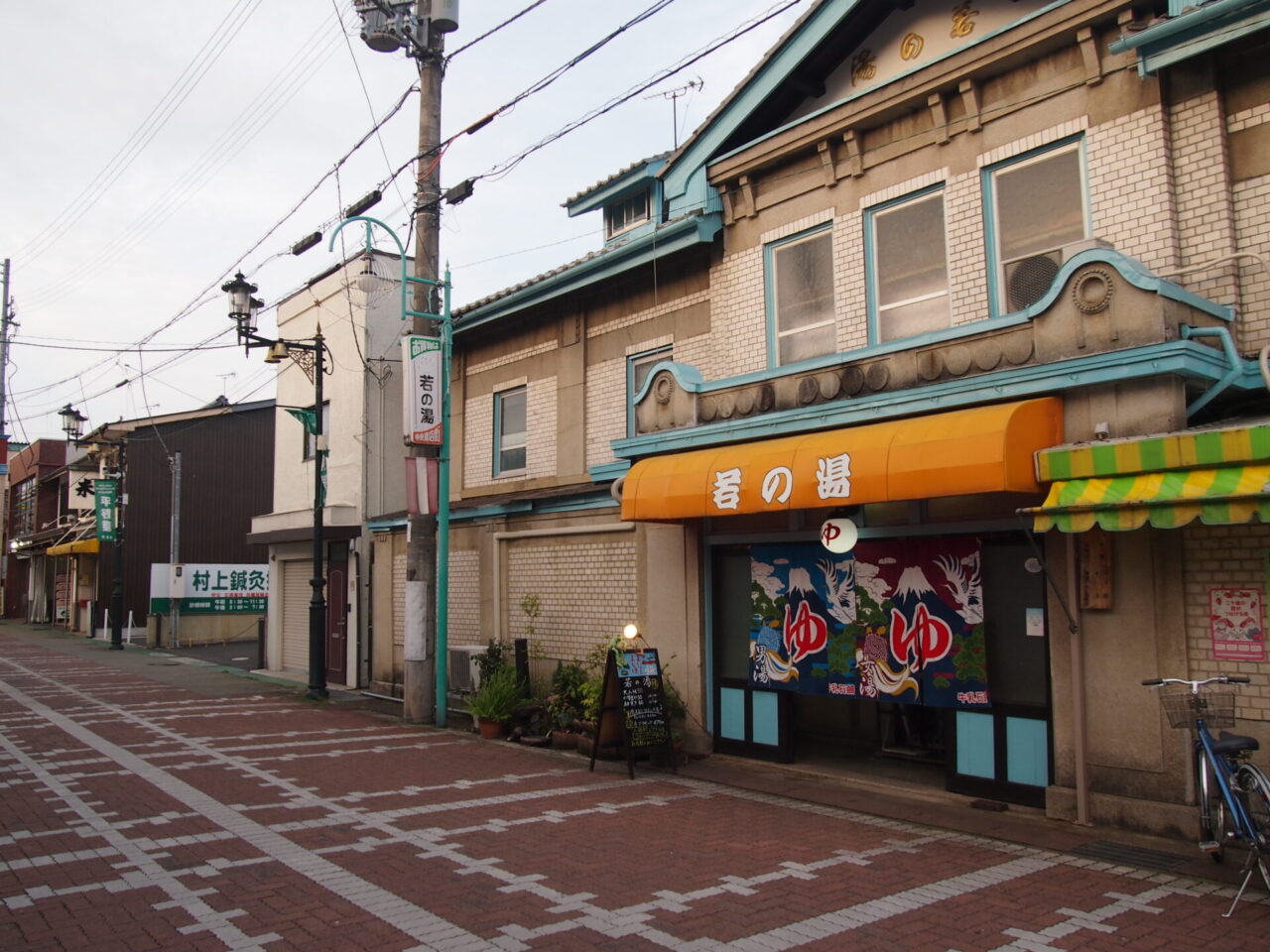
They are related, but they do not mean the same thing.
An onsen is defined by its hot-spring source. Under Japan’s Hot Springs Act, water, mineral water, steam, or gas emerging naturally from underground qualifies as onsen when it meets specified temperature or mineral criteria.
A sento, meanwhile, is a public bathhouse traditionally used as part of everyday community life. Sento have been part of Japanese neighborhoods for centuries and continue to serve both local residents and visitors today.
That means onsen and sento are not complete opposites. Some sento use natural hot-spring water and are effectively both a public bath and an onsen. The Japan National Sento Association notes that hot-spring sento can be found even outside famous onsen resort areas.
| Onsen | Sento | |
|---|---|---|
| Japanese | 温泉 | 銭湯 |
| Romaji | Onsen | Sentō |
| Basic meaning | Hot spring | Public bath |
| Often experienced at | Hot-spring towns, ryokan, hotels, day-use baths | Neighborhood bathhouses |
| Must meet Japan’s legal onsen criteria? | Yes | No |
| Can a sento use qualifying onsen water? | — | Yes |
For a traveler, they can also offer different experiences.
An onsen may become part of slowing down at a ryokan or spending time in a hot-spring town. A sento may be somewhere you walk to after dinner from your accommodation, sharing a neighborhood space used by people who live nearby.
Both offer a way to experience Japan beyond sightseeing. If this is your first trip, our Complete Guide for First-Time Visitors to Japan explains how local experiences, transportation, accommodation, and everyday life can fit together across your journey.
General Bathing Etiquette vs Facility-Specific Rules
One of the easiest ways to understand Japanese bathing culture is to separate general etiquette from rules set by individual facilities.
General Bathing Etiquette
At a conventional shared onsen or sento, you can generally expect to:
- Remove your clothes before entering the bathing area
- Wash your body and rinse off all soap before entering the bath
- Keep towels out of the bath water
- Keep long hair out of the water
- Be considerate of other bathers
- Dry yourself before returning to the changing room
These are common elements of official sento bathing guidance in Japan.
You will learn the full process step by step below.
Facility-Specific Rules
Other details can vary and should not be treated as universal rules.
Check the facility when relevant for:
- Tattoos
- Children and mixed-gender bathing
- Swimwear
- Private or family baths
- Sauna rules
- Towels and toiletries
- Smartphones and photography
- Payment methods
- Opening hours and closing days
You do not need to research every possible rule. Check the details that apply to you, and follow the instructions of the onsen or sento you actually visit.
Before You Go: What to Check and Bring
A few minutes of preparation can make a first visit much easier.
Start by checking the official website of the onsen or sento if one is available.
Tattoo policies are especially important because there is no single rule across Japan. Some facilities welcome tattoos, some accept them only when covered, and others set different conditions for different bathing areas.
Families should also check rules for children. Age limits for mixed-gender bathing can differ by prefecture and facility. The Tokyo Sento Association, for example, specifically tells travelers to check locally when visiting outside Tokyo.
Other useful things to confirm include:
- Whether towels are provided, rented, or sold
- Whether shampoo, conditioner, and body soap are provided
- Whether you need cash
- Whether a sauna has separate rules or charges
- Opening hours and regular closing days
Small neighborhood bathhouses can be simpler than large spa or resort facilities. If you are visiting a local business where payment options may be limited, our guide to Cash or Credit Cards in Japan? explains why carrying some Japanese yen is still useful.
What Should You Bring?
Depending on the facility, useful items may include:
- A small bathing towel
- A larger towel for drying
- Shampoo, conditioner, and body soap if needed
- A hair tie if you have long hair
- Cash if required
- An approved tattoo cover if required by the facility
Do not assume you need to bring everything yourself. Many sento sell towels, soap, and other basic bathing items, while some facilities provide toiletries free of charge.
How to Use an Onsen or Sento: The Basic Flow
For a first visit, the easiest way to understand Japanese bathing is to remember six simple steps.
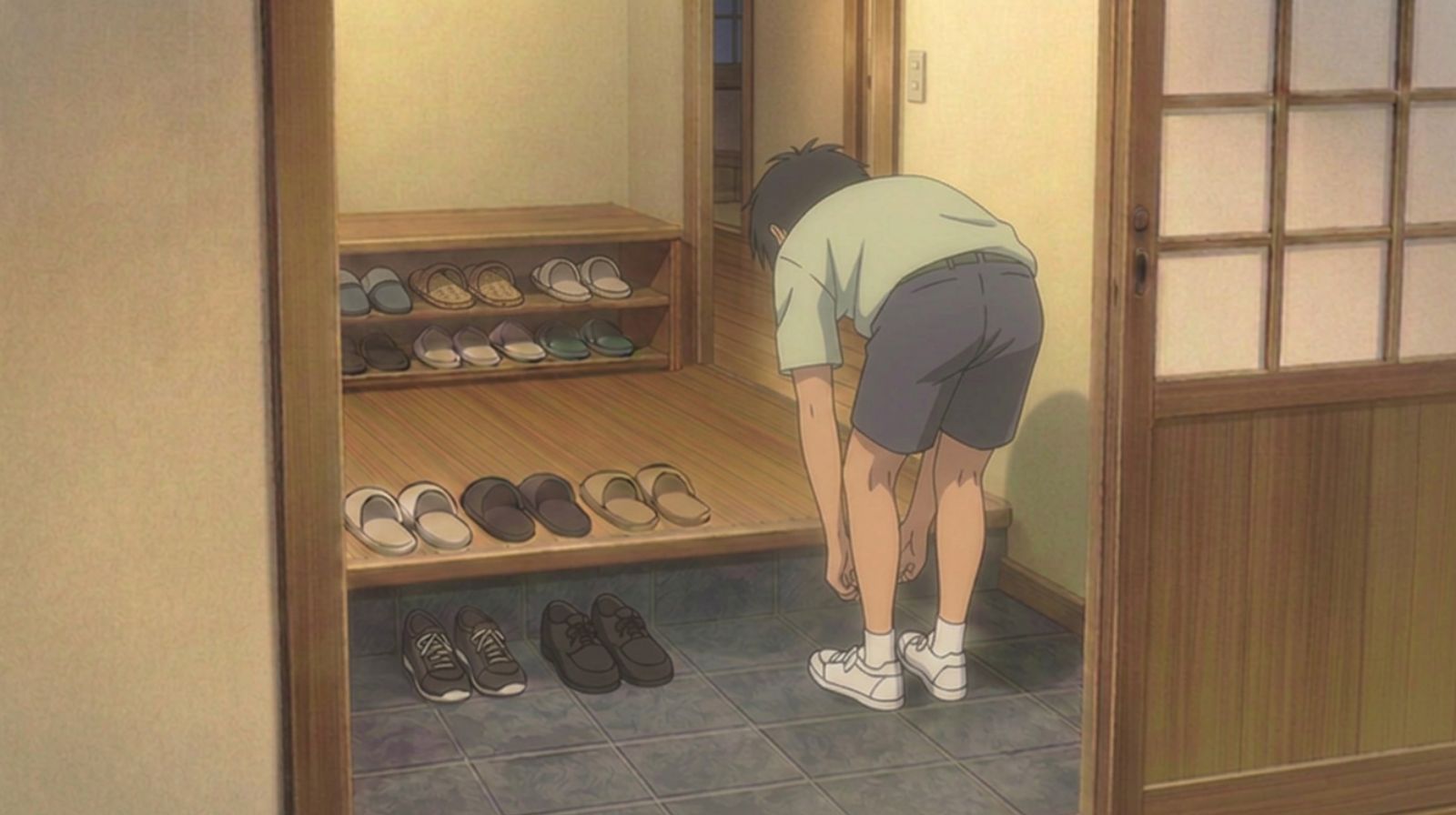
At many sento, you remove your shoes shortly after entering and place them in a shoe locker.
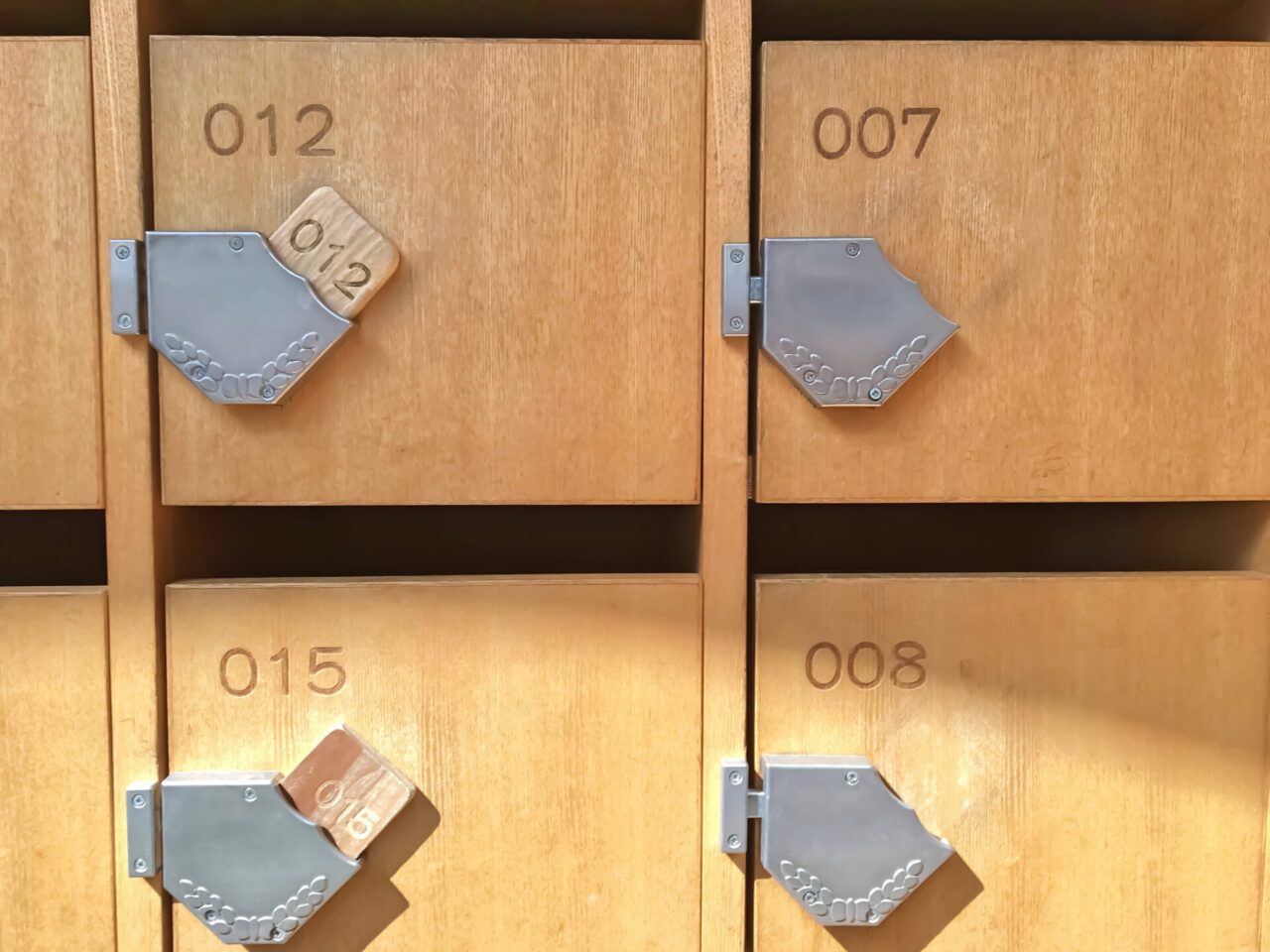
下駄箱 / Getabako / Shoe locker
Take the key with you and keep it safe.
This arrangement is common at neighborhood sento, but larger onsen facilities, hotels, and ryokan may work differently. Follow the signs or staff instructions rather than assuming every entrance has the same setup.
At a sento, you may pay at a front desk, a traditional reception counter, or a ticket machine.
受付 / Uketsuke / Reception
番台 / Bandai / Traditional bathhouse reception counter
At a day-use onsen, the entrance may work more like a spa or leisure facility.
If you are staying at a ryokan or hotel, access to the shared bath may already be included in your stay.
This is a good time to ask about towels, toiletries, lockers, or anything else you are unsure about.
Enter the appropriate changing area.
脱衣所 / Datsuijo / Changing room
Two Japanese signs are particularly useful to recognize:
男 / Otoko / Men
女 / Onna / Women
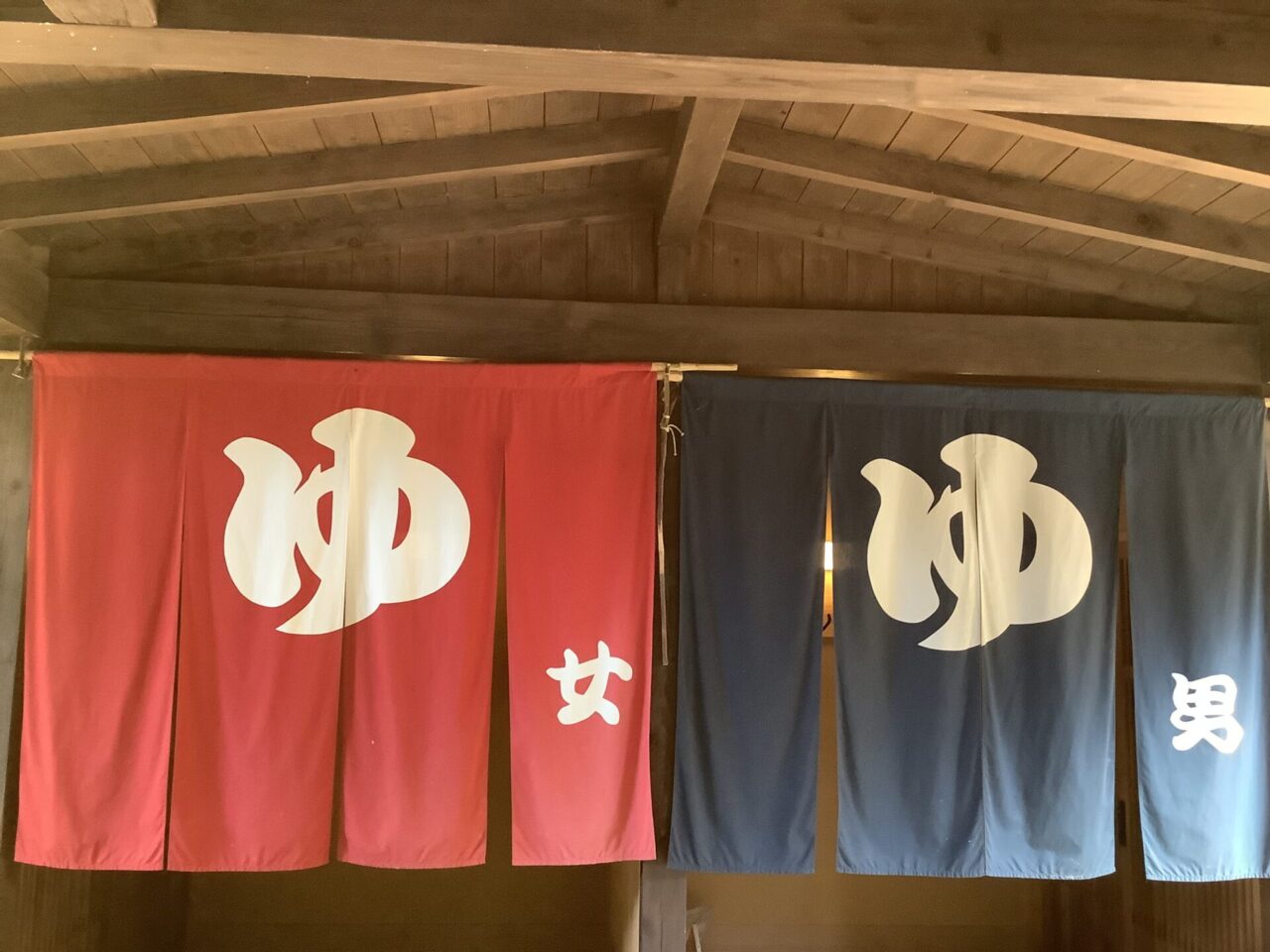
Do not rely only on the color of a curtain or decoration. If you are unsure which entrance to use, ask a member of staff.
In a conventional Japanese shared bath, bathing is normally done without clothes, underwear, or swimwear. Store your belongings in the locker, basket, or storage space provided.
As a general rule, keep smartphones and cameras out of changing rooms and bathing areas. These are private spaces, and many facilities prohibit photography or device use. Follow any signs or staff instructions at the facility you visit.
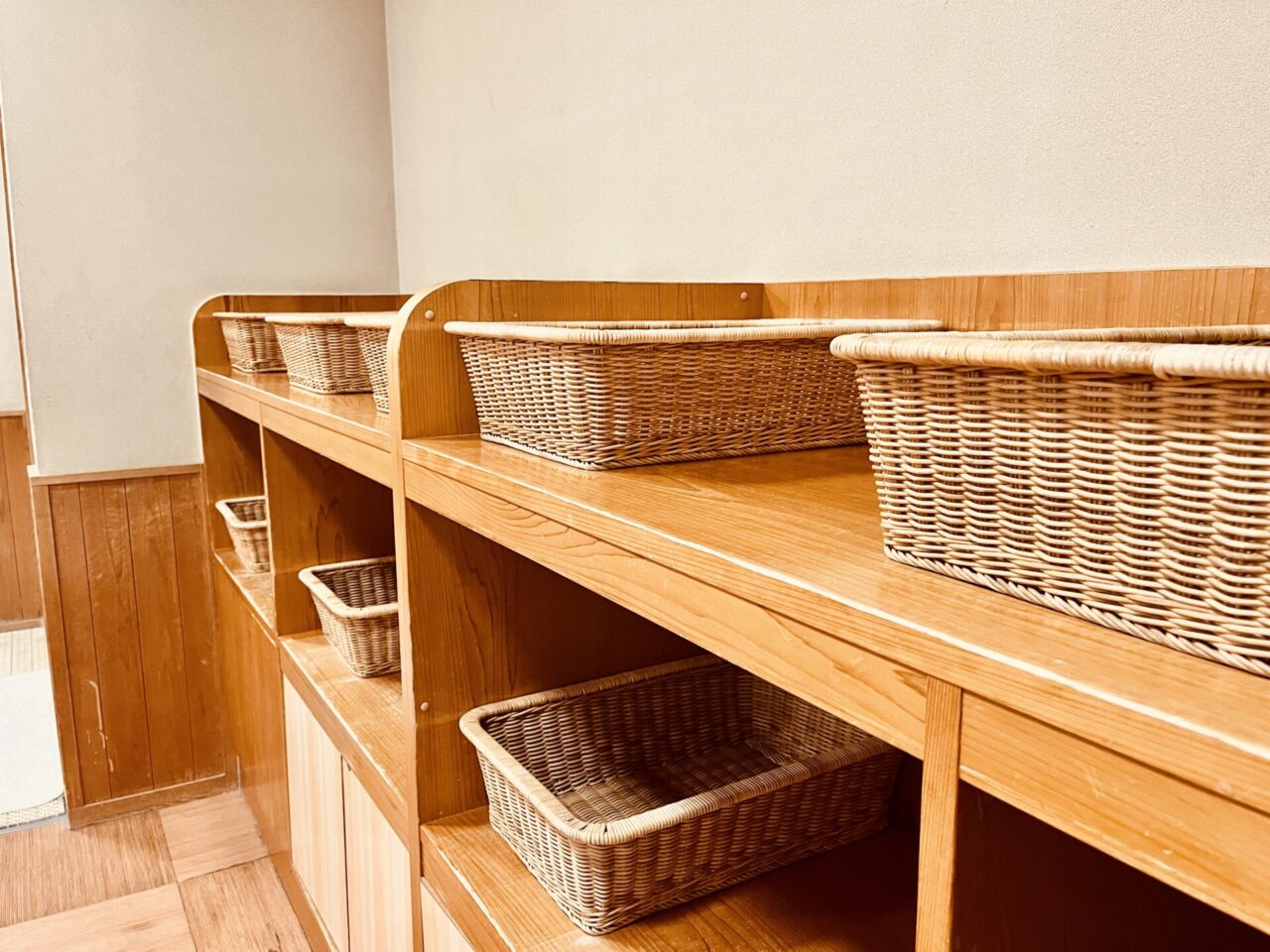
Before entering the communal bath, wash yourself.
洗い場 / Araiba / Washing area
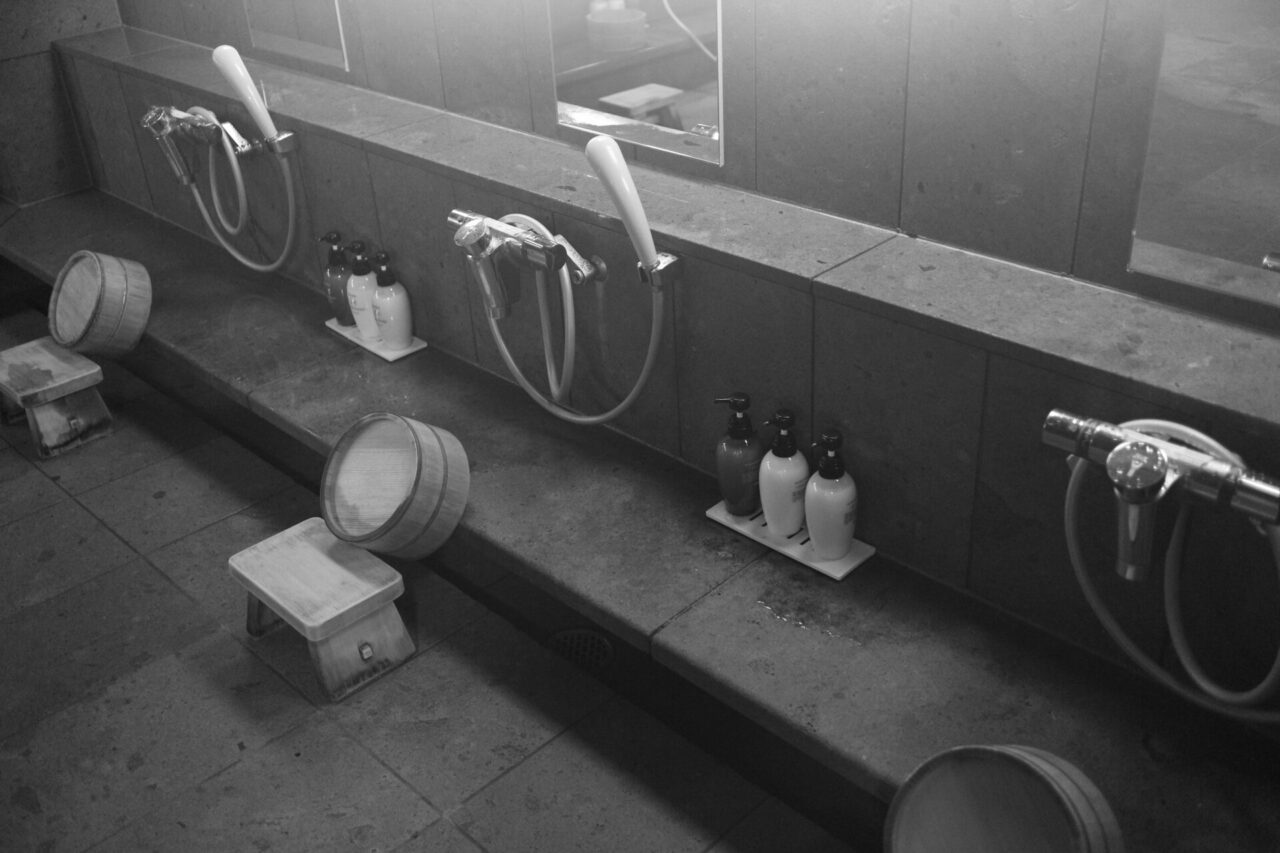
You will usually find low stools, showers, faucets, and wash basins. Sit at an available washing station, clean your body, and rinse away soap and shampoo before entering the bath.
The shared bath is primarily for soaking rather than washing. Washing first is one of the most important pieces of etiquette in a Japanese public bath.
When using the shower, take care not to spray people sitting nearby. At a sento, you may also see bathers rinse their stool and basin after using them. Osaka’s official beginner guide includes both practices.
You may also see people pour warm water over themselves before entering the bath.
かけ湯 / Kakeyu / Rinsing with hot water before bathing
Kakeyu helps your body adjust to the temperature before you soak. Pour the warm water over yourself gradually before entering the bath rather than immersing yourself suddenly.
Once you are clean and have rinsed away any soap, you can enter the bath.
湯船 / Yubune / Bath
Enter slowly. Japanese baths can feel quite hot if you are not used to them, and there is no need to stay in longer than feels comfortable.
A few basic customs will help you share the bath comfortably with everyone else.
Keep Your Towel Out of the Water
Do not put your small towel into the communal bath.
You can keep it beside the bath where permitted or fold it and place it on your head, as you may see other bathers doing. Keeping towels out of the bath water is standard sento etiquette.
Keep Long Hair Out of the Water
If you have long hair, tie it up so that it does not enter the bath water.
Give Other Bathers Space
A communal bath is a shared space rather than a swimming pool.
Avoid swimming, splashing, or taking up more space than you need. You do not need to remain completely silent, but keep conversations at a considerate volume and pay attention to the atmosphere around you.
The same idea applies to Japanese etiquette more broadly: consideration matters more than performing every custom perfectly. Our Japanese Etiquette Every Visitor Should Know guide covers other shared spaces and everyday situations you may encounter during your trip.
When you have finished bathing, do not return to the changing room dripping wet.
Use your small towel to remove excess water before leaving the bathing area. Official sento guidance in Osaka specifically asks bathers to wipe themselves before moving from the bathroom to the changing room.
Once back in the changing room, dry yourself fully, get dressed, and collect your belongings.
That completes the basic process.
Once you understand this flow, using a traditional shared bath is usually much less complicated than it first appears.
Rules That Can Vary by Facility
The six steps above cover the general bathing flow.
The rules in this section are different. They can depend on the facility, the type of bath, local regulations, or the particular area you are using.
Tattoos
Tattoo policies are one of the clearest examples of why checking the individual facility matters.
Depending on where you go, you may find:
- Tattoos accepted without covering
- Tattoos accepted only when covered
- Limits on the number or size of covers
- Different rules for different bathing areas
- Restrictions on shared bathing
There is no reliable rule that “all onsen prohibit tattoos” or that every facility of one type follows the same policy.
Here are three real examples of how different current rules can be:
| Facility | Example of its current rule |
|---|---|
| 城崎温泉 / Kinosaki Onsen / Kinosaki Hot Springs | Tattoos of all sizes are accepted at the town’s seven public bathhouses, but accommodation baths may have separate policies |
| 箱根湯寮 / Hakone Yuryo / Hakone Yuryo | Tattoo-based bathing restrictions were lifted from April 1, 2025 |
| 箱根小涌園ユネッサン / Hakone Kowakien Yunessun | Tattoos must be covered in its swimsuit area; its traditional Mori no Yu area has separate cover-seal conditions |
These examples were checked in August 2026 and are included to show how facility policies can differ, not as a recommendation of one facility over another.
Check the current official rules before visiting:
- Kinosaki Onsen — Tattoo-Friendly Onsen
- Hakone Yuryo — Visitor’s Guide
- Hakone Kowakien Yunessun — Official Visitor Information
Children and Mixed-Gender Bathing
Rules about children using the opposite-sex bathing area are not uniform across Japan.
Age limits can be established locally and individual facilities may have additional rules. The Tokyo Sento Association explicitly warns that the age rule used in Tokyo may differ in other prefectures.
If you are traveling with children, check the bathhouse you plan to use rather than relying on a rule you encountered elsewhere.
Swimwear
In a conventional shared onsen or sento, swimwear is normally not worn.
However, Japan also has facilities designed around different types of bathing.
Hakone Kowakien Yunessun, for example, operates a swimsuit hot-spring activity area as well as 森の湯 / Mori no Yu / Mori no Yu Hot Spring, a separate traditional bathing area used without swimwear.
If you are visiting a spa, mixed-bathing area, swimsuit onsen, or another non-traditional facility, check its rules instead of assuming conventional onsen etiquette applies everywhere.
Private and Family Baths
Some accommodations and bathing facilities offer private options.
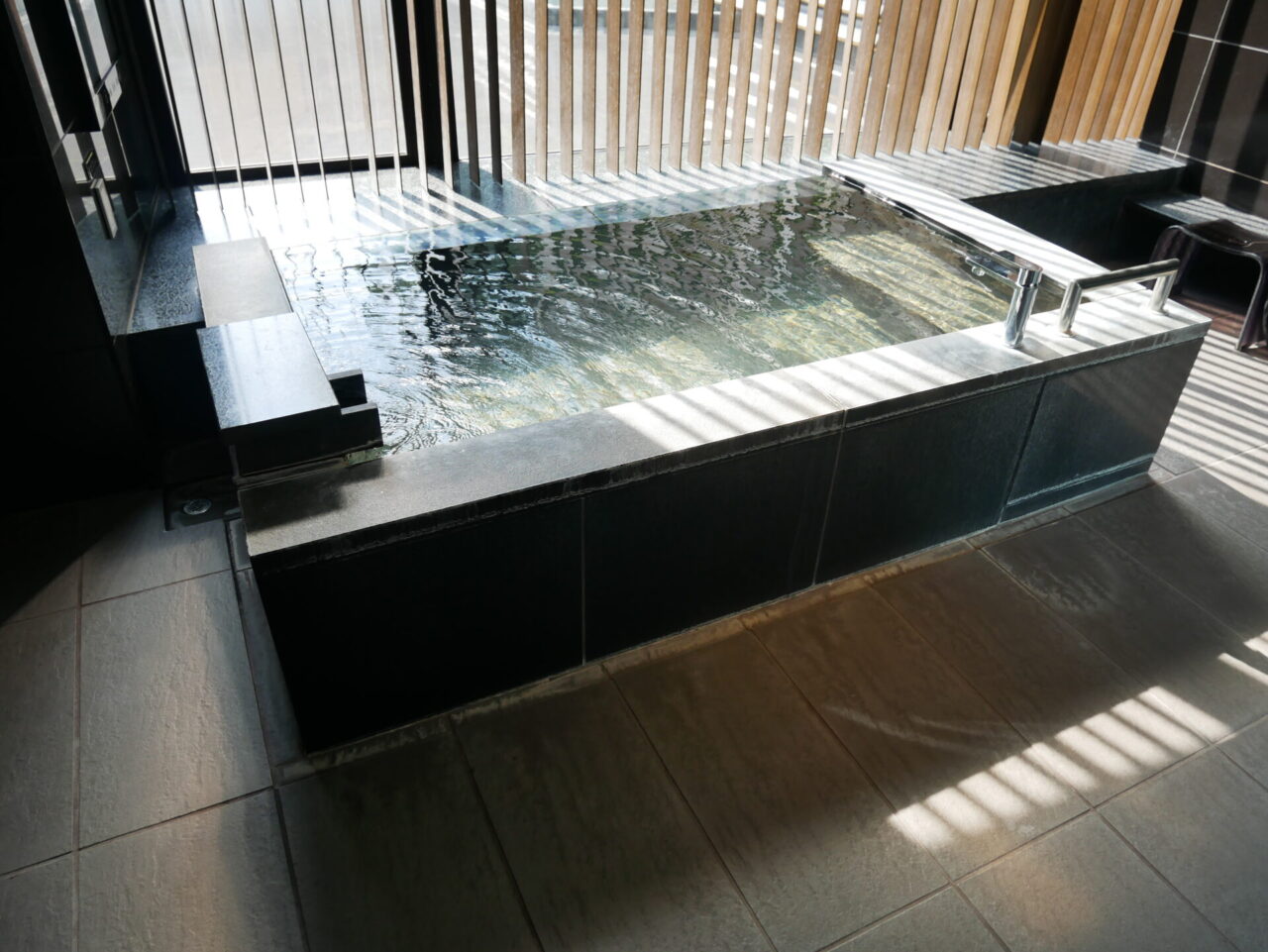
貸切風呂 / Kashikiri-buro / Private bath
家族風呂 / Kazoku-buro / Family bath
These can be useful for families, couples who want to bathe together, or travelers who simply prefer more privacy.
Reservations, fees, time limits, and tattoo policies vary by facility. A private bath should not automatically be assumed to be tattoo-friendly.
Where you stay can also shape this part of the experience. A ryokan with a shared onsen, a reservable private bath, or an in-room bath can create a very different evening from staying in a city neighborhood and walking to a local sento.
Saunas, Towels, and Amenities
Saunas may have their own rules, and some sento charge separately for sauna access.
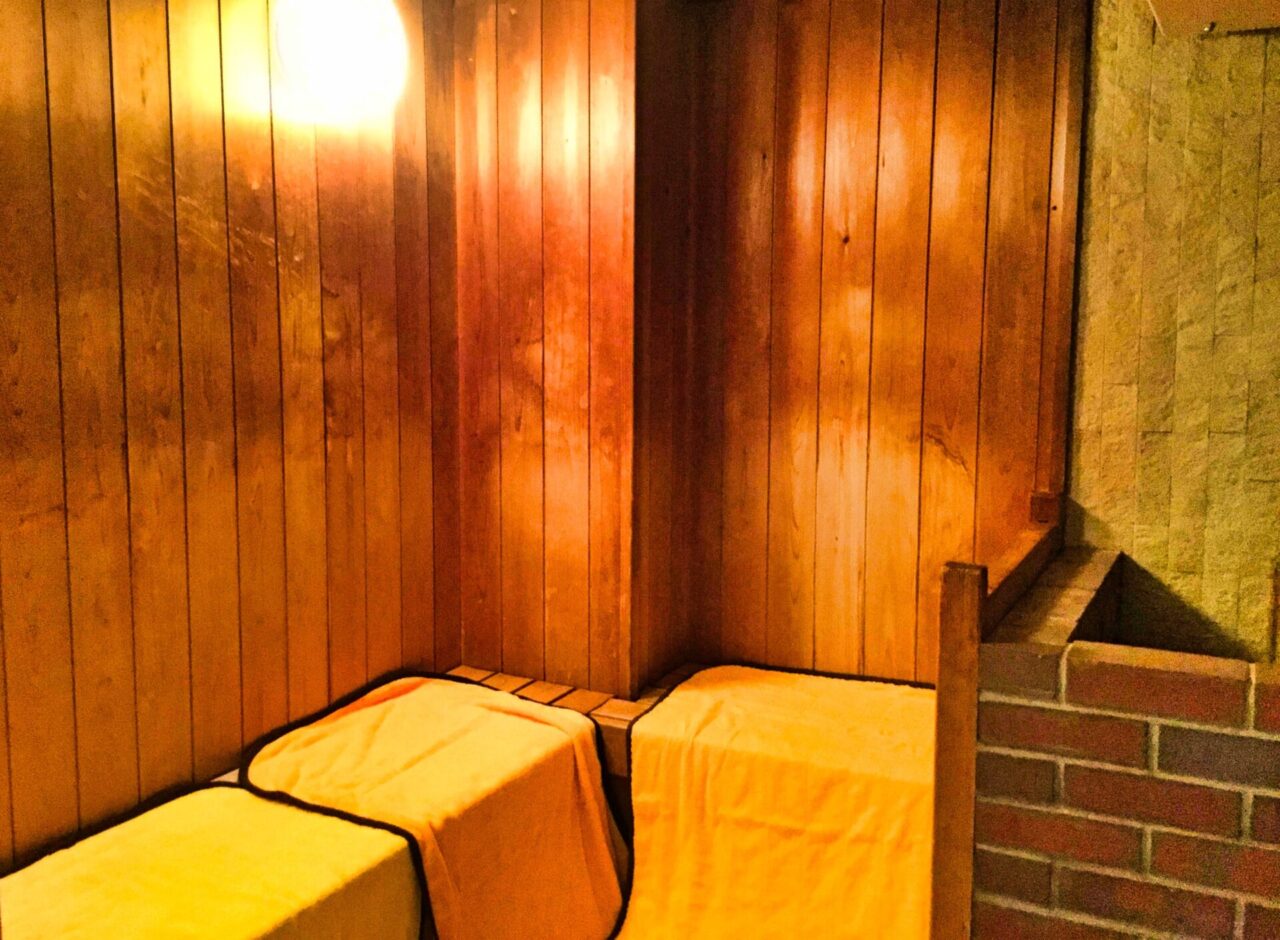
Towels and toiletries also vary. One facility may provide shampoo and body soap, while another may sell them at reception or expect you to bring your own.
This is why the facility’s own visitor information is the best place to check practical details before you leave your accommodation.
Visiting an Onsen or Sento With Children
A public bath can be a memorable family experience, but children need some extra attention.
Bathing areas can have slippery floors, and the water may be hotter than a child expects. Japan’s Ministry of the Environment advises that children should not bathe alone and recommends care when entering hot water.
Before visiting with children:
- Check which bathing area they may use
- Check any facility or local age rules
- Supervise young children closely
- Be careful around wet floors
- Do not force a child to stay in water that feels too hot
- Consider a private or family bath if it better suits your family
The aim is not to make children follow an unfamiliar ritual perfectly. It is to help the whole family use a shared space comfortably and safely.
A Few Safety Tips for Hot Baths
Hot-water bathing should feel relaxing, not like something you have to endure.
Japan’s Ministry of the Environment advises against bathing immediately before or after a meal or after drinking alcohol, recommends hydration before and after bathing, and advises entering hot water gradually.
For most travelers, a few simple precautions are enough:
- Do not bathe if you feel unwell
- Avoid bathing after drinking alcohol
- Enter hot water gradually
- Stay hydrated
- Get out if you feel dizzy or uncomfortable
- Do not stay in hot water simply because other people are doing so
If you have a medical condition that may be affected by heat or bathing, follow appropriate medical advice and any health notices displayed by the facility.
Useful Japanese Words at an Onsen or Sento
You do not need to speak Japanese to use most bathing facilities, but recognizing a few words can make the experience easier.
| Japanese | Romaji | English |
|---|---|---|
| 温泉 | Onsen | Hot spring |
| 銭湯 | Sentō | Public bath |
| 男 | Otoko | Men |
| 女 | Onna | Women |
| 脱衣所 | Datsuijo | Changing room |
| 洗い場 | Araiba | Washing area |
| 湯船 | Yubune | Bath |
| かけ湯 | Kakeyu | Rinsing with hot water before bathing |
| 受付 | Uketsuke | Reception |
| 番台 | Bandai | Traditional bathhouse reception counter |
| 下駄箱 | Getabako | Shoe locker |
| 貸切風呂 | Kashikiri-buro | Private bath |
| 家族風呂 | Kazoku-buro | Family bath |
| 入浴 | Nyūyoku | Bathing |
| 利用案内 | Riyō annai | Visitor information |
男 / Otoko / Men and 女 / Onna / Women are particularly useful to recognize when the entrance signage is mainly in Japanese.
If communication in smaller local establishments is one of your concerns, our guide to How Much English Is Spoken in Japan? explains what first-time visitors can expect when traveling beyond major tourist facilities.
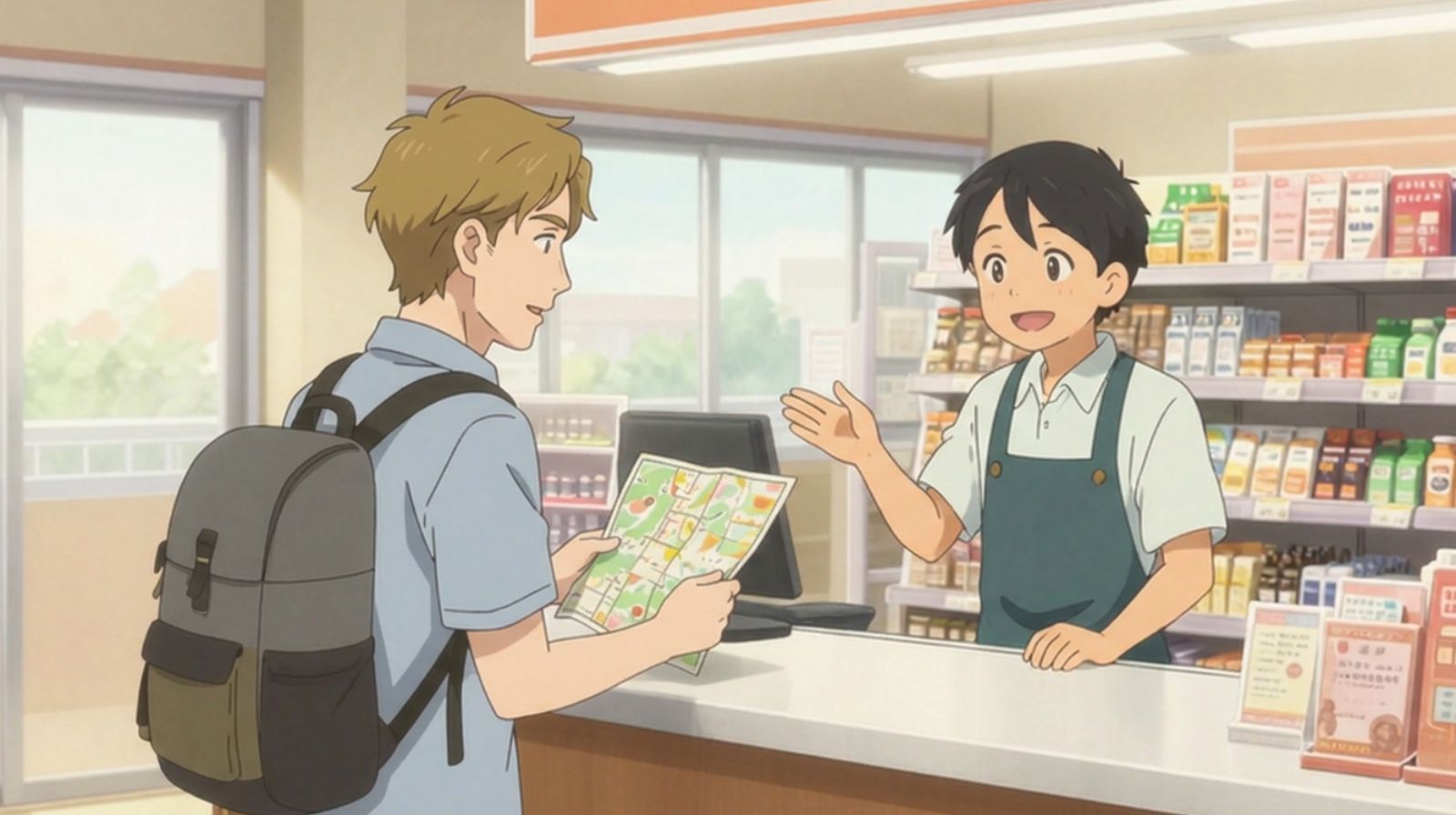
Enjoy Japan’s Bathing Culture With Confidence
You do not need to memorize every detail of Japanese bathing etiquette before your first visit.
Once you know the basic flow—change, wash, soak, and dry—and understand that some rules belong to the individual facility, the experience becomes much easier to approach.
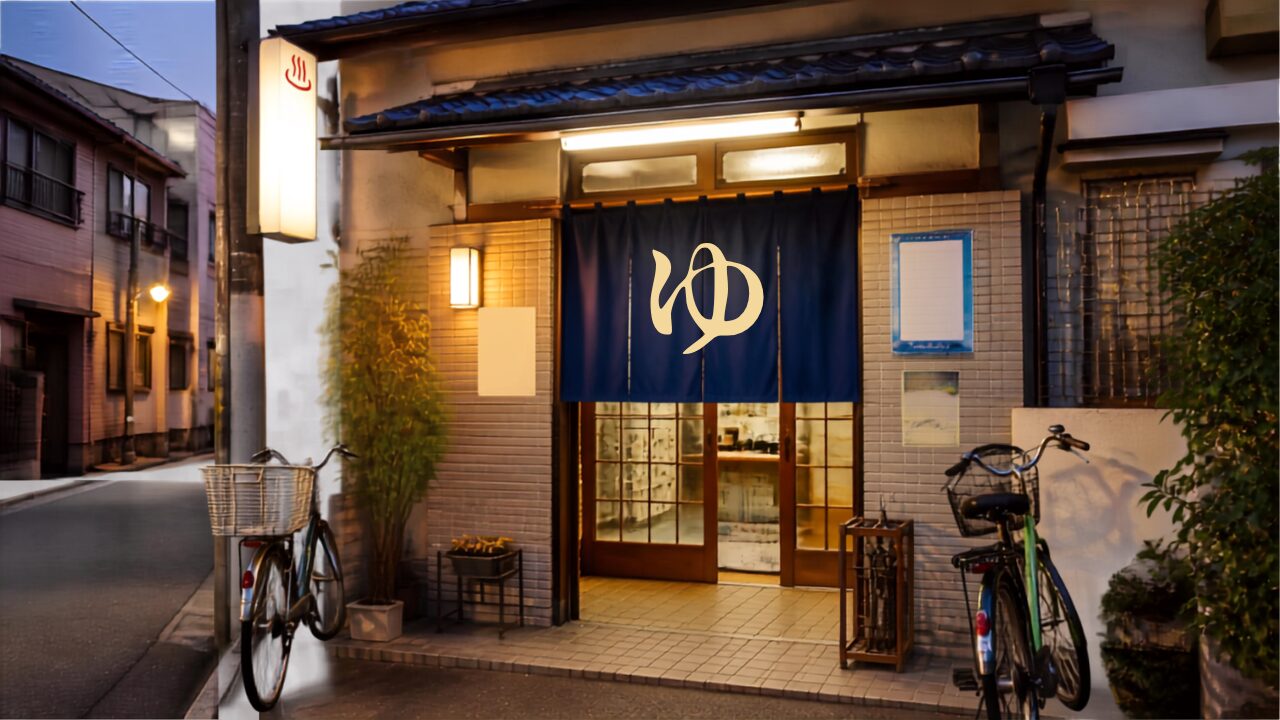
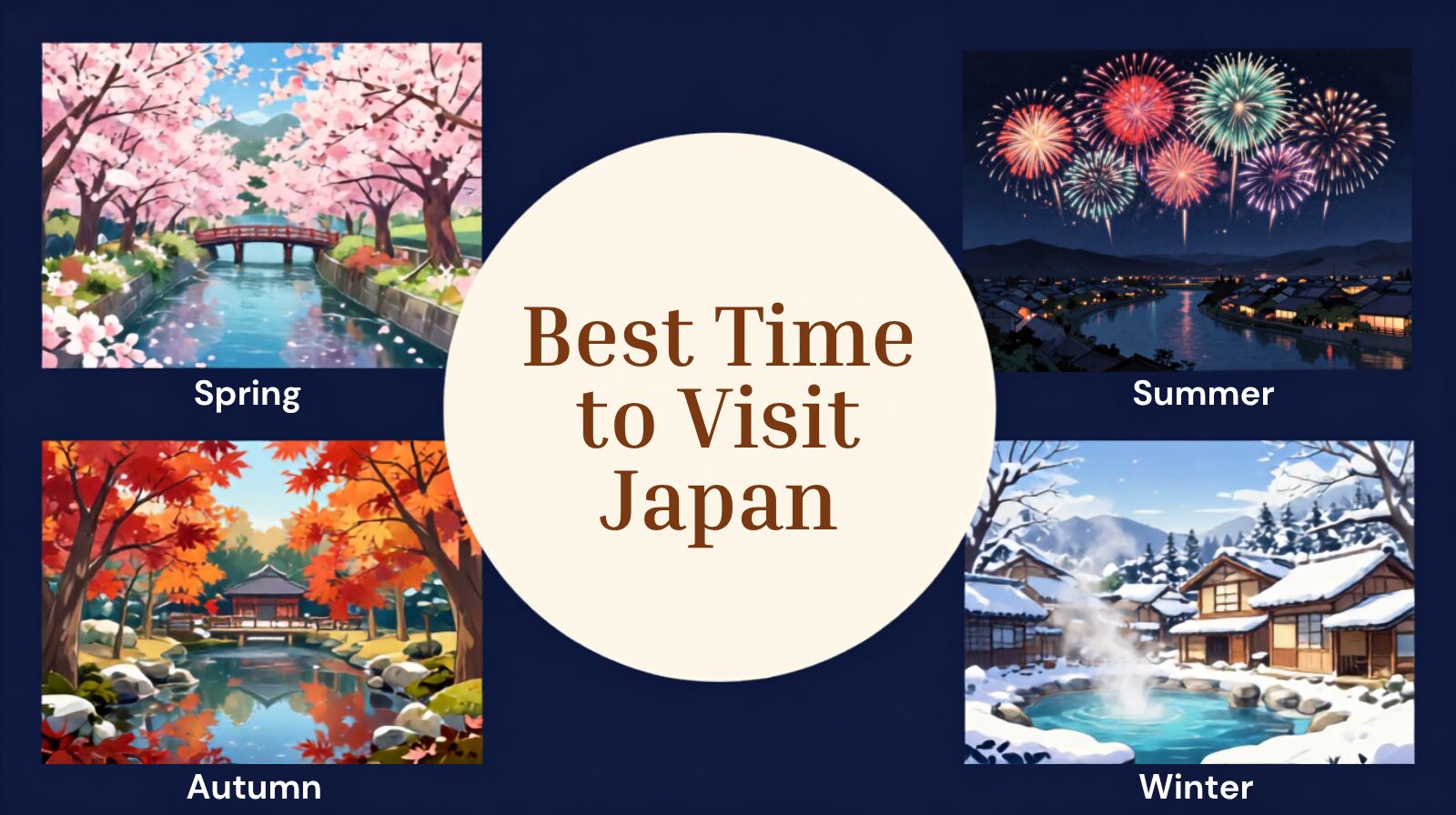
An onsen can become part of slowing down at a ryokan or spending an evening in a hot-spring town. If hot springs are one of the experiences you want to build your trip around, our Best Time to Visit Japan guide explains how the seasons can shape the way you travel. A sento offers something different: perhaps walking a few streets from your accommodation with a towel in hand, using a bathhouse shared by the neighborhood, and experiencing a small part of everyday life that would never appear on a sightseeing checklist.
Both reflect an important part of traveling in Japan: some of the most memorable experiences happen not while rushing between attractions, but in the quieter hours in between.
Frequently Asked Questions
- Do I have to be naked in an onsen in Japan?
-
In a conventional shared onsen or sento, usually yes. Clothing, underwear, and swimwear are normally removed before entering the bathing area. Some spa-style and swimsuit facilities operate differently, so check the individual facility when necessary.
- Can I wear a swimsuit in an onsen?
-
Usually not in a traditional shared bath. However, some hot-spring spas and mixed or activity-oriented facilities have swimsuit areas with their own rules.
- Can I visit an onsen if I have a tattoo?
-
Possibly. Tattoo policies vary significantly by facility. Some accept tattoos, some require them to be covered, and others set different conditions depending on the bathing area, so check the official policy before visiting.
- Do I need to bring my own towel?
-
It depends on the facility. Towels may be provided, rented, sold, or need to be brought with you. Many sento also sell basic bathing supplies, but you should check the facility beforehand if you want to arrive prepared.
- Do I have to wash before entering the bath?
-
Yes, in a conventional shared bath you should wash or thoroughly rinse yourself before entering the communal water. This is one of the basic customs of Japanese public bathing.
- Can children use an onsen or sento?
-
Generally yes, but age and mixed-gender bathing rules can vary by prefecture and facility. Children should also be supervised carefully around hot water and slippery floors.
- Can couples bathe together in an onsen?
-
Adult couples normally use separate male and female areas in a conventional public bath. Some facilities and accommodations offer private or family baths where couples can bathe together.
- What is the difference between an onsen and a sento?
-
Onsen refers to hot-spring water that meets Japan’s legal criteria, while sento refers to a public bathhouse traditionally used as part of community life. Some sento use natural hot-spring water, so a sento can also offer an onsen experience.
Related Guides
Explore practical guides to help you plan your trip and travel around Japan with confidence.
Planning Your Trip to Japan
- A Complete Guide for First-Time Visitors to Japan: Stay, Travel, and Experience Local Life
- How to Prepare for a Trip to Japan: What to Plan Before You Go
Transportation
- How to Use Trains and Subways in Japan
- How to Use IC Cards in Japan: Suica, PASMO, ICOCA & Mobile IC Cards
- How to Pay for Train Travel in Japan
- How to Use Local Buses in Japan: A First-Time Visitor Guide
- How to Use Taxis in Japan
- Kansai Airport to Osaka: Best Routes for 8 Areas
- Kansai Airport to Umeda: A Practical Route Example Using Train, Bus & Taxi
- How to Buy Shinkansen Tickets in Japan
- Japan Rail Pass: Is It Worth It? A Complete Guide
Money
- Cash or Credit Cards in Japan? A Complete Guide for First-Time Visitors
- Can I Use Credit Cards Everywhere in Japan? Where Cards Work—and Where You’ll Still Need Cash
- How to Exchange Money in Japan: The Best Ways to Get Japanese Yen
- Tax-Free Shopping in Japan: Rules, Purchases & Refunds
Cities & Destinations
- Osaka vs Kyoto: Which City Is Right for You?
- Where to Stay in Osaka: Best Areas for First-Time Visitors
- Are Osaka Hotels Expensive in 2026? What to Expect and When to Book
- Where to Stay in Yodoyabashi, Higobashi & Edobori: Central Osaka Area Guide
Culture & Etiquette
- Japanese Etiquette Every Visitor Should Know
- Onsen & Sento Etiquette in Japan: A First-Time Visitor Guide