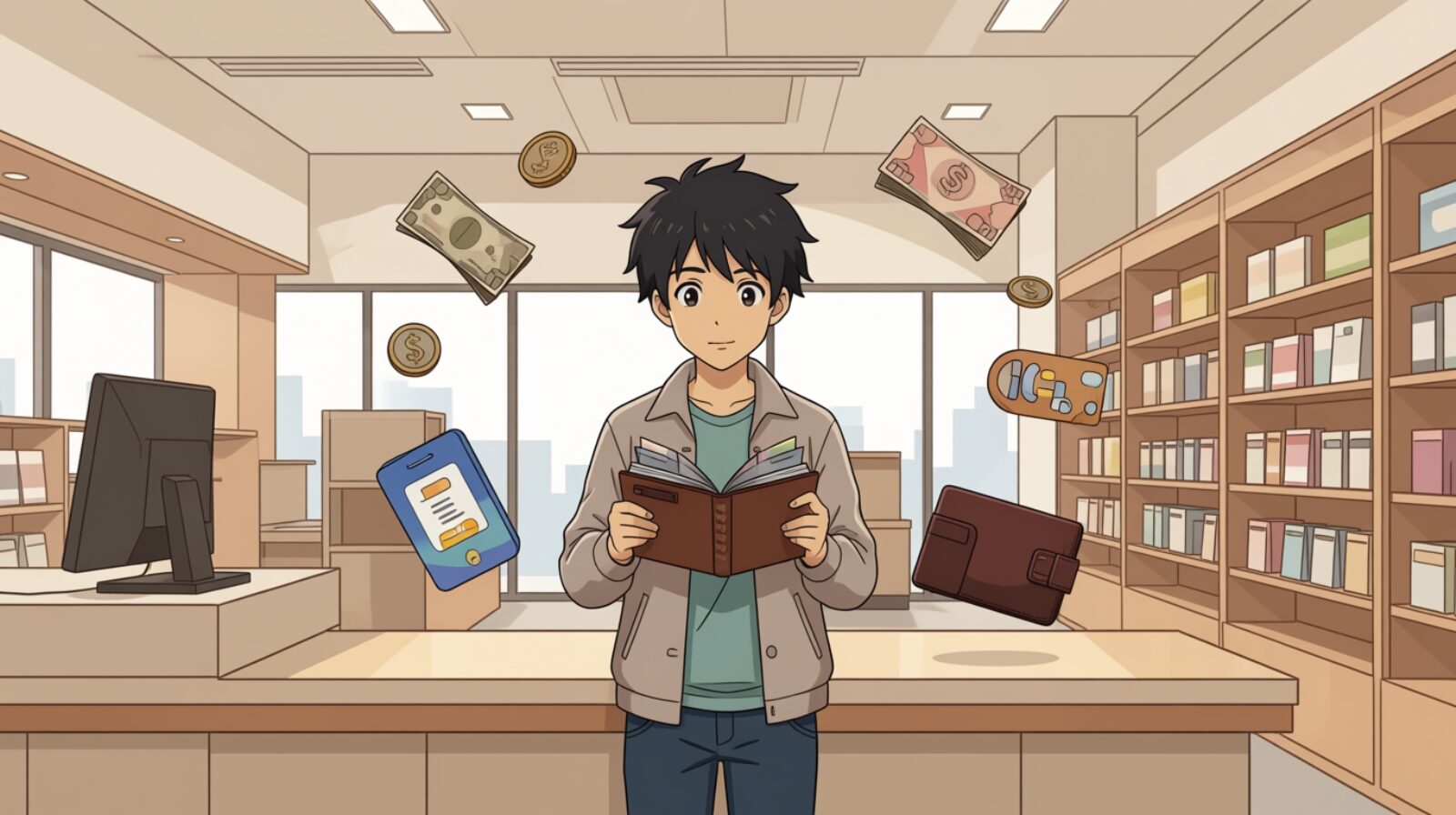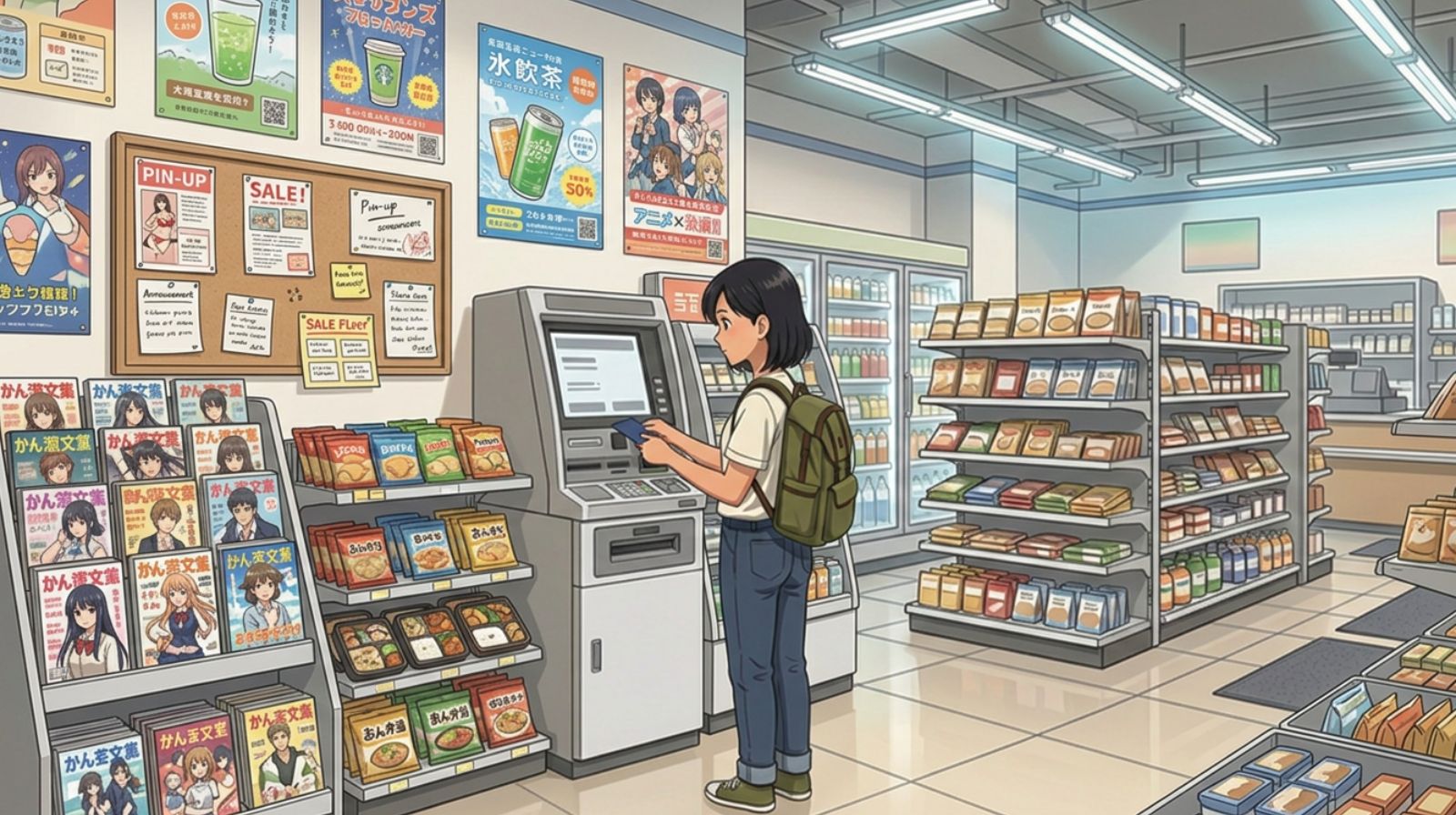
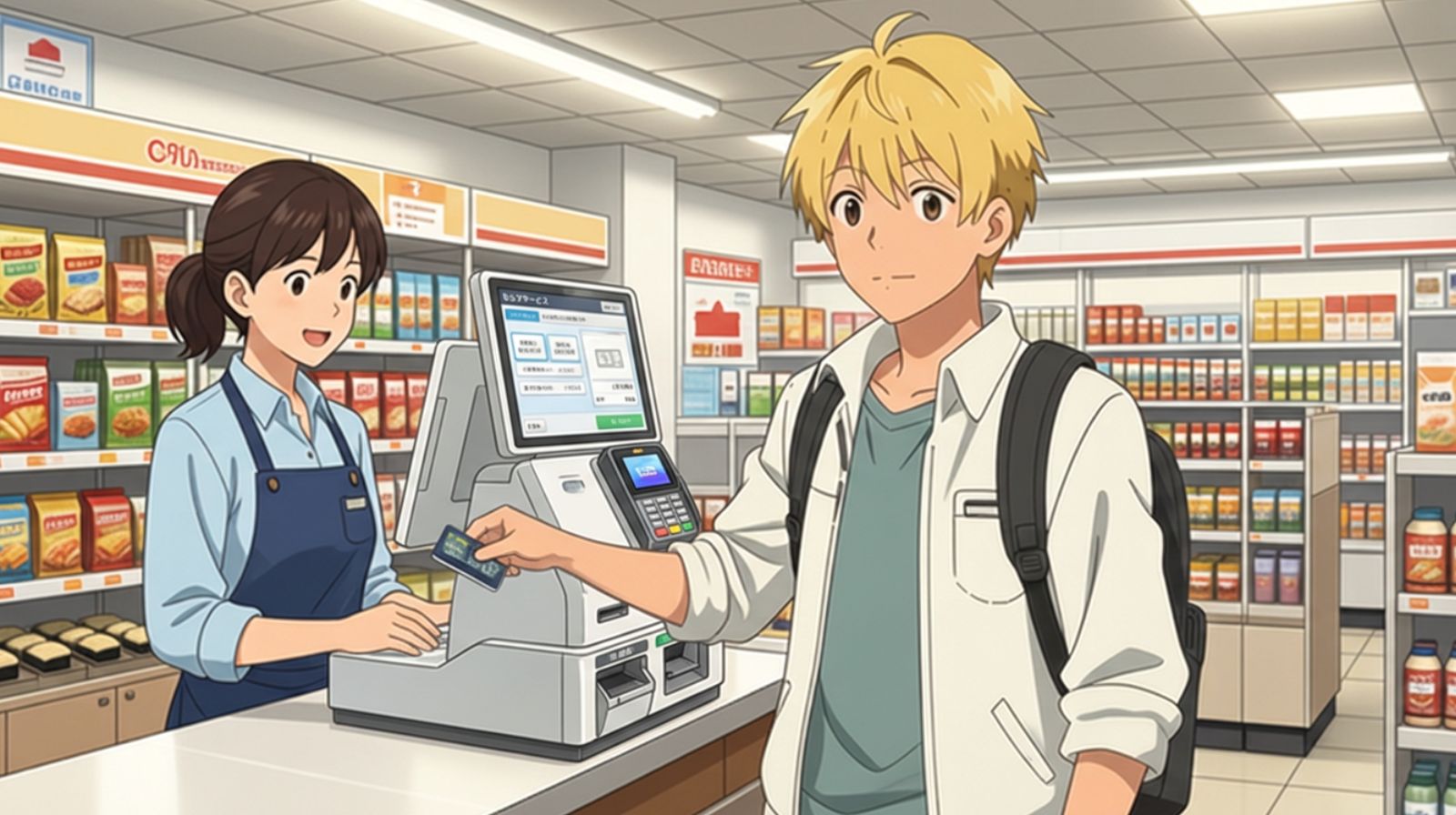
- Use a credit card at hotels, larger shops, convenience stores, major attractions, and many restaurants.
- Expect more variation at small independent businesses, markets, festivals, temples and shrines, and rural facilities.
- Bring a second card from another network or account and keep it separately.
- Know your PIN. If an inserted card requires PIN verification, do not assume a signature can be used instead.
- Keep some Japanese yen available for cash-only situations and payment problems.
For advice on how much cash to carry and how to combine cards, cash, and an IC card, see Cash or Credit Cards in Japan? How to Pay During Your Trip.
Where Can You Use Credit Cards in Japan?
You can pay by card for a large part of a typical trip, especially at larger or centrally managed businesses. However, “cards accepted” does not mean that every card, terminal, counter, or tenant will work in the same way.
| Place or Situation | Card Acceptance | What to Do |
|---|---|---|
| Hotels and larger accommodation properties | Common | Confirm how local taxes, deposits, meals, and other on-site charges are paid |
| Department stores, shopping centers, and larger retailers | Common | Keep the physical card available even if you normally pay by phone |
| Convenience stores | Common | Check the terminal for your card network and contactless symbol |
| Chain restaurants and larger cafés | Common, but not universal | Check the entrance or register before ordering |
| Small independent restaurants and shops | Varies widely | Carry cash and ask before ordering when unclear |
| Major attractions and museums | Common at main counters | Temporary stalls or smaller counters may use different methods |
| Temples, shrines, markets, and festivals | Often limited or mixed | Carry smaller notes and coins |
| Trains, buses, and taxis | Depends on the operator, route, vehicle, ticket, and machine | Do not assume direct bank-card payment is available for every journey |
| Rural, island, and mountain destinations | Less consistent | Obtain cash before leaving a major town or transport hub |
Hotels and Accommodation
Major hotels and many booking platforms accept international cards. Smaller inns, guesthouses, family-run properties, and remote accommodation may have different arrangements.
Check whether your stay is prepaid and how you must pay accommodation taxes, deposits, meals, parking, or other charges collected at the property. A card that worked on a booking platform may not necessarily work through the property’s separate payment terminal.
Restaurants and Small Businesses
Many chain restaurants, hotel restaurants, larger cafés, and restaurants inside commercial buildings accept cards. Independent restaurants vary much more, including within central Tokyo, Osaka, and Kyoto.
Look for payment logos at the entrance, ticket machine, menu, or register. A machine at the entrance may be the only way to order, so check it before choosing a meal. Some businesses accept only cash, while a smaller number are cashless-only.
Places Where Cash Is More Likely
Card acceptance is less predictable at small family-run businesses, traditional cafés, temple and shrine counters, local markets, festival stalls, neighborhood shops, and facilities in rural or remote areas.

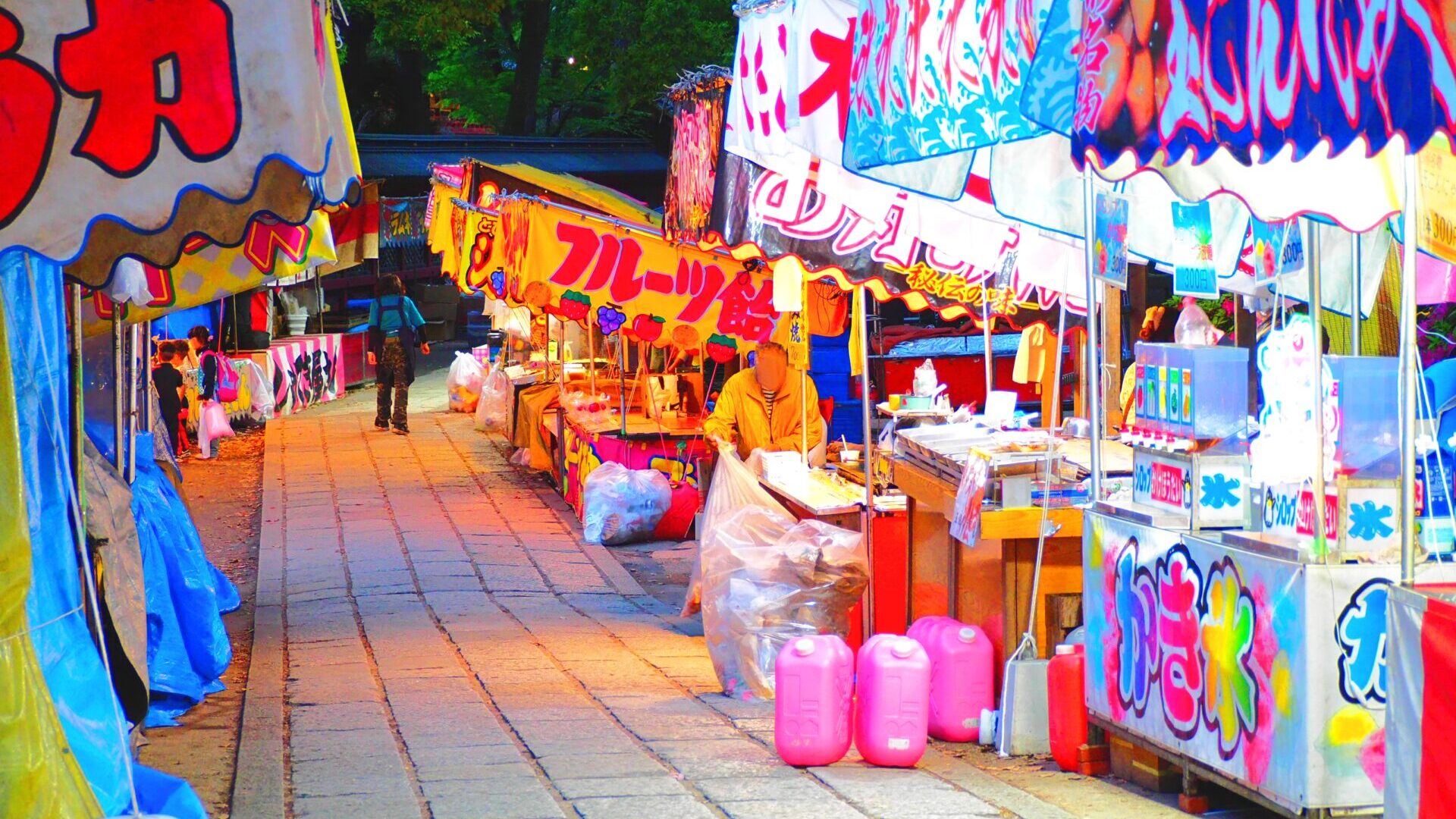
Payment methods can also differ within the same place. A shrine gift shop may accept cards while an offering box requires cash. A station may have one machine that accepts cards and another that accepts only cash or an IC card.
Meal ticket machines are common at ramen shops and other casual restaurants. Some still accept cash only, while newer machines may also accept credit cards, IC cards, or QR payments. Check the payment logos on the machine before choosing your meal.
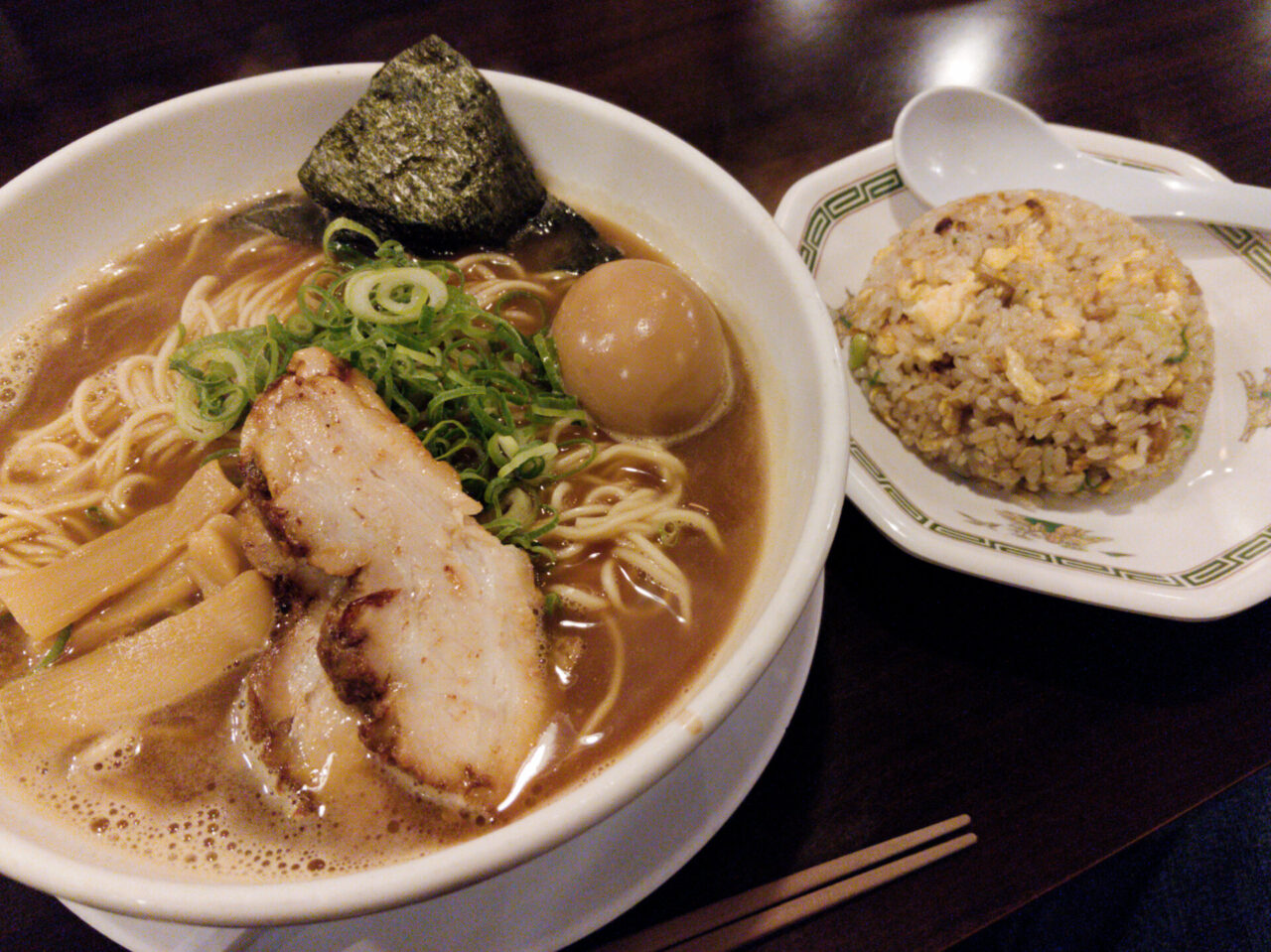
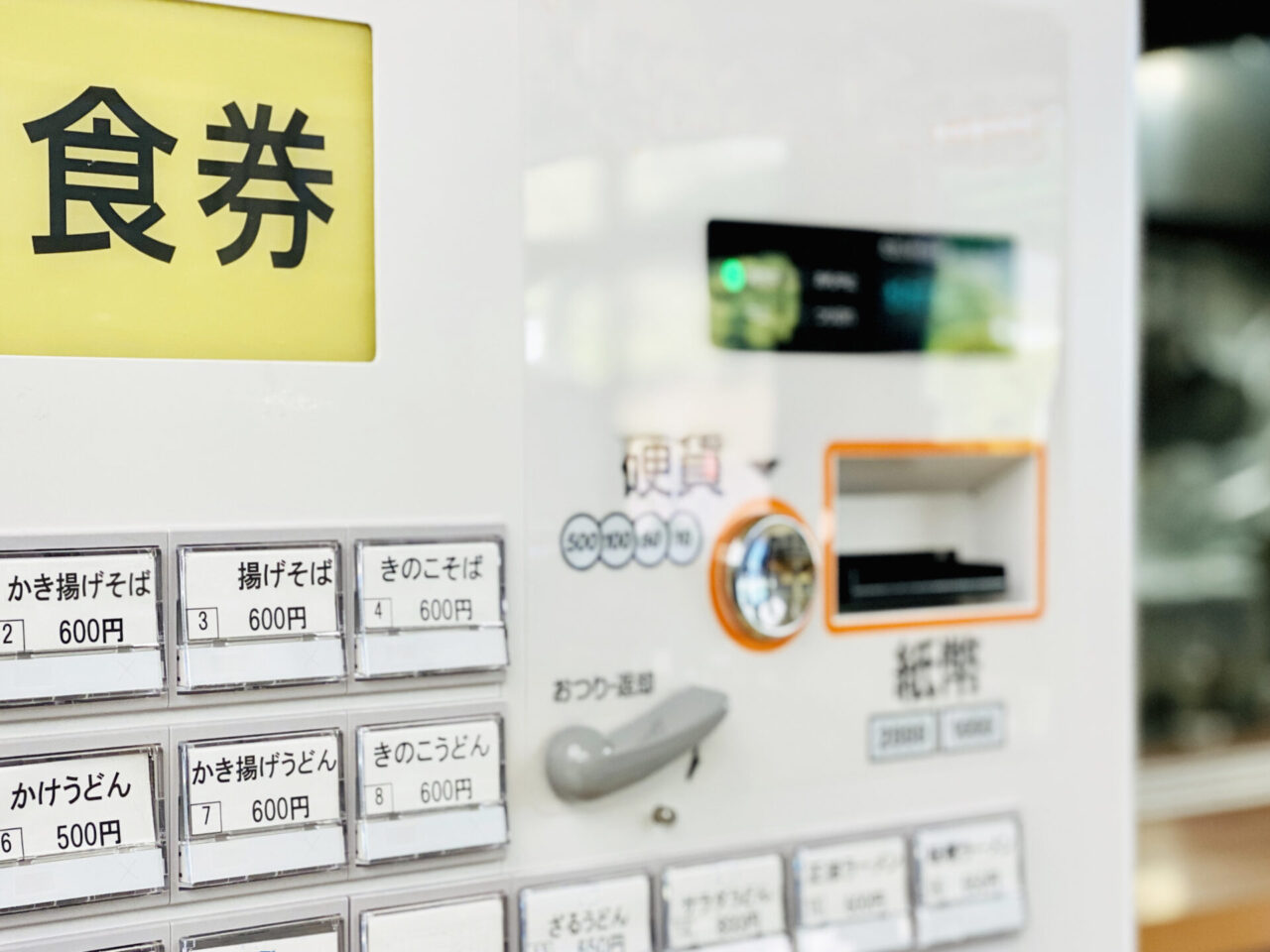
The practical response is not to avoid these places. Check before ordering and keep enough yen available so that a payment method does not decide where you can eat or what you can experience.
Do Overseas-Issued Credit Cards Work in Japan?
Yes, many overseas-issued credit, debit, and prepaid cards work at merchants that accept the relevant international card network. Approval is not guaranteed, even when the correct logo is displayed.
A transaction can depend on the merchant’s agreement, payment terminal, card network, card type, issuer settings, security checks, and whether the terminal can process that particular overseas-issued card.
Card Networks
Visa, Mastercard, and JCB have broad acceptance in Japan. American Express, Diners Club, Discover, UnionPay, and other networks may also be accepted, depending on the business.
Bring a widely accepted international card and a second card from another network or account. Keep the backup separately from your main wallet. This protects you against both network differences and problems affecting a particular card or account.
Know Your PIN Before You Travel
If you insert an IC-chip card, the transaction may require your PIN. Japan’s credit card industry uses PIN verification as the standard identity check for IC card transactions, although some contactless or other qualifying transactions may not require it.
Know the PIN for every card you plan to use. If an inserted card asks for a PIN, do not assume that staff can switch the transaction to a signature. Contact your issuer before departure if you do not know the PIN or are unsure whether overseas purchases are enabled.
Can You Use Contactless Cards, Mobile Wallets, and QR Payments?
Contactless Credit and Debit Cards
Contactless payment is available at many convenience stores, supermarkets, cafés, retailers, and some transportation services. Look for both the contactless symbol and your card network on the terminal.
A store may accept your card network without supporting contactless payment at that register. If tapping fails, insert the physical card and enter the PIN when requested.
Apple Pay and Google Wallet
Apple Pay and Google Wallet may work when your device, card issuer, underlying card network, and the merchant’s terminal are compatible. Support is not universal, so keep the physical card or another payment method available.
PayPay and Other QR Payments
A PayPay logo does not mean that the merchant accepts your international credit card. Credit card networks and QR payment services are separate payment methods and should be checked individually.
If you already use an overseas wallet connected through Alipay+, you may be able to use it at a participating PayPay merchant. Support depends on both the wallet and the merchant, so check the payment options displayed at the register.
Most short-term visitors do not need to create a Japanese PayPay account for their trip.
Can You Use Credit Cards for Transportation?
Sometimes. Credit cards are commonly used for many Shinkansen and limited express purchases at compatible counters, machines, or official booking services. For local trains, subways, buses, and taxis, the answer depends on the operator, route, station, vehicle, and payment terminal.
Direct tap-to-ride travel using a compatible contactless credit, debit, or prepaid card is expanding. As of 2026, it covers many services in several regions, including a connected network of participating operators in the Kanto area. It is not available on every railway, at every station, or across every transfer, so it is not yet a nationwide replacement for an IC card.
For a multi-city first trip, an IC card remains the simplest default for many everyday local journeys. Use direct bank-card tapping when the specific service supports it.
For choosing between an IC card, paper ticket, credit card, and online reservation, see How to Pay for Train Travel in Japan.
What to Do If Your Credit Card Is Declined
A declined payment does not necessarily mean that the business refuses overseas cards. The problem may come from the terminal, the card issuer, the account, or the way the transaction is being processed.
Why a Payment May Fail
- Your issuer blocks or flags the overseas transaction
- Overseas use is disabled or you have reached a spending or security limit
- The terminal cannot process that network, card type, or overseas-issued card
- Contactless payment fails and the card needs to be inserted
- The transaction requires a PIN that is incorrect or unavailable
- The merchant or payment network has a temporary technical problem
Unattended ticket machines, fuel pumps, lockers, and other automated terminals can be more restrictive than staffed counters. When possible, try a staffed counter instead of repeatedly attempting the same payment.
What to Try Next
- Insert the physical card if contactless payment failed.
- Enter the PIN if the terminal requests it.
- Check that the terminal displays your card network.
- Try your second card, preferably from another network or account.
- Check your banking app for an alert, overseas-use setting, or account limit.
- Use cash or another accepted method if you need to complete the purchase immediately.
- Contact the card issuer if the problem continues at different businesses.
If you need Japanese yen after a declined merchant payment, an overseas-enabled debit card at a compatible international ATM is one option. For ATM compatibility, fees, limits, withdrawal steps, currency choices, and failed-withdrawal troubleshooting, read ATMs in Japan: How to Withdraw Cash With a Foreign Card.
To compare an ATM withdrawal with exchanging foreign banknotes at an airport or city counter, see How to Exchange Money in Japan: The Best Ways to Get Japanese Yen.
How to Check Whether Cards Are Accepted
Look for payment logos near the entrance, register, menu, ticket machine, or terminal. These show the methods the business intends to accept, but they do not guarantee that every overseas-issued card will be approved.
Check each payment type separately. A PayPay sticker does not necessarily mean that international credit cards or every overseas QR wallet are accepted.
Useful Japanese for Card Payments
| Japanese | Romaji | English |
|---|---|---|
| クレジットカードは使えますか? | Kurejitto kādo wa tsukaemasu ka? | Can I use a credit card? |
| タッチ決済は使えますか? | Tacchi kessai wa tsukaemasu ka? | Can I use contactless payment? |
| このカードは使えますか? | Kono kādo wa tsukaemasu ka? | Can I use this card? |
| 現金のみです。 | Genkin nomi desu. | Cash only. |
| 暗証番号をお願いします。 | Anshō bangō o onegai shimasu. | Please enter your PIN. |
| 一括払いでお願いします。 | Ikkatsu barai de onegai shimasu. | One-time payment, please. |
At some registers, staff may ask whether you want to pay in one installment. Most overseas visitors should answer 一括払い / Ikkatsu barai / One-time payment, because installment arrangements offered in Japan may not apply to an overseas-issued card.
Before You Leave for Japan
- Bring at least two payment cards. Keep the backup separately from your main wallet.
- Know your PIN. Do not depend on signature verification when an inserted card requires a PIN.
- Check overseas-use settings and account limits. Make sure you can receive security alerts while traveling.
- Keep issuer contact details separately. This is useful if a card is blocked, lost, or stolen.
- Carry some Japanese yen. Adjust the amount to your itinerary, group size, and access to ATMs.
Last verified: September 2, 2026 (JST)
Frequently Asked Questions
- Can I use Visa or Mastercard everywhere in Japan?
-
No. Visa and Mastercard have broad acceptance, but no card works everywhere. Small independent businesses, markets, festivals, temple and shrine counters, and some rural services may require cash or another payment method.
- Do overseas-issued credit cards work in Japan?
-
Yes, many overseas-issued cards work at merchants that accept the relevant international network. A transaction can still be declined because of the terminal, issuer settings, fraud controls, account limits, or PIN requirements.
- Do I need a PIN to use my credit card in Japan?
-
You may need one when inserting an IC-chip card. Know your PIN before traveling and do not assume that a signature can replace PIN verification when the terminal requests it.
- Can I use a credit card for trains and subways?
-
Sometimes. Credit cards can be used for many Shinkansen and limited express purchases, and direct contactless tap-to-ride service is expanding on local networks. Coverage is not nationwide, so an IC card or paper ticket remains necessary for many journeys.
- Can I rely on Apple Pay or Google Wallet in Japan?
-
No. A mobile wallet may work when your device, issuer, underlying card, and the merchant’s terminal are compatible, but support is not universal. Keep the physical card and another payment option available.
- What should I do if my credit card is declined?
-
Insert the card if tapping failed, enter the PIN if requested, try a second card, and check your banking app. Use cash or another accepted method if necessary, and contact the issuer if the card fails at different businesses.
- Should I carry cash even if I plan to use credit cards?
-
Yes. Some Japanese yen is useful for cash-only businesses, smaller local services, and unexpected card problems. The amount should reflect your itinerary rather than a fixed daily rule.