This guide covers the customs first-time visitors are most likely to encounter on trains, in restaurants, at temples and shrines, in shared public spaces, and at onsen or sento. Where a topic needs more detail, you can continue to one of our more specific guides.
Japanese Etiquette Is About Consideration, Not Perfection
Visitors are not expected to know every Japanese custom. What matters more is noticing how a space is being used and adjusting when necessary.
If you are unsure, look for signs, observe what people around you are doing, or ask a member of staff. A small mistake is usually easy to correct.
This is especially useful outside major tourist areas, where instructions may be simpler or available mainly in Japanese. If communication is a concern, our guide to How Much English Is Spoken in Japan? explains what to expect and how to manage everyday situations with limited Japanese.
Public Transportation Etiquette
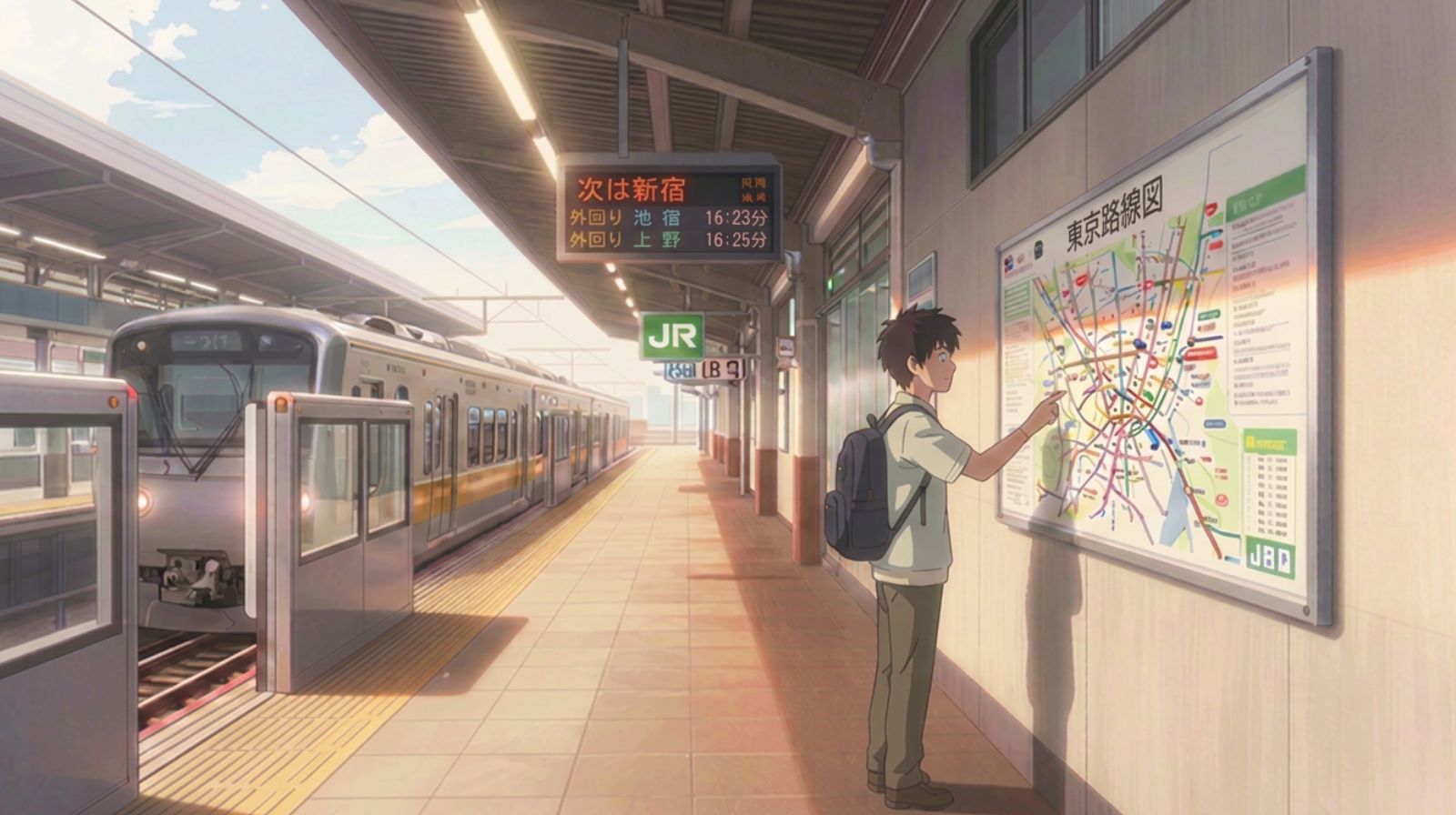
Trains and subways are shared by large numbers of commuters, students, families, and travelers every day. A few habits make these spaces easier for everyone to use.
Keep Conversations Quiet
Normal conversation is fine, but keep your voice at a considerate level. Phone calls are generally avoided on trains, and audio should be played through headphones.
Let People Exit Before You Board
Queue behind the platform markings where provided, leave space for passengers to get off, and then board. If you are standing near the doors on a crowded train, you may need to step onto the platform briefly so others can pass.
Keep Luggage Out of the Way
Large suitcases and backpacks can block aisles and doors. Keep luggage close to you and use racks or designated storage where available. During crowded periods, be especially aware of bags on your back or beside your feet.
Respect Priority Seating
Priority seats are intended for passengers who may need them, including older people, pregnant passengers, and people with disabilities or reduced mobility. If you use one, be ready to offer it to someone who needs it.
Stand Still on Escalators
You may still notice people standing on different sides of escalators in different cities, but this is not a rule visitors need to memorize. Railway operators encourage passengers to stand still rather than walk on escalators. Follow signs and station instructions where provided.
For the practical side of riding trains, changing lines, using ticket gates, and navigating large stations, see our How to Use Trains and Subways in Japan guide.
Shared Spaces: Give Other People Room
Japan’s busiest stations, shopping streets, and tourist areas can become crowded. The most useful habit is simply to notice whether you are blocking someone else’s path.
- Step aside before stopping to check a map or phone
- Do not block stairs, ticket gates, shop entrances, or narrow streets
- Keep large luggage close to you in crowded areas
- Follow queues and floor markings where they are provided
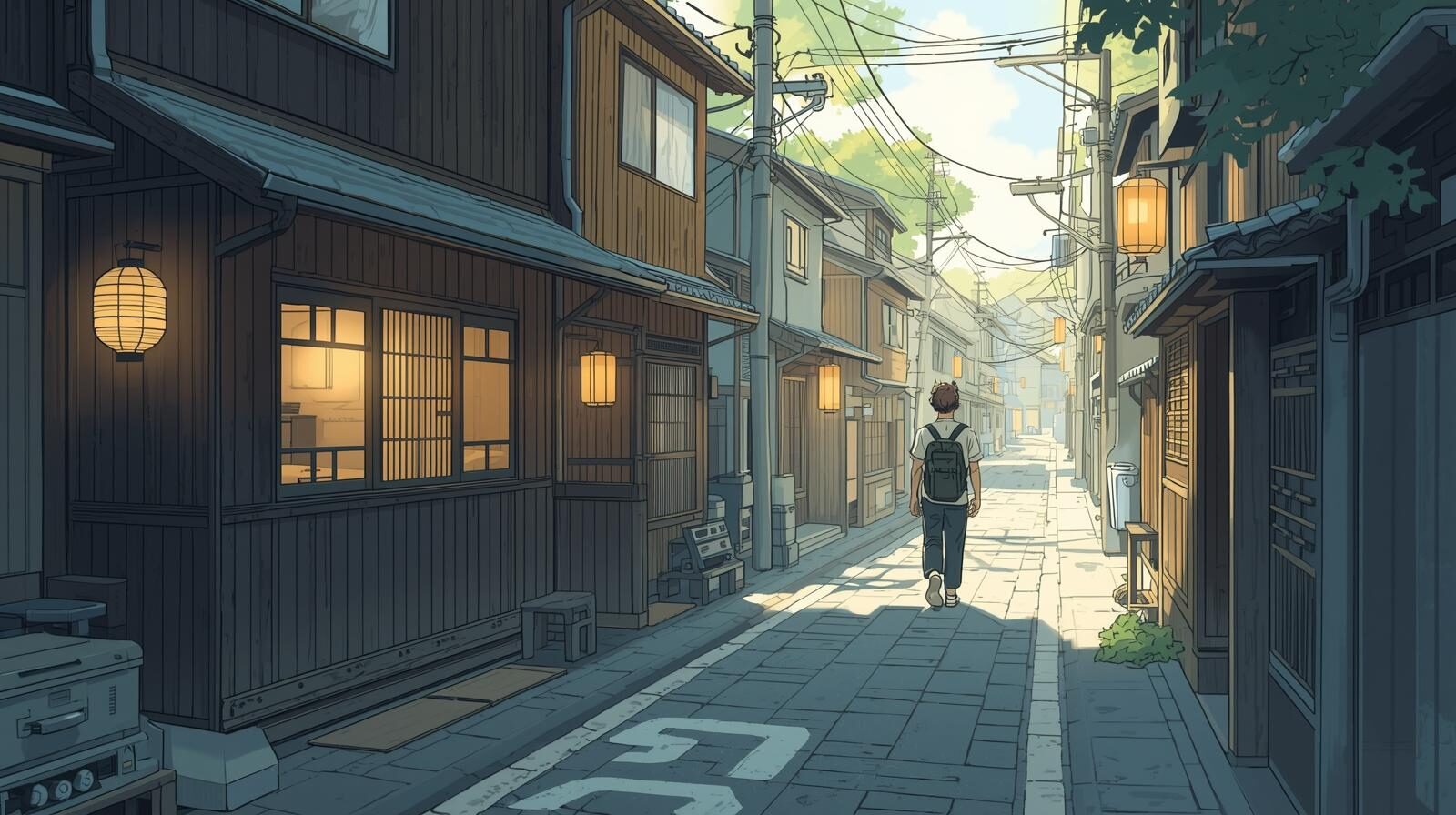
These habits matter just as much in residential neighborhoods as they do around major attractions. A narrow street may also be part of someone’s daily route to work, school, or home.
Eating, Drinking, and Trash in Public
Eating while walking is often described as a strict taboo in Japan, but the reality is more situational. Some places are relaxed about it, while crowded tourist areas, markets, temples, shrines, or individual businesses may ask visitors not to eat while moving through the space.
If food is meant to be eaten near the shop or stall, stop somewhere that does not block other people. Follow any local signs rather than assuming the same rule applies everywhere.
Public trash bins can also be less common than some visitors expect. Use the correct bins when they are available, follow any sorting instructions, and be prepared to carry small items of trash with you until you find an appropriate place to dispose of them.
Photography and Private Property
A beautiful street, shop, shrine, or neighborhood is not automatically a place where photography is welcome.
Look for signs and respect staff instructions. Photography may be restricted inside temples, shrines, museums, shops, restaurants, traditional buildings, changing rooms, and other private spaces.
When photographing people, avoid treating someone as part of the scenery. Ask permission when an individual is clearly the subject of the photograph, and never enter private property to get a better angle.
Two useful signs to recognize are:
| Japanese | Romaji | English |
|---|---|---|
| 撮影禁止 | Satsuei kinshi | No photography |
| 立入禁止 | Tachiiri kinshi | No entry |
Remove Your Shoes When Required
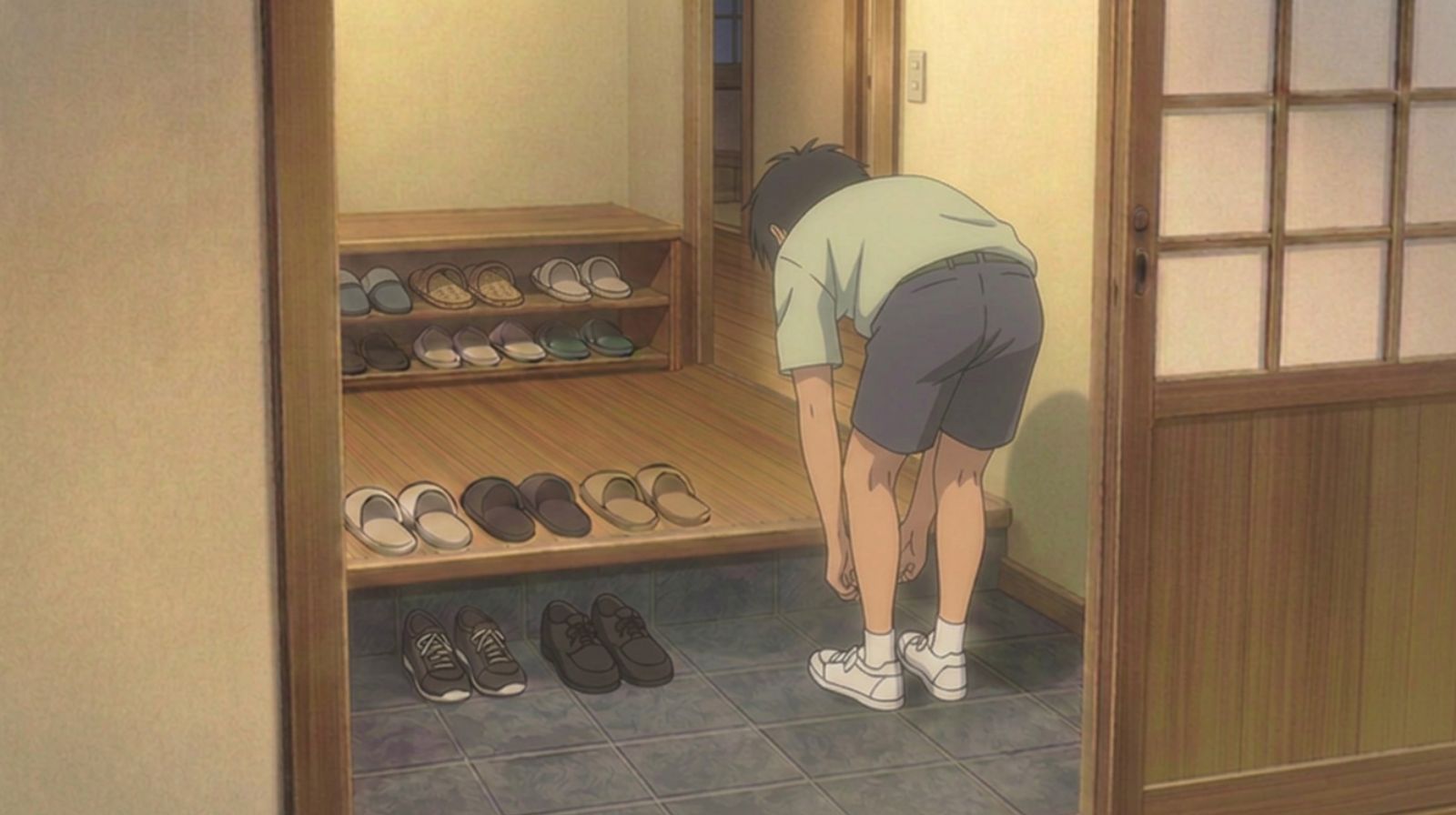
Shoes are removed in private homes and in some traditional accommodations, restaurants, temples, historic buildings, and bathing facilities.
Look for a raised floor, shoe racks, slippers, or signs near the entrance. If everyone else’s shoes are lined up before an indoor area, that is usually a strong clue that yours should come off too.
When slippers are provided, use them only in the area intended. Toilet slippers, where provided, should stay in the toilet area.
A useful sign is:
土足厳禁 / Dosoku genkin / No outdoor shoes
Dining Etiquette: A Few Basics
Restaurant etiquette varies from a casual ramen shop to a ryokan dinner or a small reservation-only restaurant, so there is no need to learn one rigid set of table rules.
For most first-time visitors, these basics are enough:
- Arrive on time for reservations, and cancel as early as possible if your plans change
- Use the おしぼり / Oshibori / Wet hand towel primarily for your hands
- Do not stick chopsticks upright in a bowl of rice or pass food directly from chopsticks to chopsticks
- Follow the restaurant’s system for ordering, seating, and payment
- Tipping is generally not customary in ordinary restaurants, cafés, and taxis
You do not need to copy every dining habit you see. For example, slurping noodles is acceptable, but you are not required to do it.
Onsen and Sento Etiquette
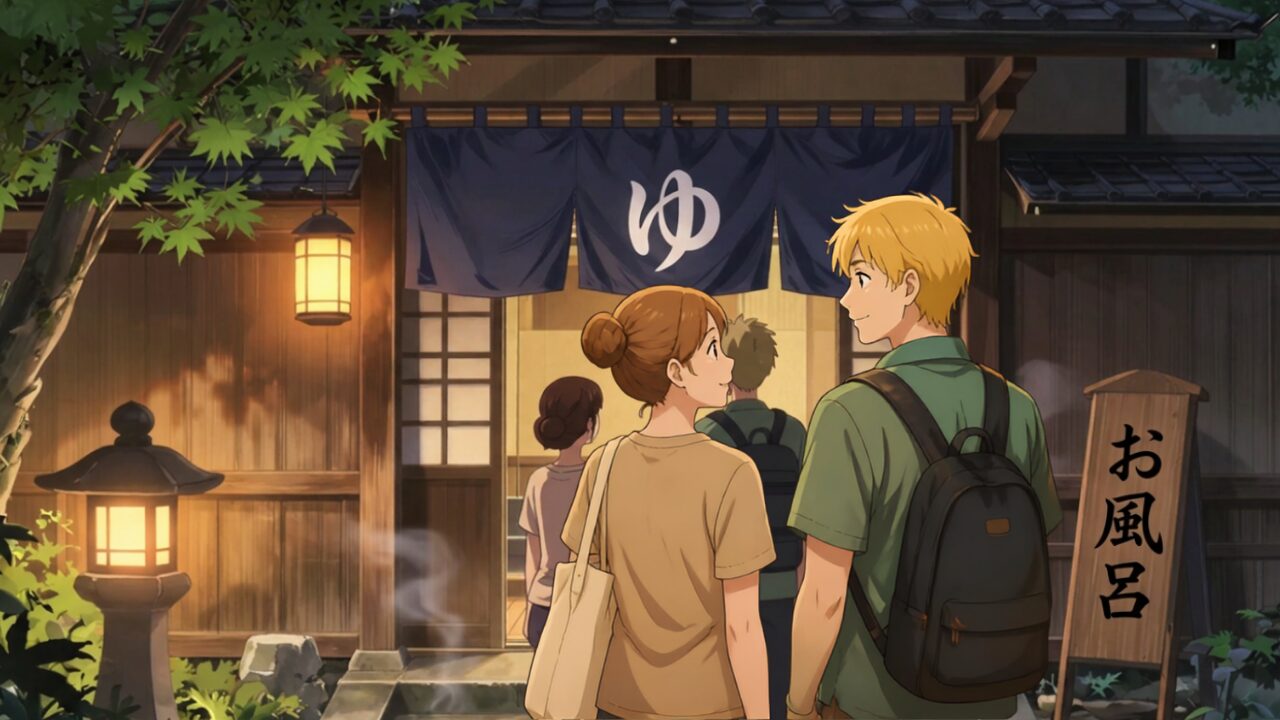
Public bathing has its own customs, and this is one area where knowing the basic process before you arrive can make a big difference.
- Wash your body and rinse off all soap before entering the shared bath
- Do not wear swimwear in a conventional shared bath unless the facility specifically says otherwise
- Keep towels and long hair out of the bath water
- Check facility-specific rules for tattoos, children, private baths, saunas, and photography
For the full process—from taking off your shoes and checking in to washing, soaking, and drying—see our Onsen & Sento Etiquette in Japan guide.
Shrines, Temples, and Cultural Sites
Shrines and temples are often part of a sightseeing itinerary, but they are also places of worship and cultural importance. You do not need to perform every ritual exactly as a local visitor would, but you should treat the space accordingly.
- Follow photography restrictions
- Do not enter closed or private areas
- Keep voices and behavior appropriate to the atmosphere
- Do not touch or climb on cultural objects unless clearly permitted
- Follow shoe-removal instructions where applicable
Specific worship practices vary between Shinto shrines and Buddhist temples. If you want to participate, follow the instructions provided at the site rather than worrying about performing a memorized ritual perfectly.
Useful Japanese Phrases for Polite Everyday Interactions
You can travel in Japan without speaking Japanese, but a few short phrases are useful in shops, restaurants, stations, and neighborhood businesses.
| Japanese | Romaji | English |
|---|---|---|
| すみません | Sumimasen | Excuse me / Sorry |
| ありがとうございます | Arigatō gozaimasu | Thank you |
| お願いします | Onegaishimasu | Please |
A few words are often enough to make an interaction easier. You do not need perfect pronunciation, and gestures, menus, maps, and translation apps can fill in the rest.
Local Rules Matter More Than a Universal Etiquette Checklist
A rule you see in one place may not apply everywhere else in Japan.
A bathhouse may have its own tattoo policy. A market may ask visitors not to eat while walking. A temple may prohibit photography in one building but allow it outdoors. A train operator may have specific instructions for luggage or priority seating.
General etiquette helps you know what to expect, but signs and staff instructions at the place you are actually visiting should take priority.
Etiquette Helps You Experience Japan More Naturally
The point of learning a few customs is not to behave exactly like a local. It is to make everyday situations easier to read.
That matters most when you move beyond major attractions. A neighborhood sento, a small restaurant, a local shopping street, or a quiet train platform may come with fewer explanations in English, but these are also places where you can see more of everyday life in Japan.
If this is your first trip, our Complete Guide for First-Time Visitors to Japan brings together transportation, accommodation, language, money, and local experiences to help you plan the rest of your journey.
Frequently Asked Questions
- Do tourists need to know Japanese etiquette before visiting Japan?
-
You do not need to memorize every custom before your trip. Knowing a few basics—such as queuing, keeping noise down on public transportation, following shoe-removal rules, and paying attention to local signs—will make many everyday situations easier.
- What happens if I make an etiquette mistake in Japan?
-
Small mistakes are usually easy to correct. If someone points something out or you notice that others are doing things differently, adjust politely and continue. Visitors are not expected to know every local custom.
- Is eating while walking rude in Japan?
-
It depends on the location. Some places are relaxed about it, while crowded tourist areas, markets, cultural sites, or individual businesses may ask visitors not to eat while walking. Follow local signs and avoid blocking other people while you eat.
- Should I stand on the left or right side of an escalator in Japan?
-
You do not need to memorize a regional side. Current safety guidance encourages passengers to stand still rather than walk on escalators. Follow signs and local instructions where provided.
- Do I need to tip in Japan?
-
Tipping is generally not customary in ordinary restaurants, cafés, and taxis. Some specialized services may have their own systems, so follow the pricing and payment instructions provided by the business.
- Can I take photos anywhere in Japan?
-
No. Photography may be restricted at temples, shrines, museums, shops, restaurants, private properties, and other locations. Look for 撮影禁止 / Satsuei kinshi / No photography signs and follow staff instructions.
Related Guides
Explore practical guides to help you plan your trip and travel around Japan with confidence.
Planning Your Trip to Japan
- A Complete Guide for First-Time Visitors to Japan: Stay, Travel, and Experience Local Life
- How to Prepare for a Trip to Japan: What to Plan Before You Go
Transportation
- How to Use Trains and Subways in Japan
- How to Use IC Cards in Japan: Suica, PASMO, ICOCA & Mobile IC Cards
- How to Pay for Train Travel in Japan
- How to Use Local Buses in Japan: A First-Time Visitor Guide
- How to Use Taxis in Japan
- Kansai Airport to Osaka: Best Routes for 8 Areas
- Kansai Airport to Umeda: A Practical Route Example Using Train, Bus & Taxi
- How to Buy Shinkansen Tickets in Japan
- Japan Rail Pass: Is It Worth It? A Complete Guide
Money
- Cash or Credit Cards in Japan? A Complete Guide for First-Time Visitors
- Can I Use Credit Cards Everywhere in Japan? Where Cards Work—and Where You’ll Still Need Cash
- How to Exchange Money in Japan: The Best Ways to Get Japanese Yen
- Tax-Free Shopping in Japan: Rules, Purchases & Refunds
Cities & Destinations
- Osaka vs Kyoto: Which City Is Right for You?
- Where to Stay in Osaka: Best Areas for First-Time Visitors
- Are Osaka Hotels Expensive in 2026? What to Expect and When to Book
- Where to Stay in Yodoyabashi, Higobashi & Edobori: Central Osaka Area Guide
Culture & Etiquette
- Japanese Etiquette Every Visitor Should Know
- Onsen & Sento Etiquette in Japan: A First-Time Visitor Guide