The Quick Answer: Osaka or Kyoto?
For many first-time visitors, the decision can be simplified like this:
- Choose Osaka if food, shopping, nightlife, convenient transport, and a lively city atmosphere matter most.
- Choose Kyoto if temples, shrines, historic streets, gardens, and slower-paced cultural sightseeing are your priorities.
- Choose Osaka as your base and visit Kyoto on day trips if you prefer returning to a larger city in the evening.
- Choose Kyoto as your base and visit Osaka if early mornings and evenings in Kyoto are an important part of the experience you want.
- Split your stay if you have enough time and want to experience both cities beyond their daytime attractions.
There is no wrong choice. The better base depends on how you want to spend the parts of the day that are not filled with sightseeing.
Osaka and Kyoto Are Closer Than You Think
大阪 / Ōsaka / Osaka and 京都 / Kyōto / Kyoto are close enough that you do not need to treat them as completely separate trips.
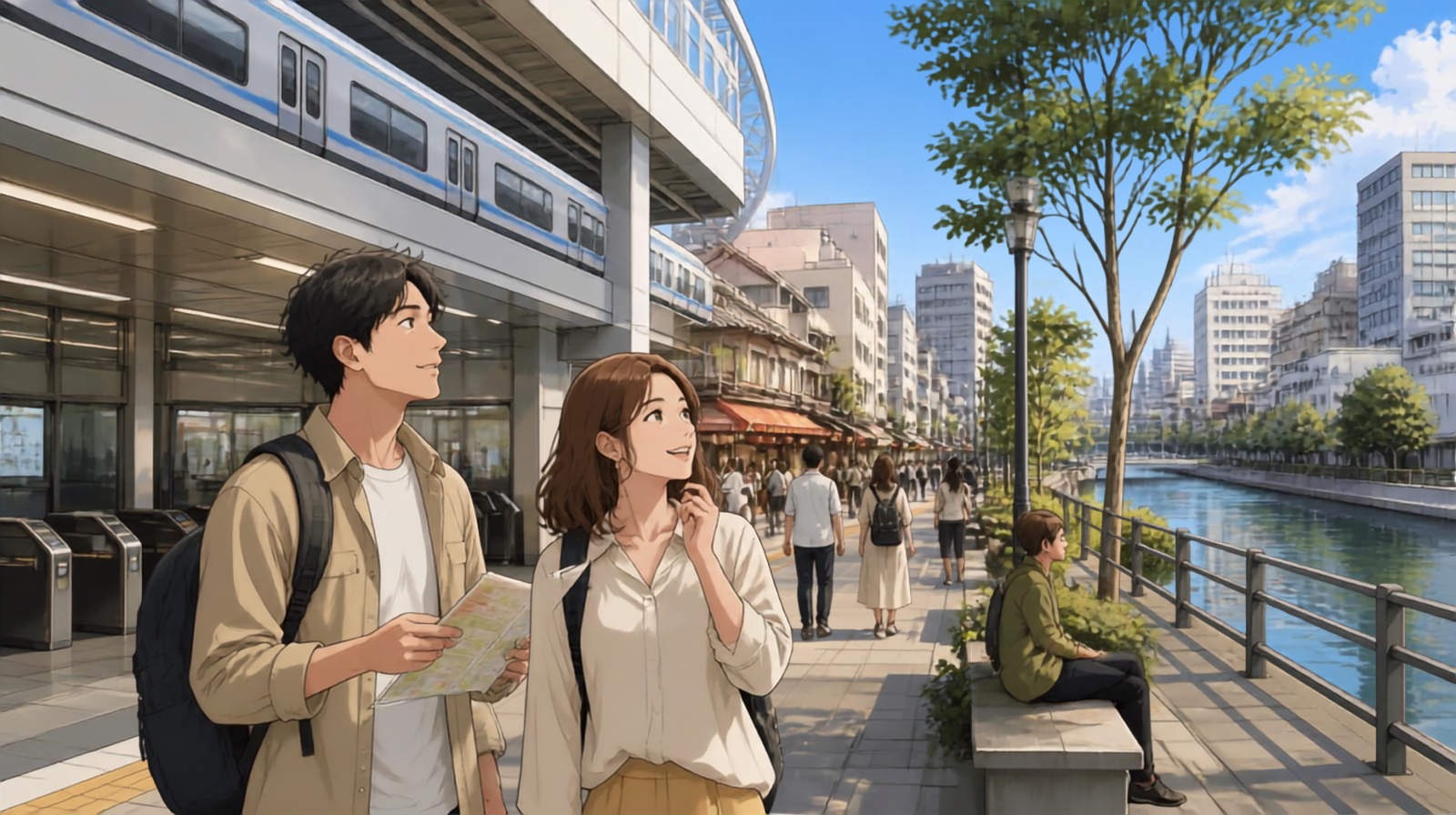
JR Special Rapid trains connect Osaka Station and Kyoto Station in about 30 minutes. The Shinkansen is faster between Shin-Osaka and Kyoto, taking roughly 15 minutes, but remember that Shin-Osaka is not the same station as Osaka Station in Umeda.
Other routes, including Hankyu and Keihan services, can be more convenient depending on where you are staying and which part of Kyoto you plan to visit. A hotel near Osaka Station, for example, may make the JR route especially easy, while a destination in downtown Kyoto may be more convenient from a different railway line.
This proximity is why many travelers see both cities during one Kansai itinerary. It also means your accommodation decision does not have to determine everything you see—it mainly determines which city becomes your everyday base.
Osaka vs Kyoto at a Glance
| What matters most? | Osaka | Kyoto |
|---|---|---|
| Overall feel | Modern, lively, varied | Historic, atmospheric, slower-paced |
| Food | Casual local specialties and late-night dining | Traditional cuisine, cafés, sweets, and refined dining |
| Sightseeing | Urban districts, entertainment, shopping, Osaka Castle | Temples, shrines, gardens, historic neighborhoods |
| Evenings | More late-night options in major districts | Quieter around many sightseeing areas, livelier downtown |
| Day trips | Convenient for Kobe and other parts of Kansai | Convenient for exploring Kyoto itself and nearby cultural areas |
| Best for | Food lovers, shoppers, nightlife, city energy | Culture, history, photography, traditional atmosphere |
Choose Osaka If You Want Food, Energy, and Variety
Osaka works well for travelers who like having plenty of options close at hand. The city combines major transport hubs, department stores, entertainment districts, neighborhood restaurants, shopping streets, and residential areas, often within a short train ride of one another.
Popular areas include:
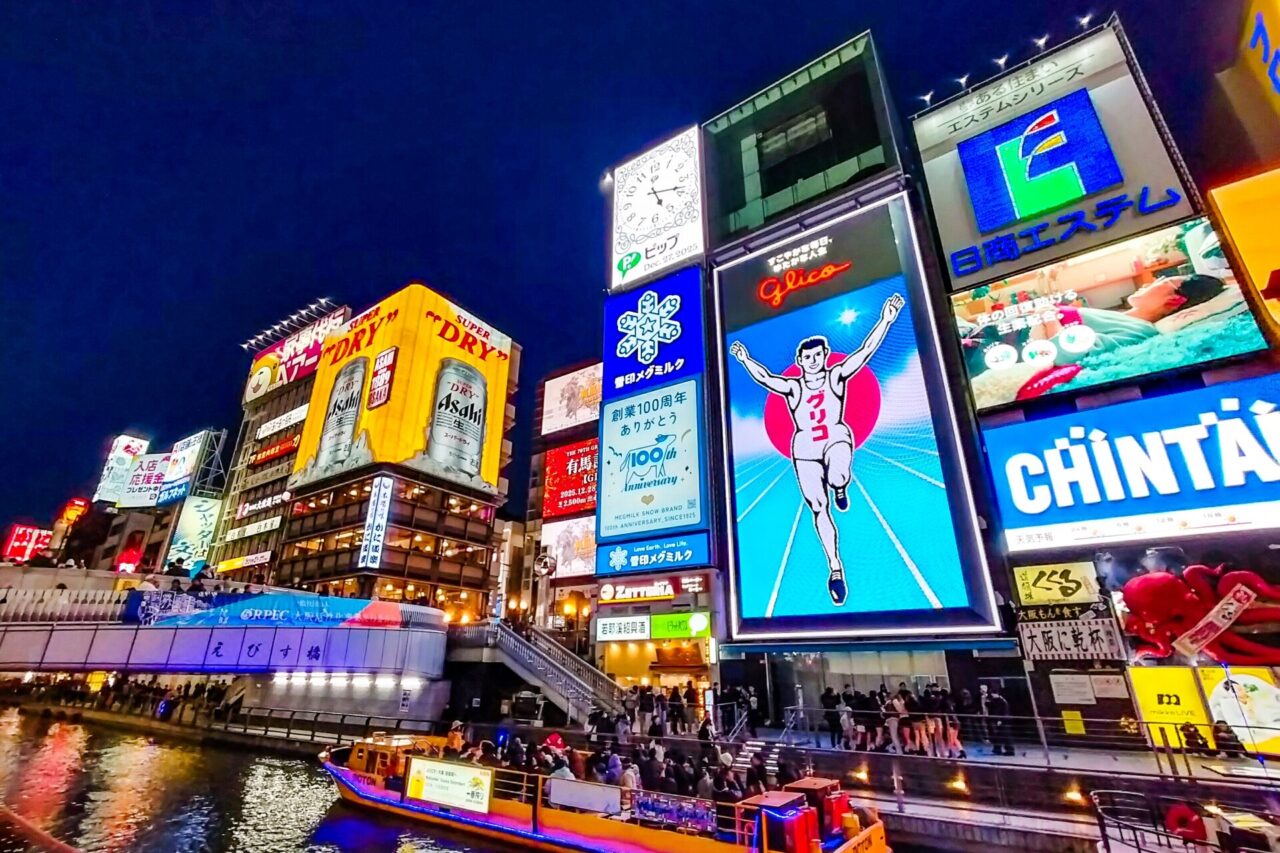
- 難波 / Namba / Namba — food, nightlife, and easy access to Dotonbori
- 梅田 / Umeda / Umeda — transport, shopping, and convenient day trips
- 天王寺 / Tennōji / Tennoji — shopping, transport, and access to southern Osaka

But Osaka is not only about its busiest districts. Move away from Umeda or Namba and you can stay near parks, local cafés, supermarkets, public baths, and residential streets while remaining connected to the city center.
If you want busy days followed by dinner, shopping, or a late walk through the city, Osaka can be an easy place to build a trip around. It is also a practical base if you plan to combine Osaka with several journeys around Kansai.
Choose Kyoto If History and Atmosphere Matter Most
Kyoto’s attractions are spread across temple districts, historic neighborhoods, gardens, shopping streets, river areas, and residential neighborhoods rather than concentrated around one entertainment center.
Well-known areas include:
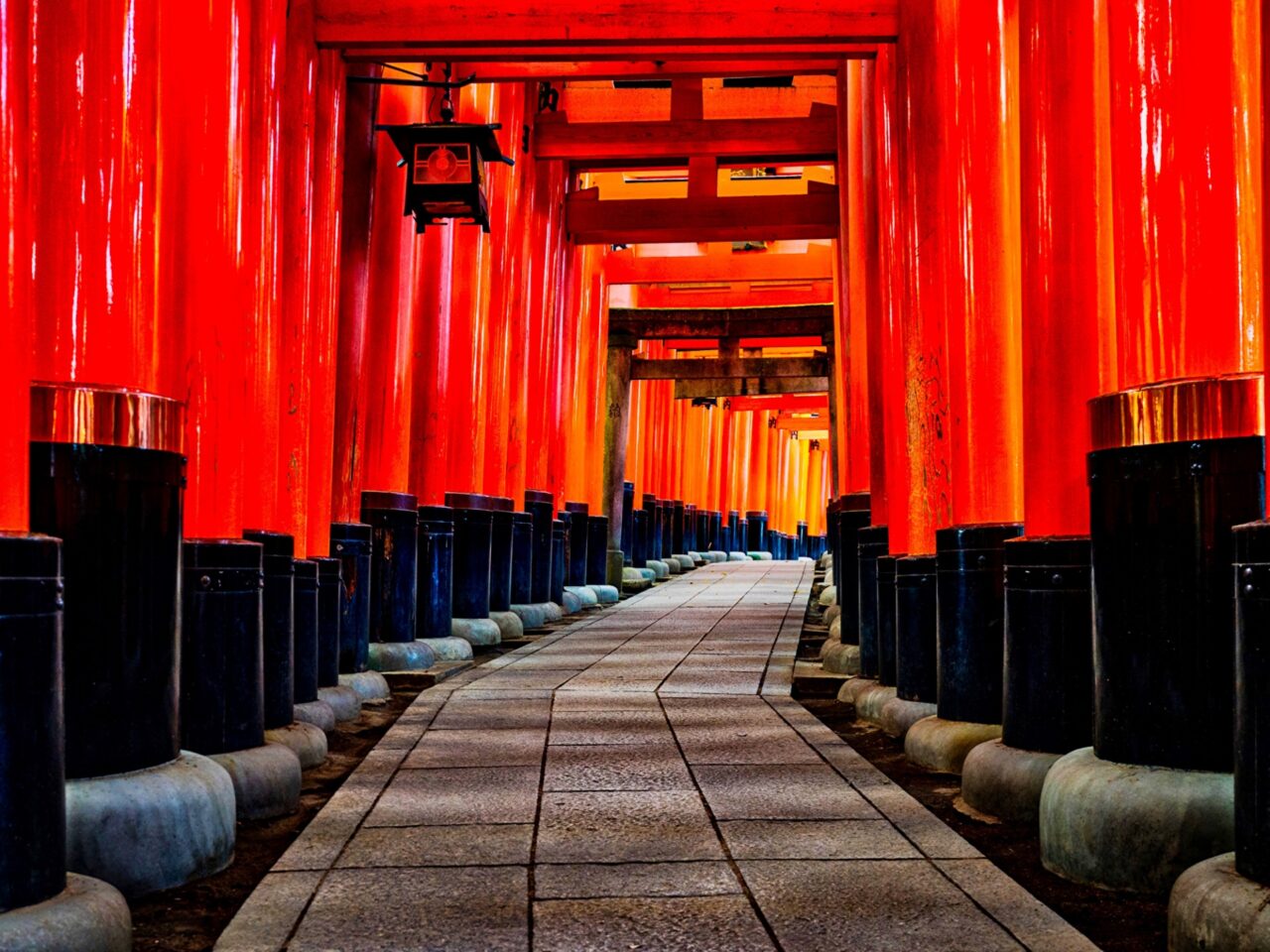
- 祇園 / Gion / Gion — traditional streets and easy access to eastern Kyoto
- 東山 / Higashiyama / Higashiyama — temples, slopes, and historic scenery
- 嵐山 / Arashiyama / Arashiyama — bamboo, temples, river scenery, and mountain views
- Central Kyoto — shopping, dining, markets, and useful transport connections

Kyoto is especially enjoyable when you start early, explore sights on foot, and leave time for the streets and neighborhoods between major attractions.
If temples, traditional architecture, historic streets, gardens, and quieter mornings are central to your idea of visiting Japan, staying in Kyoto lets those experiences continue beyond the hours you spend sightseeing.
Food and Dining: Osaka and Kyoto Offer Different Experiences
Food is one of the strongest reasons to visit Osaka, especially if you enjoy casual dining and trying several local specialties in one trip. Takoyaki, okonomiyaki, kushikatsu, udon, yakiniku, and countless neighborhood restaurants make eating part of the city experience rather than something separate from sightseeing.
Osaka is particularly appealing if you like:
- Casual local restaurants
- Street-food-style snacks
- Late-night dining
- Trying several different neighborhoods for food

Kyoto offers a very different food experience, with traditional cuisine, tofu dishes, seasonal sweets, tea culture, cafés, markets, and restaurants that reflect the city’s long culinary history.
If food is one of the main reasons you travel, Osaka may feel more immediately accessible. If you are interested in traditional dining, tea, seasonal ingredients, and food connected closely to culture and place, Kyoto can be just as rewarding.
Sightseeing: Kyoto Is Better for Temples, Historic Districts, and Gardens
Kyoto has the clearer advantage if your priority is traditional architecture and cultural sightseeing. Temples, shrines, gardens, historic districts, and preserved streets form a large part of the city’s identity.
A Kyoto itinerary might include:
- Temple and shrine visits
- Historic neighborhoods
- Gardens and seasonal scenery
- Traditional shopping streets and markets
- Early-morning walks before the busiest hours

Osaka has important historic sites as well, including Osaka Castle and many temples and shrines, but the overall travel experience is more strongly shaped by the modern city around them.
If the places you most want to see are in Kyoto, staying there also gives you a practical advantage: you can begin sightseeing before day-trippers arrive and stay after some of the busiest daytime crowds have left.
Evenings and Nightlife: Osaka Stays Livelier Later
Osaka generally offers more late-night options, particularly around Namba, Dotonbori, Shinsaibashi, and Umeda. Restaurants, bars, shopping, and entertainment continue well into the evening, so returning to your accommodation does not necessarily mean the day is over.
Kyoto is more varied than the simple stereotype of a city that becomes quiet after dark. Central areas around Shijo, Kawaramachi, Pontocho, and parts of Gion have restaurants, bars, and evening activity. However, many temple districts and sightseeing areas become much calmer once daytime visitors leave.


If nightlife is a major part of your trip, Osaka is usually the easier choice. If you prefer an evening walk, dinner, and a quieter return to your accommodation, Kyoto may suit you just as well.
Which City Is Easier for First-Time Visitors?
Neither city is difficult to visit, but the challenges are different.
Osaka has a dense rail and subway network and several major centers rather than one single downtown. That makes it easy to move around once you understand the main areas, although large stations such as Osaka Station and Umeda can feel confusing at first.
Kyoto has fewer major rail hubs, but many famous sights are spread across different parts of the city. Depending on your itinerary, you may combine trains, subways, buses, taxis, and walking. Planning attractions by area rather than crossing the city repeatedly can make a major difference.
For first-time visitors, the easier city is usually the one that better matches the itinerary. If most of your plans are in Kyoto, staying in Osaka simply because it has a larger transport network may create unnecessary commuting. If you want to explore several parts of Kansai, an Osaka base can be very practical.
Should You Stay in Osaka and Visit Kyoto?
Yes. Staying in Osaka and visiting Kyoto on one or more day trips can work very well, particularly if you prefer Osaka’s evenings or plan to visit other destinations in Kansai as well.
This approach is especially practical when you stay near a useful railway connection. Umeda is a strong example because Osaka Station has direct JR services to Kyoto, while Hankyu also connects Osaka-Umeda with central Kyoto.
The trade-off is time. A 30-minute train ride does not mean every Kyoto attraction is 30 minutes from your accommodation. You still need to travel between your hotel, the departure station, and the part of Kyoto you want to explore.
If you want to see Kyoto mainly as a daytime sightseeing destination, an Osaka base can make sense. If early mornings in Higashiyama, evening walks through Gion, or several full days of temple visits are important to you, staying in Kyoto may give you a richer experience.
Should You Stay in Kyoto and Visit Osaka?
The reverse works too. Travelers who care most about Kyoto’s temples, historic neighborhoods, and morning atmosphere can stay in Kyoto and visit Osaka for food, shopping, entertainment, or a change of pace.
This can be a good fit if most of your itinerary is centered on Kyoto and Osaka is only one part of the trip. It also avoids repeatedly commuting back to Kyoto after long sightseeing days.
For an Osaka day trip, choose a small number of areas rather than trying to see the entire city. Namba and Dotonbori can work well together, while Umeda offers shopping and city views on the northern side of central Osaka.
Should You Split Your Stay Between Osaka and Kyoto?
A split stay is useful when you have enough time to experience both cities at different times of day. It is less useful if changing hotels simply adds packing, luggage handling, and check-in time to a short trip.
Consider splitting your stay when you want several full days in each city, care about both Osaka nightlife and Kyoto mornings, or want to experience the contrast between the two places rather than treating one only as a day trip.
If you have only a few nights in Kansai, choosing one well-connected base and making day trips is often simpler.
Why Your Accommodation Area Matters
Choosing between Osaka and Kyoto is only the first layer of the decision. The neighborhood you stay in can shape your trip just as much as the city name on the booking page.
A hotel beside a major station may make transport easier. A stay several streets away may give you quieter mornings, local restaurants, supermarkets, parks, cafés, and a different sense of everyday life.
These small moments often become part of the travel experience: buying breakfast from a neighborhood bakery, walking through a residential street, returning to the same café, or stopping at a supermarket on the way back in the evening.
If Osaka feels like the better fit for your trip, the next step is choosing the right neighborhood. See our guide to where to stay in Osaka for first-time visitors to compare Umeda, Namba, Yodoyabashi, Tennoji, and other areas by transport, atmosphere, and travel style.

Which City Is Better for Your Travel Style?
Best for food and nightlife
Osaka. Namba, Dotonbori, Shinsaibashi, Umeda, and many local neighborhoods make it easy to keep eating and exploring after the main sightseeing day is over.
Best for temples and traditional atmosphere
Kyoto. If temples, shrines, historic streets, gardens, and traditional scenery are central to your trip, staying in Kyoto gives you more time to experience them without commuting from another city.
Best for couples
Either can work well. Choose Kyoto for historic scenery, riverside walks, and quieter evenings. Choose Osaka for restaurants, nightlife, shopping, and a more energetic city break.
Best for families
The better choice depends on the itinerary. Osaka can be convenient for families combining city sightseeing, shopping, food, and attractions such as Universal Studios Japan. Kyoto can work well for families interested in culture, but planning sightseeing by area is especially important to avoid spending too much time in transit.
Best for a broader Kansai trip
Osaka is often the more practical base when your itinerary includes several destinations outside the city, particularly if you choose an area with strong railway connections. Kyoto can still work, but the best base depends on where your day trips actually go.
Frequently Asked Questions
Is Osaka or Kyoto better for a first trip to Japan?
Neither is universally better. Osaka is a strong choice for food, shopping, nightlife, convenient transport, and modern city life. Kyoto is better suited to travelers whose priorities are temples, shrines, historic neighborhoods, gardens, and traditional atmosphere. Many first-time visitors include both.
Can I stay in Osaka and visit Kyoto for the day?
Yes. Osaka Station and Kyoto Station are about 30 minutes apart by JR Special Rapid service, making Kyoto a realistic day trip from Osaka. However, add the time needed to reach the station and travel onward to individual Kyoto attractions when planning your day.
Do I need the Shinkansen between Osaka and Kyoto?
No. The Shinkansen is fast between Shin-Osaka and Kyoto, but many travelers staying around Umeda will find the direct JR Special Rapid service from Osaka Station more practical. Hankyu and Keihan can also be useful depending on your starting point and destination.
Is Osaka better than Kyoto for nightlife?
Osaka generally has more late-night entertainment, dining, and shopping options, especially around Namba, Dotonbori, Shinsaibashi, and Umeda. Kyoto also has active evening districts around Shijo, Kawaramachi, Pontocho, and Gion, but many sightseeing areas become quieter after dark.
Should I spend more nights in Osaka or Kyoto?
Spend more nights in the city that contains more of your priority experiences. If most of your must-see places are temples and historic districts, give Kyoto more time. If your trip focuses on food, shopping, nightlife, and day trips around Kansai, more nights in Osaka may be useful.
Is it worth staying overnight in both cities?
It can be, especially on a longer Kansai trip. Staying in both lets you experience Kyoto in the early morning and evening while also enjoying Osaka after dark. On a short trip, however, one base with day trips may be simpler.
Osaka or Kyoto: Choose the Base That Fits Your Trip
Choose Osaka if you want food, shopping, nightlife, transport convenience, and the variety of a large modern city. Choose Kyoto if traditional culture, temples, historic scenery, gardens, and slower exploration are the experiences you most want from Japan.
If you are still unsure, look beyond the sightseeing list. Think about where you want to have breakfast, what you want to do after dinner, how early you want to start your day, and what kind of neighborhood you would like to return to at night.
The cities are close enough that you can visit both. The real choice is which one you want to experience as more than a collection of attractions.
Visiting Osaka in summer? See our guide to summer festivals in Japan, including Tenjin Matsuri in Osaka.

If you are still deciding when to travel, our season-by-season guide to the best time to visit Japan can help you compare weather, crowds, and seasonal experiences.

Related Guides
These guides will help you make the most of your visit to Japan.
Planning Your Trip to Japan
- A Complete Guide for First-Time Visitors to Japan
- Visit Japan Web: Complete Guide for First-Time Visitors
- What to Expect on Your First Trip to Japan
- Best Time to Visit Japan: A Season-by-Season Guide
- Is Japan Safe for Foreign Travelers?
- Natural Disasters in Japan: What Every Traveler Should Know
- Japanese Etiquette Every Visitor Should Know
- How Much English Is Spoken in Japan?
Transportation
- How to Use Trains and Subways in Japan
- How to Use IC Cards in Japan
- How to Pay for Train Travel in Japan
- How to Buy Shinkansen Tickets in Japan
- Japan Rail Pass: Is It Worth It? A Complete Guide for First-Time Visitors
- How to Use Taxis in Japan
Money
- Cash or Credit Cards in Japan?
- Can I Use Credit Cards Everywhere in Japan? Where Cards Work—and Where You’ll Still Need Cash
- How to Exchange Money in Japan: The Best Ways to Get Japanese Yen
Cities & Destinations
- Osaka vs Kyoto: Which City Is Right for You?
- Where to Stay in Osaka: Best Areas for First-Time Visitors