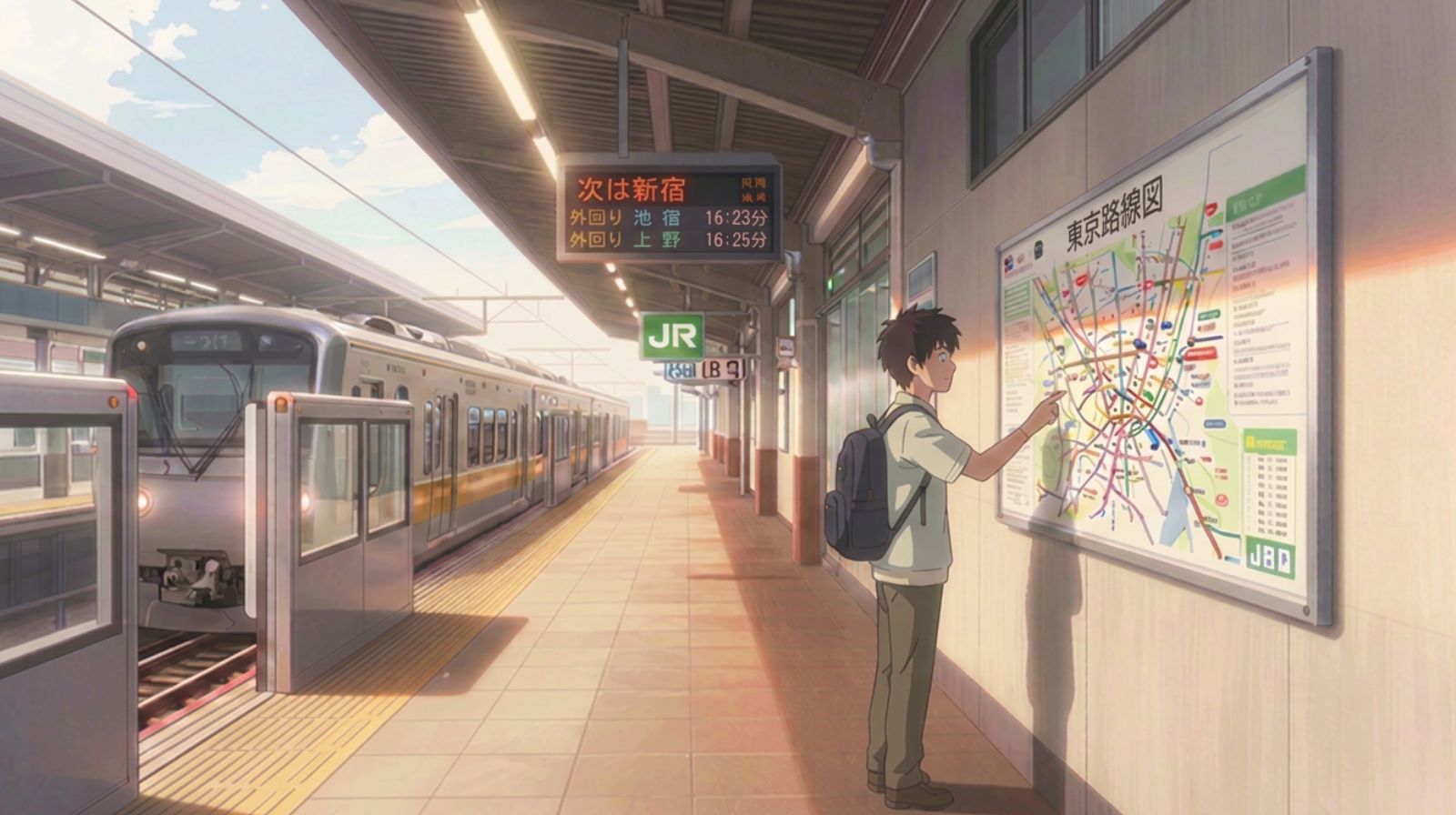
Japan’s Train System Is Easier Than It Looks
For many first-time visitors, Japan’s train network can seem intimidating.
Colorful route maps.
Multiple train lines.
Huge stations filled with people.
At first glance, it may appear complicated.
Fortunately, most travelers quickly discover that using trains in Japan is much easier than expected.
Once you understand a few basic concepts and learn how to navigate stations, trains become one of the most convenient ways to explore the country.
Whether you’re visiting Tokyo, Osaka, Kyoto, or a smaller regional destination, rail travel will likely become an important part of your journey.
Why Trains Are the Best Way to Travel in Japan
Japan’s rail network connects major cities, regional towns, airports, and popular tourist destinations.
For travelers, trains offer several advantages:
- Reliable schedules
- Frequent departures
- Comfortable journeys
- Easy access to city centers
- Extensive coverage throughout the country
In many cases, trains are faster and more convenient than driving.
They also allow visitors to relax and enjoy the scenery while traveling between destinations.
For first-time visitors, trains often become one of the most memorable parts of the travel experience itself.
Understanding the Basics
Japan’s transportation system includes both trains and subways.
In practical terms, visitors do not need to worry too much about the difference.
Most navigation apps automatically suggest the best route and clearly indicate where to transfer.
What matters most is knowing that nearly every major destination can be reached using public transportation.
Even if a route involves multiple train companies or subway lines, the process is usually straightforward once you begin using the system.
Large Stations Can Feel Overwhelming
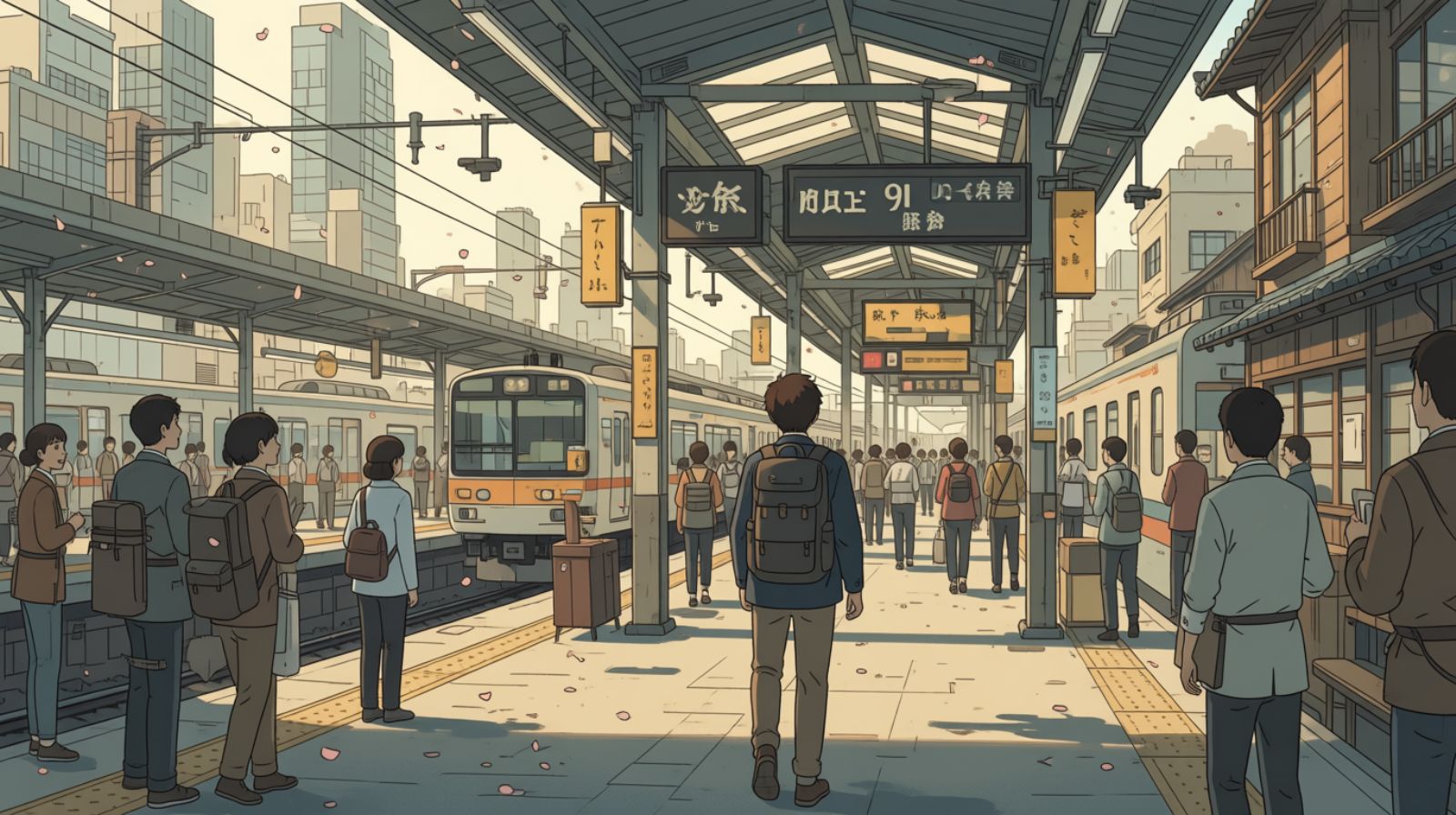
One of the biggest surprises for visitors is the size of Japan’s major train stations.
Stations such as Shinjuku, Tokyo Station, Osaka Station, and Umeda can feel like small cities.
There may be:
- Multiple floors
- Numerous exits
- Shopping areas
- Restaurants
- Several train companies operating within the same station
The most important advice is simple:
Allow extra time and do not rush.
Even experienced travelers occasionally take the wrong exit or need a few extra minutes to find the correct platform.
This is completely normal.
Following station signs carefully is usually enough to reach your destination.
Google Maps Is Your Best Travel Companion
For most visitors, Google Maps is the easiest way to navigate Japan’s transportation system.
The app provides:
- Train routes
- Subway routes
- Platform information
- Transfer guidance
- Travel times
- Walking directions
Many travelers rely on it throughout their entire trip.
Simply enter your destination and follow the suggested route.
The app can often feel like having a personal guide in your pocket.
For this reason, it is worth downloading Google Maps and familiarizing yourself with its features before arriving in Japan.
Train Etiquette in Japan
Japanese trains are known for being clean, orderly, and quiet.
Visitors are not expected to know every local custom, but a few simple practices help everyone travel comfortably.
Generally speaking:
- Keep conversations quiet
- Use headphones when listening to audio
- Allow passengers to exit before boarding
- Avoid blocking doors
- Keep large luggage out of walkways
You do not need to worry about being perfect.
A respectful attitude goes a long way.
Most visitors quickly adapt to local customs after a few journeys.
What If You Get Lost?
Almost everyone gets lost at least once.
This is especially common during the first few days of a trip.
Fortunately, Japan is a relatively easy place to recover from mistakes.
If you are unsure where to go:
- Check Google Maps
- Look for station information counters
- Ask station staff
- Show your destination on your phone
Many transportation employees regularly assist international visitors and are accustomed to helping travelers who are unfamiliar with the system.
A wrong turn is rarely a major problem.
It is simply part of exploring somewhere new.
Traveling Beyond the Major Cities
One of the greatest advantages of Japan’s rail network is the freedom it provides.
Once you become comfortable using trains, you are no longer limited to major tourist attractions.
You can easily explore:
- Historic towns
- Coastal communities
- Mountain villages
- Traditional shopping streets
- Regional destinations
Many travelers discover that some of their favorite memories come from places they had never originally planned to visit.
A short train ride can reveal a completely different side of Japan.
Why Transportation Shapes Your Travel Experience
Transportation is more than simply moving from one destination to another.
The way you travel often shapes how you experience a country.
Looking out the window of a local train.
Watching city neighborhoods gradually become countryside.
Arriving at a small station you have never heard of before.
These moments create a stronger connection with a destination.
Many visitors find that trains help them experience Japan at a slower and more personal pace.
Trains Open the Door to a Different Side of Japan
Japan’s rail system may seem intimidating before your trip.
In reality, it is one of the easiest and most enjoyable ways to travel.
Once you gain confidence using trains and subways, an entirely new range of destinations becomes accessible.
- A quiet neighborhood.
- A traditional shopping street.
- A hidden café near a local station.
- A regional town beyond the usual tourist routes.
These experiences are often only a train ride away.
Understanding Tickets, IC Cards, and Shinkansen Travel
Using trains in Japan is generally simple, but there are several ways to pay for transportation.
Local trains, subways, IC cards, and Shinkansen tickets each work slightly differently.
Understanding these options before your trip can make traveling even easier.
For a detailed explanation, see our guide:
How to Pay for Train Travel in Japan (IC Cards, Tickets, and Shinkansen Explained)
Related Guides
- A Complete Guide for First-Time Visitors to Japan
- What to Expect on Your First Trip to Japan
- Can You Travel Japan Without Speaking Japanese?
- Is Japan Safe for Foreign Travelers?
- How Much English Is Spoken in Japan?
- How to Pay for Train Travel in Japan
- Japanese Etiquette Every Visitor Should Know