
This update summarizes the most important Japan travel news announced during June 2026, along with practical advice for travelers visiting Japan in July and beyond.
Planning a Trip to Japan This Summer?
If you’re planning to visit Japan in the coming months, June brought several important updates that could affect your trip. From higher visa fees and changes to Japan’s departure tax to the growing popularity of Tourist PASMO and practical advice for the busy summer travel season, staying informed can help you save money and travel with confidence.
At Travelism, we don’t simply report the news. We explain what each update means for international visitors and what you should do before arriving in Japan.
Here’s everything you need to know from June 2026.
Overview
June was another busy month for Japan’s tourism industry. The government confirmed several policy changes that will take effect from July, while visitor numbers remained strong as the summer travel season approached.
If you’re visiting Japan this summer, these are the six updates that deserve your attention:
- Visa application fees will increase from July 1.
- Japan’s International Tourist Tax will rise to ¥3,000.
- Tourist PASMO is becoming one of the easiest ways to travel around Japan.
- Summer crowds are building earlier than usual.
- Regional destinations continue to attract more international visitors.
- Hot and humid weather is arriving across much of the country.
Most of these changes won’t disrupt your trip, but knowing about them in advance can help you avoid unexpected costs, book transportation more easily, and enjoy a smoother journey.
1. Visa Application Fees Will Increase from July 1
What Changed?
Japan’s Ministry of Foreign Affairs announced revised visa application fees that will take effect on July 1, 2026.
The change only affects travelers who require a visa before entering Japan. Visitors from visa-exempt countries—including the United States, Canada, the United Kingdom, Australia, Singapore, and most European Union member states—do not need to take any additional action.
Although many travelers will not be affected, those who do require a visa should be aware of the higher application costs before making travel plans.
Why Travelers Should Care
Visa fees are often a small part of a travel budget, but they can add up for families or groups traveling together.
If you’re planning to visit Japan later this summer and your nationality requires a visa, applying before the new fees take effect could reduce your overall travel expenses.
It’s also worth remembering that visa processing may take longer during busy travel periods, particularly before major holiday seasons.
Planning ahead is always easier than dealing with unexpected delays.
What You Should Do
- Check whether your nationality requires a visa before booking flights.
- Apply as early as possible if you plan to visit after July 1.
- Confirm the latest requirements through your nearest Japanese embassy or consulate.
- Make sure your passport remains valid for your entire trip.
Travelism Tip
Many first-time visitors assume everyone needs a visa to enter Japan. In reality, citizens of many countries can enter Japan visa-free for short tourist stays. Checking your eligibility before booking flights can save both time and money.
If this is your first visit to Japan, our guide to Japan’s entry requirements explains everything you need to know before departure.
Official Information
For the latest information on Japan’s visa application procedures and fees, please visit:
→ Ministry of Foreign Affairs of Japan (MOFA)
2. Japan’s Departure Tax Will Increase to ¥3,000
What Changed?
Japan’s International Tourist Tax, commonly known as the departure tax, will increase from ¥1,000 to ¥3,000 beginning on July 1, 2026.
The tax applies to most international travelers leaving Japan by air or sea. In most cases, the amount is automatically included in the price of your airline or cruise ticket, so you won’t need to pay it separately at the airport.
The additional revenue will be used to improve tourism infrastructure, strengthen visitor services, and help address overtourism in popular destinations.
Why Travelers Should Care
Although the increase is relatively modest compared with the total cost of an international trip, it may slightly affect airfare prices depending on when you purchase your ticket.
For most visitors, the process remains exactly the same—you simply pay the tax as part of your ticket.
However, travelers comparing flight prices should understand why tickets purchased after the change may appear slightly more expensive.
What You Should Do
- Don’t worry if you don’t see a separate departure tax payment—it is usually included in your ticket.
- If you’re comparing fares, remember that taxes may differ depending on the purchase date.
- Include the updated tax when estimating your overall travel budget.
Travelism Tip
Many visitors focus only on airfare and hotel prices, but taxes and transportation costs can also affect your travel budget. Planning your expenses in advance helps avoid surprises during your trip.
Official Information
For the latest information on Japan’s International Tourist Tax, please visit:
→ Japan National Tax Agency
3. Tourist PASMO Continues to Make Travel Easier
What Changed?
Tourist PASMO, introduced earlier this year for international visitors, is quickly becoming one of the easiest ways to travel around Japan.
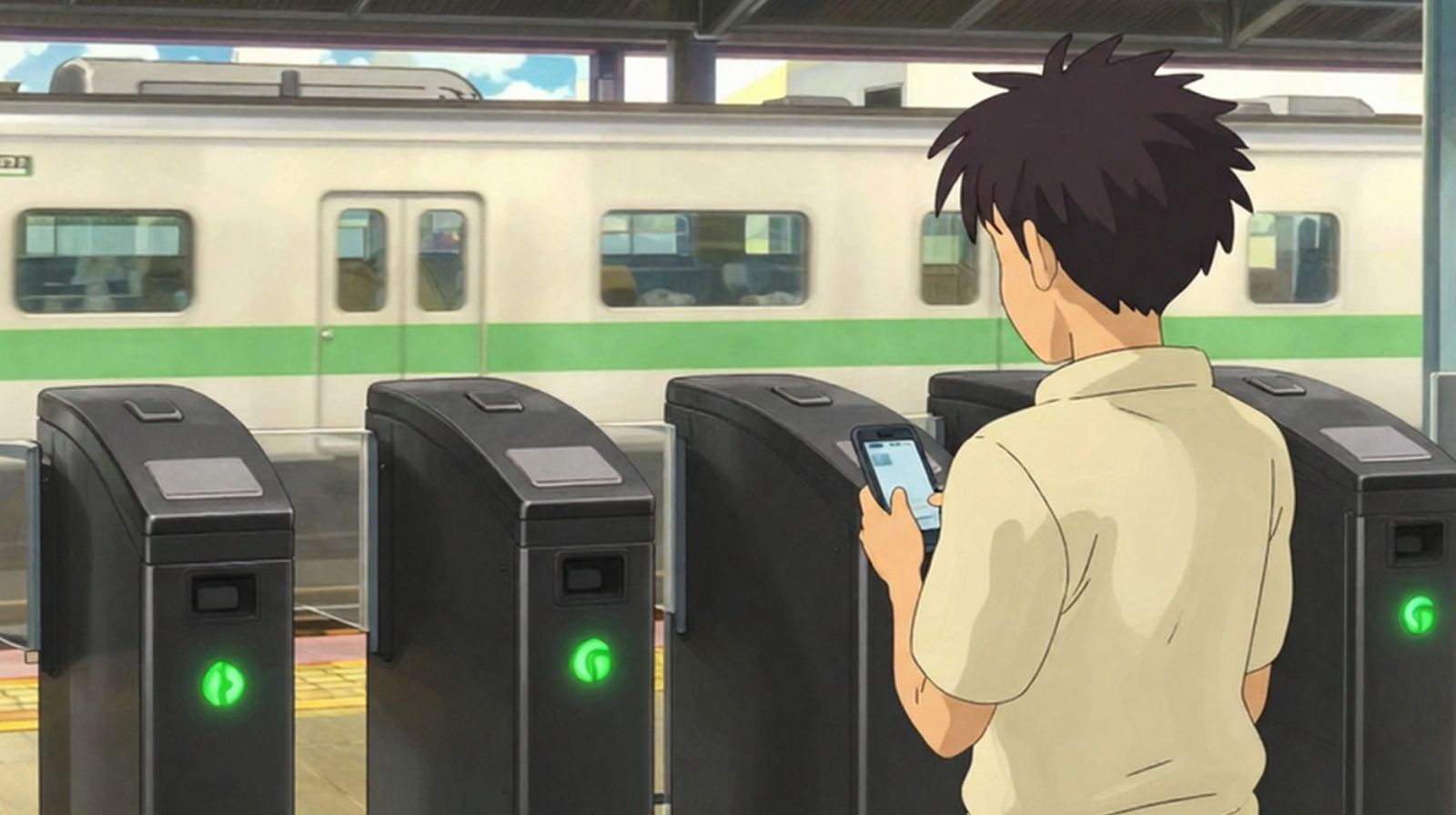
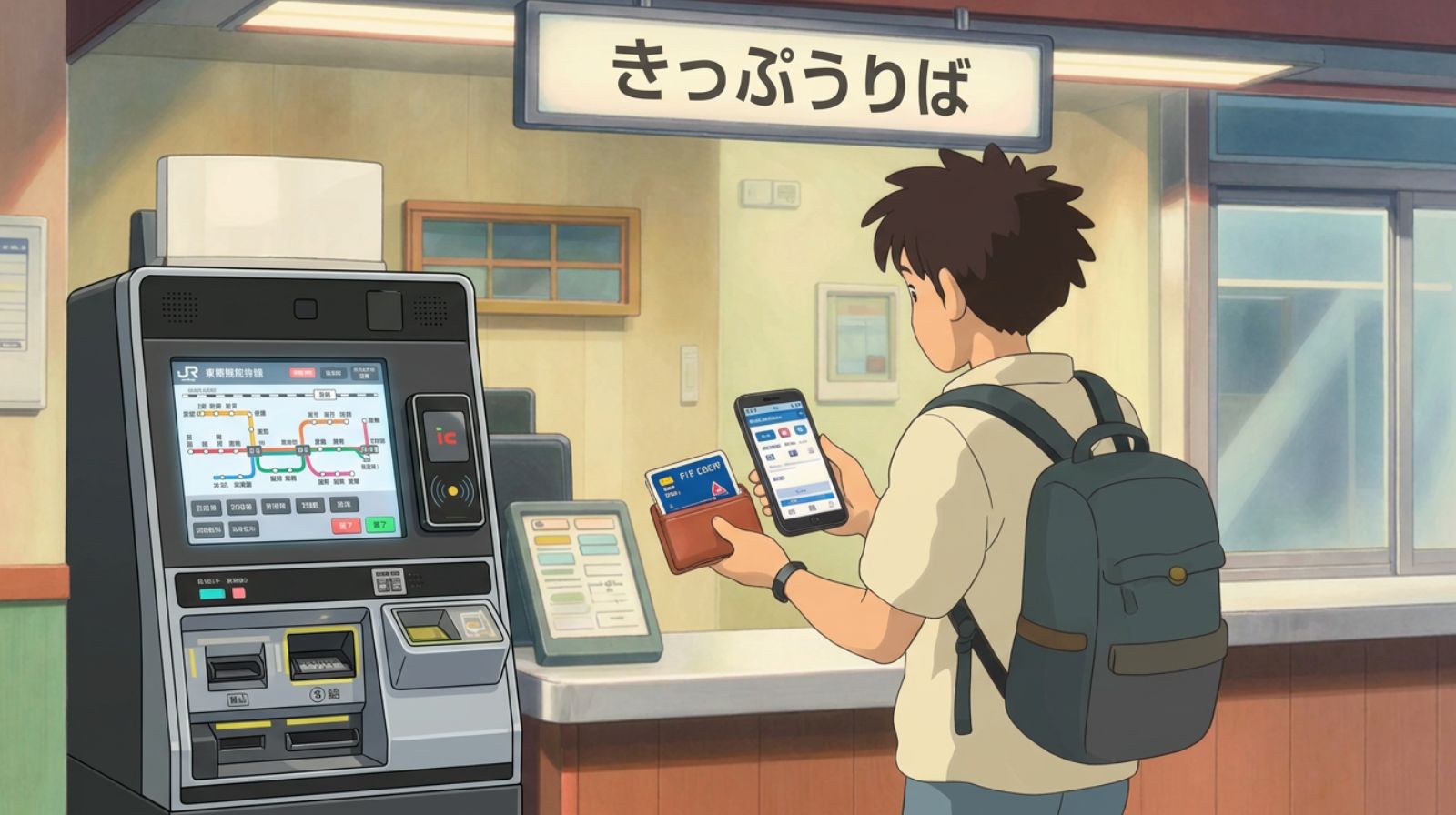
Designed specifically for overseas travelers, the card can be used on trains, subways, buses, and at many convenience stores and vending machines. It offers the same tap-and-go convenience as Japan’s regular IC cards while simplifying transportation for short-term visitors.
For many travelers arriving in Tokyo, Tourist PASMO eliminates the need to purchase individual train tickets throughout their trip.
Why Travelers Should Care
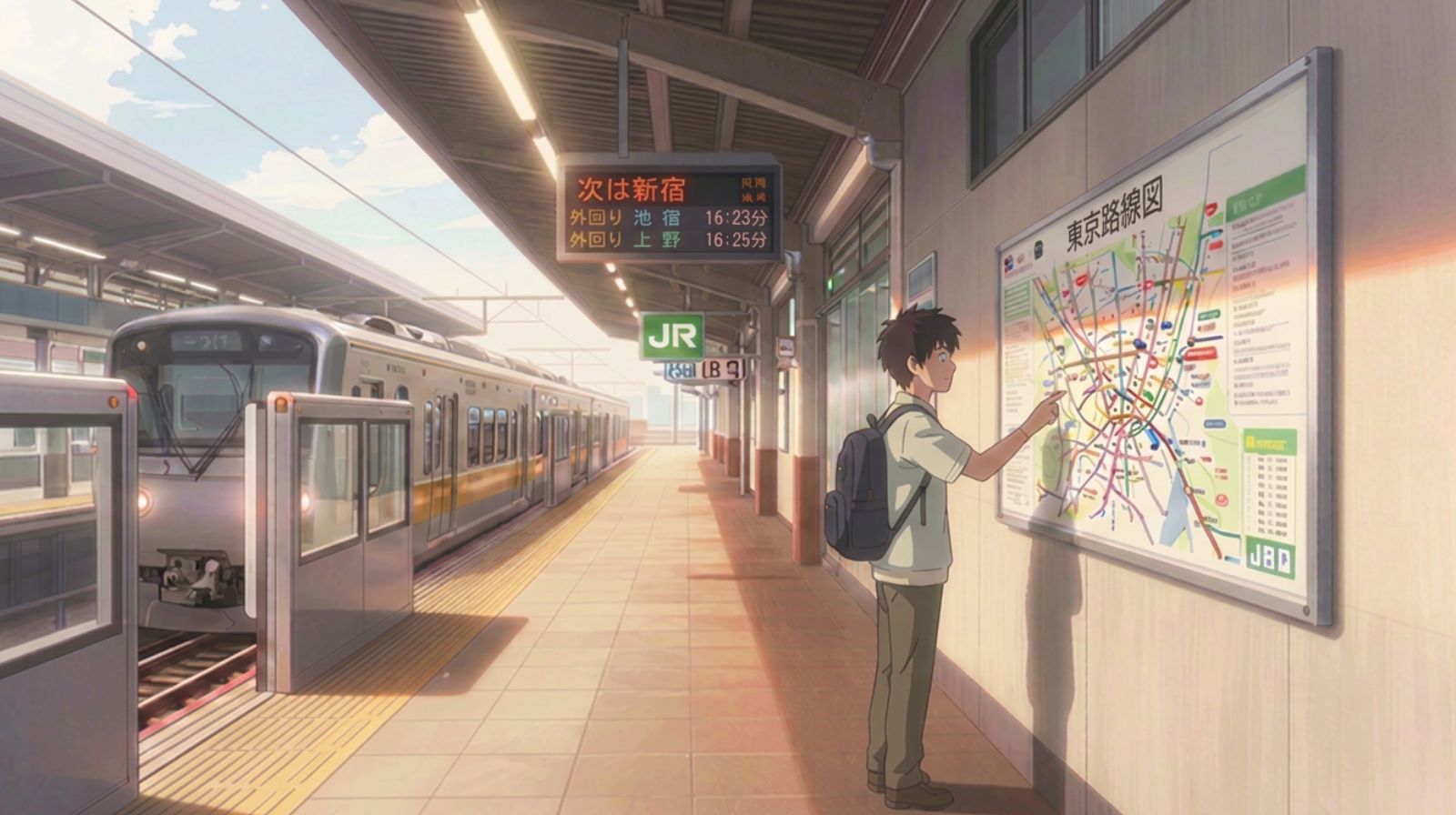
Japan’s railway network is one of the most efficient in the world, but it can also seem overwhelming for first-time visitors.
Instead of buying separate tickets every time you travel, Tourist PASMO allows you to simply tap through ticket gates and transfer between many rail and subway operators with ease.
The result is less time spent figuring out fares and more time enjoying your trip.
For travelers who plan to explore Tokyo and nearby cities, it is one of the most convenient transportation options currently available.
What You Should Do
- Purchase Tourist PASMO if you’re arriving in the Tokyo area and expect to use public transportation frequently.
- Keep the card topped up throughout your trip.
- Use it not only for trains and buses, but also at many shops, restaurants, and vending machines.
Travelism Tip
Not sure whether to choose Tourist PASMO or Suica?
For most visitors, either card provides a very similar experience. The best choice usually depends on where you arrive and which card is available at the airport or station.
Our detailed guides explain how Japan’s IC cards work, how to pay for train travel, and how to use Japan’s rail system with confidence—even if it’s your first visit.
- How to Use IC Cards in Japan: Suica, PASMO, ICOCA & Mobile IC Cards
- How to Pay for Train Travel in Japan
- How to Use Trains and Subways in Japan
Official Information
For information about Tourist PASMO, including where to purchase and how to use it, please visit:
→ PASMO Co., Ltd.
4. Summer Crowds Are Building Earlier Than Many Visitors Expect
What Changed?
June marked the beginning of Japan’s peak summer travel season, and visitor demand remained exceptionally strong. Although total international arrivals were slightly lower than the same month last year, Japan continued to welcome record numbers of visitors from many countries and regions.
As schools begin their summer holidays and festival season approaches, hotels, airports, and major railway stations become noticeably busier.
Destinations such as Tokyo, Kyoto, Osaka, Hakone, and Mount Fuji are already experiencing increased demand, with accommodation and transportation booking up earlier than many first-time visitors expect.
Why Travelers Should Care
If you’re visiting Japan between July and September, waiting until the last minute to book can significantly limit your options.
Popular hotels often sell out weeks in advance, while reserved seats on busy Shinkansen routes become harder to secure during weekends, public holidays, and festival periods.
Even attractions with timed entry, such as theme parks and observation decks, may reach capacity earlier than expected.
Planning ahead doesn’t just save money—it also gives you more flexibility to enjoy your trip.
What You Should Do
- Reserve accommodation as soon as your itinerary is confirmed.
- Book Shinkansen seats in advance for long-distance travel.
- Purchase tickets early for popular attractions whenever reservations are available.
- Consider visiting major sightseeing spots early in the morning or on weekdays.
Travelism Tip
If your schedule allows, spend one or two nights outside Japan’s busiest tourist cities. Smaller destinations often provide a more relaxed atmosphere while offering unique local experiences you won’t find in the major tourist hubs.
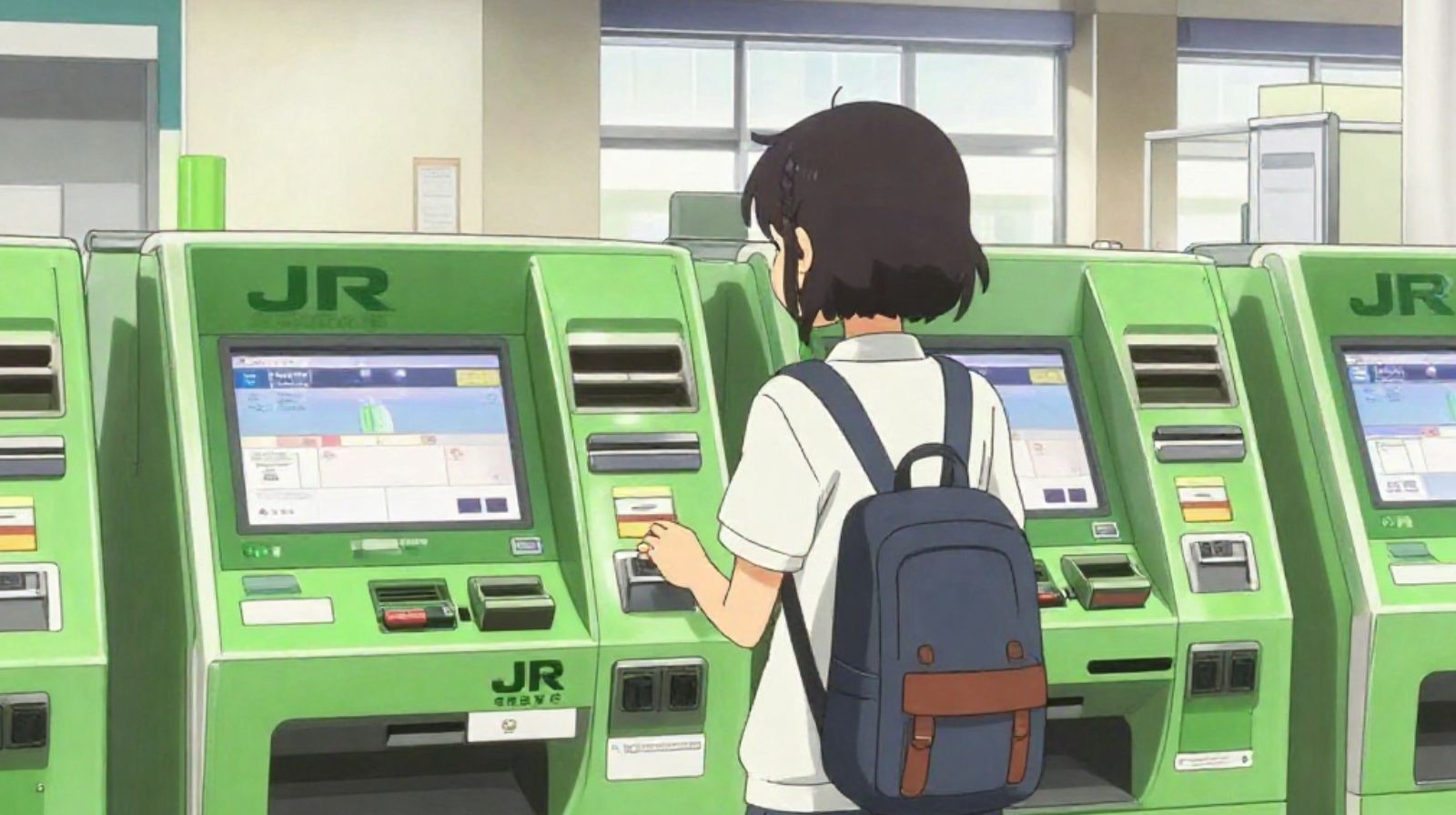
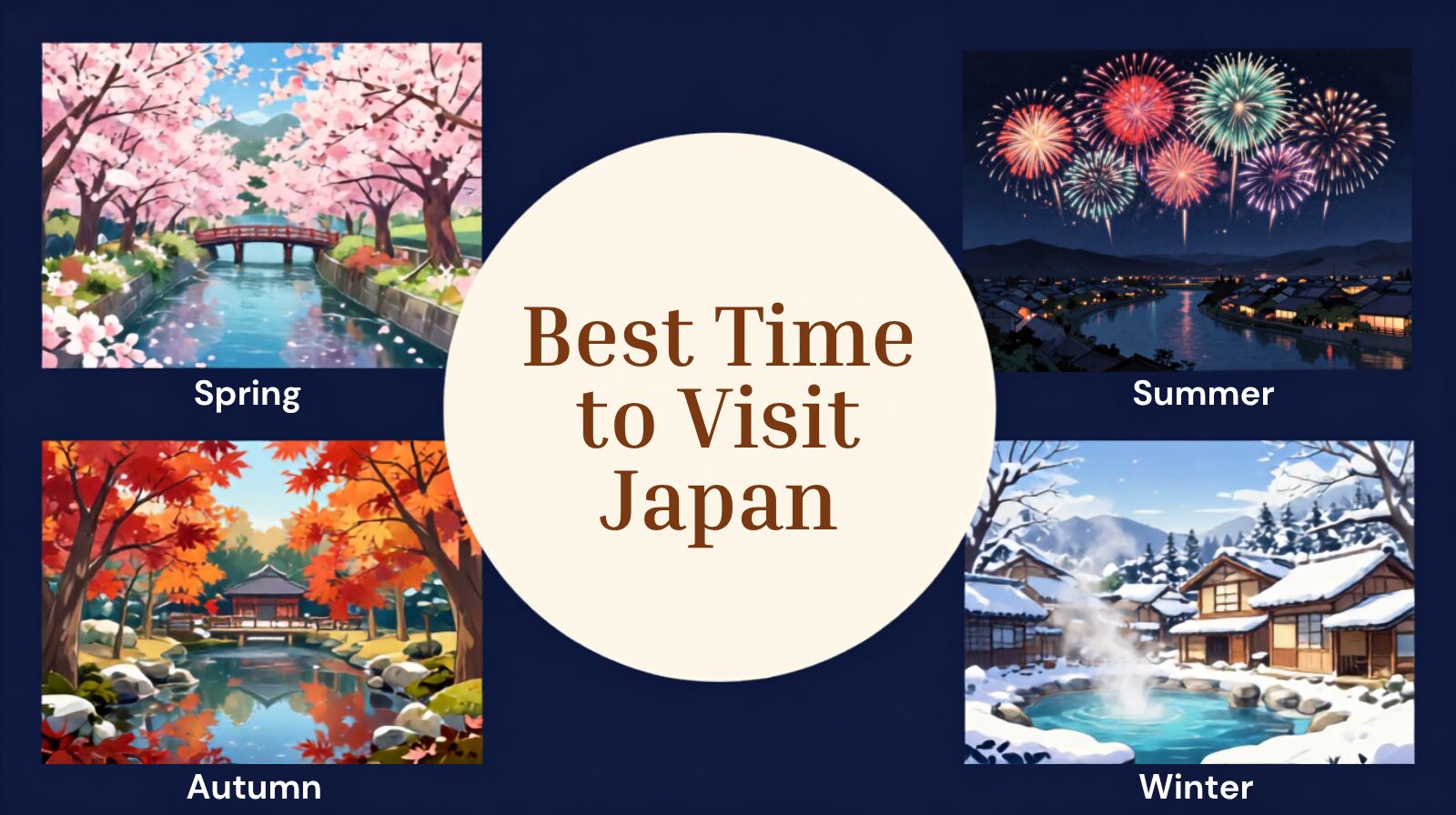
If you’re planning to travel across Japan, don’t miss our guide:
Official Information
For the latest monthly visitor statistics, please visit:
→ Japan National Tourism Organization (JNTO)
5. Regional Japan Continues to Grow in Popularity
What Changed?
Japan continues encouraging visitors to travel beyond the traditional “Golden Route” of Tokyo, Kyoto, and Osaka.
Many regional governments are investing in tourism infrastructure, multilingual information, and transportation improvements to welcome more international visitors.
As a result, travelers are increasingly discovering destinations that offer beautiful scenery, local cuisine, historic towns, and traditional culture without the heavy crowds found in Japan’s most famous cities.
Why Travelers Should Care
Adding a regional destination to your itinerary can completely change your travel experience.
Instead of spending your entire trip in crowded urban centers, you’ll often find:
- More affordable accommodation
- Easier restaurant reservations
- Slower-paced sightseeing
- Friendlier interactions with local communities
- Opportunities to experience traditional Japan
Many visitors say their favorite memories come from places they had never heard of before arriving in Japan.
What You Should Do
If you’re staying in Japan for more than one week, consider replacing one major city with a regional destination.
Excellent options include:
- Kanazawa
- Takayama
- Matsumoto
- Beppu
- Kagoshima
- Matsue
- Tottori
These destinations are well connected by rail while offering a completely different perspective on Japan.
Travelism Tip
Don’t think of regional Japan as “less famous.” Think of it as “less crowded.”
Exploring beyond the major cities often leads to more authentic experiences and better value for your travel budget.
Official Information
Explore official travel information and regional destinations across Japan:
→ Japan Travel – The Official Guide by JNTO
6. Prepare for Japan’s Hot, Humid Summer
What Changed?
June marks the beginning of Japan’s humid summer weather and the rainy season across much of the country.
While temperatures in the low 30s°C (around the upper 80s°F) may not sound extreme, the combination of heat and humidity can make sightseeing much more physically demanding than many travelers expect.
Heatstroke remains one of the most common health issues affecting visitors during the summer months.
Why Travelers Should Care
Many first-time visitors underestimate how much walking they will do in Japan.
A typical sightseeing day can easily involve 15,000–25,000 steps while exploring stations, temples, shopping streets, and neighborhoods.
Combined with high humidity, dehydration and fatigue can develop quickly.
Fortunately, Japan is well prepared for hot weather, making it easy to stay comfortable with a little planning.
What You Should Do
Pack or purchase:
- Lightweight, breathable clothing
- A reusable water bottle
- Sunscreen
- A hat
- A compact umbrella
- A portable fan
- Comfortable walking shoes
Take regular breaks in air-conditioned cafés, shopping centers, and convenience stores throughout the day.
Travelism Tip
Japanese convenience stores are one of your best travel resources during summer.
They sell cold drinks, sports beverages, cooling towels, umbrellas, sunscreen, and inexpensive snacks almost everywhere you go.
Don’t hesitate to step inside for a few minutes to cool down.
Official Information
For the latest visa requirements and application fees, please refer to the official website:
→ Japan Meteorological Agency (JMA)
Travelism Tips for June
Before you fly to Japan this summer, remember these six simple tips:
- Check whether you need a visa before booking your flights.
- Be aware of the new departure tax from July 1.
- Consider purchasing Tourist PASMO for convenient travel.
- Reserve hotels and Shinkansen tickets early.
- Prepare for hot and humid weather.
- Add at least one regional destination to your itinerary.
A little preparation now can make your trip much smoother once you arrive.
Looking Ahead to July
July is one of Japan’s most exciting months.
Visitors can look forward to:
- Spectacular summer festivals across the country
- Fireworks displays almost every weekend
- The beginning of Mount Fuji’s climbing season
- School holiday travel and larger crowds
- Peak demand for hotels and transportation
Travelism’s July update will cover everything you need to know before the busiest part of Japan’s summer travel season begins.
Frequently Asked Questions
Do I need to pay Japan’s departure tax at the airport?
No. In most cases, the tax is already included in the price of your airline or cruise ticket.
Will the visa fee increase affect everyone?
No. Only travelers who require a visa to enter Japan are affected.
What is Tourist PASMO?
Tourist PASMO is a prepaid transportation card designed specifically for short-term international visitors. It works on most trains, subways, buses, and many shops.
Is Tourist PASMO better than Suica?
For most travelers, both cards offer nearly identical convenience. The best option usually depends on where you arrive.
Should I reserve Shinkansen tickets before arriving?
If you’re traveling during weekends, holidays, or festival periods, advance reservations are highly recommended.
Is June part of Japan’s rainy season?
Yes. Most regions experience the rainy season during June, although Hokkaido is generally less affected.
What should I pack for a summer trip?
Bring lightweight clothing, comfortable shoes, sunscreen, a reusable water bottle, and a compact umbrella.
Is Japan still crowded despite the slight drop in visitor numbers?
Yes. Demand remains very strong, and many popular destinations continue to experience heavy tourism during the summer season.
Are regional destinations difficult to reach?
Not at all. Many are easily accessible by Shinkansen or limited express trains.
Where can I find more travel guides?
Travelism offers practical guides covering transportation, accommodation, seasonal travel, and first-time visitor tips throughout Japan.
Continue Planning Your Trip
Staying informed is one of the best ways to make your trip smoother, safer, and more enjoyable.
Whether you’re planning your first visit or returning to explore a new region, Travelism is here to help you travel with confidence.
Before you go, we recommend reading these guides:
- A Complete Guide for First-Time Visitors to Japan: Stay, Travel, and Experience Local Life
- How to Buy Shinkansen Tickets in Japan
- How to Use IC Cards in Japan: Suica, PASMO, ICOCA & Mobile IC Cards
- How to Use Trains and Subways in Japan
- Best Time to Visit Japan: A Season-by-Season Guide
- Summer Festivals in Japan: A Complete Guide for First-Time Visitors