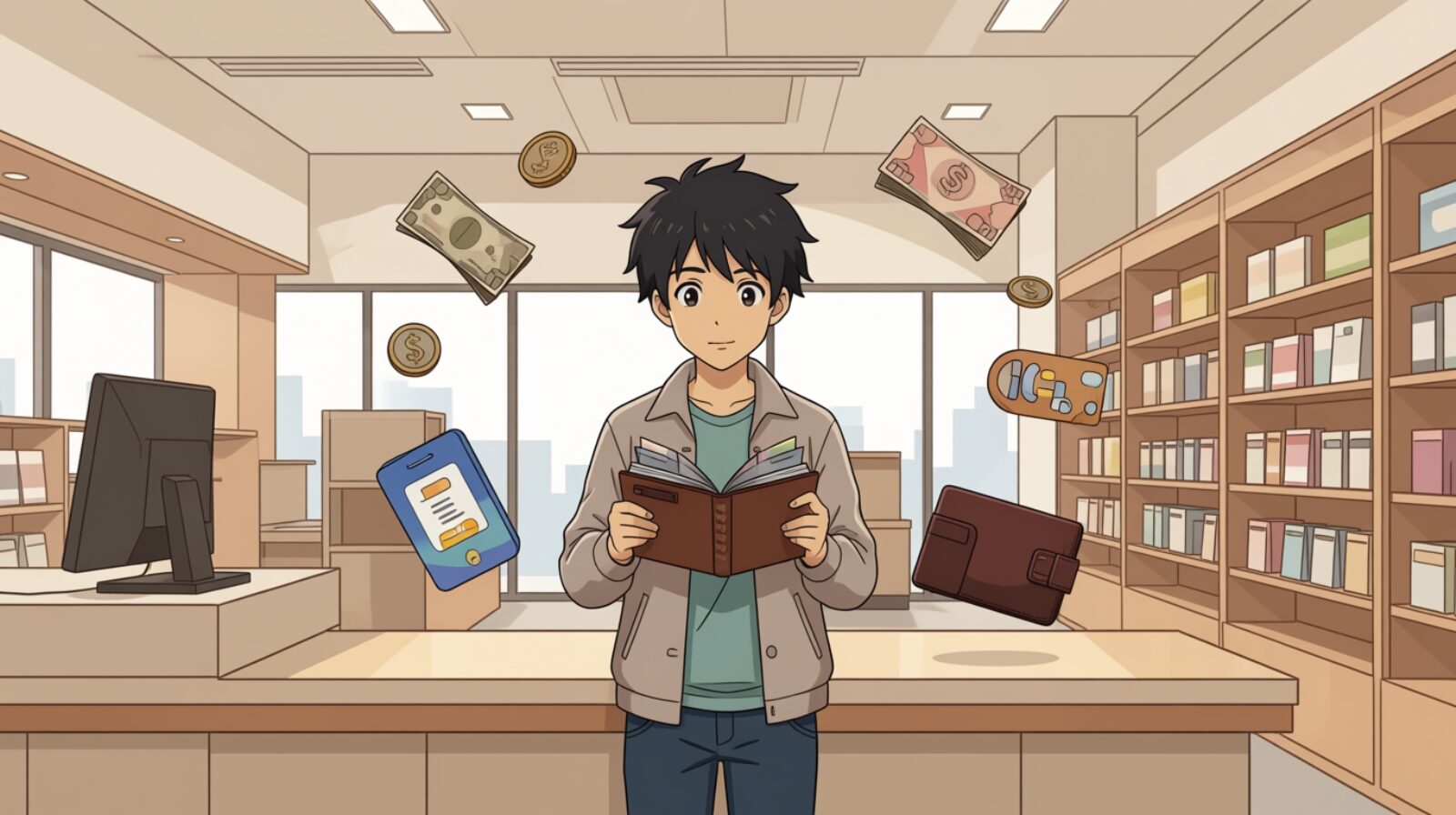

What Is the Japan Rail Pass?
The Japan Rail Pass is a special rail pass available exclusively to foreign visitors traveling in Japan.
It allows unlimited travel on most JR (Japan Railways) trains for a fixed number of days, including many Shinkansen (bullet trains), local trains, rapid services, and limited express trains.
For many years, the Japan Rail Pass was considered one of the best travel deals in Japan. Travelers who planned to visit several cities could often save a significant amount of money simply by purchasing the pass before arriving.
However, things have changed.
After a major price increase in 2023, the Japan Rail Pass is no longer the obvious choice for every traveler. Depending on your itinerary, buying individual train tickets may actually cost less.
Today, the most important question is no longer “Should I buy the Japan Rail Pass?”
Instead, it is:
“Will the Japan Rail Pass actually save me money?”
This guide will help you answer that question.
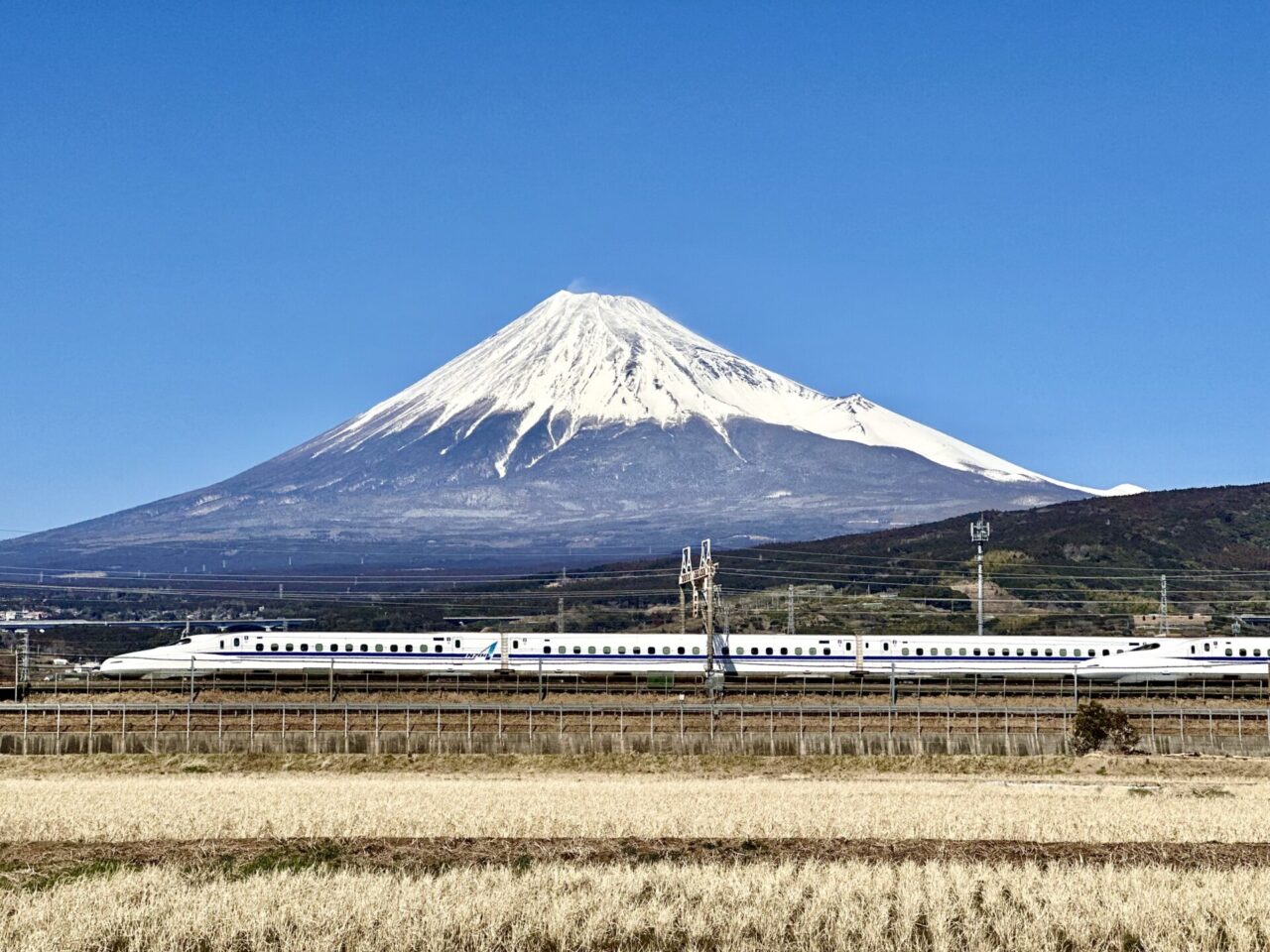
新幹線
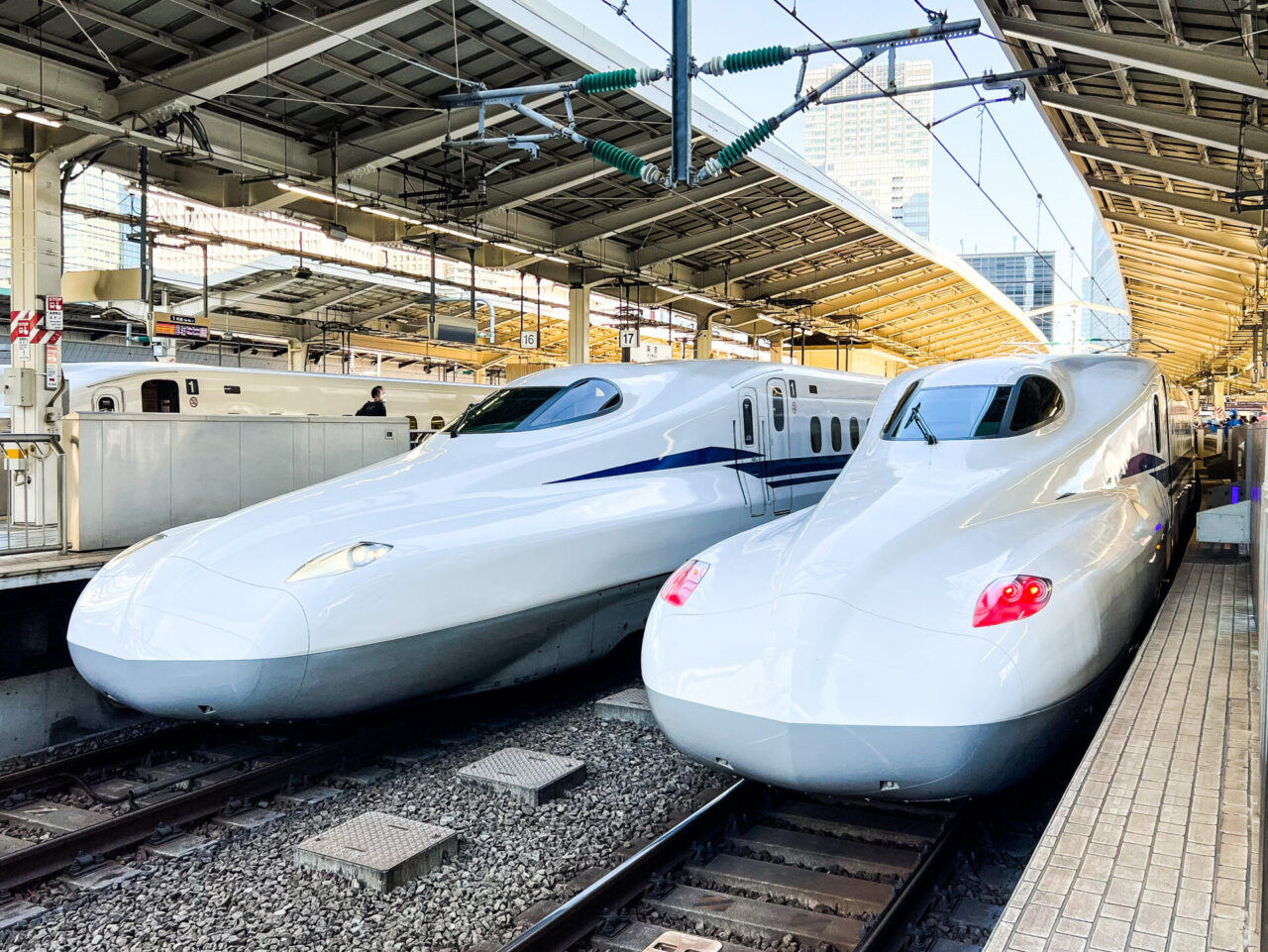
新幹線
The Short Answer: Do You Need a Japan Rail Pass?
For many first-time visitors, the answer is surprisingly:
Probably not.
If your trip focuses on one region—for example:
- Tokyo
- Osaka
- Kyoto
- Nara
- Hakone
—you will usually spend less money by purchasing individual train tickets and using an IC card for local transportation.
On the other hand, if you plan to travel across several regions of Japan and take multiple long-distance Shinkansen journeys, the Japan Rail Pass can still offer excellent value.
A simple way to think about it is this:
| Your Travel Style | Japan Rail Pass |
|---|---|
| Staying in one city | ❌ Usually not worth it |
| Visiting Tokyo and Osaka only | ❌ Usually not worth it |
| Traveling across several regions | ✅ Often worth considering |
| Taking multiple Shinkansen trips | ✅ May save money |
The Japan Rail Pass is no longer a “must-buy.”
It is now a travel tool that works well for certain itineraries—but not for everyone.
Why the Japan Rail Pass Is No Longer Always Worth It
Many travel websites still describe the Japan Rail Pass as something every visitor should purchase.
That advice was generally true several years ago.
Before 2023, the pass was significantly cheaper, making it an easy recommendation for almost anyone planning to travel between major cities.
However, the price increased substantially in October 2023.
As a result, the value of the pass changed dramatically.
For example, a traveler visiting only Tokyo and Kyoto may now spend less by purchasing individual Shinkansen tickets instead of buying a nationwide rail pass.
This means that older travel articles, videos, and blog posts may no longer reflect the current situation.
Rather than assuming the Japan Rail Pass is the cheapest option, travelers should compare the cost of their planned train journeys before making a decision.
The good news is that if your itinerary includes several long-distance train rides across Japan, the pass can still provide excellent value.
The key is choosing the option that matches your travel plans—not simply buying the pass because it has always been recommended.
When the Japan Rail Pass Is Worth Buying
Although many travelers no longer save money with the Japan Rail Pass, it can still be an excellent choice in certain situations.
The pass is often worthwhile if you:
- Plan to travel between several major cities within a short period.
- Will take multiple long-distance Shinkansen journeys.
- Want unlimited JR travel without buying separate tickets.
- Prefer the convenience of one pass for your entire trip.
For example, itineraries such as Tokyo → Kyoto → Hiroshima → Osaka → Tokyo often provide good value.
However, if you’re only visiting Tokyo, Osaka, and Kyoto, individual tickets are usually less expensive.
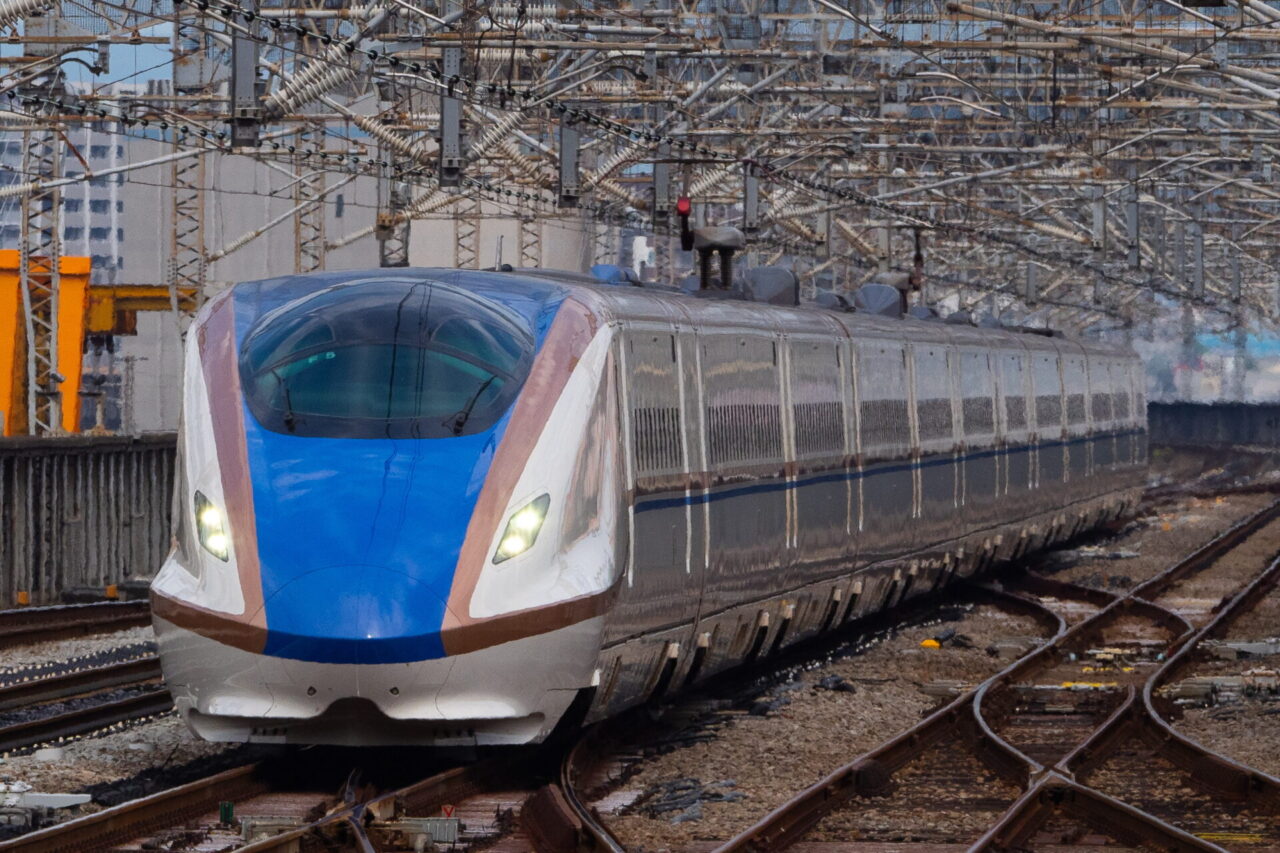
北陸新幹線
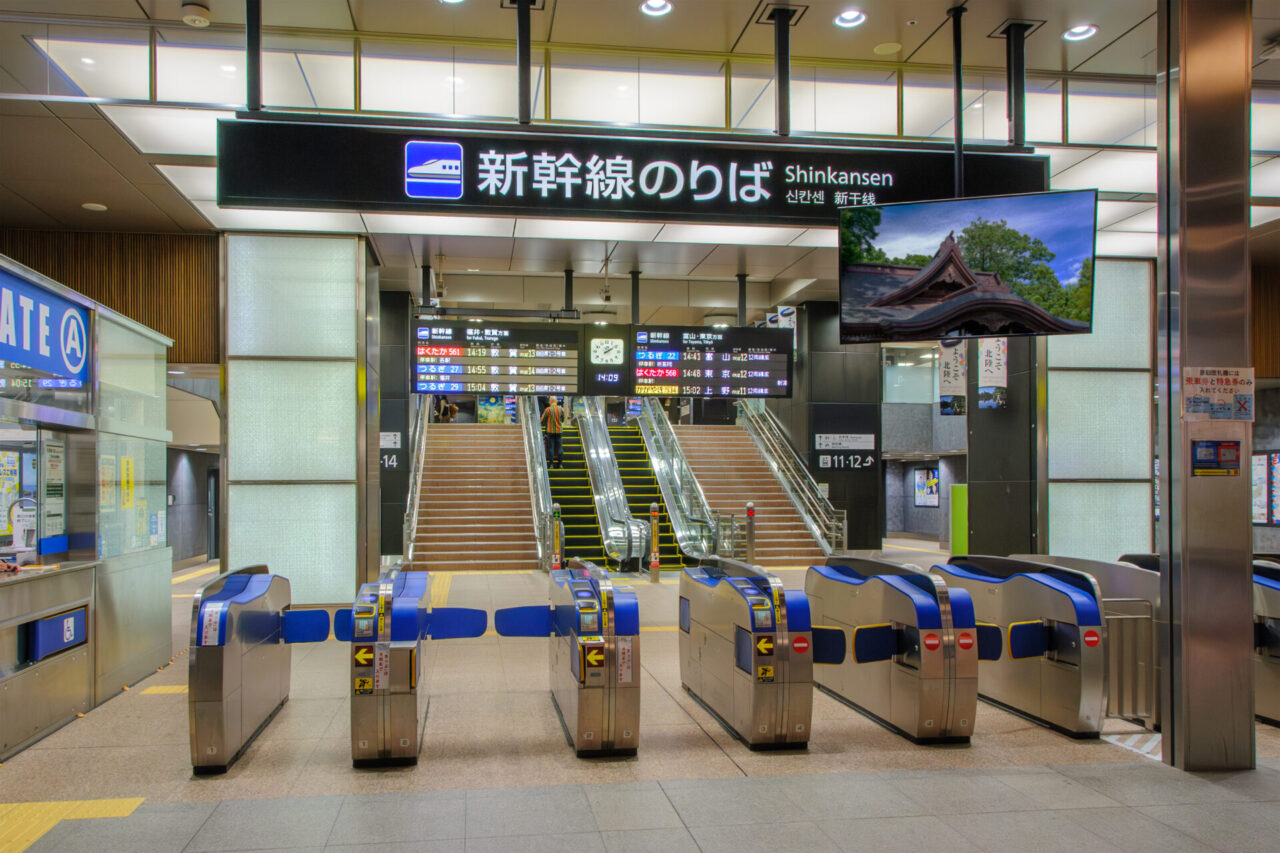
金沢駅
Compare Before You Buy
Before purchasing a Japan Rail Pass, compare the total cost of your planned train journeys with the price of the pass.
Many visitors are surprised to discover that buying individual tickets is often the cheaper option.
Before purchasing, check:
- Your travel route
- The number of long-distance train journeys
- The length of your stay
- The current Japan Rail Pass price
Spending just a few minutes comparing costs can save a significant amount of money.
For example:
| Example Itinerary | Individual Tickets | JR Pass |
|---|---|---|
| Tokyo only | ✅ Cheaper | ❌ Not recommended |
| Osaka + Kyoto + Nara | ✅ Cheaper | ❌ Not recommended |
| Tokyo → Kyoto | ✅ Usually cheaper | ❌ Usually not worth it |
| Tokyo → Kyoto → Hiroshima | △ Compare first | △ Maybe |
| Tokyo → Kyoto → Hiroshima → Fukuoka | ❌ Expensive | ✅ Often worth it |
What Does the Japan Rail Pass Cover?
The Japan Rail Pass covers most transportation operated by the JR (Japan Railways) Group.
This includes many of Japan’s most popular train services.
You can use the pass on:
- JR local trains
- JR rapid trains
- JR limited express trains
- Most Shinkansen (bullet trains)
- Some JR buses
- The JR Miyajima Ferry in Hiroshima
However, there are also services that are not included.
For example, the Japan Rail Pass does not cover:
- Tokyo Metro
- Osaka Metro
- Most private railway companies
- Many local buses
- The Nozomi and Mizuho Shinkansen (standard pass)
Because of this, even travelers using a Japan Rail Pass often need an IC card for local transportation within cities.
If you’re unfamiliar with Japan’s train system, it’s also helpful to understand how local trains, rapid trains, and subways work before deciding whether a rail pass fits your itinerary.
→ How to Use Trains and Subways in Japan
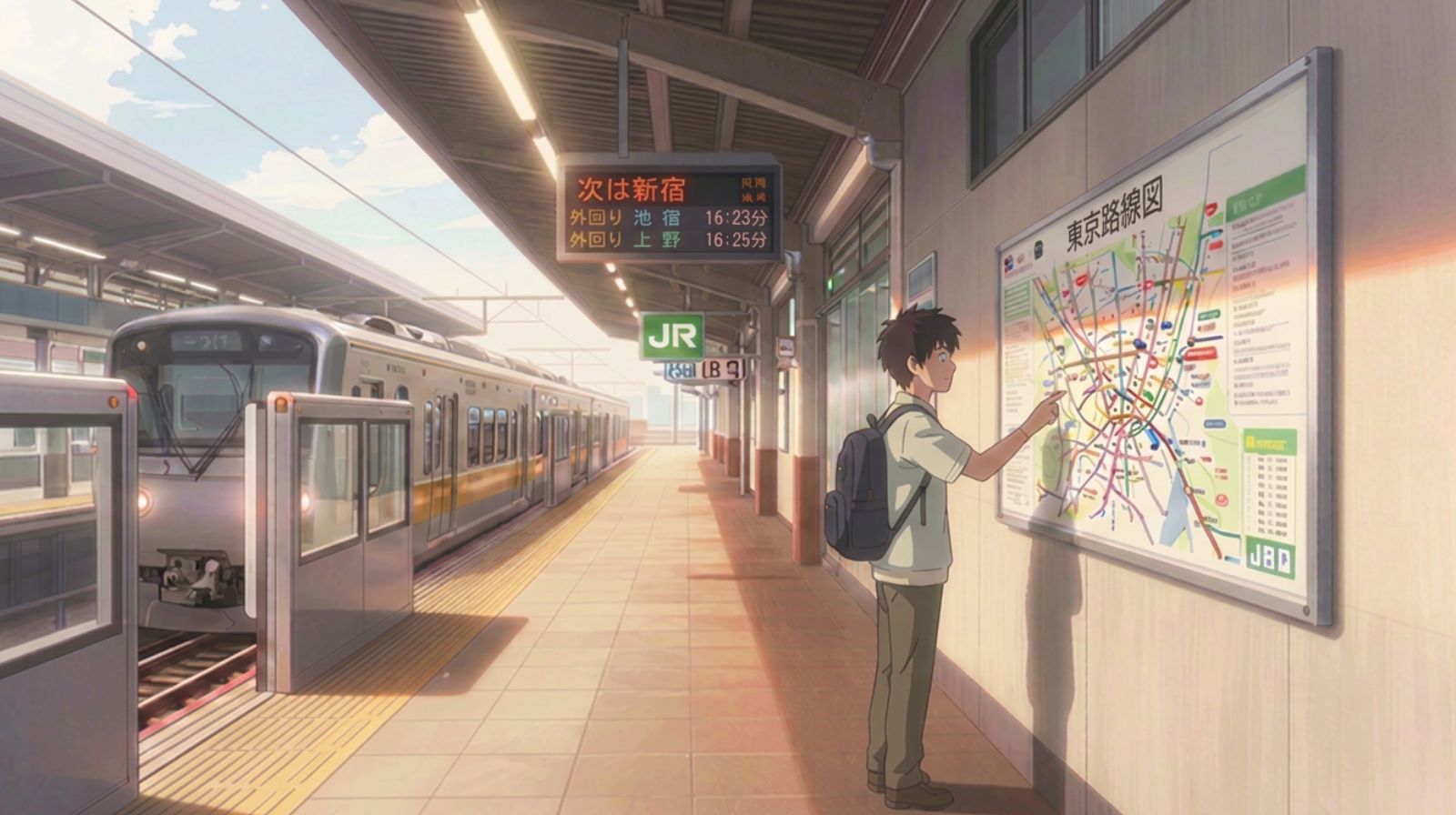
Can You Ride the Nozomi Shinkansen?
One point that often surprises first-time visitors is that not every Shinkansen is covered by the standard Japan Rail Pass.
The two fastest train services—Nozomi on the Tokaido and Sanyo Shinkansen, and Mizuho on the Sanyo and Kyushu Shinkansen—require an additional supplement if you wish to use them with a standard Japan Rail Pass.
Fortunately, this is not a major problem for most travelers.
The Hikari, Sakura, and Kodama services are fully covered by the pass and operate frequently throughout the day.
Although the Nozomi is slightly faster, the difference is often only 20 to 30 minutes on routes such as Tokyo to Kyoto or Osaka.
For many visitors, using the Hikari or Sakura provides an excellent balance between convenience and value.
If you’re planning to travel by Shinkansen, it’s also helpful to understand how reservations, seat types, and ticket purchasing work.
→ How to Buy Shinkansen Tickets in Japan
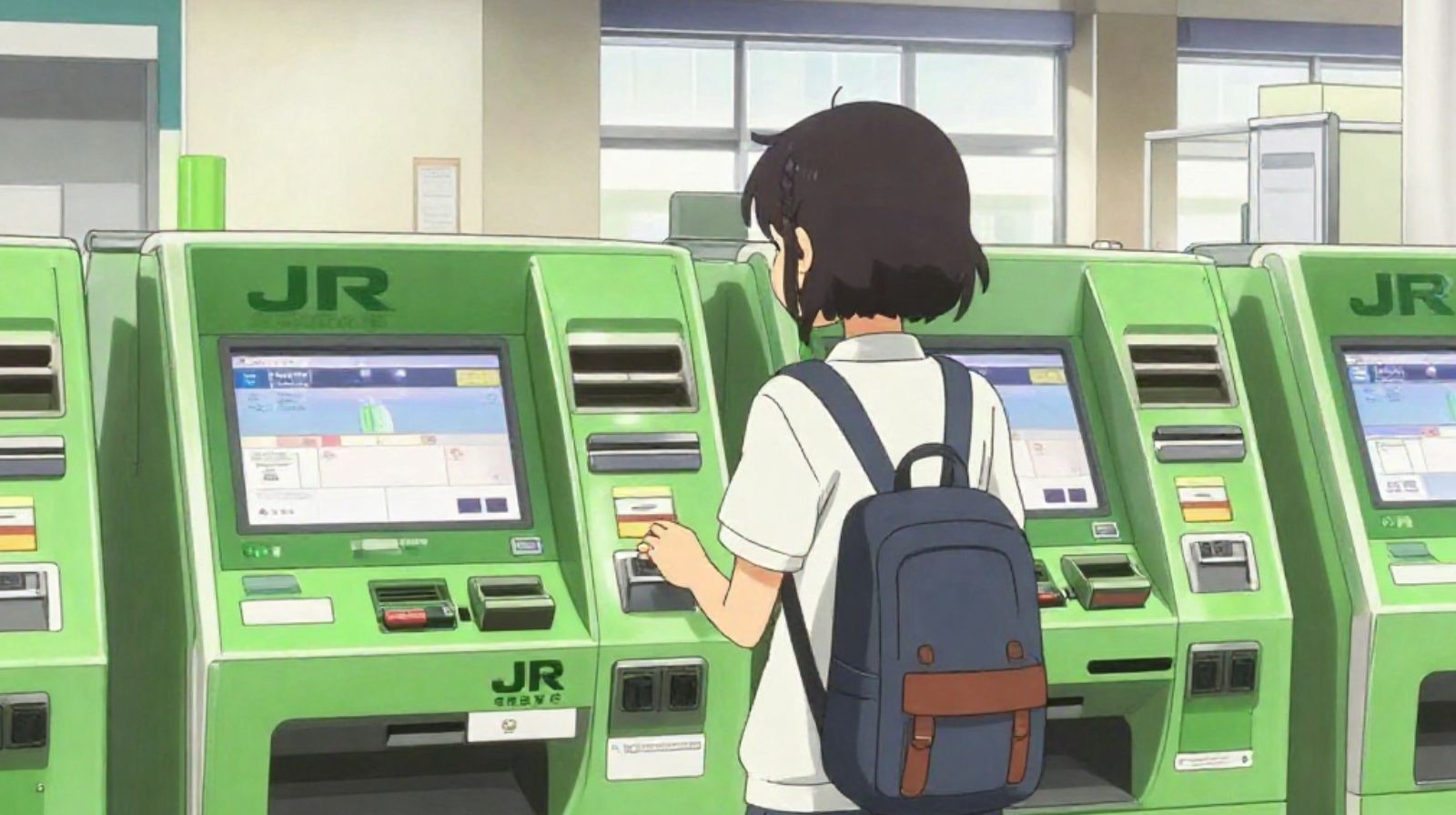
You can also check the official JR Central website for information about the Tokaido Shinkansen.
JR Central Official Website
Do You Still Need an IC Card?
Yes.
Even if you purchase a Japan Rail Pass, you’ll probably still want an IC card during your trip.
The Japan Rail Pass only covers transportation operated by JR.
However, many cities rely heavily on subways and private railway companies.
For example:
- Tokyo Metro
- Osaka Metro
- Hankyu Railway
- Keihan Railway
- Kintetsu Railway
- Nankai Railway
These services are not included in the Japan Rail Pass.
An IC card allows you to travel seamlessly on these networks without buying individual tickets.
You’ll also be able to use it at:
- Convenience stores
- Vending machines
- Many restaurants
- Coin lockers
- Some taxis
For this reason, many experienced travelers carry both a Japan Rail Pass and an IC card.
The rail pass covers long-distance JR travel, while the IC card makes everyday transportation quick and convenient.
→ How to Use IC Cards in Japan
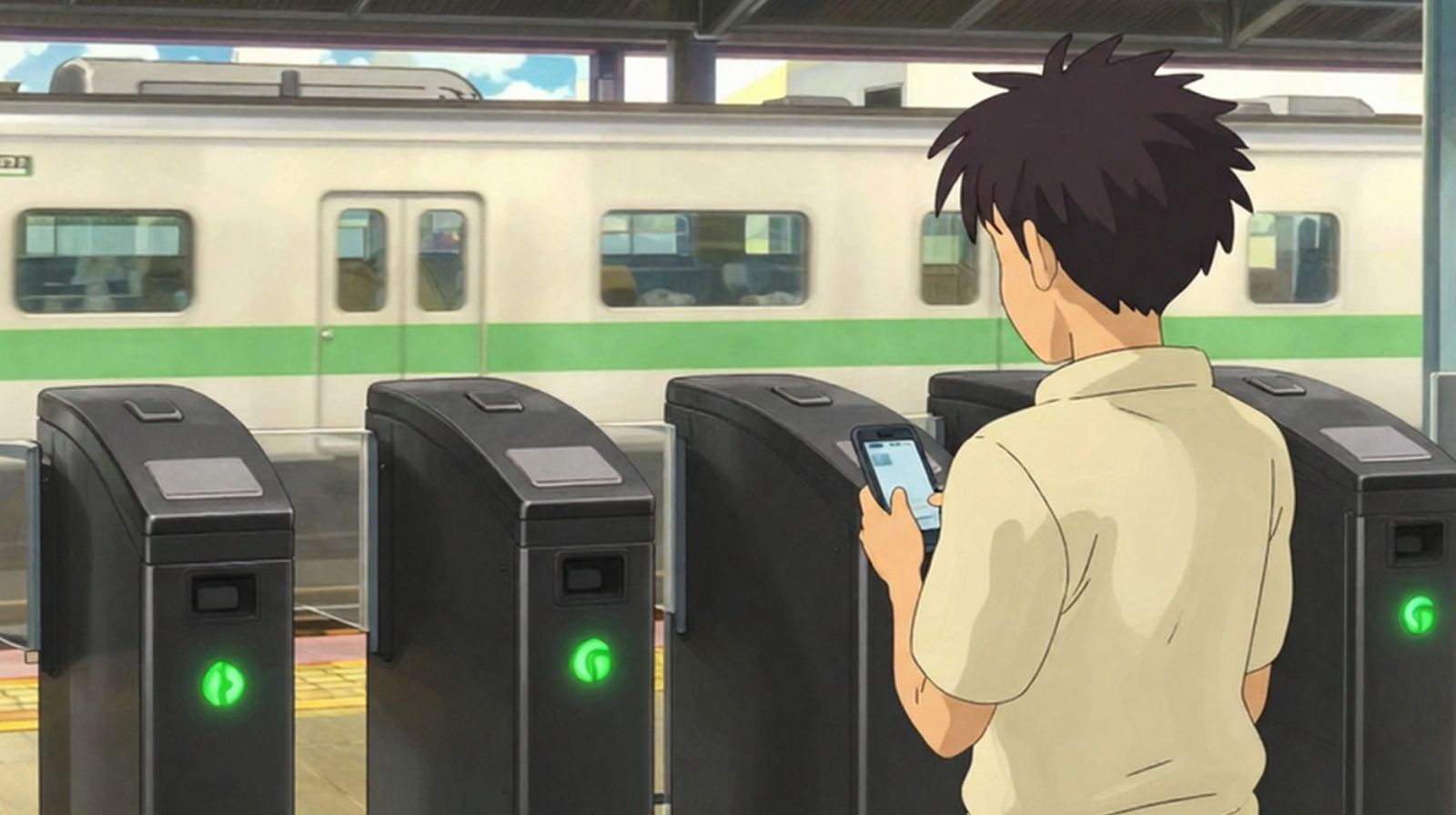
Buying the Japan Rail Pass
If you’ve decided that the Japan Rail Pass is the right choice for your trip, here are a few important things to know before purchasing.
Where Can You Buy the Japan Rail Pass?
The Japan Rail Pass can be purchased online before your trip or at selected sales locations in Japan.
If you purchase the pass before arriving, you’ll exchange or collect it at a JR Exchange Office after entering Japan.
Common exchange locations include:
- Narita Airport
- Haneda Airport
- Kansai International Airport (KIX)
- Tokyo Station
- Shinjuku Station
- Shinagawa Station
- Shin-Osaka Station
- Kyoto Station
- Hakata Station
Exchange locations may change, so it’s always a good idea to check the official website before your trip.
Who Is Eligible?
The Japan Rail Pass is available only to foreign visitors entering Japan as a Temporary Visitor.
If you enter Japan under another visa category—such as work, study, training, or re-entry status—you cannot exchange or use the pass.
If you use an automated immigration gate when entering Japan, be sure to ask an immigration officer to stamp your passport or provide proof of your Temporary Visitor status before leaving the immigration area. Without this confirmation, you may not be able to exchange your Japan Rail Pass.
Important:
Your original passport is required when exchanging or collecting the Japan Rail Pass.
Photocopies, screenshots, or digital images cannot be accepted.
Validity Options
The nationwide Japan Rail Pass is available in three durations:
- 7 consecutive days
- 14 consecutive days
- 21 consecutive days
Your pass becomes valid from the activation date you choose, not the purchase date.
For many first-time visitors, the 7-day pass is sufficient. If you’re traveling across Japan for a longer period, the 14-day or 21-day pass may provide better value.
Before You Buy
Before purchasing, make sure that:
- Your itinerary includes enough long-distance train travel.
- You’re eligible under the Temporary Visitor status.
- You’ve selected the pass duration that best matches your itinerary.
- You know where you’ll exchange or collect your pass after arriving in Japan.
Taking a few minutes to compare costs and confirm your travel plans can help you avoid unnecessary expenses and make your trip much smoother.
For the latest prices, eligibility requirements, exchange locations, and purchasing options, please visit the official Japan Rail Pass website.
JAPAN RAIL PASS
How to Use the Japan Rail Pass
Unlike IC cards such as Suica or ICOCA, the Japan Rail Pass is issued as a paper pass.
Once you’ve exchanged and activated your Japan Rail Pass, using it is straightforward.
At many JR stations, simply insert the paper pass into the automatic ticket gate. The gate will return your pass after you pass through, so don’t forget to collect it.
At some smaller stations or on certain routes, you may need to show your pass to station staff instead of using an automatic gate.
If you plan to ride the Shinkansen or limited express trains, you can reserve seats free of charge at JR ticket offices before departure.
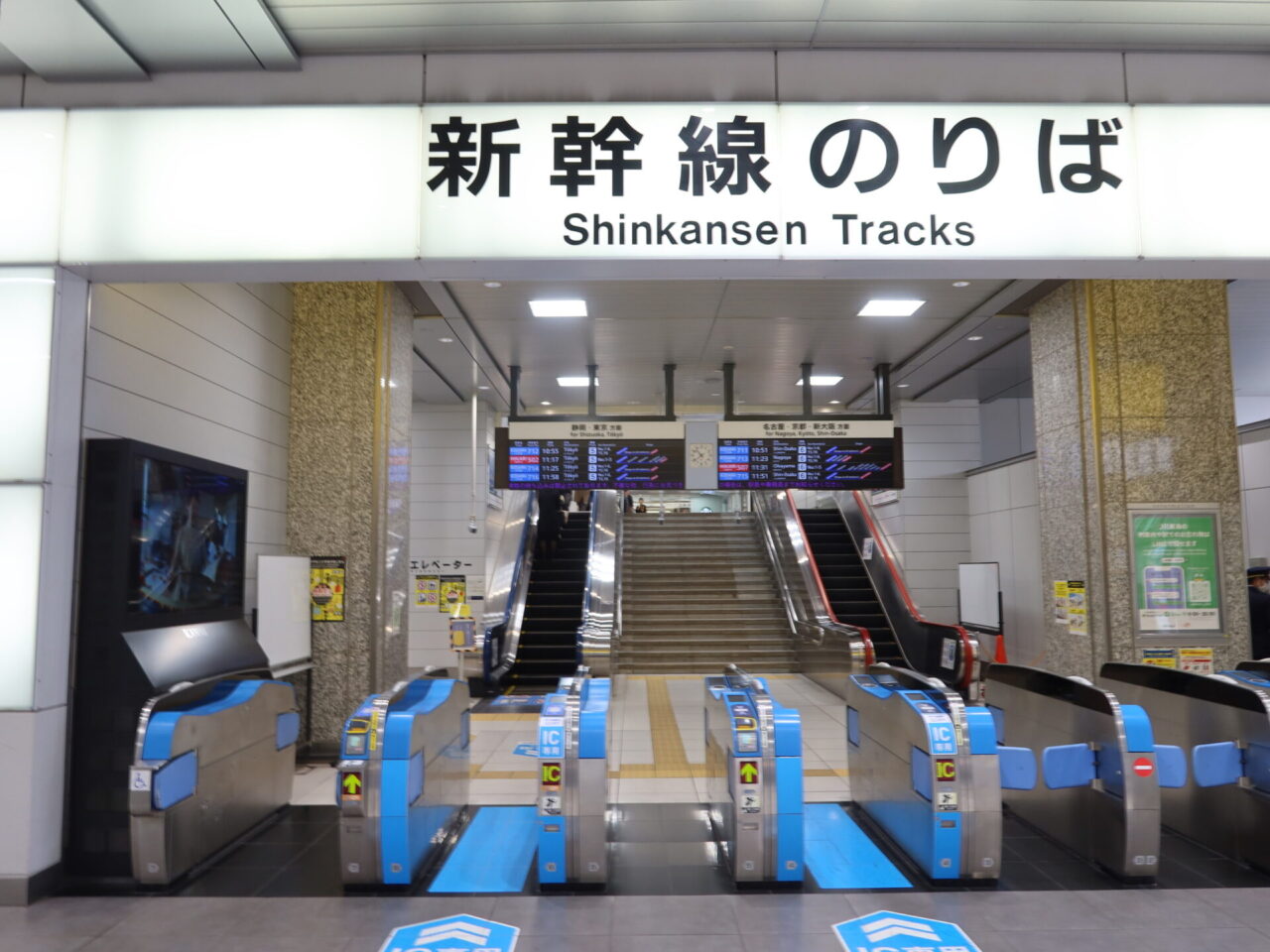
新幹線のりば
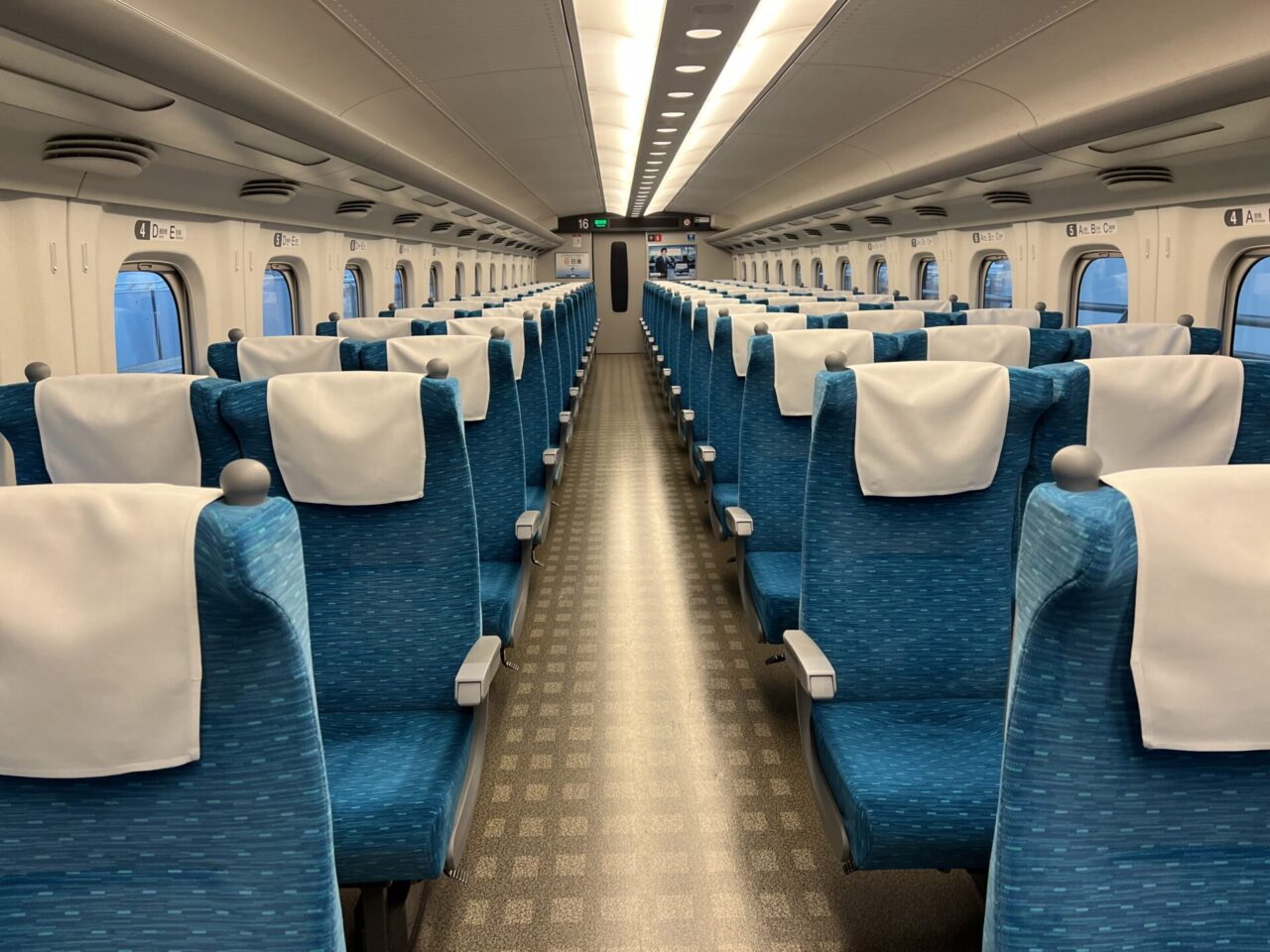
新幹線の車内
Our Recommendation
The Japan Rail Pass is no longer something every visitor should buy automatically.
Since the price increase, many travelers actually spend less by purchasing individual tickets.
If your trip focuses on one region—such as Tokyo, Osaka, or Kyoto—you’ll probably save money without the pass.
However, if you’re planning to explore several regions and take multiple long-distance Shinkansen journeys, the Japan Rail Pass can still provide excellent value.
Every trip is different. The best choice depends on your itinerary—not on old travel advice. Spend a few minutes comparing your routes before buying, and you’ll almost always make the right decision.
Continue Planning Your Train Journey
Now that you know whether the Japan Rail Pass is right for your trip, these guides will help you travel around Japan with confidence:
- How to Buy Shinkansen Tickets in Japan
Learn how to reserve seats, understand ticket types, and book Japan’s famous bullet trains. - How to Use IC Cards in Japan
Discover the easiest way to pay for trains, subways, buses, and even convenience stores. - How to Pay for Train Travel in Japan
Compare IC cards, paper tickets, and Shinkansen reservations. - How to Use Trains and Subways in Japan
Understand Japan’s rail network before your first journey. - Best Time to Visit Japan
Plan your itinerary around the seasons and travel periods.
Frequently Asked Questions
Is the Japan Rail Pass worth it for first-time visitors?
It depends on your itinerary.
If you’re traveling across several regions of Japan and taking multiple Shinkansen journeys, the Japan Rail Pass can still offer excellent value.
However, if you’re only visiting one area—such as Tokyo, Osaka, or Kyoto—buying individual tickets is often the cheaper option.
Does the Japan Rail Pass cover all Shinkansen trains?
No.
The standard Japan Rail Pass covers most Shinkansen services, but the fastest Nozomi and Mizuho trains require an additional supplement.
Most travelers can comfortably use the Hikari, Sakura, or Kodama services instead.
Does the Japan Rail Pass cover private railways such as subways?
No.
The pass only covers transportation operated by the JR Group.
Subways such as Tokyo Metro and Osaka Metro, as well as many private railway companies, are not included.
For these services, an IC card is usually the easiest payment method.
Can I use the Japan Rail Pass and an IC card together?
Yes.
Many travelers use both during their trip.
The Japan Rail Pass is ideal for long-distance JR travel, while an IC card is convenient for subways, buses, convenience stores, and short local journeys.
Can I buy the Japan Rail Pass after arriving in Japan?
Yes.
The Japan Rail Pass can be purchased at selected JR stations and official sales locations in Japan, although many travelers still choose to buy it online before departure.
Availability and sales policies may change, so it’s worth checking the latest information before your trip.
Should I reserve seats when using the Japan Rail Pass?
Seat reservations are recommended for long-distance Shinkansen journeys, especially during weekends, public holidays, and busy travel seasons such as cherry blossom season and New Year.
For many local and regional trains, reservations are not necessary.
How long is the Japan Rail Pass valid?
The nationwide Japan Rail Pass is available for:
- 7 consecutive days
- 14 consecutive days
- 21 consecutive days
The validity period begins on the activation date you choose.
Is the Japan Rail Pass valid on airport trains?
Yes, many JR-operated airport trains are covered.
For example:
- Narita Express (N’EX)
- Haruka Airport Express (Kansai Airport)
However, privately operated airport railways such as the Keisei Skyliner are not covered.
Can I return the Japan Rail Pass for a refund?
If the pass has not been exchanged or activated, refunds may be available according to the seller’s cancellation policy.
Once the pass has been activated, it generally cannot be refunded.
Last verified: July 2026
This article reflects the latest information available at the time of publication. Because transportation fares, Japan Rail Pass conditions, and ticketing policies may change, we recommend checking the official JR websites before making your purchase.
Related Guides
These guides will help you make the most of your visit to Japan.
Planning Your Trip to Japan
- A Complete Guide for First-Time Visitors to Japan
- Visit Japan Web: Complete Guide for First-Time Visitors
- What to Expect on Your First Trip to Japan
- Best Time to Visit Japan: A Season-by-Season Guide
- Is Japan Safe for Foreign Travelers?
- Japanese Etiquette Every Visitor Should Know
Language and Communication
Transportation
- How to Use Trains and Subways in Japan
- How to Use IC Cards in Japan
- How to Pay for Train Travel in Japan
- How to Buy Shinkansen Tickets in Japan
- Japan Rail Pass: Is It Worth It? A Complete Guide for First-Time Visitors
- How to Use Taxis in Japan