What Is the Shinkansen?
The Shinkansen, often called the bullet train, is Japan’s high-speed rail network.
It connects many of the country’s most popular destinations, including:
- Tokyo
- Kyoto
- Osaka
- Hiroshima
- Nagoya
- Fukuoka
For many visitors, riding the Shinkansen becomes one of the highlights of a trip to Japan.
The trains are fast, clean, comfortable, and remarkably punctual.
Traveling from Tokyo to Kyoto takes approximately two hours, while Tokyo to Osaka takes around two and a half hours.
Because of this convenience, many travelers use the Shinkansen when exploring multiple regions during a single trip.
Do You Need a Separate Ticket?
Yes.
Unlike local trains and subways, the Shinkansen usually requires a separate ticket.
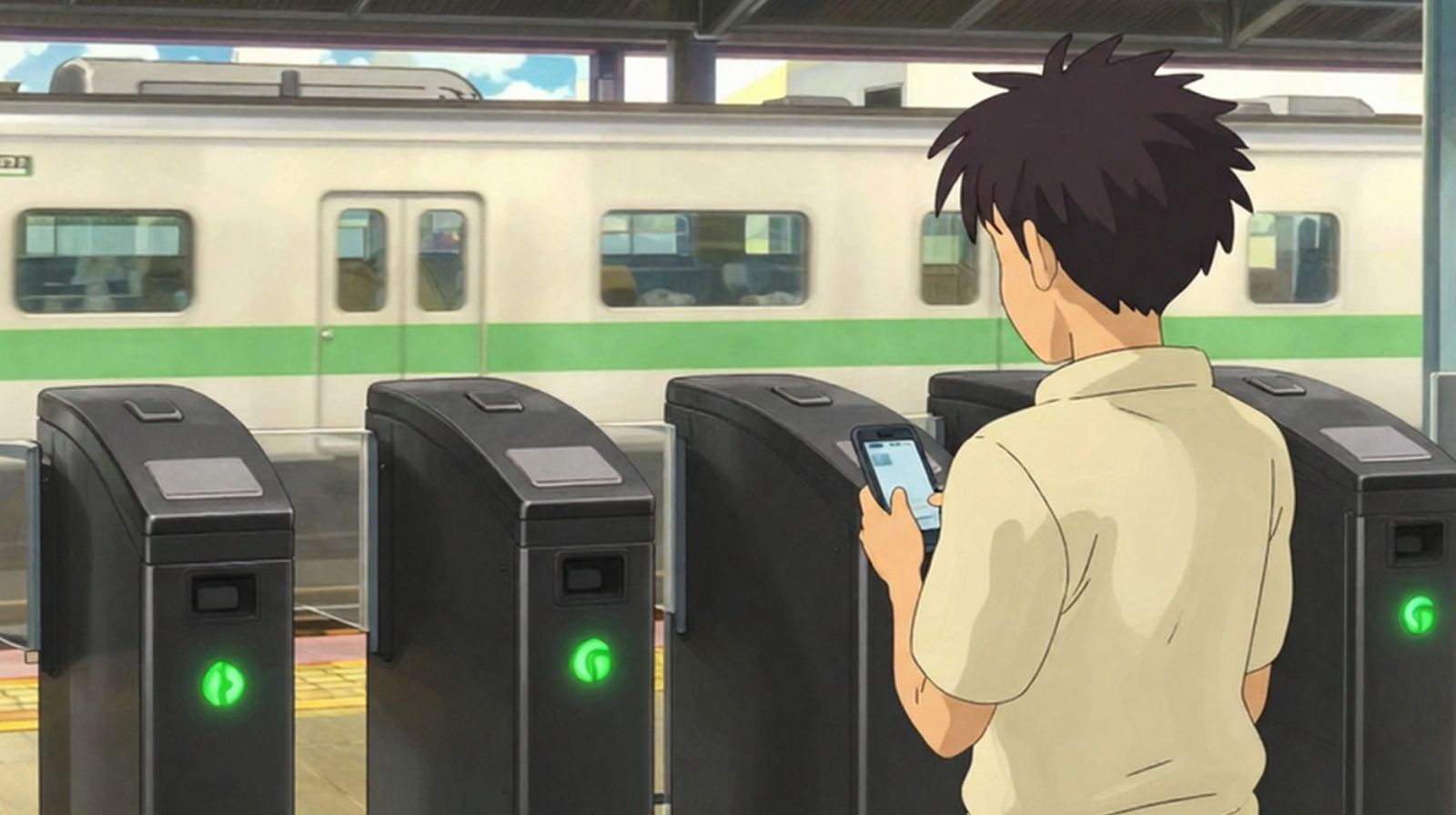
Many first-time visitors assume they can simply tap their IC card and board.
In most cases, that is not how the system works.
For Shinkansen travel, you generally need:
- A base fare ticket
- A Shinkansen ticket or reservation
Fortunately, modern ticket machines handle this automatically, making the process much easier than it sounds.
Three Ways to Buy Shinkansen Tickets
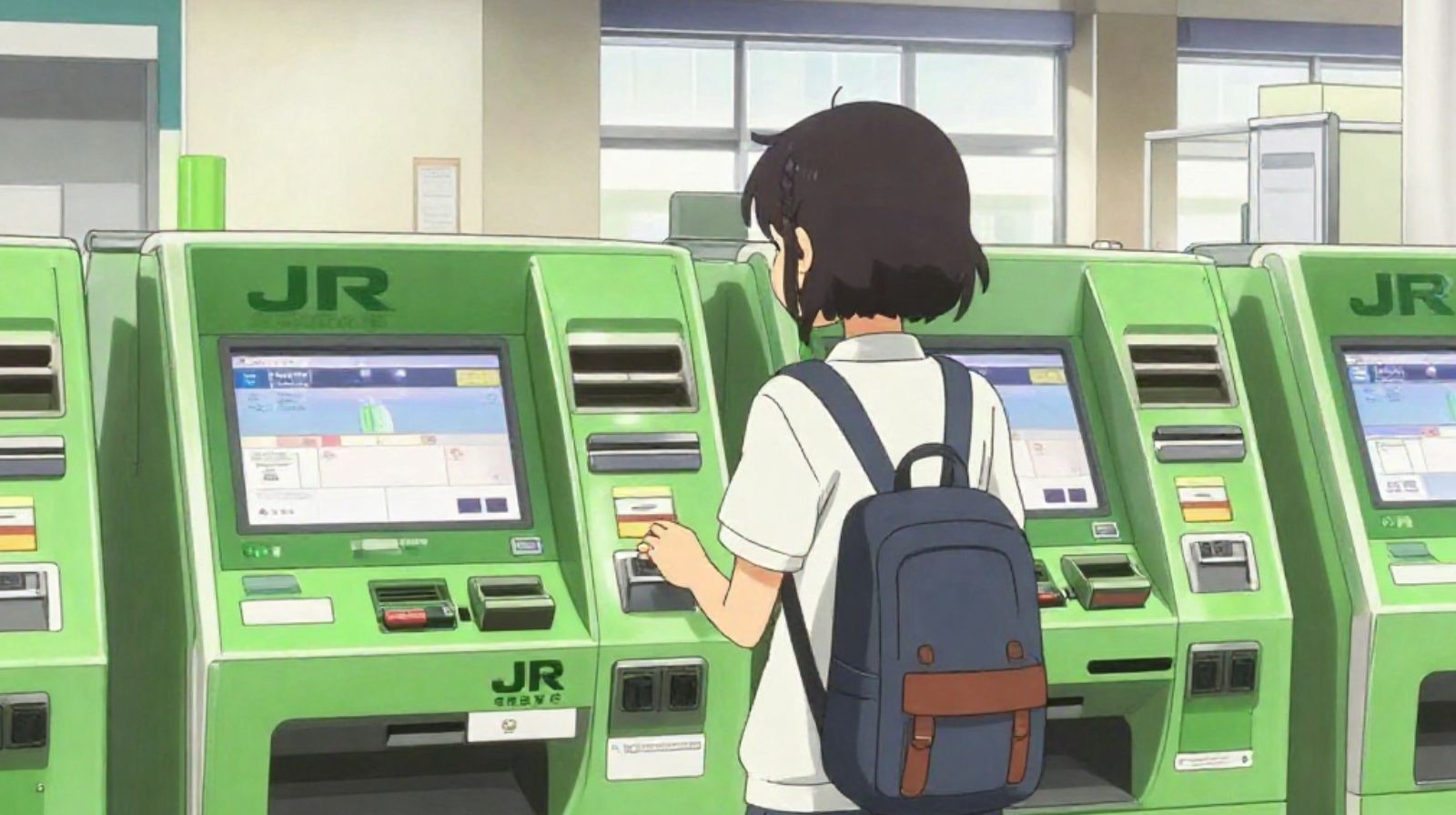
Ticket Machines
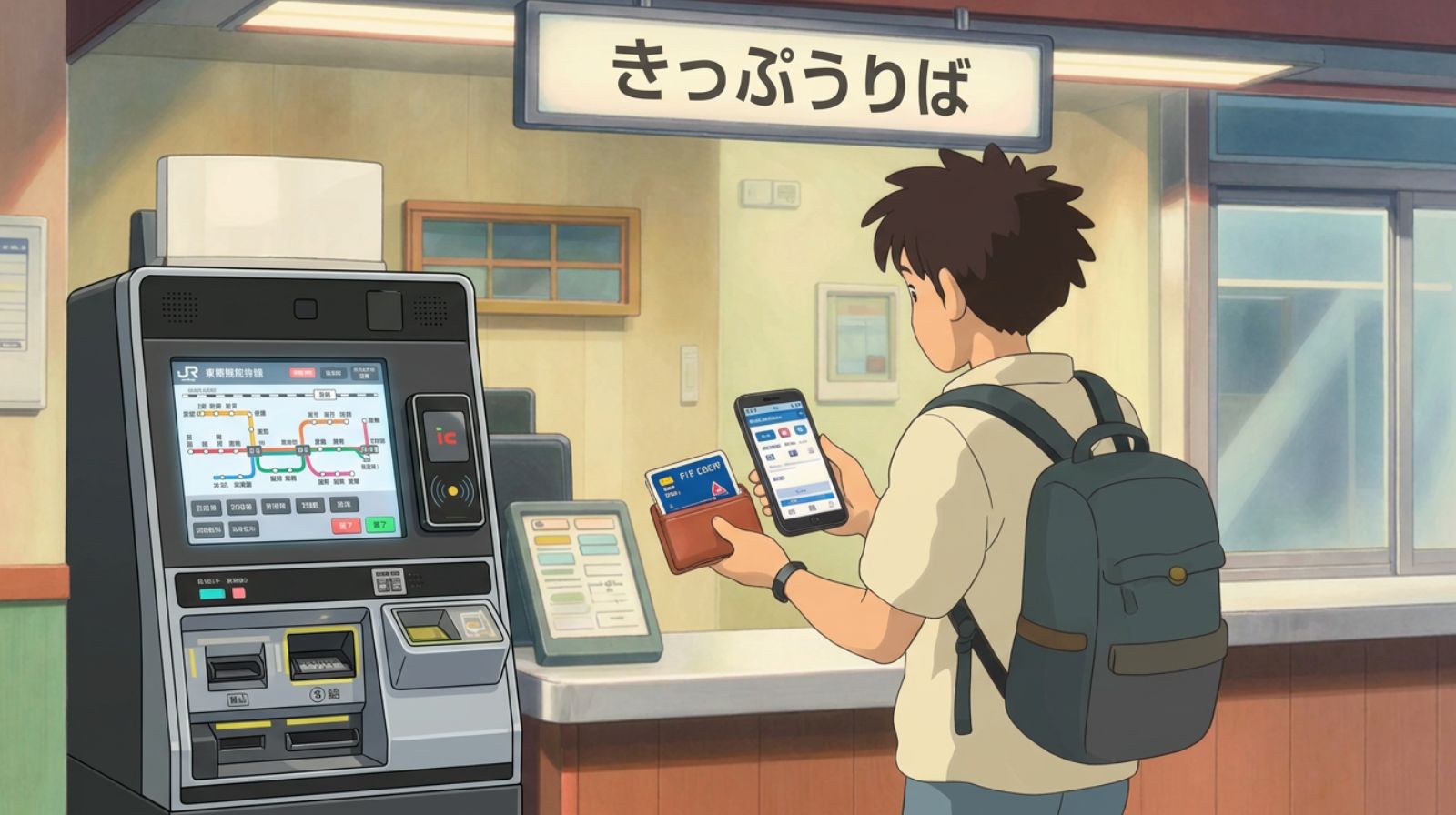
For most visitors, ticket machines are the easiest option.
Most major stations offer machines with English-language menus.
You can:
- Choose your destination
- Select your travel date
- Choose reserved or non-reserved seating
- Pay by cash or credit card
Many travelers find this method simple and convenient.
Ticket Counters
If you prefer assistance, you can purchase tickets at station ticket counters.
These counters are commonly known as “Midori no Madoguchi” (Green Window).
Staff can help with:
- Route selection
- Seat reservations
- Travel schedules
- Special requests
This option is particularly useful for first-time visitors.
Online Reservations
Many routes can also be booked online before arrival.
Online reservations are useful if:
- You prefer to plan in advance
- You are traveling during busy seasons
- You want specific seats
However, for most visitors, purchasing tickets after arriving in Japan is usually sufficient.
Reserved vs Non-Reserved Seats
One of the first decisions you’ll make is whether to reserve a seat.
Reserved Seats
A reserved seat guarantees your place on a specific train.
Advantages include:
- Guaranteed seating
- Less stress during busy periods
- Better for groups and families
Non-Reserved Seats
Non-reserved cars allow passengers to sit in any available seat.
Advantages include:
- More flexibility
- Often slightly cheaper
- No need to choose a specific train
If all seats are occupied, passengers may need to stand until seats become available.
What Is the Green Car?
The Green Car is Japan’s version of first-class rail travel.
Benefits include:
- Larger seats
- More legroom
- Quieter environment
- Additional comfort
While not necessary for most travelers, it can be an enjoyable upgrade for longer journeys.
Should You Reserve in Advance?
In most cases, advance reservations are not required.
Outside peak travel periods, tickets can often be purchased shortly before departure.
However, reservations are recommended during:
- Golden Week (late April to early May)
- Obon holidays (mid-August)
- New Year holidays
- Major national holiday weekends
These periods can become extremely busy.
If your trip falls during one of these seasons, booking ahead is wise.
Can Foreign Visitors Buy Tickets Easily?
Absolutely.
Japan has invested heavily in making transportation accessible for international visitors.
At major stations you will typically find:
- English-language ticket machines
- English signage
- Tourist information centers
- Multilingual assistance
Many visitors are surprised by how straightforward the process becomes once they arrive.
Choosing Seats for Mount Fuji Views
One popular question concerns Mount Fuji.
When traveling between Tokyo and Kyoto or Osaka, the best views are typically on the right-hand side of the train when departing Tokyo.
On clear days, passengers may enjoy spectacular views of Japan’s most famous mountain.
While weather conditions vary, many travelers consider this one of the highlights of the journey.
Arrive Early at Large Stations
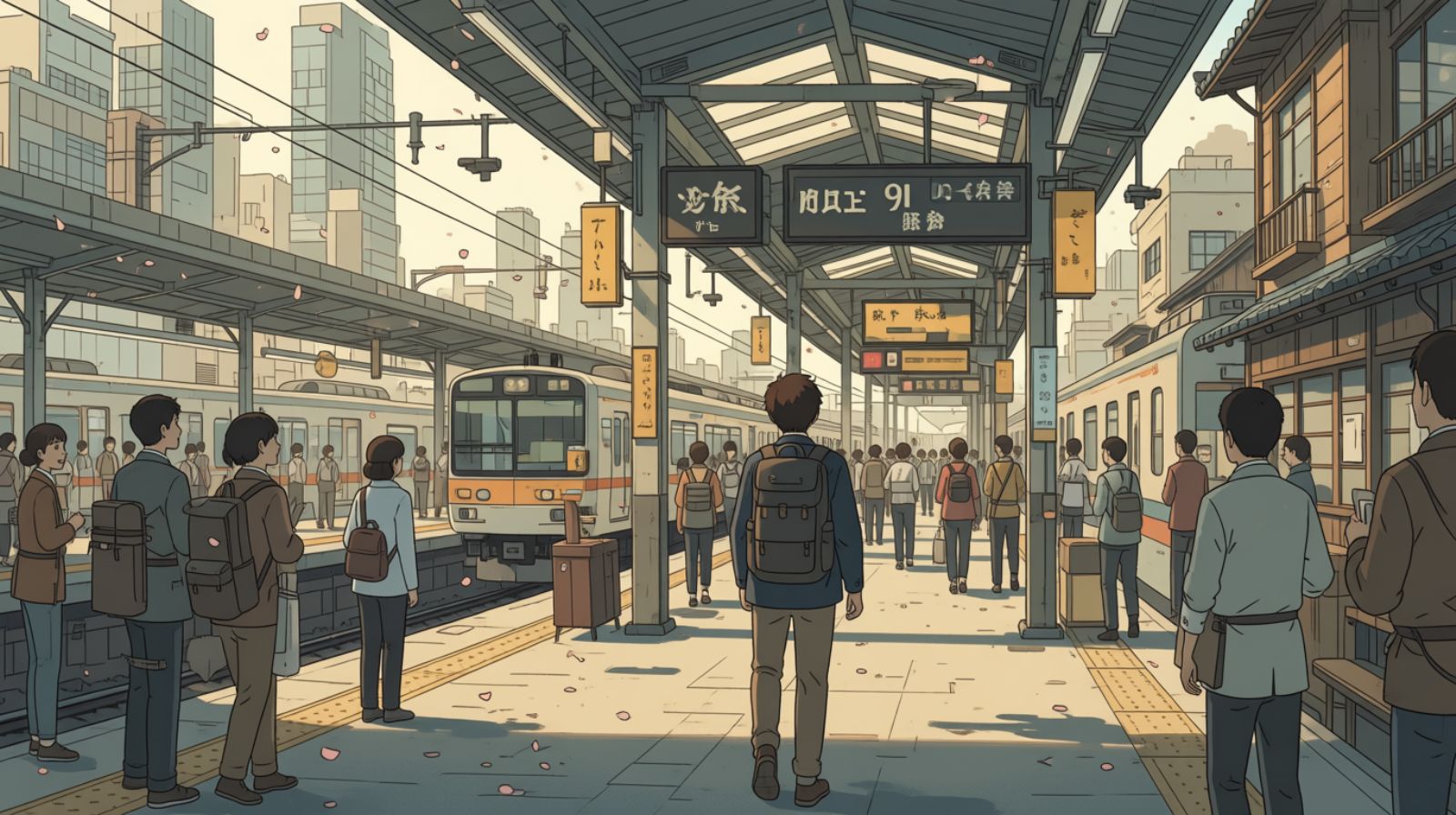
Major stations such as Tokyo Station, Shinagawa Station, Shin-Osaka Station, and Kyoto Station can be surprisingly large.
First-time visitors should allow extra time for:
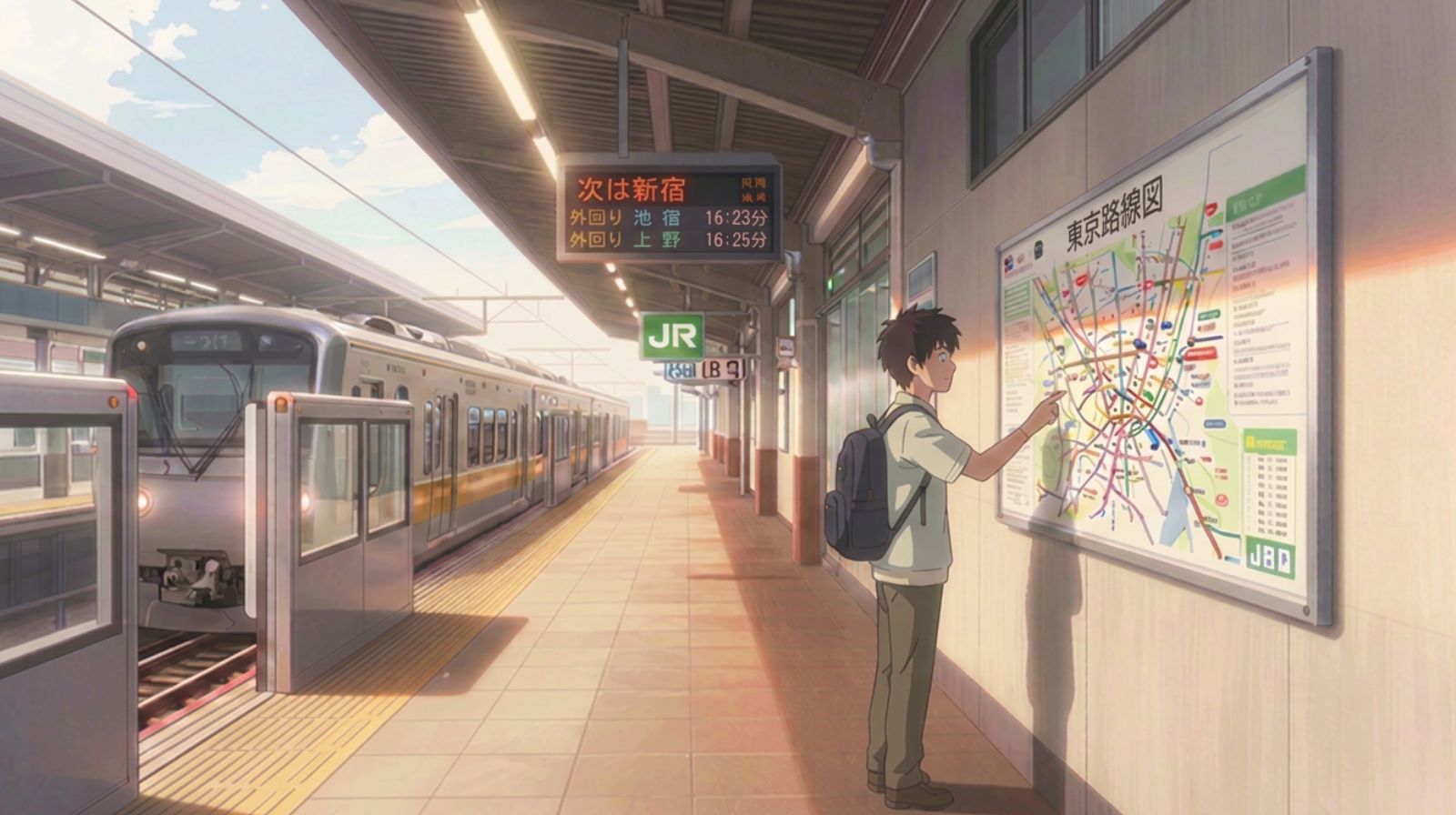
- Finding the correct platform
- Locating ticket machines
- Picking up reserved tickets
- Purchasing food and drinks
Arriving 20–30 minutes before departure is usually a good idea.
What About Luggage?
Japan has introduced luggage rules on certain Shinkansen routes.
Travelers carrying oversized luggage may need a reservation that includes luggage space.
For most standard suitcases, this is not an issue.
However, travelers carrying very large bags should check requirements before departure.
Is the Shinkansen Worth It?
For most visitors, the answer is yes.
The Shinkansen offers:
- Fast travel
- Excellent reliability
- Comfortable seating
- Frequent departures
- Easy access between major cities
It is often the most efficient way to travel between Japan’s major destinations.
For many travelers, the experience itself becomes part of the trip.
Transportation Should Be Part of the Adventure
Many visitors worry about navigating Japan’s transportation system before arrival.
Fortunately, buying Shinkansen tickets is much easier than many people expect.
After your first journey, the process quickly becomes familiar.
Instead of worrying about tickets, you can focus on where your next destination will be.
Whether you’re heading to Kyoto’s historic districts, Osaka’s vibrant streets, or Hiroshima’s important cultural sites, the Shinkansen makes exploring Japan remarkably simple.
Related Guides
- How to Pay for Train Travel in Japan
- How to Use Trains and Subways in Japan
- How to Use IC Cards in Japan
- How to Use Taxis in Japan (Coming Soon)
- Can You Travel Japan Without Speaking Japanese?
- How Much English Is Spoken in Japan? (Coming Soon)
- Is Japan Safe for Foreign Travelers?
- A Complete Guide for First-Time Visitors to Japan
- What to Expect on Your First Trip to Japan
- Japanese Etiquette Every Visitor Should Know (Coming Soon)