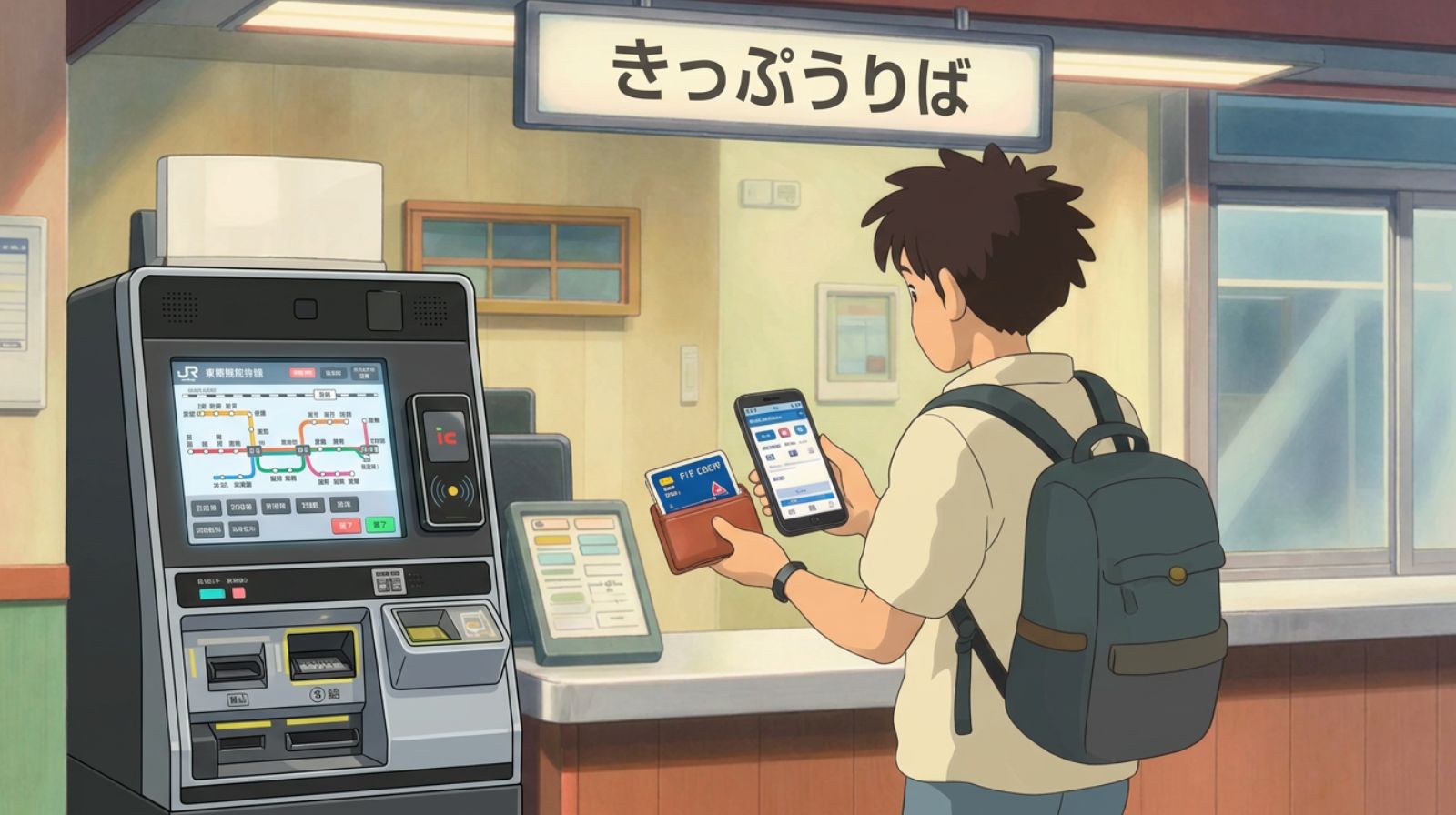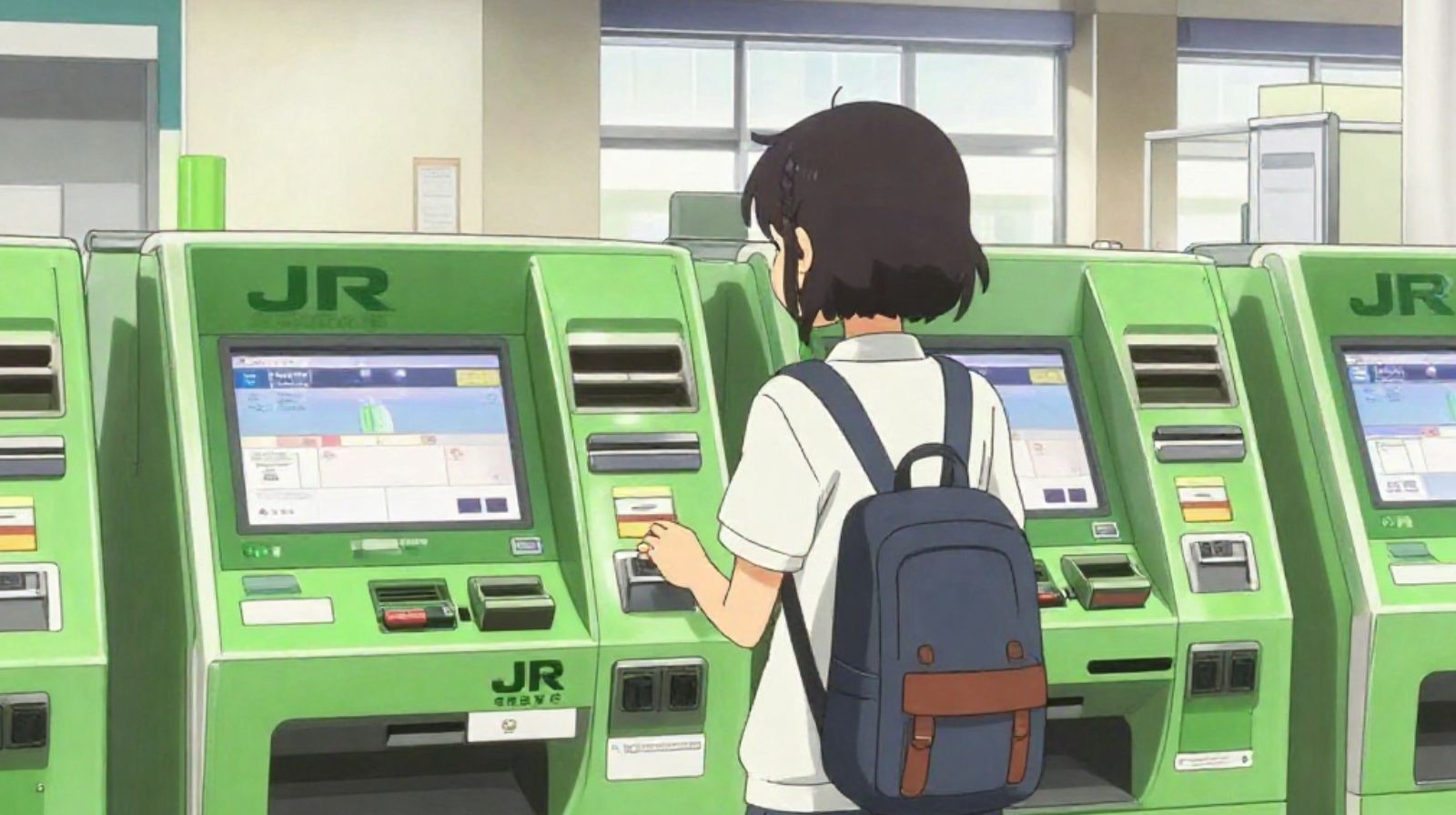
What Is an IC Card?
An IC card is the easiest way to pay for trains, subways, and many buses in Japan.
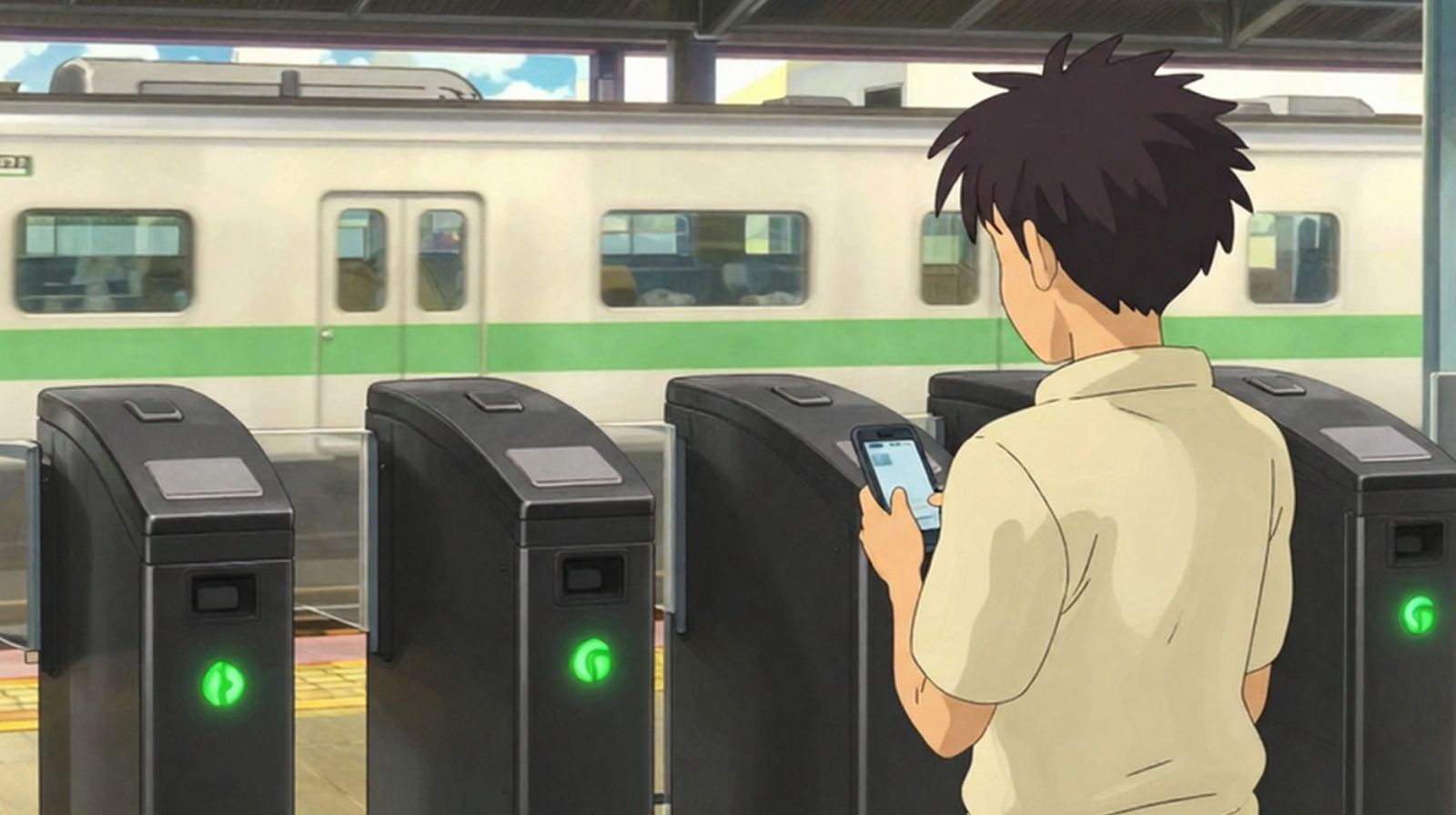
Instead of purchasing a ticket for each journey, you simply tap your card at the ticket gate when entering and leaving a station.
IC cards can also be used at many convenience stores, vending machines, restaurants, and other businesses throughout Japan.
For most visitors, an IC card quickly becomes one of the most useful items during a trip.
Popular IC cards include:
- Suica
- PASMO
- ICOCA
While these cards originate from different regions, they work similarly across most major transportation networks in Japan.
For travelers, the differences are usually minimal.
Why Most Travelers Should Use an IC Card
Japan’s rail network is extensive.
Without an IC card, you may need to purchase individual tickets for each journey and calculate the correct fare before boarding.
An IC card removes much of this complexity.
No need to buy tickets.
No need to calculate fares.
No need to stand in line at ticket machines before every journey.
Simply tap and travel.
For most visitors, an IC card is the fastest and easiest way to use public transportation in Japan.
Suica, PASMO, and ICOCA: What’s the Difference?
Many visitors are confused when they discover that Japan has several different IC cards.
The three most common are:
Suica
Issued by JR East and commonly used in Tokyo and eastern Japan.
PASMO
Issued by private railway companies in the Tokyo area.
ICOCA
Issued by JR West and commonly used in Osaka, Kyoto, and western Japan.
For most travelers, the choice of card makes very little difference.
A Suica purchased in Tokyo can generally be used in Osaka.
An ICOCA purchased in Osaka can generally be used in Tokyo.
Because of this nationwide compatibility, visitors should simply choose whichever card is easiest to obtain.
Where to Get an IC Card in Japan
Most visitors purchase an IC card immediately after arriving in Japan.
At Major Airports
IC cards are available at many international gateways, including:
- Narita Airport
- Haneda Airport
- Kansai International Airport (KIX)
- Chubu Centrair International Airport
- Fukuoka Airport
Cards can usually be purchased from station ticket machines, ticket counters, or visitor service centers.
At Major Train Stations
You can also purchase IC cards at many large railway stations throughout Japan, including:
- Tokyo Station
- Shinjuku Station
- Shin-Osaka Station
- Kyoto Station
- Hakata Station
If you forget to buy one at the airport, obtaining one later is usually straightforward.
Welcome Suica for Tourists
Foreign visitors may also consider Welcome Suica.
This special tourist version offers:
- No deposit required
- Easy purchase process
- Validity for 28 days
For many short-term visitors, Welcome Suica is a convenient option.
Physical Cards vs Mobile IC Cards
Today, travelers can choose between a traditional plastic card and a mobile IC card stored on a smartphone.
Both work in the same way at ticket gates.
Physical IC Card
Advantages:
- Simple to purchase
- Works regardless of phone compatibility
- Easy for families and children
Disadvantages:
- Must be carried separately
- Can be lost
Mobile IC Card
Advantages:
- Stored directly on your phone
- Easy to recharge
- No additional card required
Disadvantages:
- Device compatibility varies
- Setup may require additional preparation
Many travelers now prefer mobile IC cards because of their convenience.
Mobile Suica on iPhone
For iPhone users, Mobile Suica is often the most convenient option.
The card can be added directly to Apple Wallet before arriving in Japan.
Many experienced travelers recommend setting up Mobile Suica before departure.
Doing so allows you to begin using trains immediately after landing.
Arrive at the airport.
Walk to the station.
Tap and go.
No ticket machines.
No lines.
No confusion.
Why Set It Up Before Arrival?
If any payment or setup issues occur, it is much easier to resolve them while still at home.
You can also avoid the stress of configuring transportation immediately after a long international flight.
What Android Users Should Know
Android compatibility varies significantly depending on where the device was purchased.
Many Android phones sold outside Japan do not fully support Mobile Suica.
Because compatibility differs by device and region, travelers should verify support before relying on a mobile IC card.
If compatibility is uncertain, a physical IC card is usually the safest option.
How to Recharge an IC Card
Eventually, your balance will need to be topped up.
Fortunately, recharging is simple.
Cash Recharge
Available at:
- Train station ticket machines
- Convenience stores
- Some fare adjustment machines
Cash remains the most universally accepted recharge method.
Credit Card Recharge
Mobile IC cards often allow recharging directly through a linked payment card.
Availability depends on the card issuer and payment network.
Apple Wallet Recharge
iPhone users can typically recharge Mobile Suica directly within Apple Wallet without visiting a station machine.
Credit Card Tips for Foreign Visitors
Some international travelers occasionally experience payment issues when attempting to recharge Mobile Suica.
While acceptance changes over time, many visitors report the most reliable results with:
- Mastercard
- American Express (AMEX)
Some overseas-issued Visa cards may experience occasional difficulties depending on the issuing bank and security settings.
For this reason, carrying a backup payment method is always recommended.
Avoid Japan’s Overnight Maintenance Window
JR East performs regular system maintenance during the night.
Attempting to create or recharge a Mobile Suica during this period may result in errors.
If possible, complete setup and initial charging during Japanese daytime or evening hours.
Where IC Cards May Not Work
Although IC cards are accepted throughout most major cities, there are exceptions.
You may occasionally encounter:
- Rural train lines
- Small local bus networks
- Remote regional destinations
In these areas, cash payments may still be required.
If you plan to visit rural Japan, checking local transportation information in advance is a good idea.
Which Option Should You Choose?
For most travelers, the best option depends on their device.
iPhone Users
Mobile Suica is usually the most convenient choice.
It can be added before arrival, recharged easily, and used throughout most major cities.
Android Users
A physical IC card such as Suica, PASMO, ICOCA, or Welcome Suica is often the simplest and most reliable option.
Families and Groups
Physical cards are often easier to manage, especially when traveling with children.
Transportation Should Feel Easy, Not Stressful
Many visitors worry about transportation before arriving in Japan.
Fortunately, using trains and subways becomes surprisingly simple once you have an IC card.
After a few journeys, tapping through stations quickly becomes second nature.
Rather than spending time purchasing tickets, you can focus on enjoying your trip.
Whether you’re exploring Tokyo, Osaka, Kyoto, or a smaller regional destination, an IC card is one of the easiest ways to make travel throughout Japan smoother and more enjoyable.
Related Guides
- How to Pay for Train Travel in Japan
- How to Use Trains and Subways in Japan
- How to Buy Shinkansen Tickets in Japan
- Can You Travel Japan Without Speaking Japanese?
- How Much English Is Spoken in Japan?
- Is Japan Safe for Foreign Travelers?
- A Complete Guide for First-Time Visitors to Japan
- What to Expect on Your First Trip to Japan
- Japanese Etiquette Every Visitor Should Know