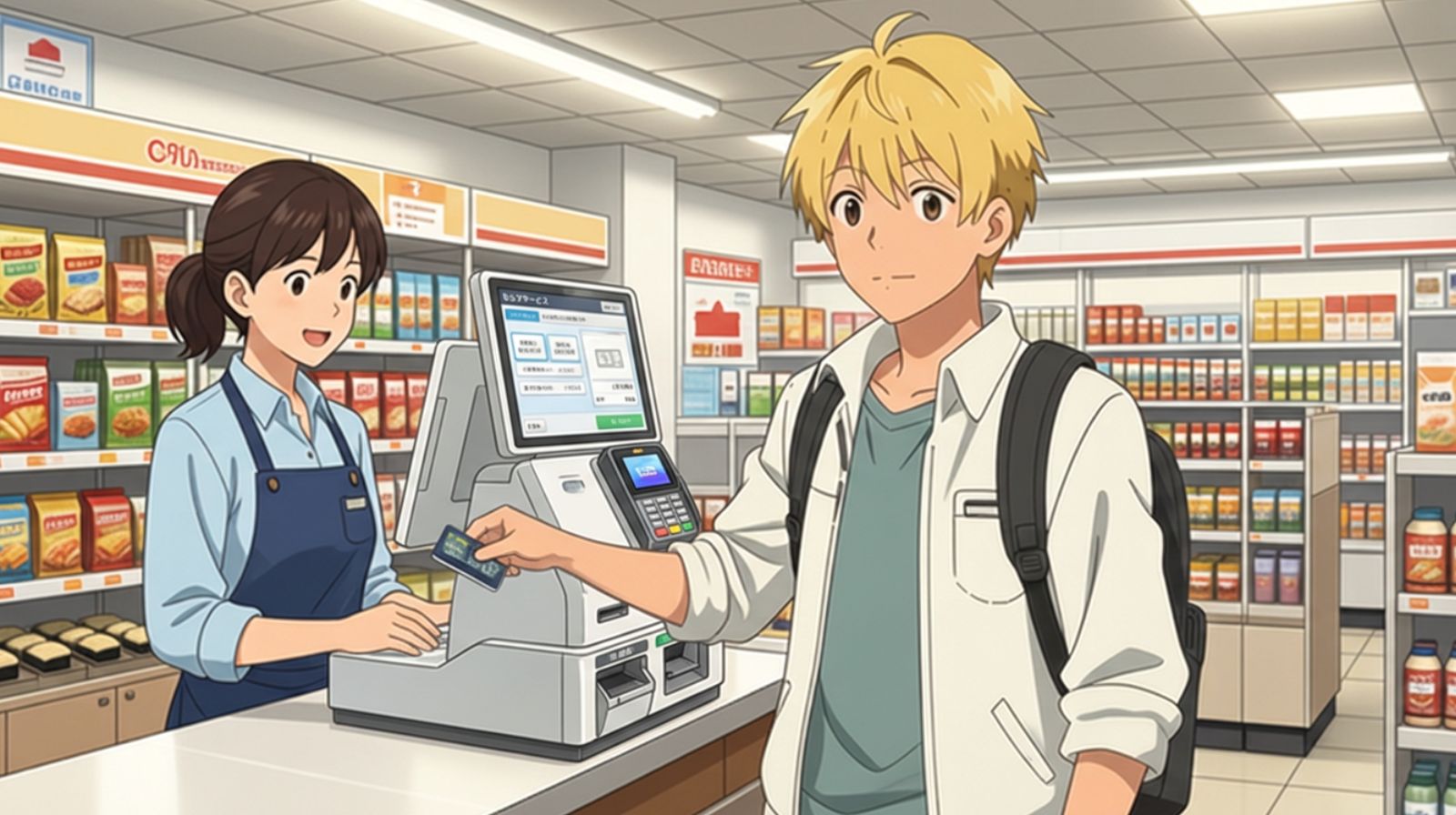
Quick Comparison
| Place or Situation | Credit Card | Cash | IC Card | QR Payment |
|---|---|---|---|---|
| Hotels | ✅ | Optional | ❌ | Sometimes |
| Department Stores | ✅ | Optional | ❌ | Sometimes |
| Shopping Malls | ✅ | Optional | ❌ | Sometimes |
| Convenience Stores | ✅ | Optional | ✅ | ✅ |
| Chain Restaurants | ✅ | Optional | Sometimes | Sometimes |
| Small Local Restaurants | Sometimes | ✅ | Sometimes | Sometimes |
| Shrines & Temples | Rarely | ✅ | ❌ | Rarely |
| Street Food Stalls | Rarely | ✅ | ❌ | Rarely |
| Rural Areas | Sometimes | ✅ | Limited | Limited |
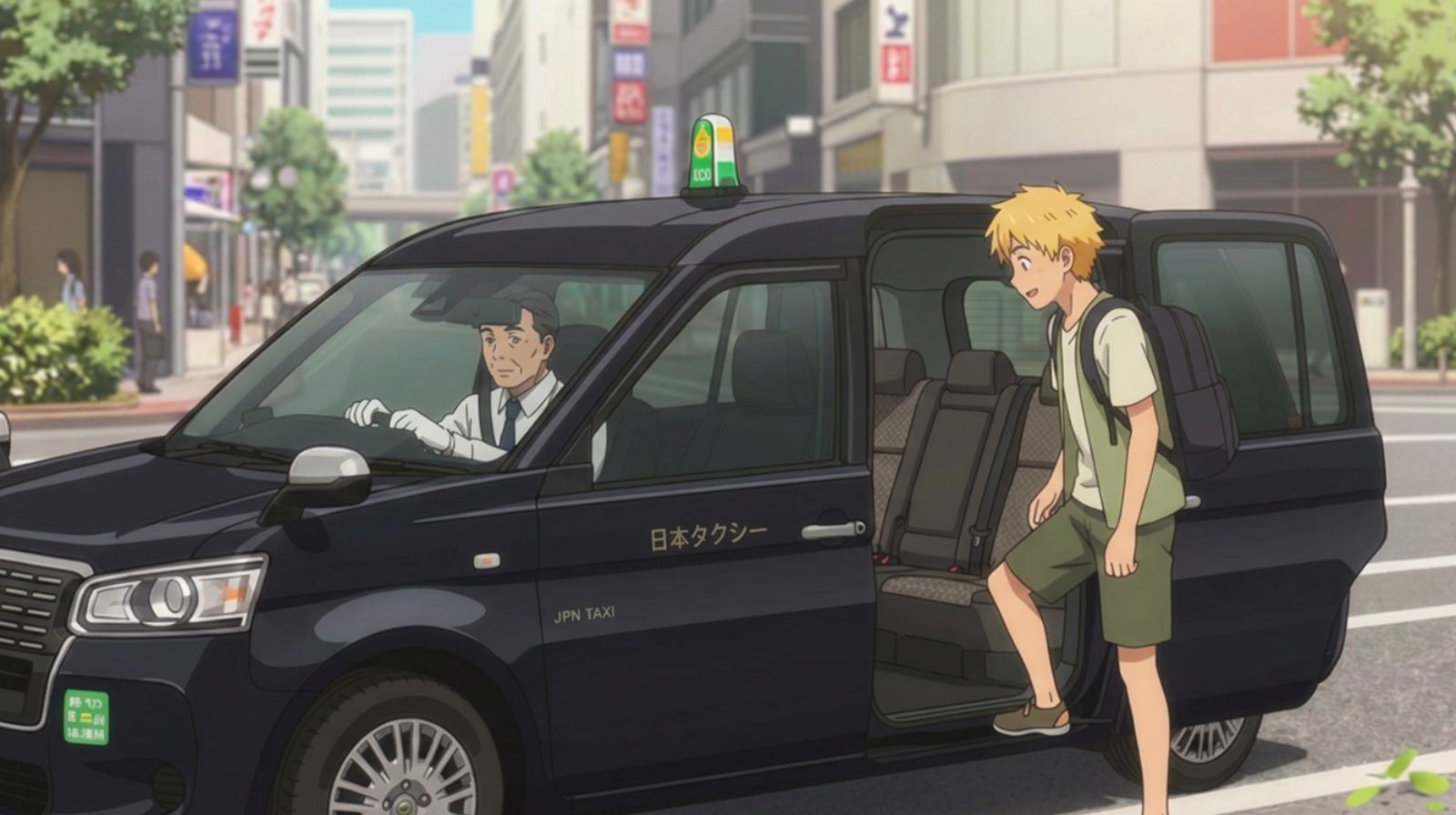
| Taxis | Usually | Sometimes | ❌ | Sometimes |
Where Credit Cards Are Accepted Almost Everywhere
If you’re visiting Japan’s major cities, you’ll probably use your credit card more often than cash.
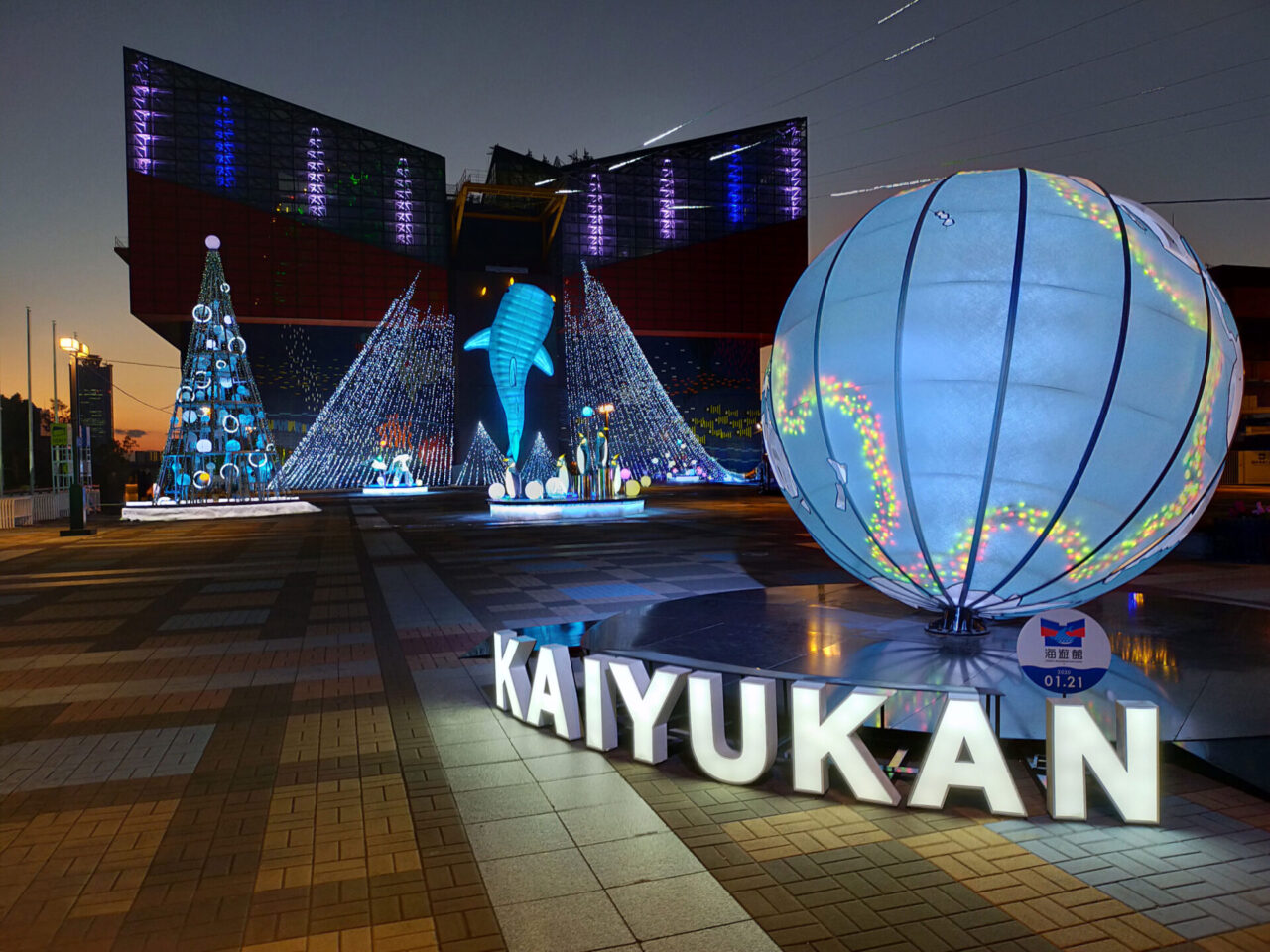
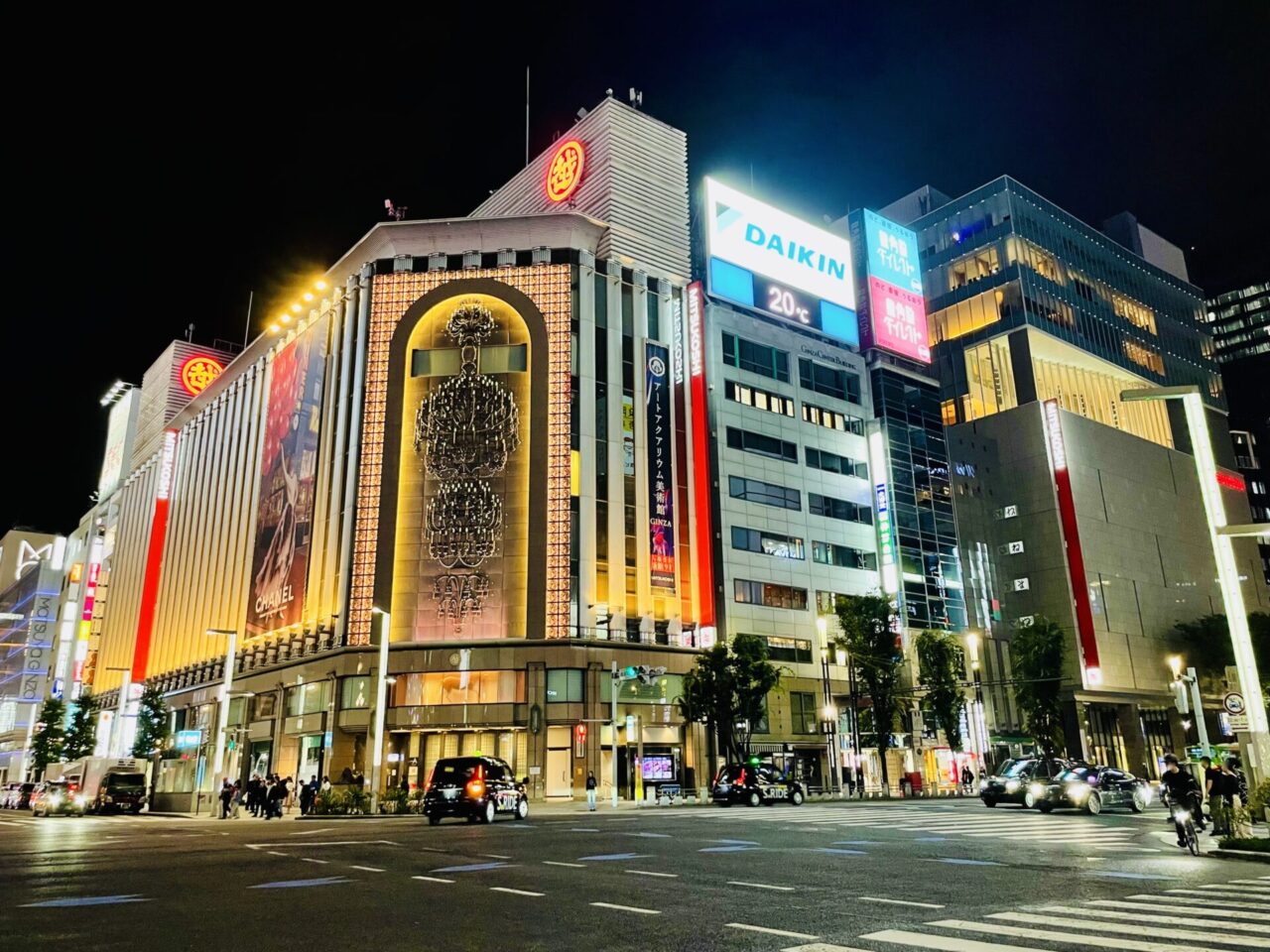
International cards such as Visa, Mastercard, American Express, and JCB are widely accepted at:
- Hotels
- Department stores
- Shopping malls
- Convenience stores
- Chain restaurants
- Cafés
- Airports
- Major tourist attractions
- Shinkansen ticket offices
海遊館
銀座三越
Many businesses also support contactless payment, allowing you to simply tap your card instead of inserting it.
For most visitors staying in Tokyo, Osaka, Kyoto, or other popular destinations, paying by card is quick, easy, and convenient.
Why Some Places Still Don’t Accept Cards
Many visitors are surprised to find that some businesses in Japan still prefer cash.
This isn’t because credit cards are uncommon. In many cases, it’s simply a business decision.
Small family-owned restaurants and independent shops often choose cash because it reduces payment processing fees and makes daily operations easier.
In fact, some newer restaurants have gone in the opposite direction and accept only cashless payments to simplify accounting and eliminate cash handling altogether.
As a result, Japan currently has a unique mix of cash-only shops and cashless-only shops.
Today, it is not unusual to find two completely different types of stores standing next to each other—one accepting only cash, and the other accepting only cashless payments.
Places Where You May Still Need Cash
Despite Japan’s rapid shift toward cashless payments, there are still places where cash remains important.
You are more likely to need cash when visiting:
- Small family-run restaurants
- Traditional cafés
- Local markets
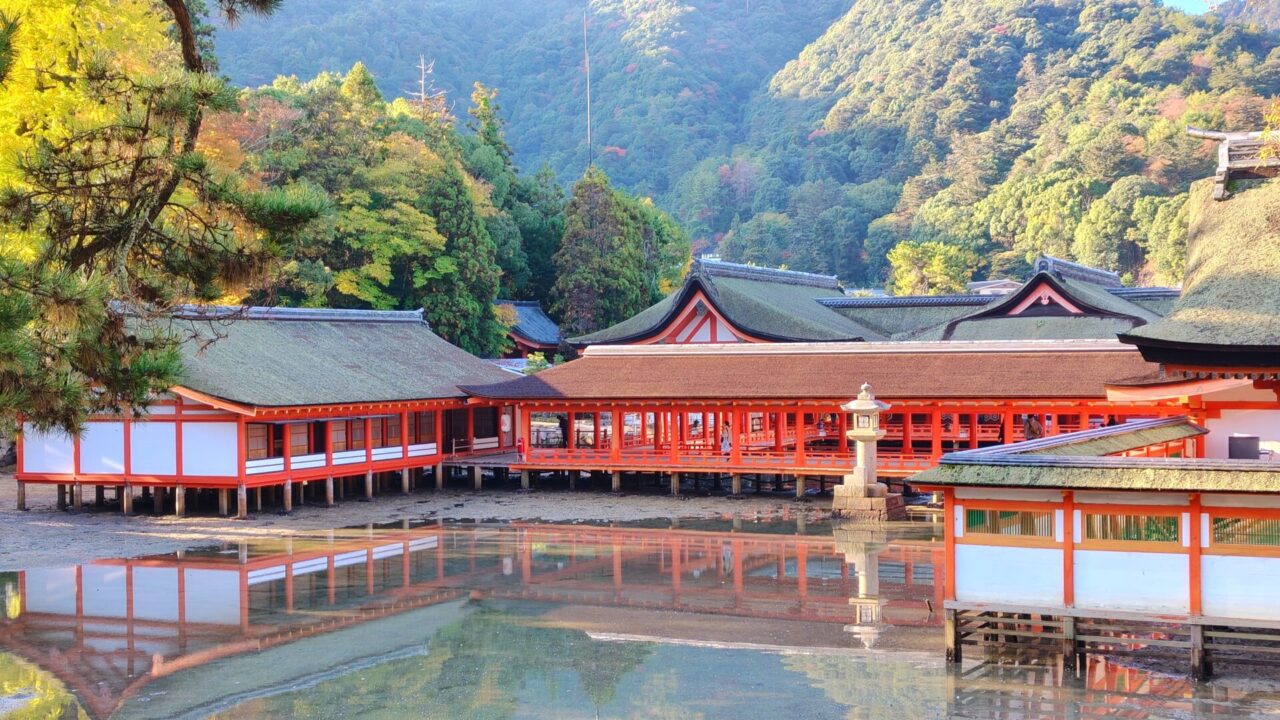
- Shrines and temples
- Street food stalls
- Rural towns and villages
- Older vending machines
- Some local buses
厳島神社
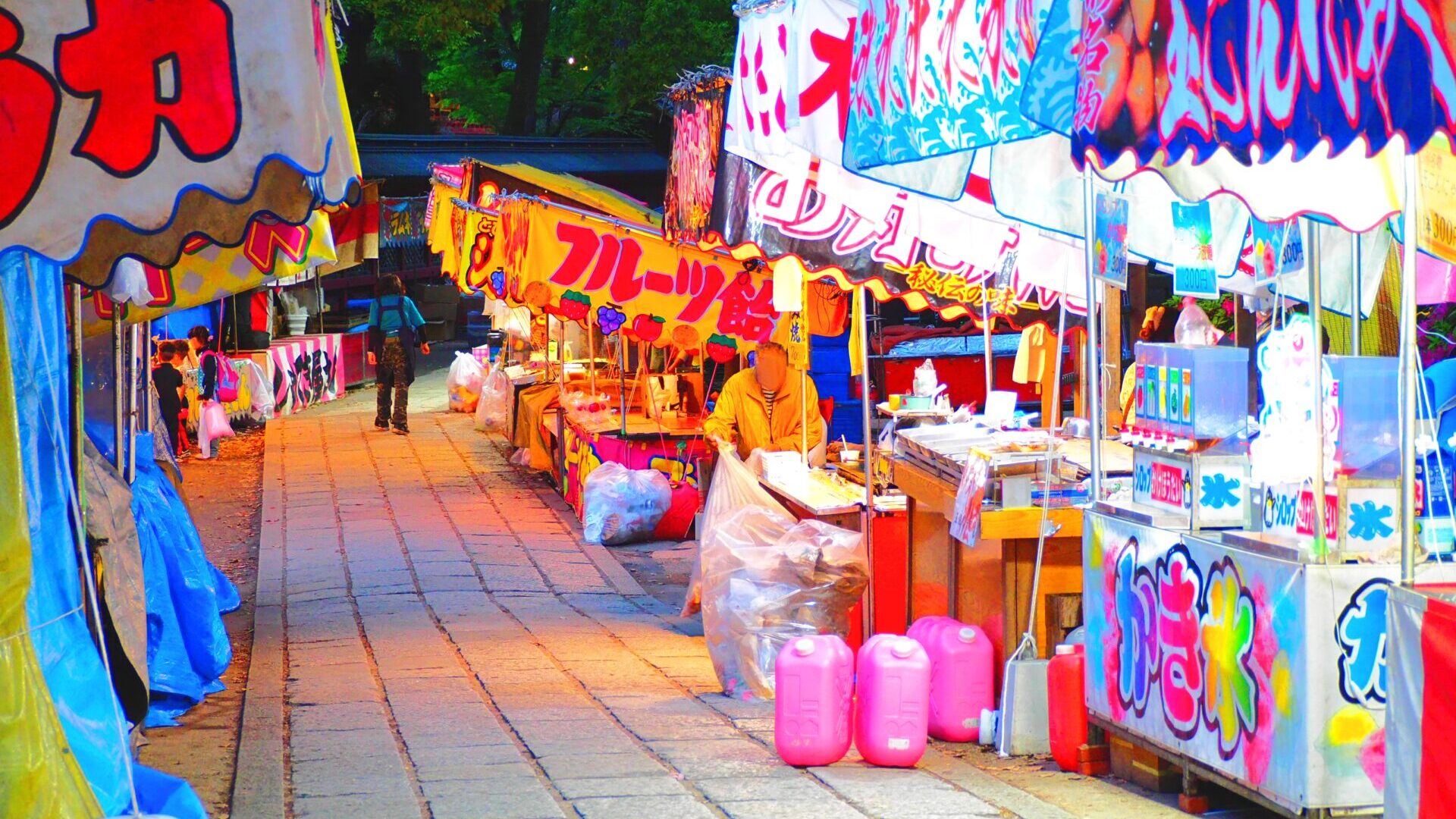
屋台
Many of these businesses are independently operated and either choose not to accept cards or prefer cash because it reduces transaction fees.
If you enjoy exploring neighborhoods beyond the main tourist areas, carrying some Japanese yen will make your trip much smoother.
If you’d like practical advice about how much cash to carry each day, see:
→ Cash or Credit Cards in Japan?
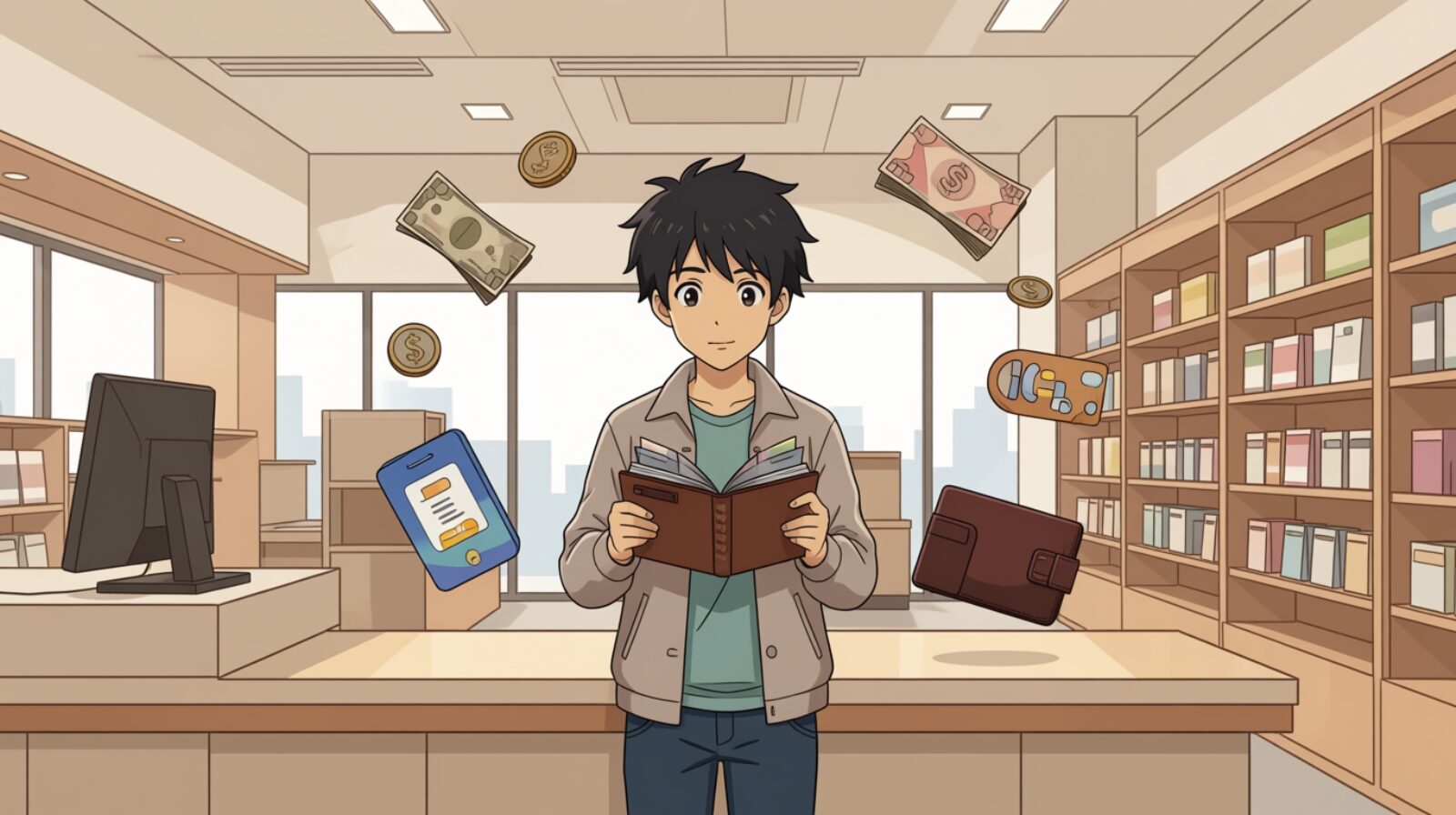
Contactless Payments Are Becoming Common
Japan has rapidly expanded contactless payment options in recent years.
Many shops now accept:
- Visa Contactless
- Mastercard Contactless
- American Express Contactless
- Apple Pay
- Google Wallet
In convenience stores, supermarkets, and many cafés, simply tapping your card is often the fastest way to pay.
What About QR Code Payments?
You may notice many Japanese people paying with QR code apps such as PayPay, Rakuten Pay, d払い, or au PAY.
These services are extremely popular among local residents.
However, most of them require:
- A Japanese phone number
- A Japanese bank account
- A Japanese-issued payment method
Because of this, most international visitors cannot easily use Japanese QR payment apps.
Instead, travelers will find it much easier to rely on:
- Credit cards
- IC cards
- Cash
You won’t miss out by not using PayPay during your trip.
Although you may see PayPay or Rakuten Pay stickers displayed at shop entrances, this does not mean credit cards are unavailable. Many stores simply advertise every payment method they accept. If you’re unsure, just ask, “Can I pay by credit card?” In most tourist areas, the answer will often be yes.
Most visitors don’t need Japanese QR payment apps.
If you’re deciding whether to rely on cash or cards during your trip, our complete guide explains the best balance.
→ Cash or Credit Cards in Japan?
Can You Use Credit Cards on Public Transportation?
Transportation is one area where payment methods can vary.
Credit cards work well for:
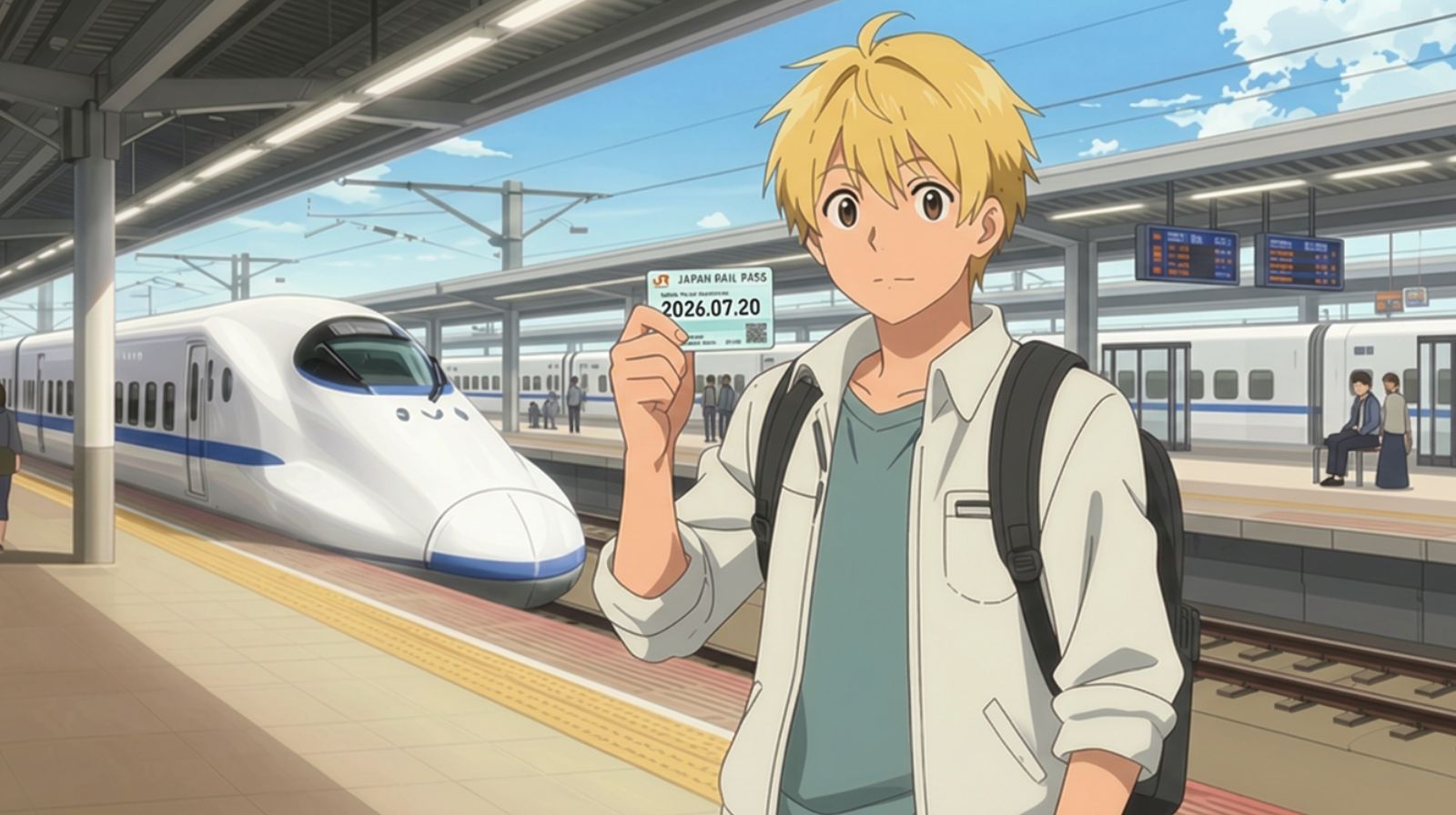
- Buying Shinkansen tickets
- Reserving limited express trains
- Purchasing tickets at major JR stations
IC cards are better for:
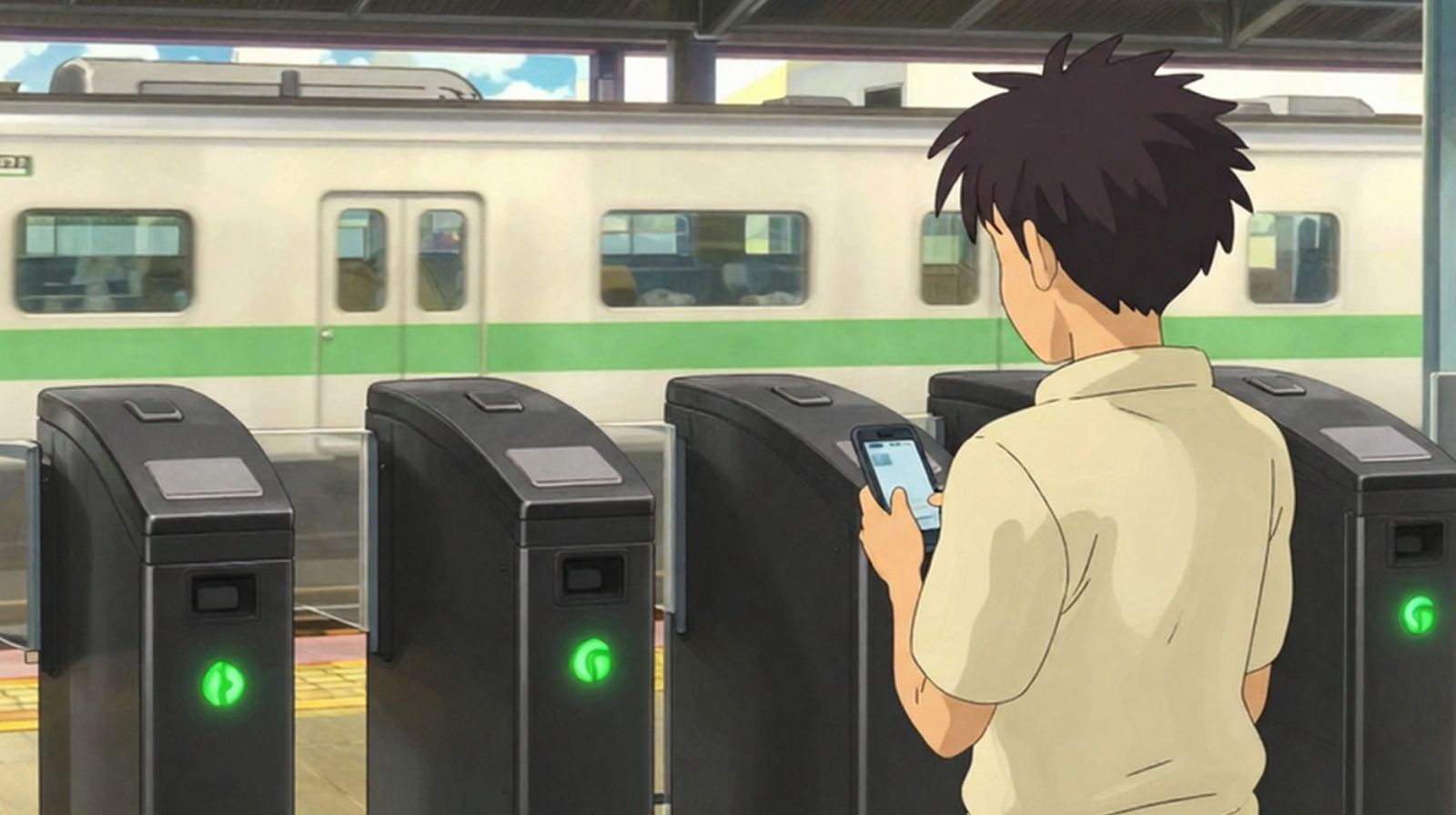
- Local trains
- Subways
- City buses
- Everyday transportation
Cash may still be useful for:
- Some rural buses
- Older transportation systems
If you’re planning to travel around Japan by train, our detailed guide explains the best payment method for every type of journey.
→ How to Pay for Train Travel in Japan
→ How to Use IC Cards in Japan (Suica, PASMO, ICOCA, and Mobile IC Cards)
→ How to Buy Shinkansen Tickets in Japan
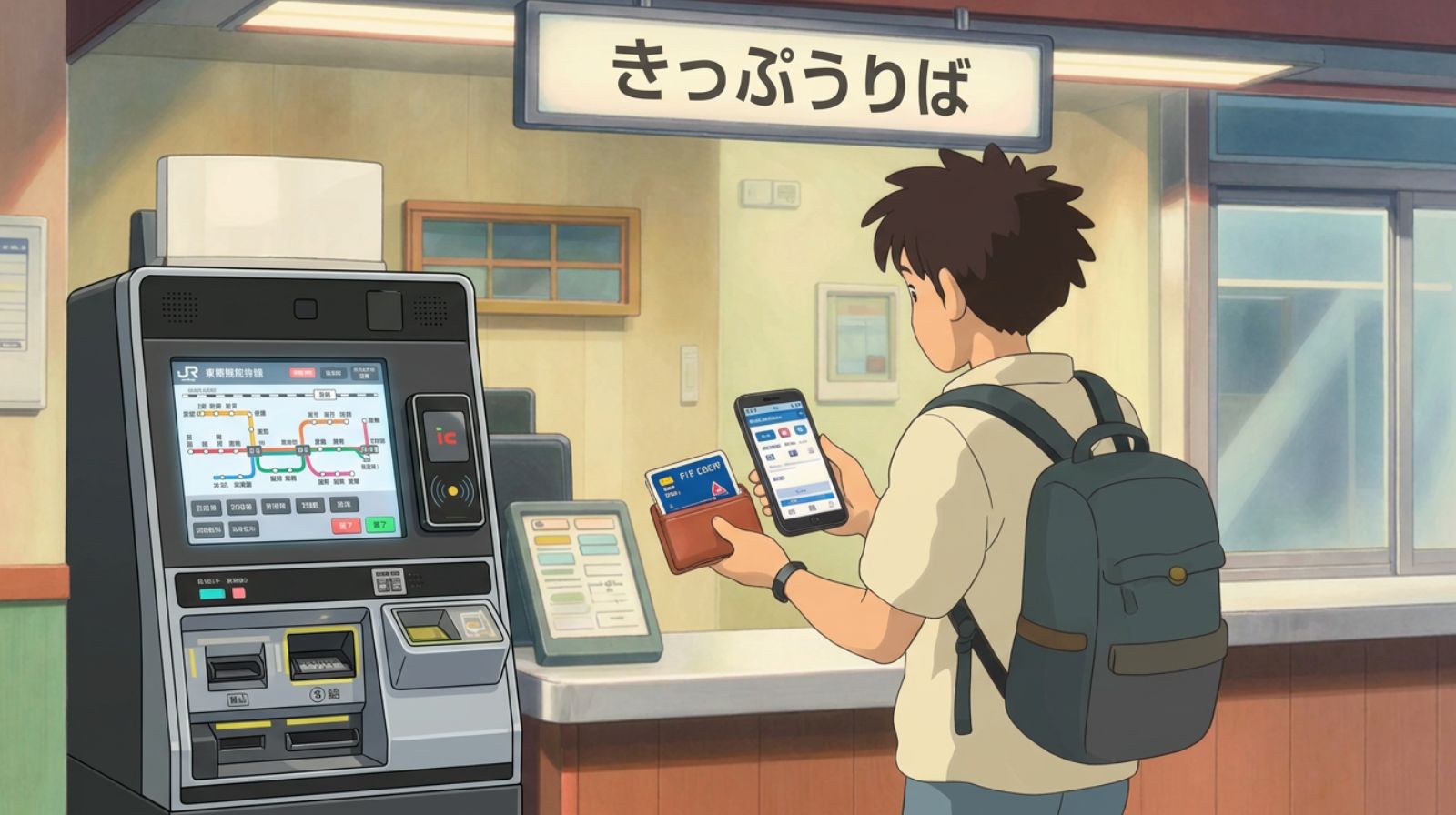
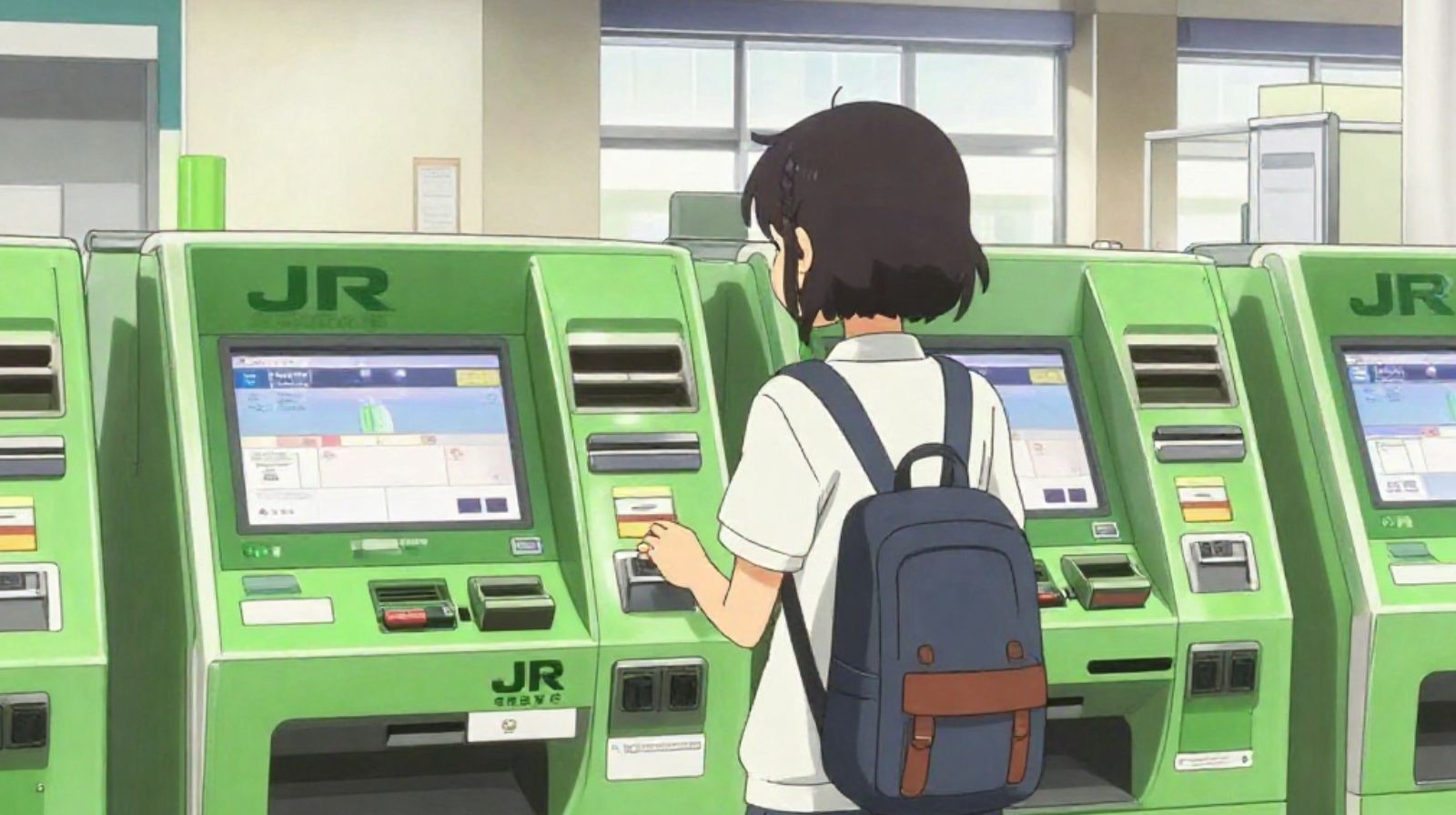
Common Situations That Surprise Visitors
Many travelers assume that cards work everywhere until they encounter one of these situations:
- A ramen shop with a cash-only ticket machine
- Temple admission requiring cash
- A local festival food stall
- A neighborhood bakery
- A countryside souvenir shop
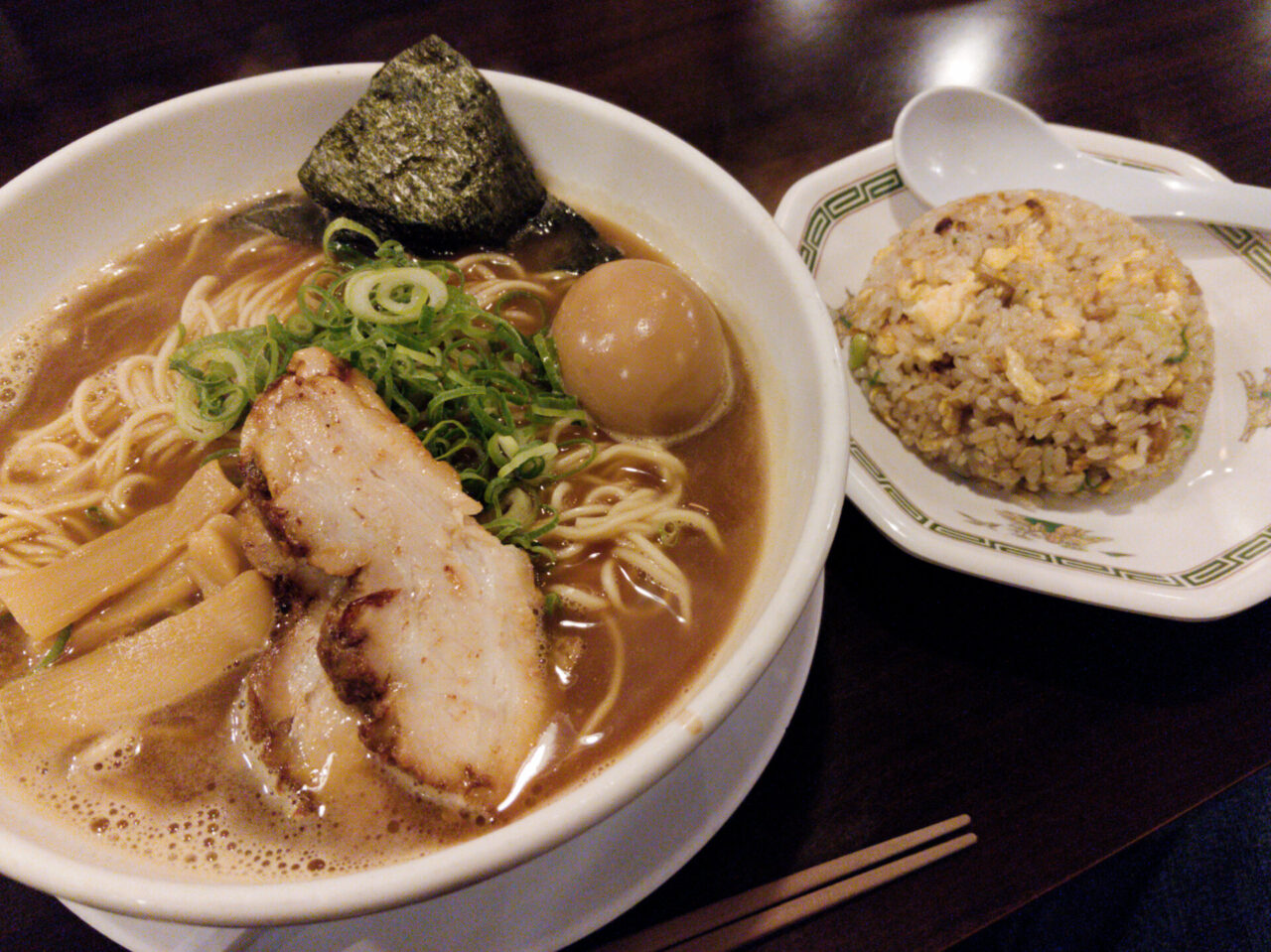
ラーメンとチャーハン
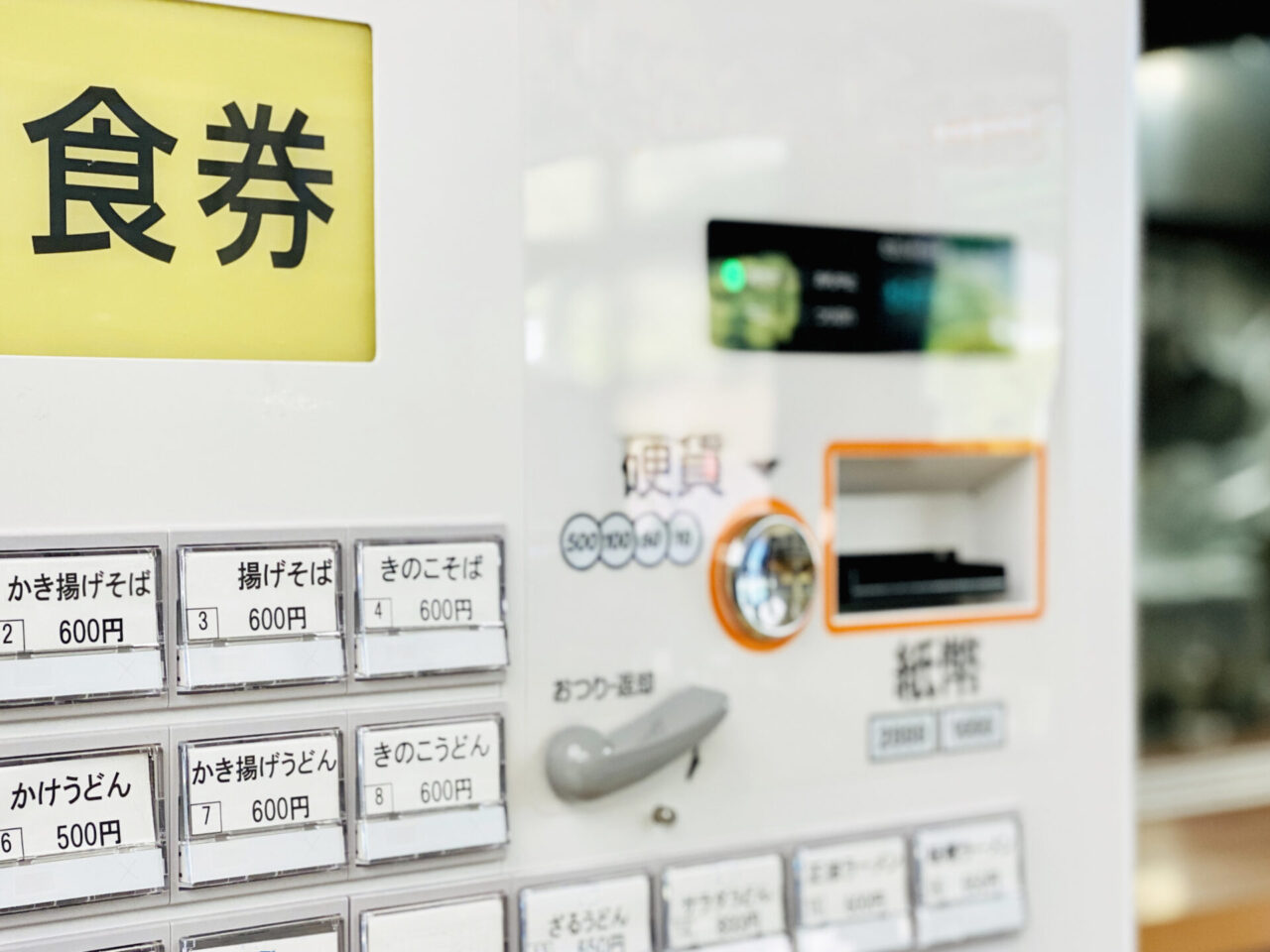
食券券売機
These experiences are part of Japan’s charm—but they are also why carrying a small amount of cash is still recommended.
What If Your Card Doesn’t Work?
Although payment problems are uncommon, they occasionally happen.
Possible reasons include:
- Your bank blocks an overseas transaction.
- The payment terminal only supports domestic cards.
- The network is temporarily unavailable.
- The store accepts only cash.
To avoid unnecessary stress, it’s a good idea to carry:
- Two different payment cards
- Around ¥10,000–20,000 in cash
- An IC card for transportation
Having multiple payment options ensures you’re prepared for almost any situation.
Tips for Paying Smoothly in Japan
For the easiest travel experience, follow these simple tips:
- Use your credit card for hotels, shopping, and most restaurants.
- Keep an IC card charged for trains, buses, and convenience stores.
- Carry around ¥10,000–20,000 in cash.
- Don’t worry if you can’t use PayPay or other Japanese QR payment apps.
With this combination, you’ll be able to pay comfortably almost anywhere in Japan.
If you’re planning your transportation around Japan, these guides may also help:
- A Complete Guide for First-Time Visitors to Japan
- Cash or Credit Cards in Japan?
- How to Use IC Cards in Japan
- How to Pay for Train Travel in Japan
- How to Buy Shinkansen Tickets

Frequently Asked Questions
Can I use Visa and Mastercard everywhere in Japan?
Visa and Mastercard are accepted at most hotels, department stores, shopping malls, convenience stores, and chain restaurants. However, some small local businesses still accept cash only.
Do taxis in Japan accept credit cards?
Many taxis in large cities accept international credit cards and contactless payments. In rural areas, however, some taxis may still require cash.
Should I exchange money before arriving in Japan?
Not necessarily. International ATMs at 7-Eleven, Japan Post Bank, and many airports allow visitors to withdraw Japanese yen easily.
Is cash becoming less common in Japan?
Yes. Cashless payments have expanded rapidly in recent years, but Japan is not completely cashless. Carrying around ¥10,000–20,000 is still recommended.
Which payment method is best for first-time visitors?
The easiest combination is:
- Cash for smaller shops, temples, and rural areas
- Credit card for hotels, shopping, and restaurants
- IC card for transportation and convenience stores
Related Guides
These guides will help you make the most of your visit to Japan.
Planning Your Trip to Japan
- A Complete Guide for First-Time Visitors to Japan
- Visit Japan Web: Complete Guide for First-Time Visitors
- What to Expect on Your First Trip to Japan
- Best Time to Visit Japan: A Season-by-Season Guide
- Is Japan Safe for Foreign Travelers?
- Japanese Etiquette Every Visitor Should Know
Language and Communication
Transportation
- How to Use Trains and Subways in Japan
- How to Use IC Cards in Japan
- How to Pay for Train Travel in Japan
- How to Buy Shinkansen Tickets in Japan
- Japan Rail Pass: Is It Worth It? A Complete Guide for First-Time Visitors
- How to Use Taxis in Japan
Money
- Cash or Credit Cards in Japan?
- Can I Use Credit Cards Everywhere in Japan?Where Cards Work—and Where You’ll Still Need Cash