Do You Need Japanese Yen Before Arriving?
One of the most common questions first-time visitors ask is whether they should exchange money before leaving home.
The short answer is:
No—you don’t need to exchange a large amount before arriving in Japan.
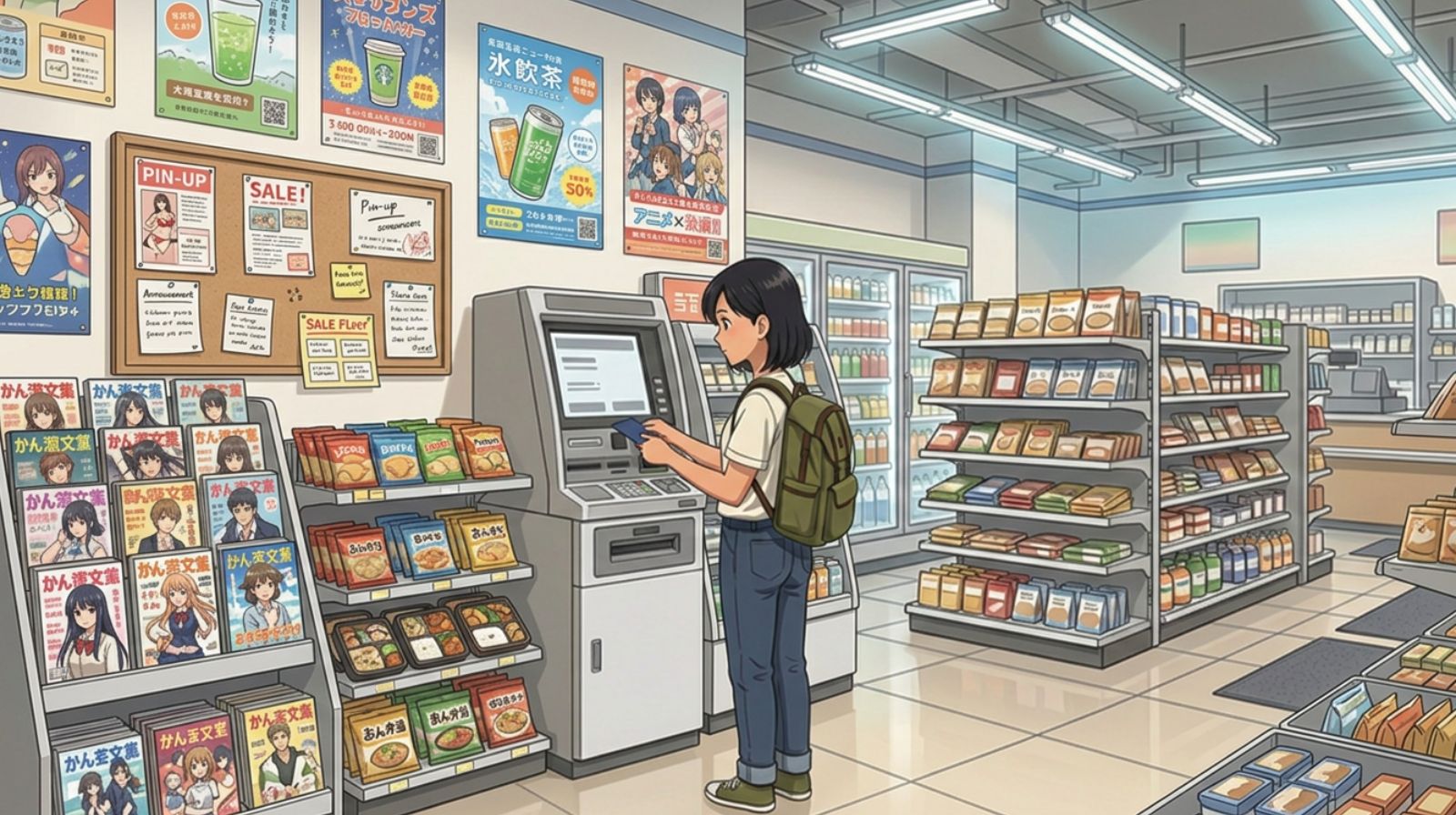
Japan has an excellent network of international ATMs, and most major airports, train stations, and convenience stores allow you to withdraw Japanese yen shortly after you arrive.
That said, having a small amount of cash before your flight—or exchanging a little money at the airport—can still be useful.
For example, you may want cash for:
- Buying a drink or snack immediately after arrival
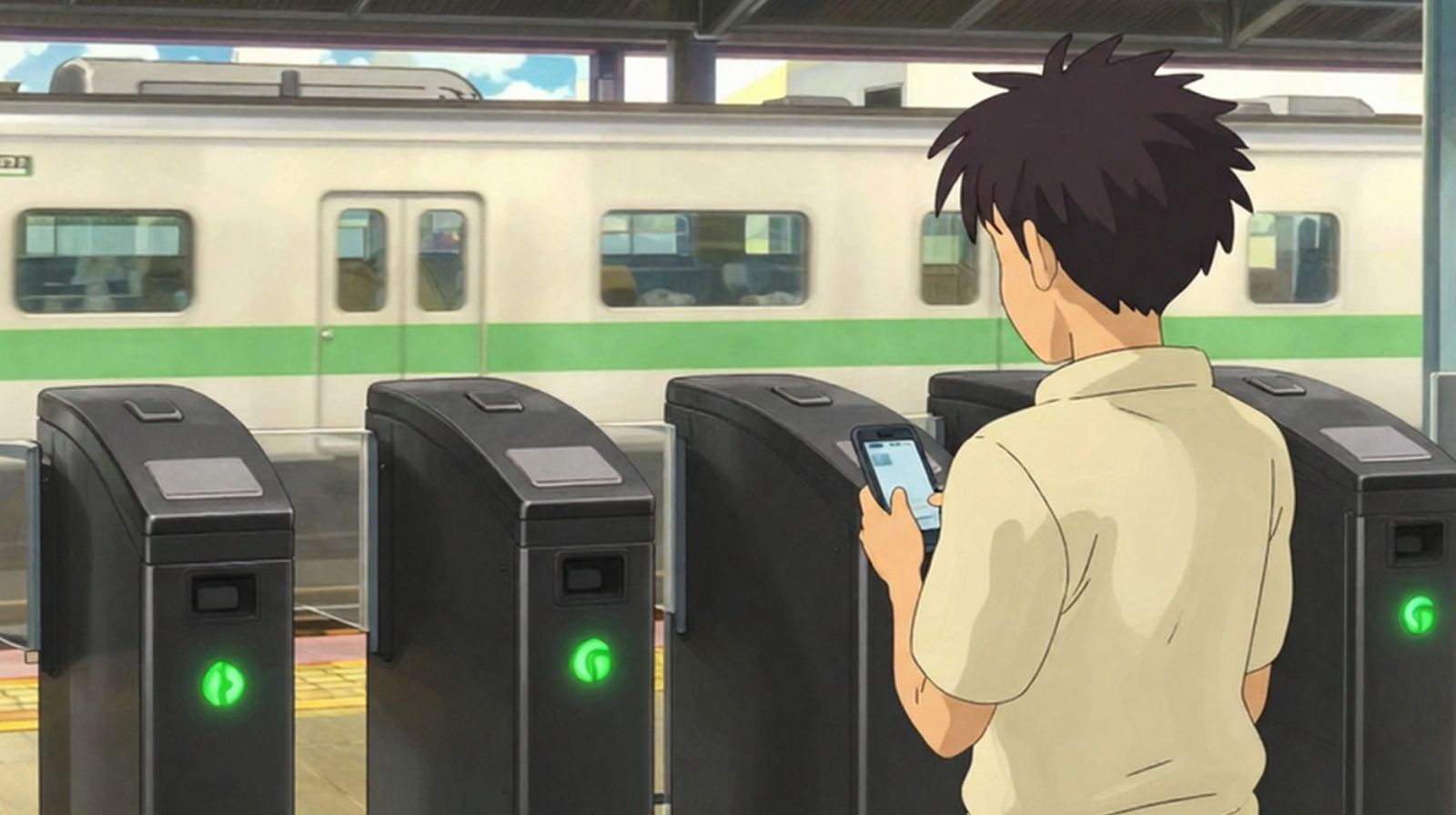
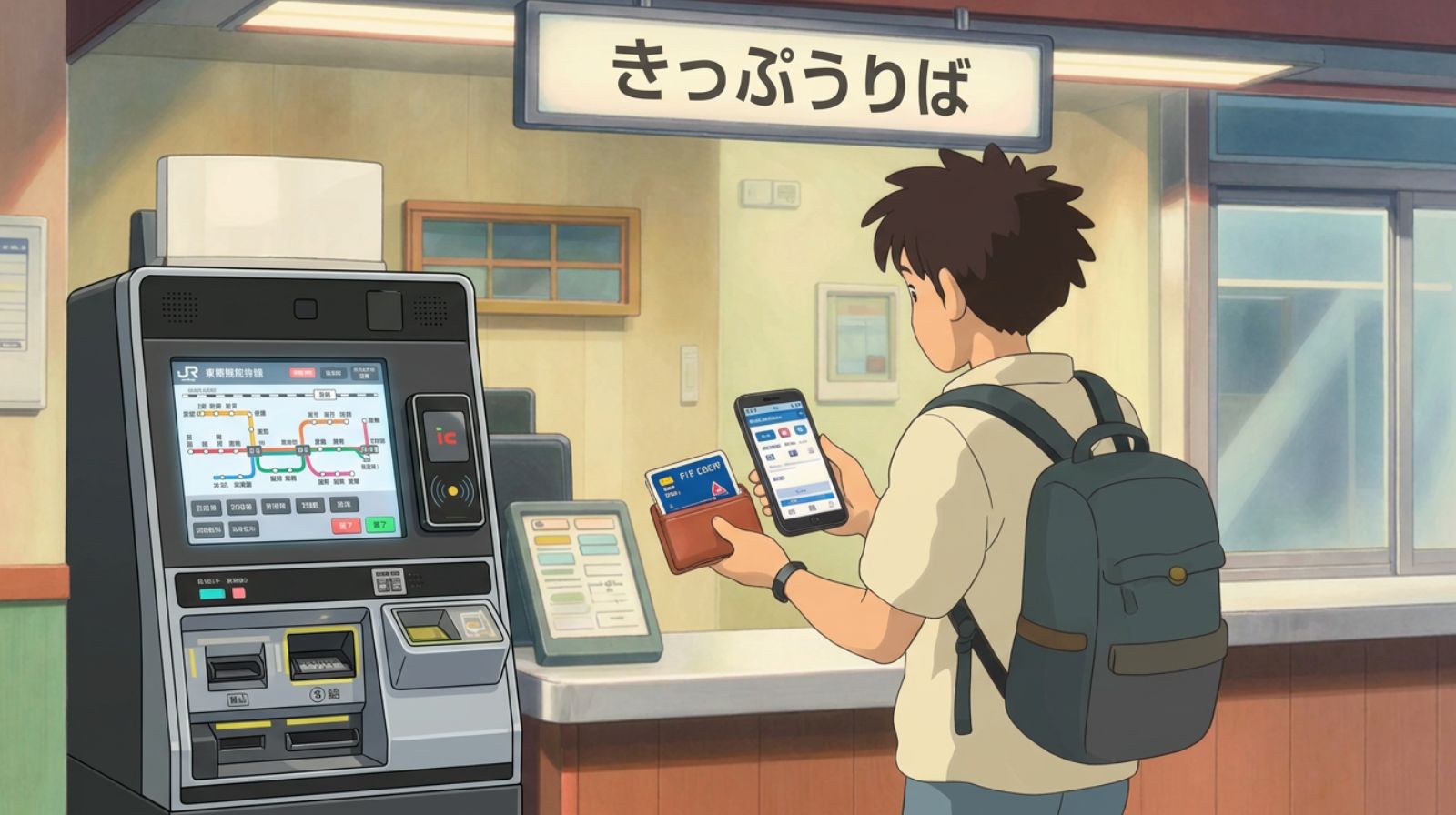
- Paying for transportation if you haven’t purchased an IC card yet
- Unexpected situations where card payments are unavailable
For most travelers, around ¥5,000–10,000 is enough to cover these initial expenses.
After that, you can simply withdraw additional cash from an ATM whenever you need it.
There’s no need to carry a week’s worth of spending money in cash. Japan is one of the safest countries in the world, and international ATMs are widely available in cities and tourist areas.
In fact, many experienced travelers intentionally wait until they arrive in Japan because ATM exchange rates are often better than those offered by currency exchange counters in their home country.
If you’re preparing for your first trip, these guides will help you get started.
→ A Complete Guide for First-Time Visitors to Japan
→ How to Use IC Cards in Japan
The Best Ways to Exchange Money in Japan
There are four common ways to get Japanese yen during your trip.
Each method has its own advantages and disadvantages, depending on your budget, travel style, and arrival plans.
The table below compares the most popular options.
Quick Comparison
| Method | Exchange Rate | Convenience | Best For | Our Recommendation |
|---|---|---|---|---|
| International ATM | ★★★★★ | ★★★★★ | Most travelers | ⭐ Best Choice |
| Currency Exchange Office | ★★★★☆ | ★★★★☆ | Travelers carrying foreign cash | Recommended |
| Airport Exchange Counter | ★★☆☆☆ | ★★★★★ | Immediate cash after arrival | Small amounts only |
| Hotel Exchange Service | ★☆☆☆☆ | ★★☆☆☆ | Emergencies only | Not recommended |
For most international visitors, using an international ATM offers the best balance of convenience and value.
If you’re planning to travel around Japan, you’ll also want to learn how to use IC cards, since many travelers withdraw cash and purchase an IC card on the same day.
You’ll usually receive a better exchange rate than airport counters, and ATMs are easy to find throughout Japan.
Currency exchange offices can also be a good option if you’re carrying foreign cash and prefer not to use your bank card.
Airport exchange counters are convenient after a long flight, but the exchange rates are generally less favorable. If you choose this option, consider exchanging only a small amount—just enough for transportation or your first meal.
Hotel exchange services are available at some hotels, but they often offer the least favorable rates and should generally be used only if no other option is available.
In the following sections, we’ll explain each method in more detail so you can choose the one that best fits your trip.
Using International ATMs in Japan
For most travelers, withdrawing cash from an international ATM is the easiest and most cost-effective way to get Japanese yen.
Japan has thousands of ATMs that accept foreign debit and credit cards, and many provide English-language menus, making the process simple even if you don’t speak Japanese.
The most reliable ATMs for international visitors are:
- 7-Eleven ATMs
- Japan Post Bank (JP Bank)
- Lawson Bank ATMs
- E-net ATMs (found in many FamilyMart stores)
These ATMs generally support major international networks, including:
- Visa
- Mastercard
- American Express
- UnionPay
- Plus
- Cirrus
Why 7-Eleven ATMs Are Recommended
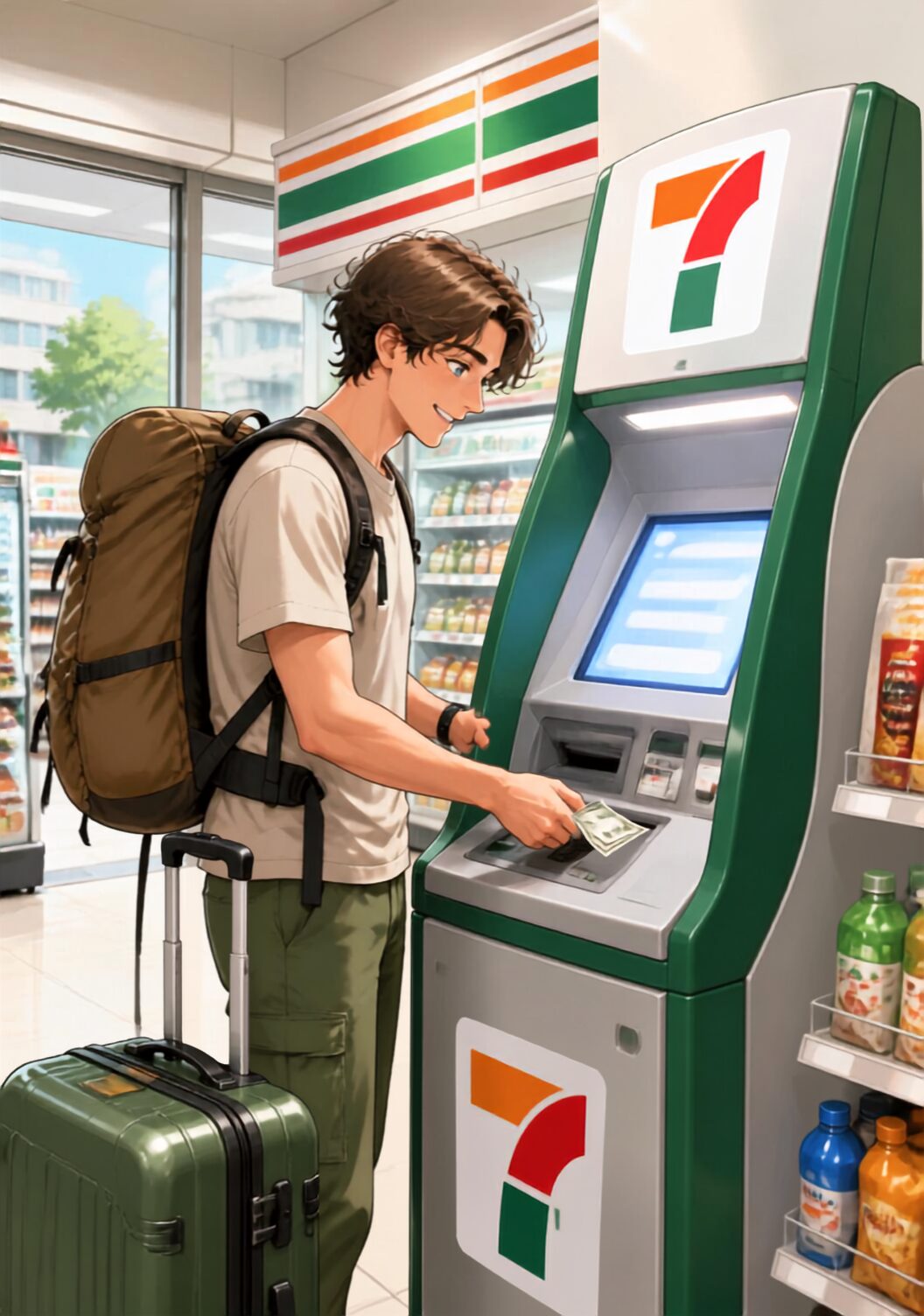
Among all available options, 7-Eleven ATMs are often considered the most convenient.
They are available 24 hours a day in most locations and can be found throughout Japan, from major cities to smaller towns.
The machines offer multiple languages, including English, Chinese, Korean, and several others, making them easy for international travelers to use.
Because convenience stores are everywhere, you’ll rarely need to search long for an ATM when you need additional cash.
What Fees Should You Expect?
Most Japanese ATM operators charge only a small withdrawal fee.
However, your home bank may also charge:
- An international withdrawal fee
- A foreign transaction fee
- Currency conversion fees
These charges vary depending on your bank.
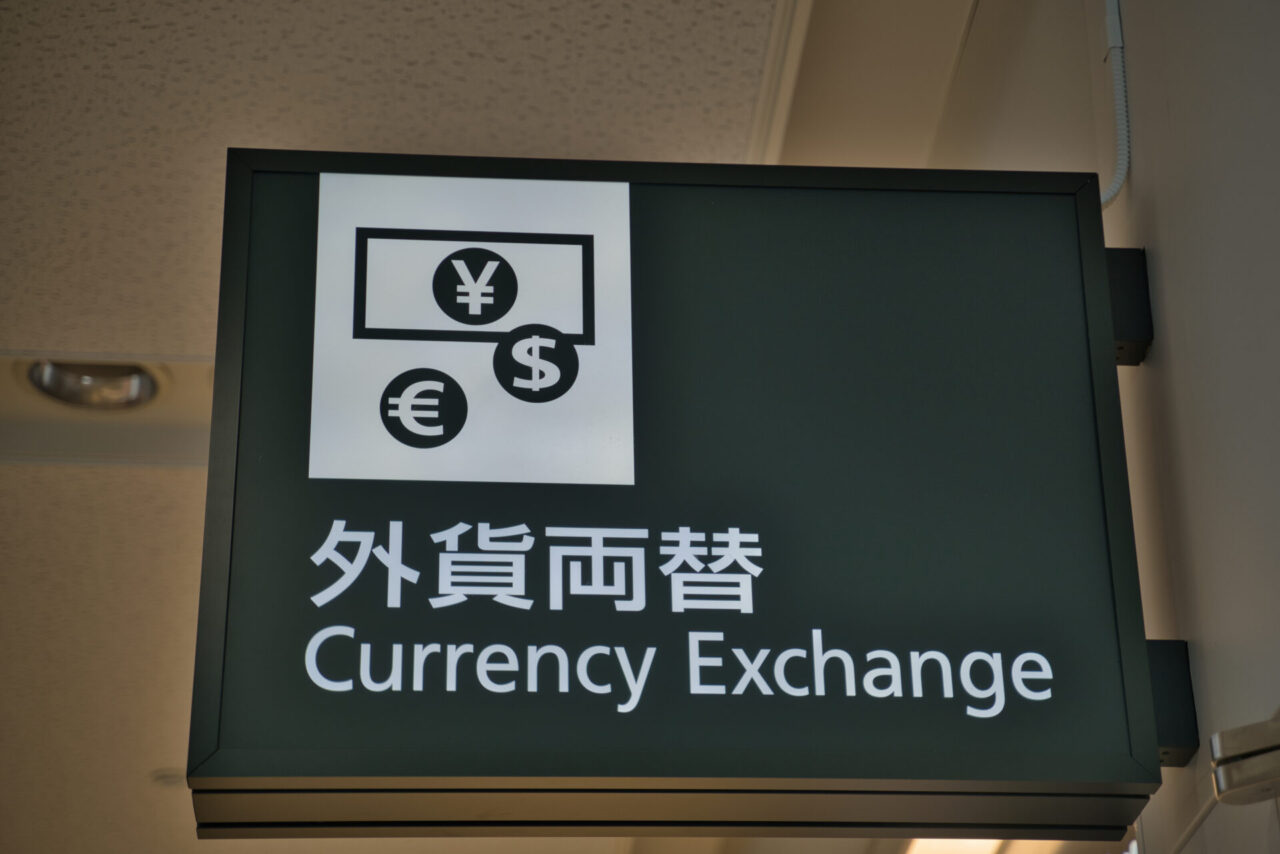
外貨両替
Before traveling, it’s worth checking your bank’s overseas ATM policy, as some travel-friendly cards reimburse international ATM fees.
Should You Withdraw a Large Amount?
Not necessarily.
Instead of withdrawing all of your spending money at once, many experienced travelers simply withdraw cash as needed.
This has several advantages:
- You carry less cash, reducing the risk of loss.
- You can take advantage of favorable exchange rates over time.
- ATMs are easy to find in most tourist areas.
For many visitors, withdrawing around ¥10,000–20,000 at a time is a practical balance between convenience and security.
ATM Withdrawal Limits
Most convenience store ATMs also have a per-transaction withdrawal limit (often around ¥100,000, depending on the ATM and your card issuer). In practice, this is rarely an issue, since most travelers don’t need to carry that much cash. It’s generally safer and more convenient to withdraw smaller amounts whenever you need them.
ATM Tip
When the ATM asks whether you want to be charged in your home currency or in Japanese yen, always choose Japanese yen (JPY).
This allows your own bank or card issuer to perform the currency conversion, which usually results in a better exchange rate than the ATM’s Dynamic Currency Conversion (DCC) service.
After withdrawing cash, these guides will help you travel around Japan more easily.
→ How to Use IC Cards in Japan (Suica, PASMO, ICOCA, and Mobile IC Cards)
→ How to Use Trains and Subways in Japan (Complete Beginner Guide)
Should You Exchange Money at the Airport?
After a long international flight, exchanging some money at the airport can feel like the easiest option.
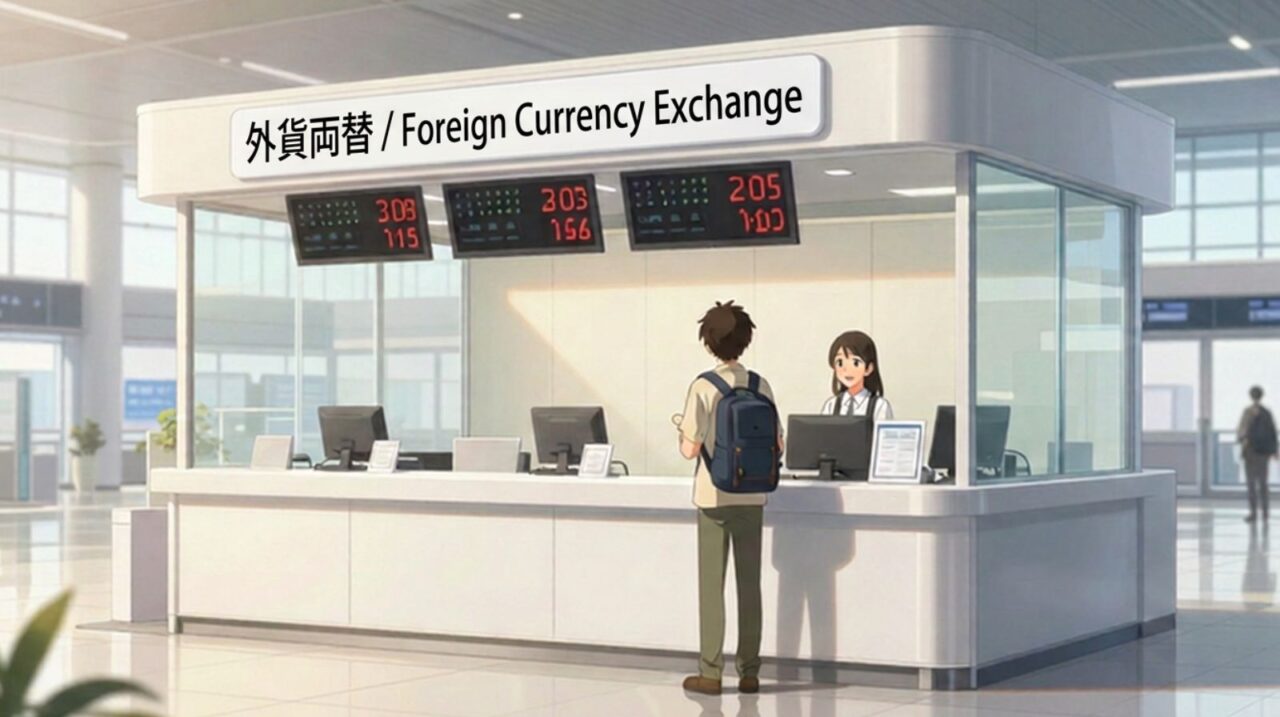
Fortunately, all major international airports in Japan—including Narita, Haneda, Kansai International Airport (KIX), and Chubu Centrair International Airport—have currency exchange counters and international ATMs.
The biggest advantage of airport exchange counters is convenience.
You can obtain Japanese yen immediately after landing without searching for an ATM, which can be reassuring if it’s your first visit to Japan.
However, convenience comes at a price.
Airport exchange counters typically offer less favorable exchange rates than international ATMs or many exchange offices in the city.
For this reason, many experienced travelers choose to exchange only a small amount at the airport.
Around ¥5,000–10,000 is usually enough to cover:
- Transportation from the airport
- Snacks or drinks
- Small purchases before reaching your hotel
Once you’ve settled into the city, you can withdraw additional cash from an international ATM whenever necessary.
Airport Exchange: Pros and Cons
| Pros | Cons |
|---|---|
| Available immediately after arrival | Exchange rates are usually less favorable |
| No need to search for an ATM | May charge higher service fees |
| Helpful if it’s your first time in Japan | Not the cheapest option for large amounts |
If your flight arrives late at night or early in the morning, exchanging a small amount at the airport can provide extra peace of mind.
Otherwise, using an international ATM is usually the better value for most travelers.
Arriving at the airport? These guides explain how to continue your journey across Japan.
→ How to Buy Shinkansen Tickets in Japan
→ How to Pay for Train Travel in Japan
Using Currency Exchange Offices in Japan
If you’re carrying foreign cash, currency exchange offices are another convenient way to obtain Japanese yen.
These shops exchange banknotes from many countries and are commonly found in airports, major train stations, shopping districts, and popular tourist areas.
Well-known exchange services include:
- Travelex
- Ninja Money Exchange
- World Currency Shop
- Exchange counters inside department stores
Many exchange offices offer English-language service, and the process is usually straightforward. Simply present your passport if requested, hand over your foreign currency, and receive Japanese yen.
When Is a Currency Exchange Office a Good Choice?
A currency exchange office may be the best option if you:
- Already have foreign cash with you.
- Prefer not to use an overseas ATM.
- Want to exchange a specific amount of money before sightseeing.
- Don’t have a debit card that works internationally.
In these situations, visiting an exchange office can be quick and convenient.
Compare Exchange Rates Before You Exchange
Not all exchange offices offer the same rates.
Even within the same city, the difference between two exchange counters can be noticeable.
Before exchanging a large amount, it’s worth checking:
- The displayed exchange rate.
- Whether any commission or service fee is charged.
- The final amount of Japanese yen you will receive.
Some exchange offices advertise “No Commission,” but this doesn’t always mean you’ll receive the best overall rate. The exchange rate itself may already include the operator’s margin.
Is an Exchange Office Better Than an ATM?
For most travelers, international ATMs still provide the best overall value.
However, exchange offices remain a practical choice for visitors who prefer using cash they already brought from home.
If you’re comparing the two, a simple rule is:
- If you already have foreign cash → use a reputable exchange office.
- If you plan to use your bank card → an international ATM is usually the better option.
Once you have Japanese yen, you’re ready to start exploring.
These guides will help you travel with confidence.
→ How to Use Trains and Subways in Japan (Complete Beginner Guide)
→ Osaka vs Kyoto: Which City Is Right for You?

Avoid These Common Money Exchange Mistakes
Exchanging money in Japan is generally simple, but a few common mistakes can cost travelers unnecessary time or money.
Here are some tips to help you avoid them.
1. Choosing Your Home Currency at an ATM
When withdrawing cash, some ATMs may ask whether you want to be charged in your home currency or in Japanese yen.
Always choose Japanese yen (JPY).
This allows your own bank or card issuer to handle the currency conversion, which usually provides a better exchange rate than the ATM’s Dynamic Currency Conversion (DCC) service.
2. Exchanging Too Much Cash at Once
Japan is one of the safest countries in the world, but there’s still no need to carry a large amount of cash.
Instead of exchanging your entire travel budget on the first day, withdraw or exchange only what you expect to use over the next few days.
You can always get more cash later from one of the many international ATMs available throughout the country.
3. Assuming Every ATM Accepts Foreign Cards
Not every ATM in Japan supports international cards.
If your card doesn’t work, don’t panic.
Simply look for ATMs at:
- 7-Eleven
- Japan Post Bank
- Lawson
- E-net ATMs in many FamilyMart stores
These are the most reliable choices for overseas visitors.
4. Ignoring Exchange Rates
Exchange rates can vary between banks, airports, hotels, and exchange offices.
Before exchanging a large amount of money, compare the displayed rates whenever possible.
Even a small difference can save you several thousand yen over the course of your trip.
5. Forgetting to Bring a Backup Card
Although payment problems are uncommon, they can happen.
Your bank may temporarily block an overseas transaction, or a payment terminal may not accept your card.
Carrying two different cards—such as a Visa and a Mastercard—is a simple way to avoid unnecessary stress.
Planning to pay by card in Japan?
This guide explains where credit cards are accepted and when you’ll still need cash.
→ Can I Use Credit Cards Everywhere in Japan?
→ Cash or Credit Cards in Japan?
Travel Smart
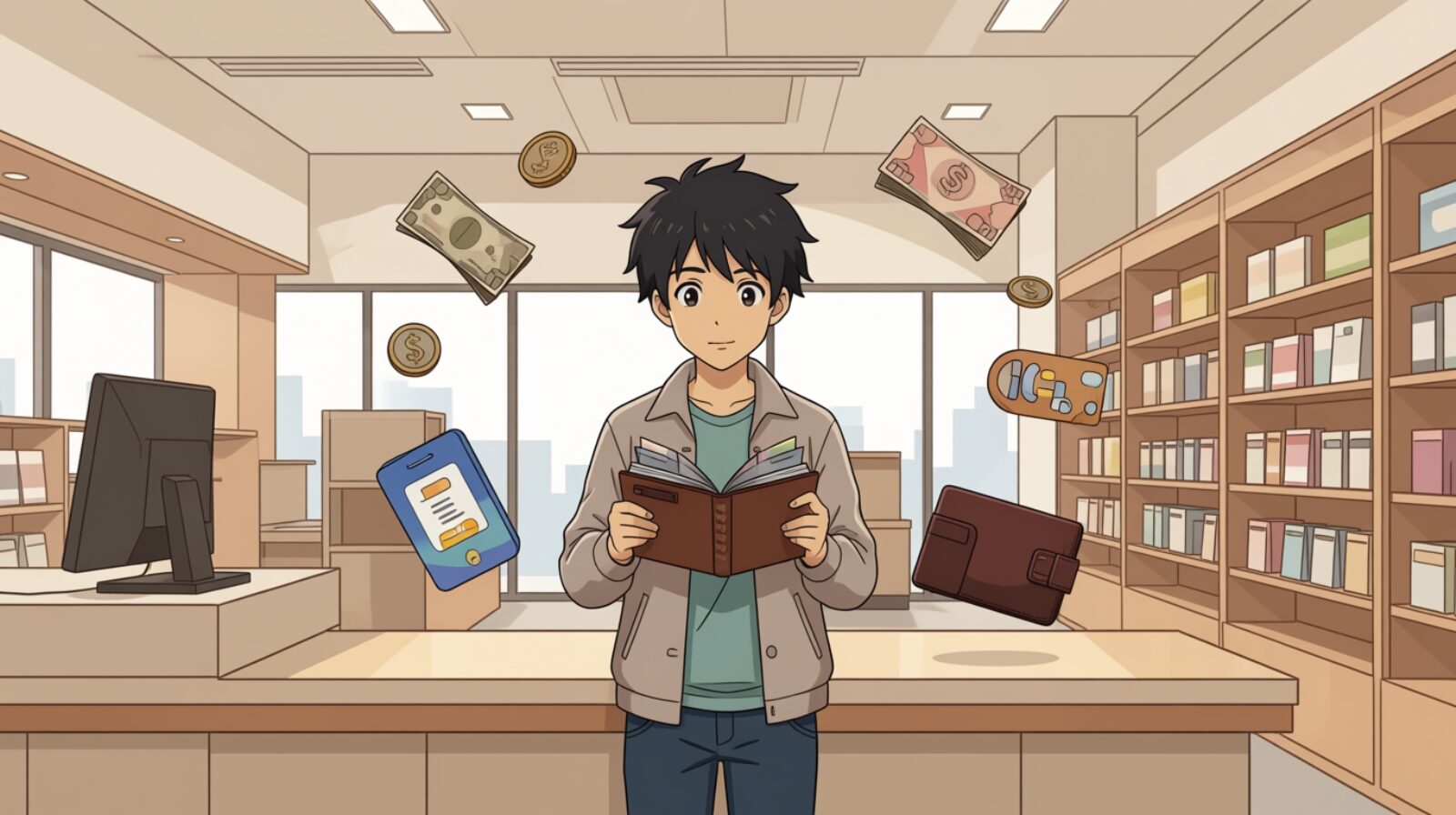
The best payment strategy isn’t carrying a large amount of cash—it’s having multiple payment options.
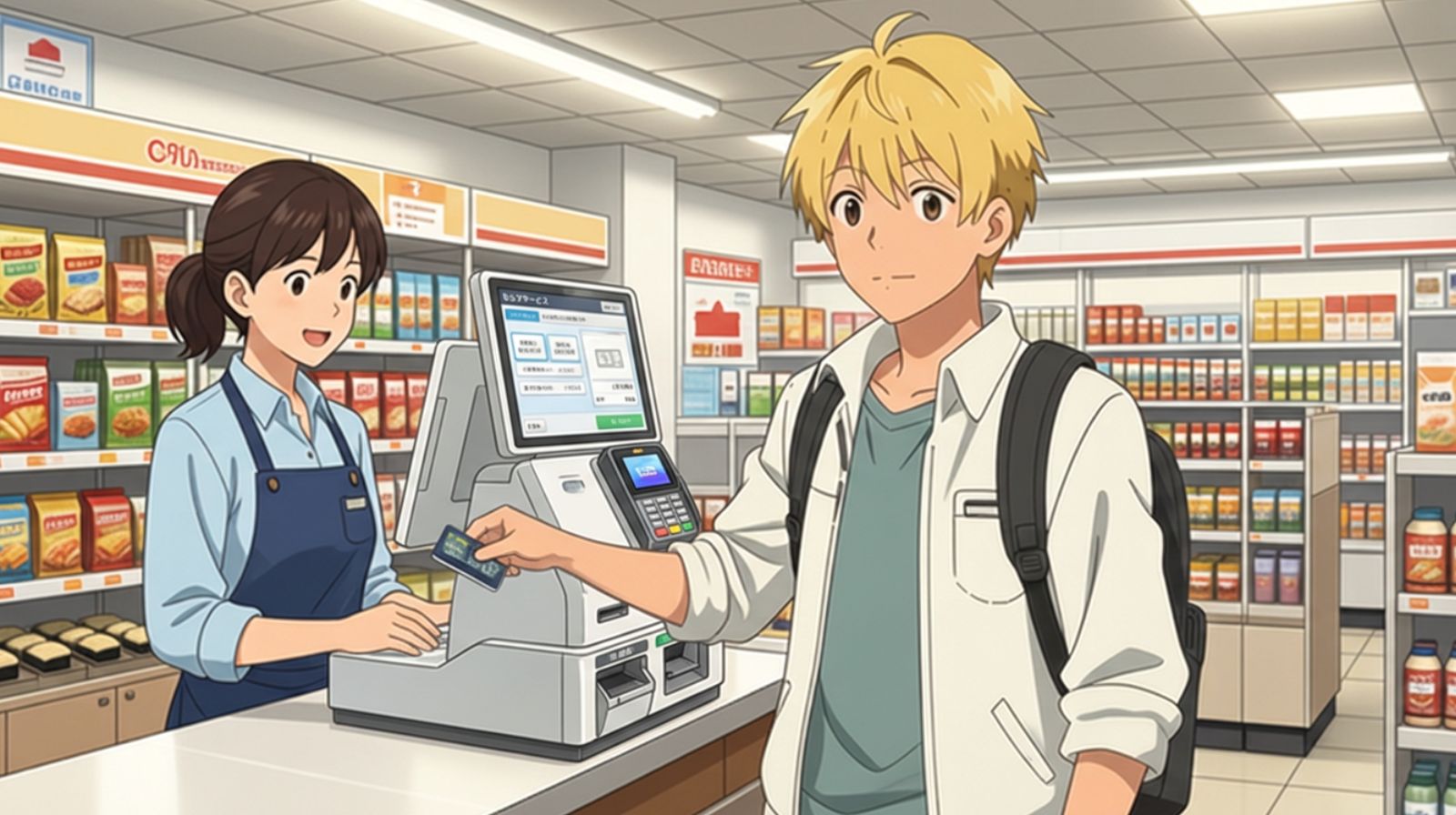
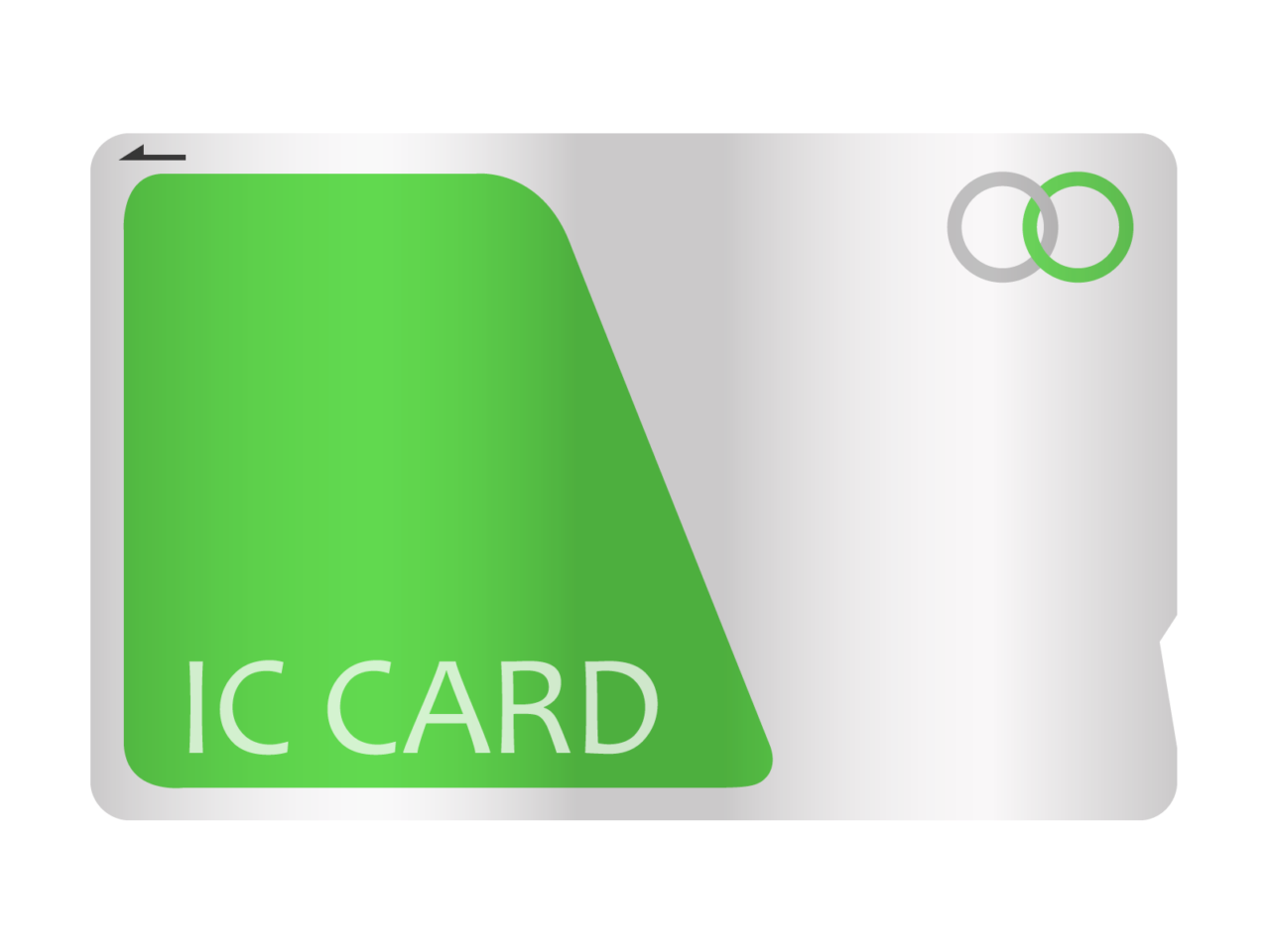
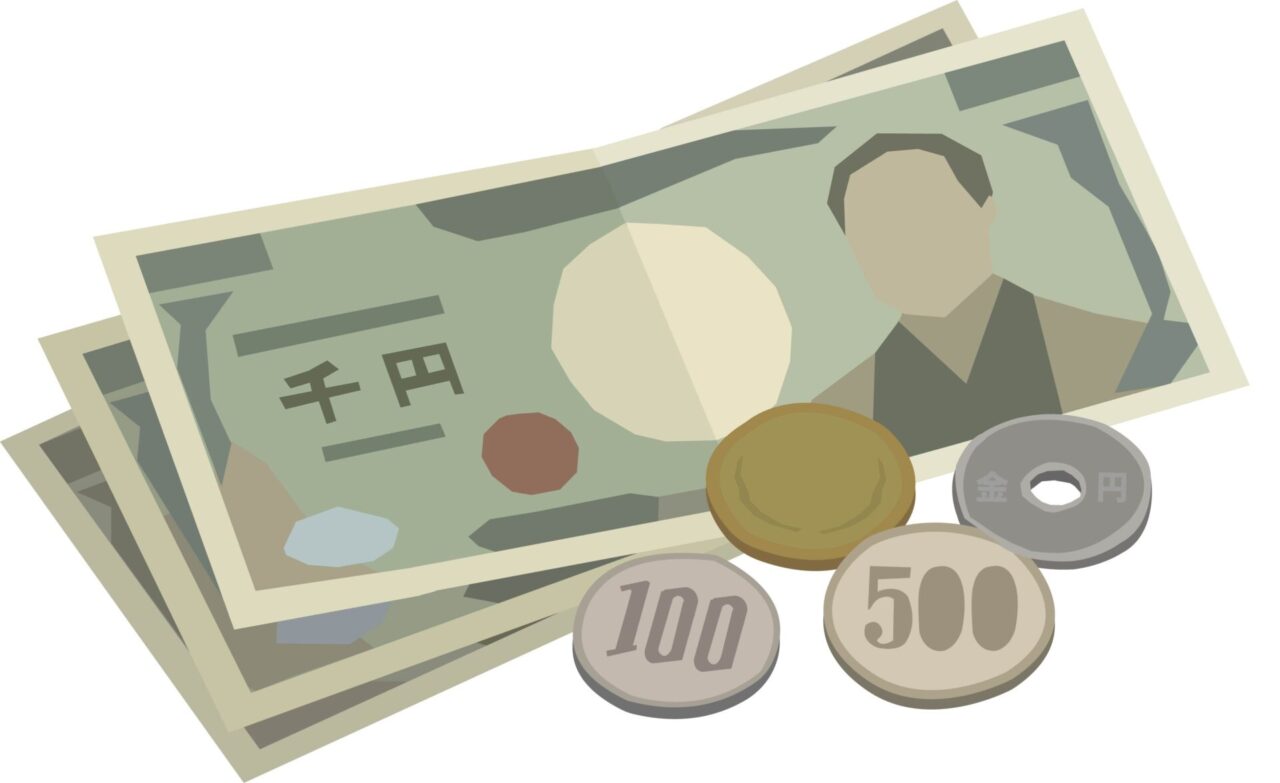
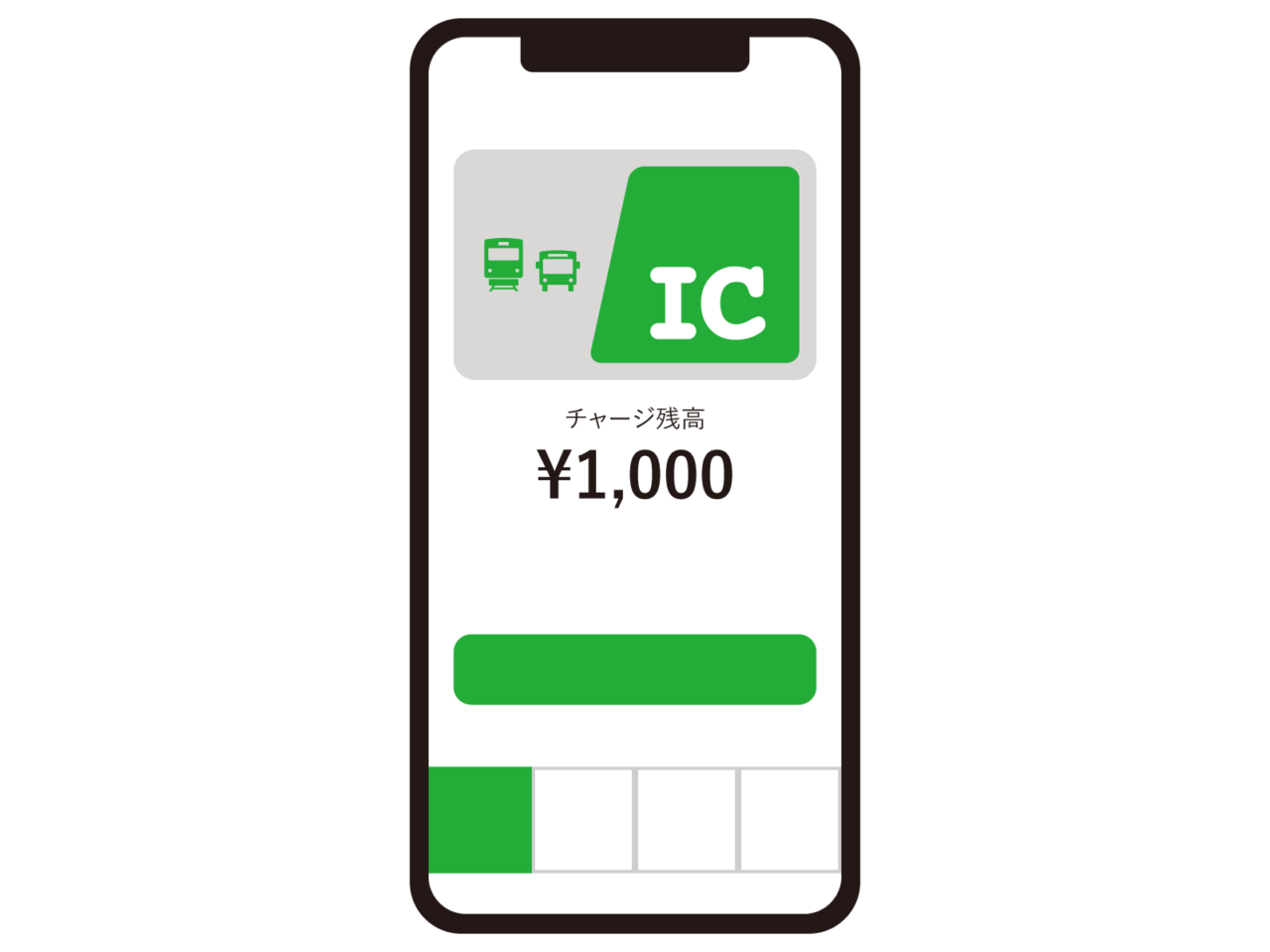
A credit card for most purchases, an IC card for transportation, and a modest amount of Japanese yen will cover almost every situation you’ll encounter during your trip.
To make payments even easier during your trip, these guides explain Japan’s payment options in more detail.
→ How to Use IC Cards in Japan
→ Can I Use Credit Cards Everywhere in Japan?
Travel With Confidence
For many first-time visitors, figuring out money in Japan seems much more complicated before the trip than it actually is.
Once you know the basics, paying in Japan is simple. Whether you choose to withdraw cash after arrival, exchange a small amount before your trip, or mainly use your credit card, you’ll be well prepared for your journey.
Instead of worrying about money, you can focus on what really matters—exploring Japan, experiencing its culture, and enjoying your trip with confidence.
Continue planning your Japan adventure with these helpful guides.
- A Complete Guide for First-Time Visitors to Japan
- How to Use Trains and Subways in Japan (Complete Beginner Guide)
- Japanese Etiquette Every Visitor Should Know
Frequently Asked Questions
Should I exchange money before arriving in Japan?
Not necessarily. Most travelers only need a small amount of Japanese yen when they arrive. Since international ATMs are widely available at airports, convenience stores, and train stations, many visitors simply withdraw cash after landing.
Is it better to exchange money or use an ATM in Japan?
For most travelers, using an international ATM is the better choice. ATMs often provide more favorable exchange rates than airport exchange counters, especially if your bank charges low overseas withdrawal fees.
Can I use ATMs in Japan?
Yes. International visitors can easily withdraw Japanese yen from ATMs at 7-Eleven, Japan Post Bank, Lawson, airports, and major train stations. Most machines support international debit and credit cards and provide English-language menus.
Can I use my debit card in Japan?
Yes. Most internationally issued Visa, Mastercard, Plus, Cirrus, and other compatible debit cards work at major ATMs throughout Japan. Before traveling, check with your bank to confirm that overseas withdrawals are enabled and ask about any applicable fees.
Can I use my foreign credit card in Japan?
Yes. International credit cards such as Visa, Mastercard, American Express, and JCB are widely accepted at hotels, department stores, shopping malls, convenience stores, and many restaurants. However, it’s still a good idea to carry some cash for smaller shops and rural areas where cards may not be accepted.
How much cash should I carry?
For most visitors, carrying around ¥10,000–20,000 is sufficient. This is usually enough for small restaurants, temples, local transportation, markets, and other places that may not accept credit cards.
Can I pay with US dollars in Japan?
No. Japan uses the Japanese yen (JPY), and US dollars are generally not accepted for everyday purchases. It’s best to pay using Japanese yen, a credit card, or an IC card. If you need cash, international ATMs are widely available across the country.
Can I use Apple Pay or Google Pay in Japan?
Yes, in many places.
Apple Pay and Google Pay are widely accepted at convenience stores, supermarkets, major train stations, chain restaurants, and many retail stores that support contactless payments.
However, not every shop accepts mobile wallets, especially:
- Small local restaurants
- Traditional shops
- Street food stalls
- Rural businesses
- Some temples and shrines
For this reason, it’s still recommended to carry some Japanese yen as a backup.
If you’re using an iPhone, adding a digital Suica card to Apple Wallet is one of the easiest ways to pay for trains, buses, and many everyday purchases.
Android users may also be able to use Google Wallet or Google Pay for contactless payments, depending on their device, country, and card issuer. Availability varies, so it’s worth checking with your bank before traveling.
Learn more:
→ How to Use IC Cards in Japan (Suica, PASMO, ICOCA, and Mobile IC Cards)
→ Cash or Credit Cards in Japan?: A Complete Guide for First-Time Visitors
Related Guides
These guides will help you make the most of your visit to Japan.
Planning Your Trip to Japan
- A Complete Guide for First-Time Visitors to Japan
- Visit Japan Web: Complete Guide for First-Time Visitors
- What to Expect on Your First Trip to Japan
- Best Time to Visit Japan: A Season-by-Season Guide
- Is Japan Safe for Foreign Travelers?
- Japanese Etiquette Every Visitor Should Know
Language and Communication
Transportation
- How to Use Trains and Subways in Japan
- How to Use IC Cards in Japan
- How to Pay for Train Travel in Japan
- How to Buy Shinkansen Tickets in Japan
- Japan Rail Pass: Is It Worth It? A Complete Guide for First-Time Visitors
- How to Use Taxis in Japan
Money
- Cash or Credit Cards in Japan?
- Can I Use Credit Cards Everywhere in Japan?Where Cards Work—and Where You’ll Still Need Cash
- How to Exchange Money in Japan: The Best Ways to Get Japanese Yen