Etiquette Is About Respect, Not Perfection
Many first-time visitors worry about making mistakes in Japan.
The good news is that most local people do not expect foreign travelers to understand every cultural norm.
What matters most is showing consideration for others.
A smile, patience, and a respectful attitude will usually be appreciated far more than perfect etiquette.
Think of these customs not as strict rules, but as ways to make daily life more comfortable for everyone.
Keep Your Voice Down on Public Transportation
One of the first things visitors notice in Japan is how quiet trains and subways can be.
People often:
- Read
- Listen to music with headphones
- Use their phones silently
- Rest during their commute
Speaking quietly is appreciated, especially during busy periods.
Phone calls are generally avoided on trains whenever possible.
This doesn’t mean you must remain completely silent.
Simply being mindful of your volume is usually enough.
Queue Patiently
Japan is famous for orderly lines.
Whether boarding a train, waiting for an elevator, or purchasing food, people typically form clear queues.
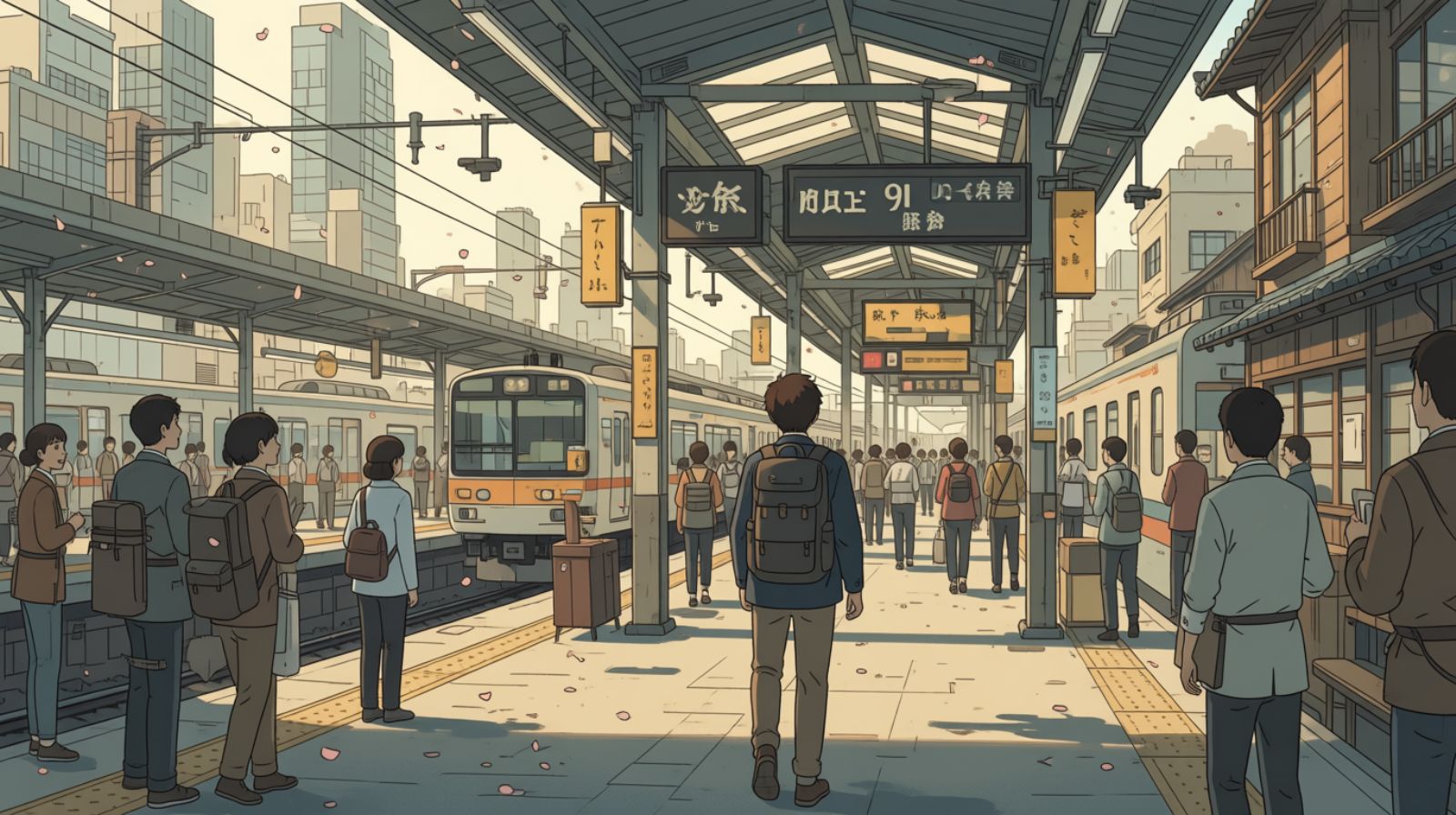
You will often see markings on platforms showing where passengers should wait.
Following the line helps keep busy stations and public spaces running smoothly.
When in doubt, simply look at what others are doing and follow their example.
Be Mindful of Personal Space
Japan’s cities can be crowded, yet people generally try to avoid disturbing those around them.
Small actions make a difference:
- Avoid blocking walkways
- Step aside when checking maps
- Keep large luggage out of busy paths
- Remove backpacks in crowded trains when possible
These habits help public spaces feel more comfortable for everyone.
Eating While Walking
This often surprises visitors.
In many countries, eating while walking is completely normal.
In Japan, it is generally more common to stop and enjoy food in one place before continuing.
This is especially true at:
- Markets
- Shopping streets
- Tourist attractions
Practices vary by location, so observing local behavior is often the best guide.
Learn the Basics of Trash Disposal
Japan has relatively few public trash bins compared with many countries.
As a result, visitors may occasionally need to carry their trash until they find an appropriate bin.
You will commonly find bins at:
- Convenience stores
- Train stations
- Some tourist attractions
Keeping a small bag for trash during the day can be surprisingly useful.
Respect Photography Rules
Japan offers countless beautiful photo opportunities.
However, not every location permits photography.
Pay attention to signs indicating restrictions, particularly in:
- Temples
- Shrines
- Museums
- Traditional shops
- Private properties
When photographing people, asking permission is always a thoughtful gesture.
Respect often leads to more meaningful interactions.
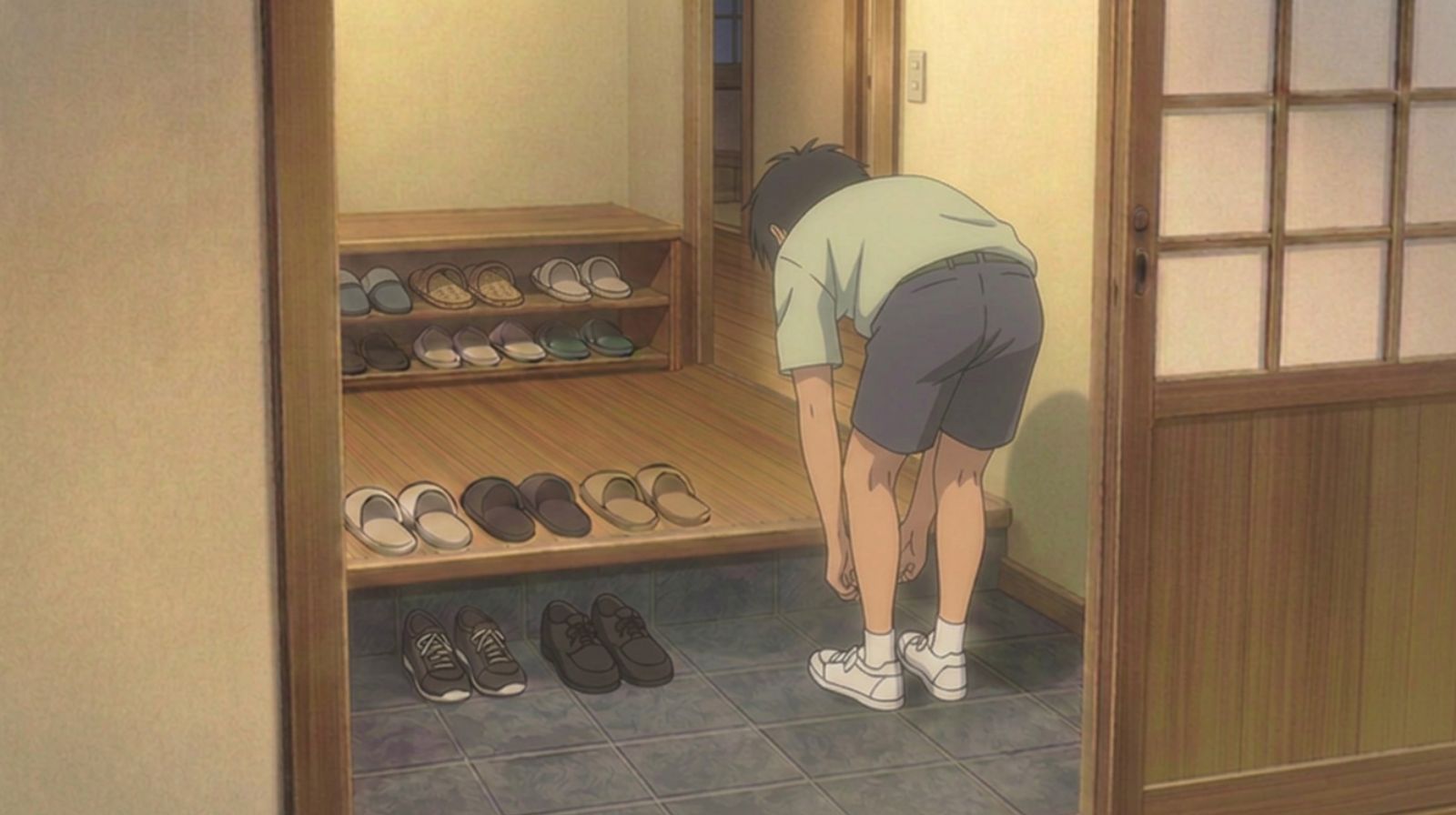
Remove Your Shoes When Required
You may be asked to remove your shoes when entering:
- Traditional accommodations
- Some restaurants
- Temples
- Historic buildings
- Private homes
Signs are usually clear.
If you see rows of shoes near an entrance, it is often a good indication that shoes should be removed.
Many visitors find this custom becomes second nature after a few days in Japan.
Escalator Etiquette Varies by Region
One interesting detail is that escalator customs differ depending on where you are.
In Tokyo, people often stand on the left.
In Osaka, people often stand on the right.
However, practices continue to evolve, and some stations encourage passengers to stand on both sides.
The simplest approach is to observe local behavior and follow the flow.
Public Baths and Hot Springs
Visiting an onsen can be one of the most memorable experiences in Japan.
A few basic customs are useful to know:
- Wash before entering the bath
- Do not wear swimwear unless specifically permitted
- Avoid placing towels in the water
- Keep the atmosphere quiet and relaxing
The experience may feel unfamiliar at first, but many visitors quickly come to appreciate this unique part of Japanese culture.
Hospitality Is an Important Part of Japanese Culture
One thing many visitors remember is the kindness they encounter throughout Japan.
- A station employee helping with directions.
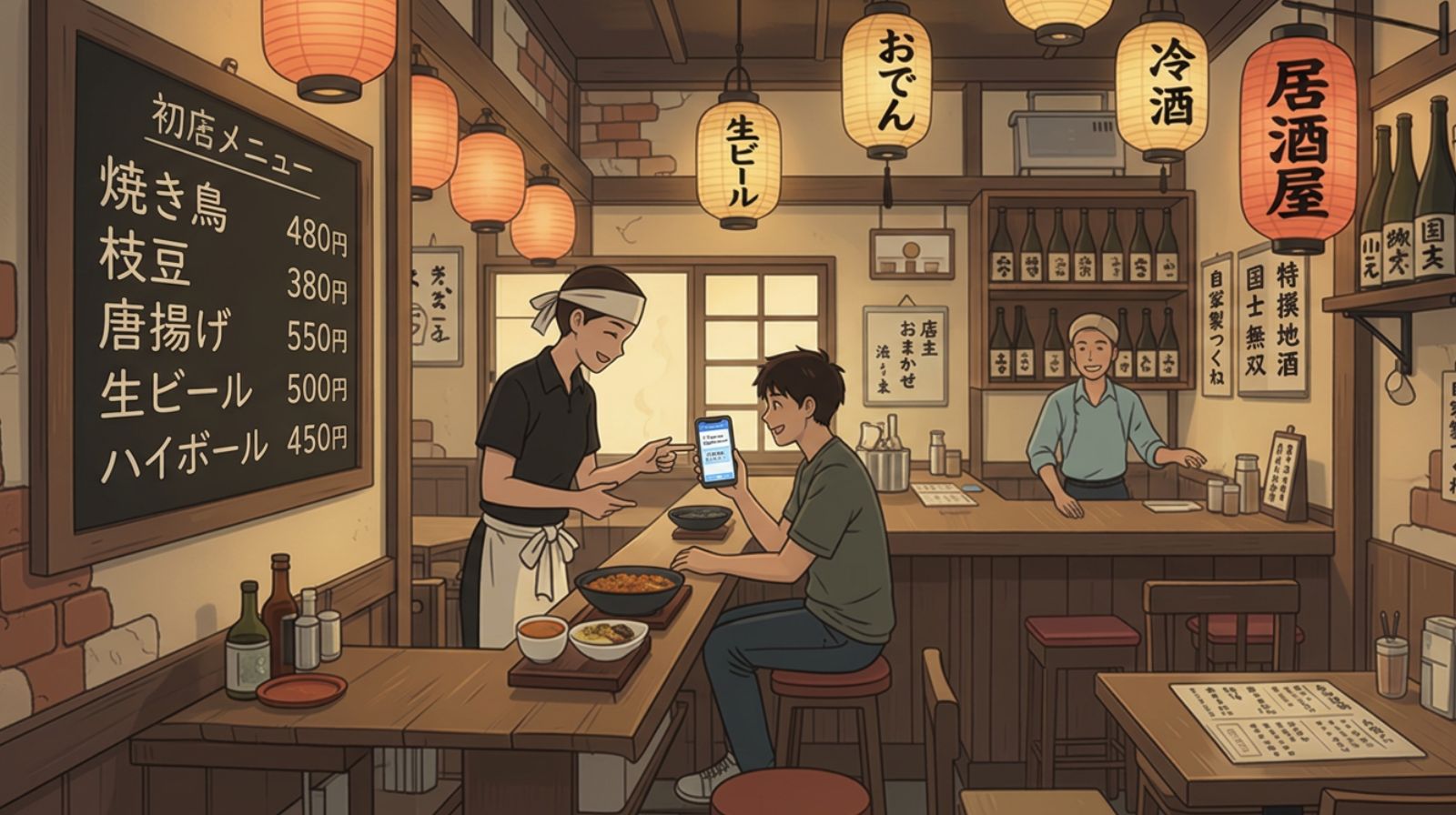
- A restaurant staff member patiently explaining a menu.
- A shop owner assisting despite a language barrier.
These moments often leave a lasting impression.
Responding with simple courtesy and appreciation helps create positive interactions for everyone.
Small Efforts Often Lead to Better Experiences
You do not need to memorize every etiquette rule before arriving.
Most travelers learn naturally by observing the people around them.
A few simple habits can make a meaningful difference:
- Be patient
- Be considerate
- Observe local behavior
- Respect shared spaces
These small efforts often lead to smoother travel experiences and more positive interactions throughout your trip.
Etiquette Helps You Experience a Different Side of Japan
Famous landmarks are only one part of traveling in Japan.
Many memorable experiences happen in everyday places:
- A neighborhood café
- A local shopping street
- A family-run restaurant
- A quiet residential area
Understanding basic etiquette helps visitors feel more comfortable exploring beyond the major tourist attractions.
It allows you to experience not only the places themselves, but also the culture that shapes them.
Ready to Explore Japan With Confidence?
You do not need to be an expert in Japanese culture to enjoy your trip.
Curiosity, respect, and an open mind will take you much further than memorizing rules.
The more comfortable you feel navigating everyday situations, the easier it becomes to discover the local experiences that make travel truly memorable.
Related Guides
- Can You Travel Japan Without Speaking Japanese?
- How Much English Is Spoken in Japan? (Coming Soon)
- Is Japan Safe for Foreign Travelers?
- Japanese Etiquette Every Visitor Should Know
- How to Use Trains and Subways in Japan
- How to Pay for Train Travel in Japan
- How to Use IC Cards in Japan
- How to Buy Shinkansen Tickets in Japan
- How to Use Taxis in Japan (Coming Soon)
- A Complete Guide for First-Time Visitors to Japan
- What to Expect on Your First Trip to Japan