Is Autumn a Good Time to Visit Japan?
For many travelers, yes.
October and November are particularly attractive because temperatures are generally more comfortable for walking than during midsummer. Autumn also brings seasonal food, colorful parks and gardens, outdoor activities, and a different atmosphere to neighborhoods across the country.
There is one important point to understand before booking: autumn in Japan is not a single period of red leaves covering the entire country.
Japan stretches a long way from north to south and has large differences in elevation. Autumn may already be well underway in Hokkaido or the mountains while Tokyo, Kyoto, and Osaka still look relatively green.
That difference can actually make autumn easier to enjoy. Instead of trying to arrive on one perfect date, you can choose destinations that match the stage of the season during your trip.
When Is Autumn in Japan?
The Japan Meteorological Agency treats September, October, and November as the autumn months. In practical travel terms, however, each month feels quite different. You can also check the Japan Meteorological Agency’s overview of Japan’s climate for general seasonal conditions.
September: A Transition From Summer
September is technically autumn, but visitors should not expect cool autumn weather everywhere.
Tokyo, Osaka, Fukuoka, and other major cities can still be warm or hot, particularly earlier in the month. September also tends to have more rainfall because of the autumn rain front and tropical cyclones.
Autumn begins to appear earlier in northern Japan and at higher elevations. Hokkaido and mountain areas can therefore feel very different from central and western Japan during the same week.
If you are traveling in September, pack primarily for warm weather but include a light layer and rain protection.
October: Comfortable Weather and Early Fall Colors
October is when autumn becomes much more noticeable across Japan.
The Japan Meteorological Agency notes that October often brings sunny conditions and refreshing air. This makes it an excellent month for walking through cities, exploring smaller towns, hiking, visiting parks, or simply spending more time outdoors.
Autumn foliage is already developing in Hokkaido, Tohoku, mountainous areas, and other cooler locations. Tokyo, Kyoto, and other warmer cities generally reach their stronger autumn colors later.
If you are traveling specifically in October, our Japan in October: Weather, What to Wear, Festivals & Where to Go guide explains regional weather, clothing, festivals, and how to decide where to go during the month.
November: Cooler Days and Autumn Foliage
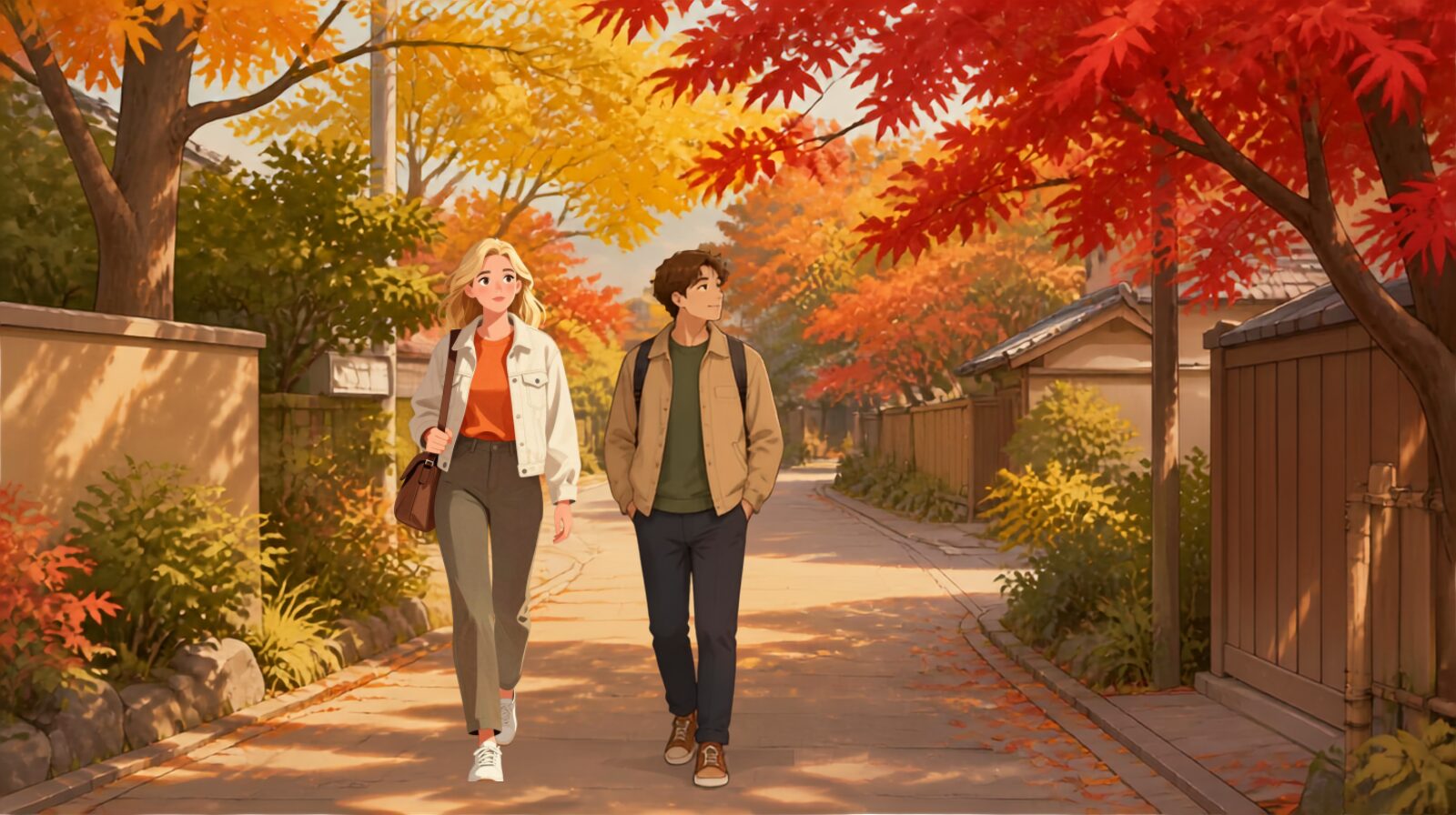
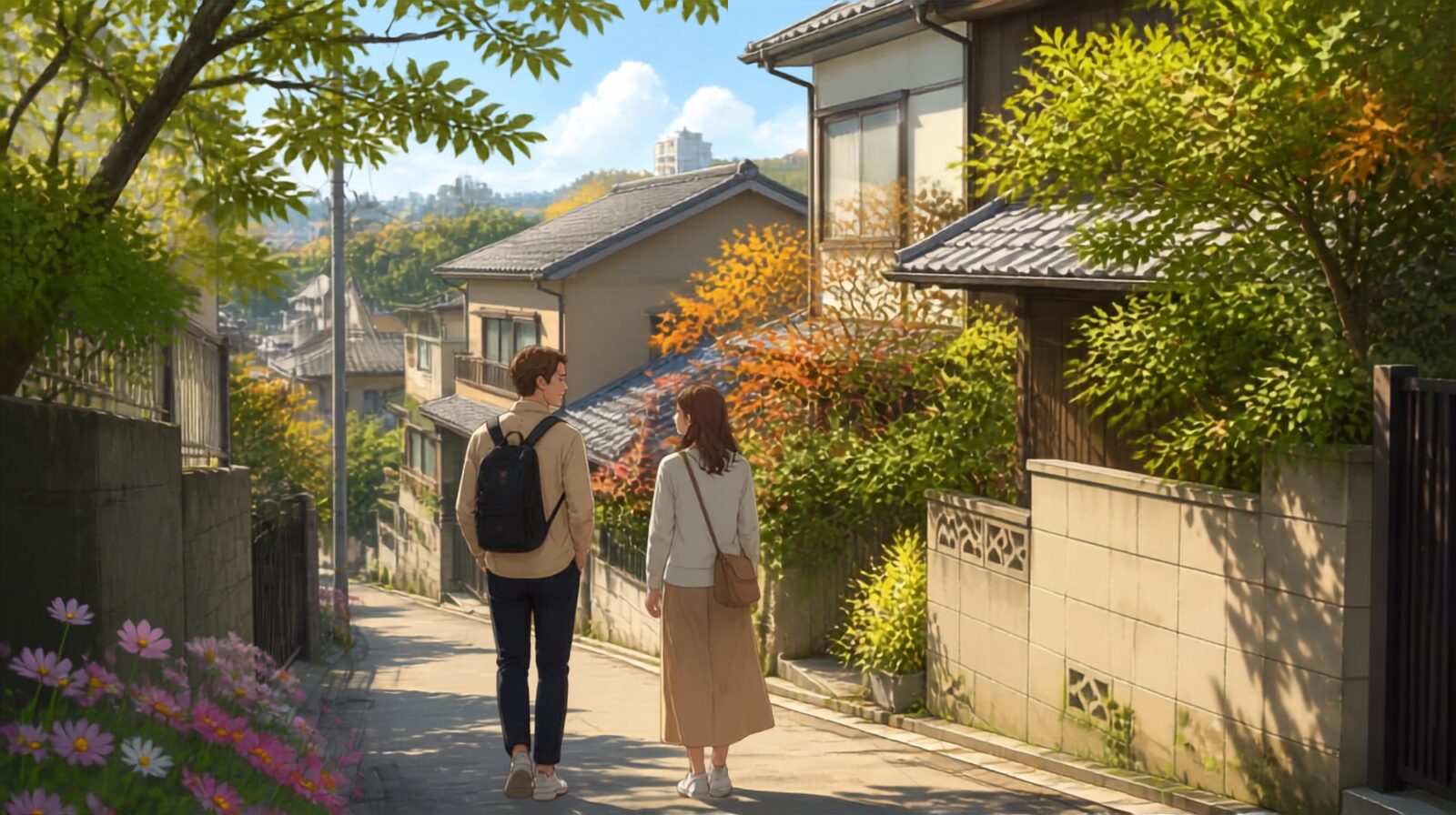
November is when many first-time visitors will experience the image they associate most closely with autumn in Japan.
Mornings and evenings become noticeably cooler, and autumn foliage reaches many parts of central and western Japan. In Tokyo, many well-known city foliage spots show their colors from around mid-November into early December, while Kyoto’s autumn leaf season generally begins around mid-November.
November is also a good time to combine sightseeing with quieter seasonal experiences, such as walking through a neighborhood park or visiting a 温泉 / Onsen / Hot spring after a cool day outside.
If you are traveling specifically in November, our Japan in November: Weather, Fall Foliage, What to Wear & Where to Go guide explains early-, mid-, and late-November differences, regional weather, foliage timing, clothing, Kyoto crowds, and how shorter daylight changes the day.
What Is the Weather Like in Autumn?
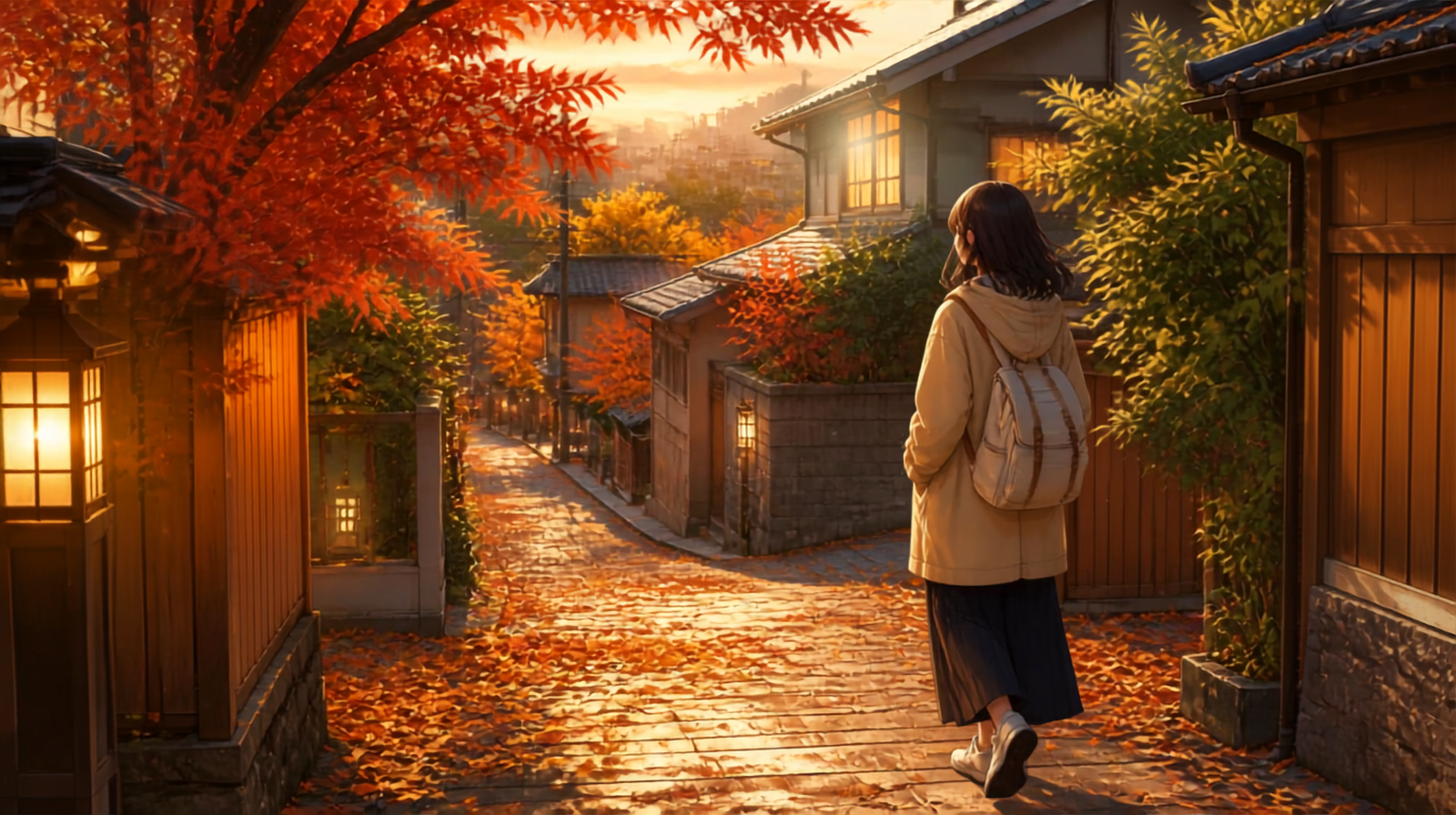
Japan’s autumn weather varies significantly by region.
The table below shows the 1991–2020 monthly mean temperatures published by the Japan Meteorological Agency. These are long-term climate averages, not a forecast for your individual trip.
| City | September | October | November |
|---|---|---|---|
| Sapporo | 18.6°C | 12.1°C | 5.2°C |
| Tokyo | 23.3°C | 18.0°C | 12.5°C |
| Osaka | 25.2°C | 19.5°C | 13.8°C |
| Fukuoka | 24.7°C | 19.6°C | 14.2°C |
The difference becomes especially important if your itinerary covers several regions.
A traveler moving between Hokkaido, Tokyo, Osaka, and Fukuoka in October, for example, can experience noticeably different stages of autumn during the same trip. Mountain areas can also be considerably colder than nearby cities.
Rather than packing for a single expected temperature, autumn is a season when layers work particularly well.
When Can You See Autumn Leaves in Japan?
Autumn colors gradually move from colder regions and higher elevations toward warmer areas.
In northern and mountainous parts of Japan, strong autumn colors can arrive during October or even earlier at high elevations. Tokyo, Kyoto, and other warmer destinations generally see their main foliage season later, with some city foliage continuing into early December.
Exact timing varies each year, so treat typical dates as a planning guide rather than a guarantee.
You may see 紅葉 / Kōyō / Autumn foliage when looking for seasonal information in Japan. The same characters can also be read もみじ / Momiji when referring to maples or maple leaves. You do not need to remember the distinction, but recognizing 紅葉 can be useful when looking at local signs, websites, and seasonal information.
You also do not need to visit a famous temple or mountain viewpoint to enjoy autumn leaves.
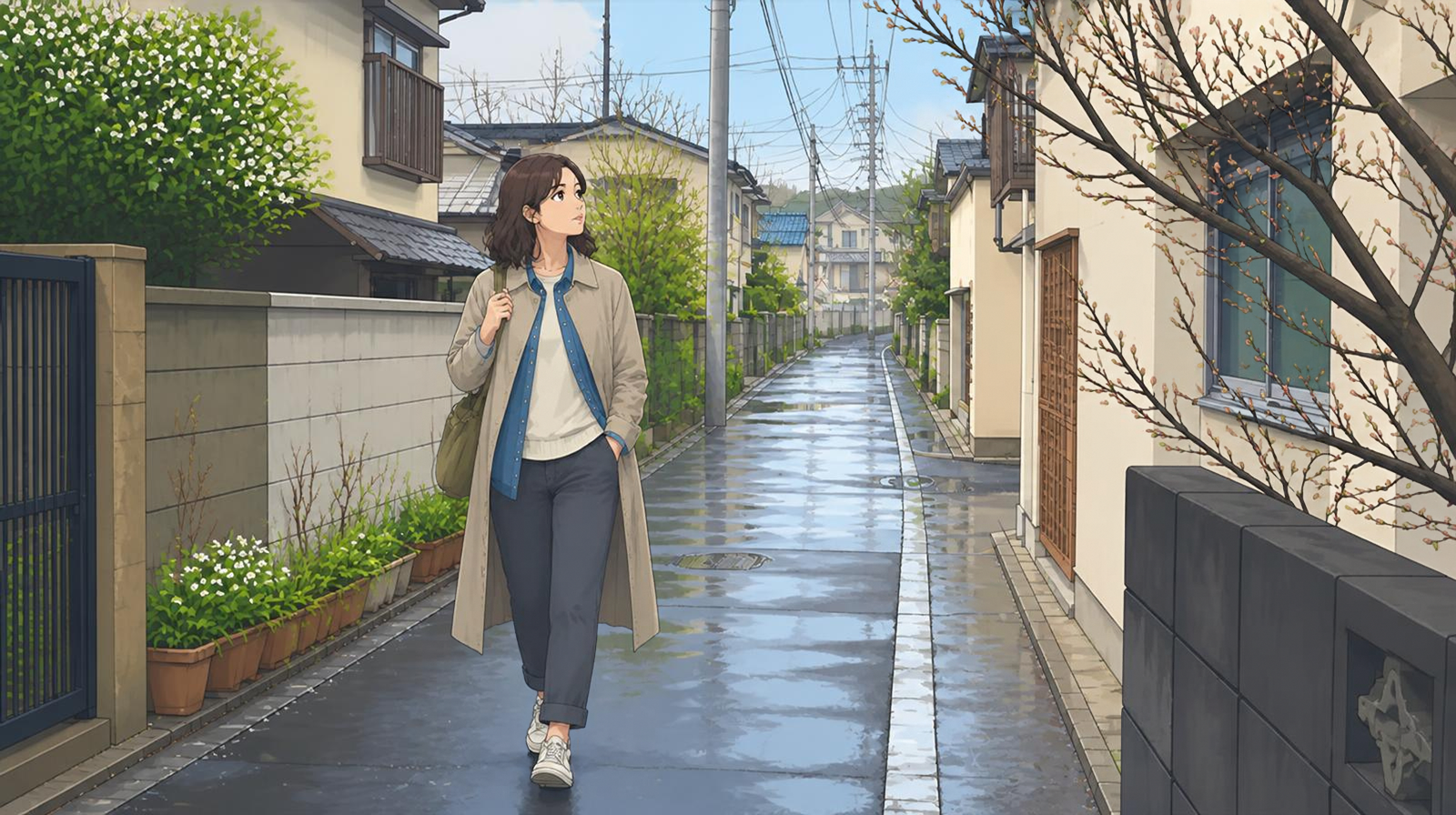
City parks, riversides, shrine grounds, residential streets, university campuses, and ordinary neighborhood trees change with the season too. A morning walk near where you are staying can sometimes be a more relaxed way to experience autumn than joining the crowds at a famous viewing spot.
Where Can You Experience Autumn in Japan?
Where you travel matters just as much as the month. The same week can feel like early autumn in one part of Japan and late autumn in another.
For Earlier Autumn: Hokkaido and High-Altitude Areas
If autumn colors are a priority in late September or October, colder northern regions and higher elevations are usually the places to look first. Parts of 北海道 / Hokkaidō / Hokkaido and Japan’s mountain areas can enter the foliage season well before the major cities farther south.
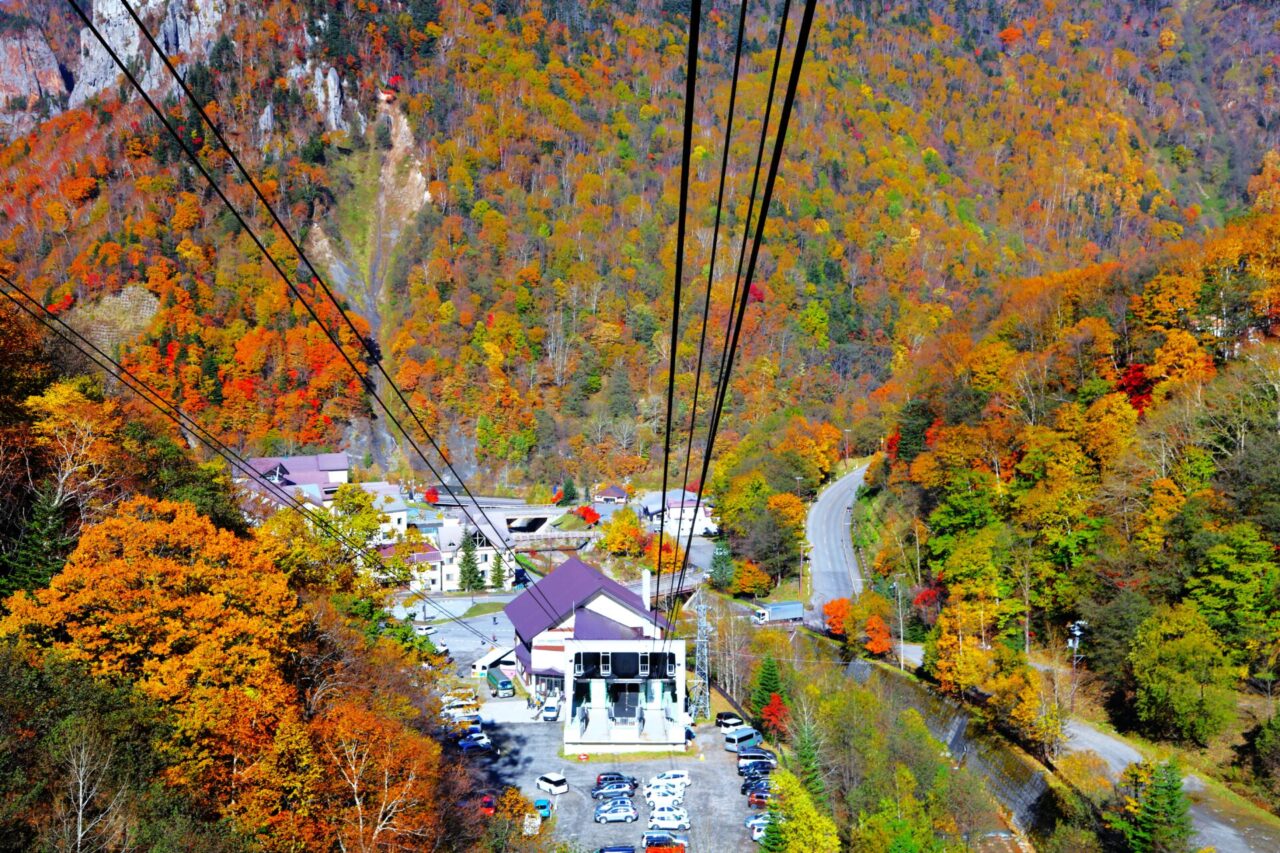
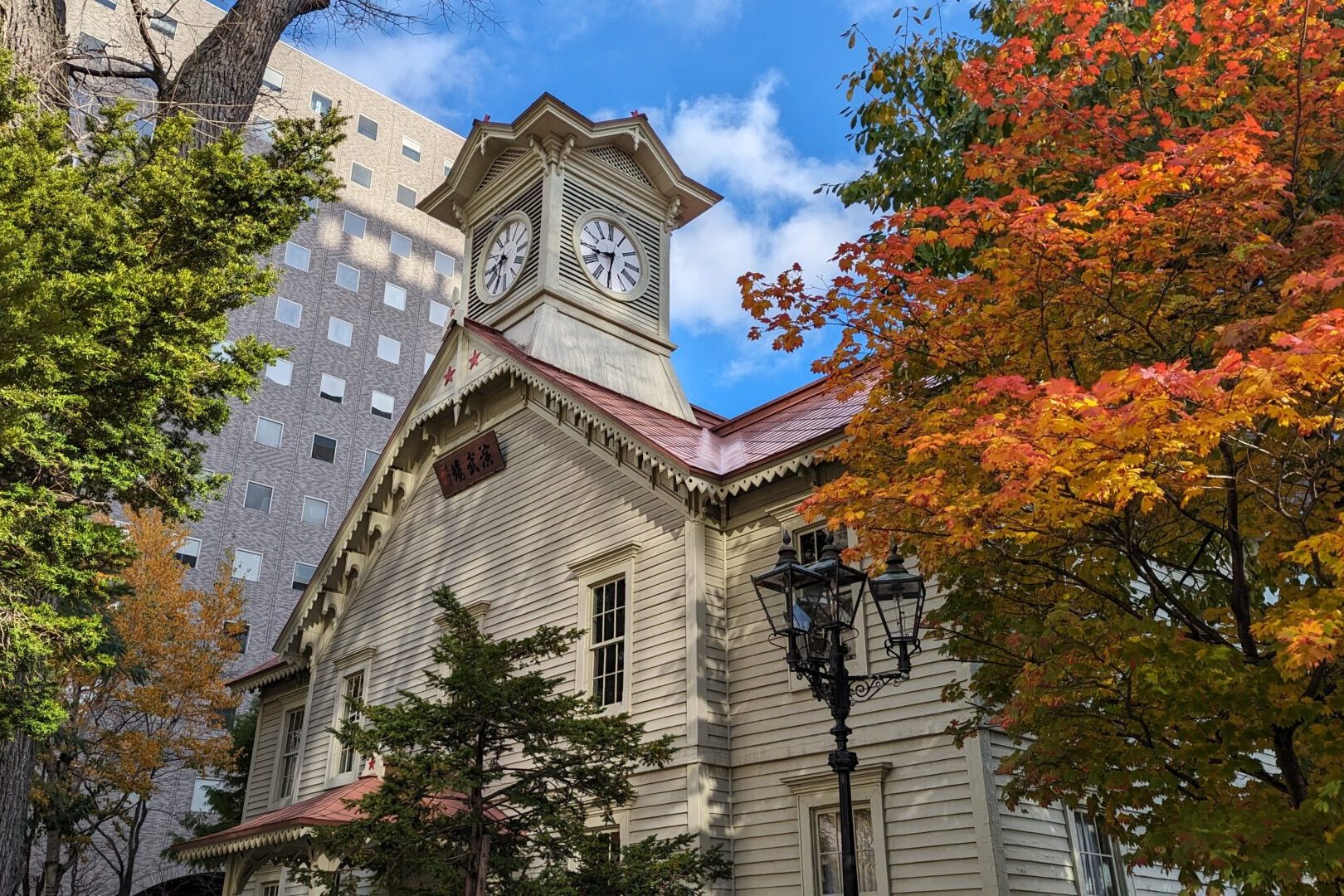
This type of trip works especially well for travelers who enjoy hiking, scenic rail or ropeway journeys, national parks, and cooler outdoor days rather than focusing only on big-city sightseeing.
For a Classic First Trip: Tokyo, Kyoto, and Osaka
If your first trip already includes Tokyo, Kyoto, and Osaka, you do not need to redesign the itinerary just to experience autumn.
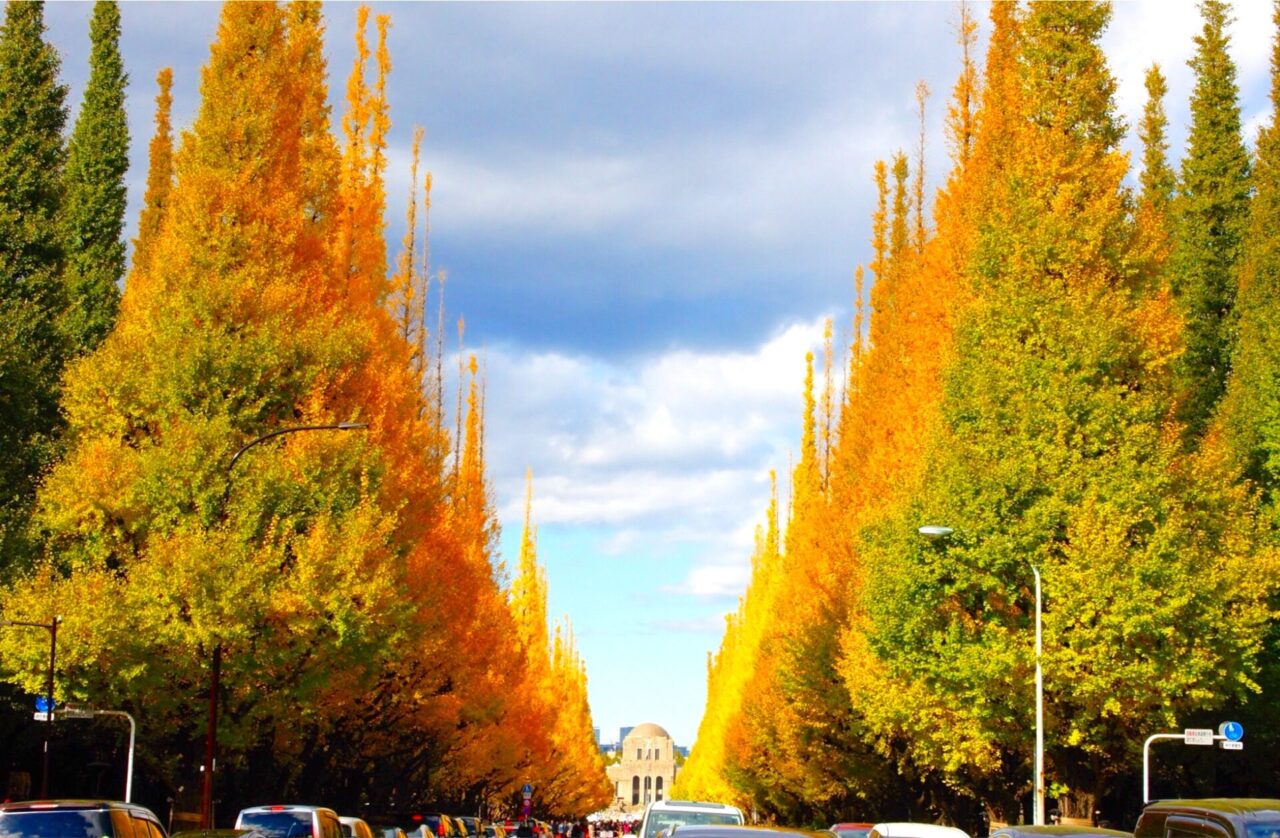
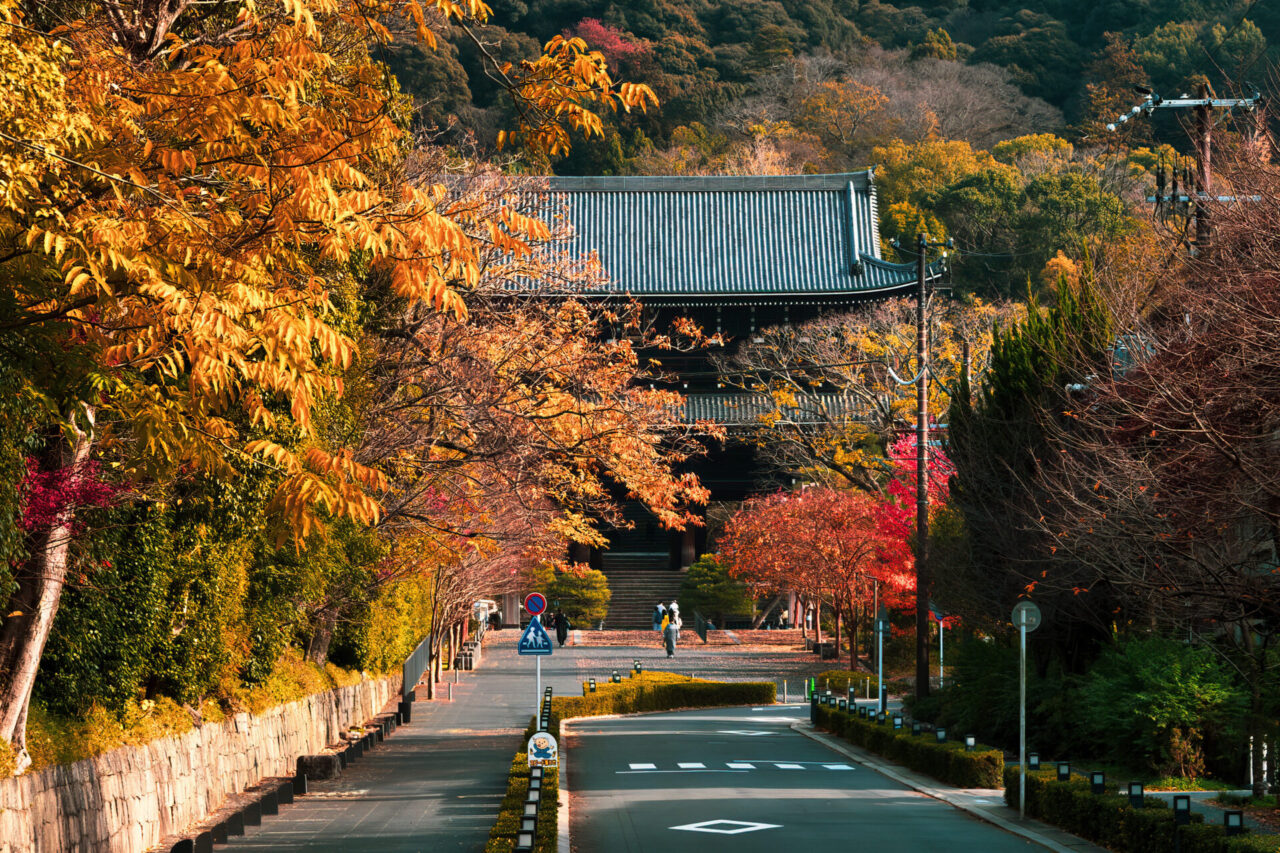
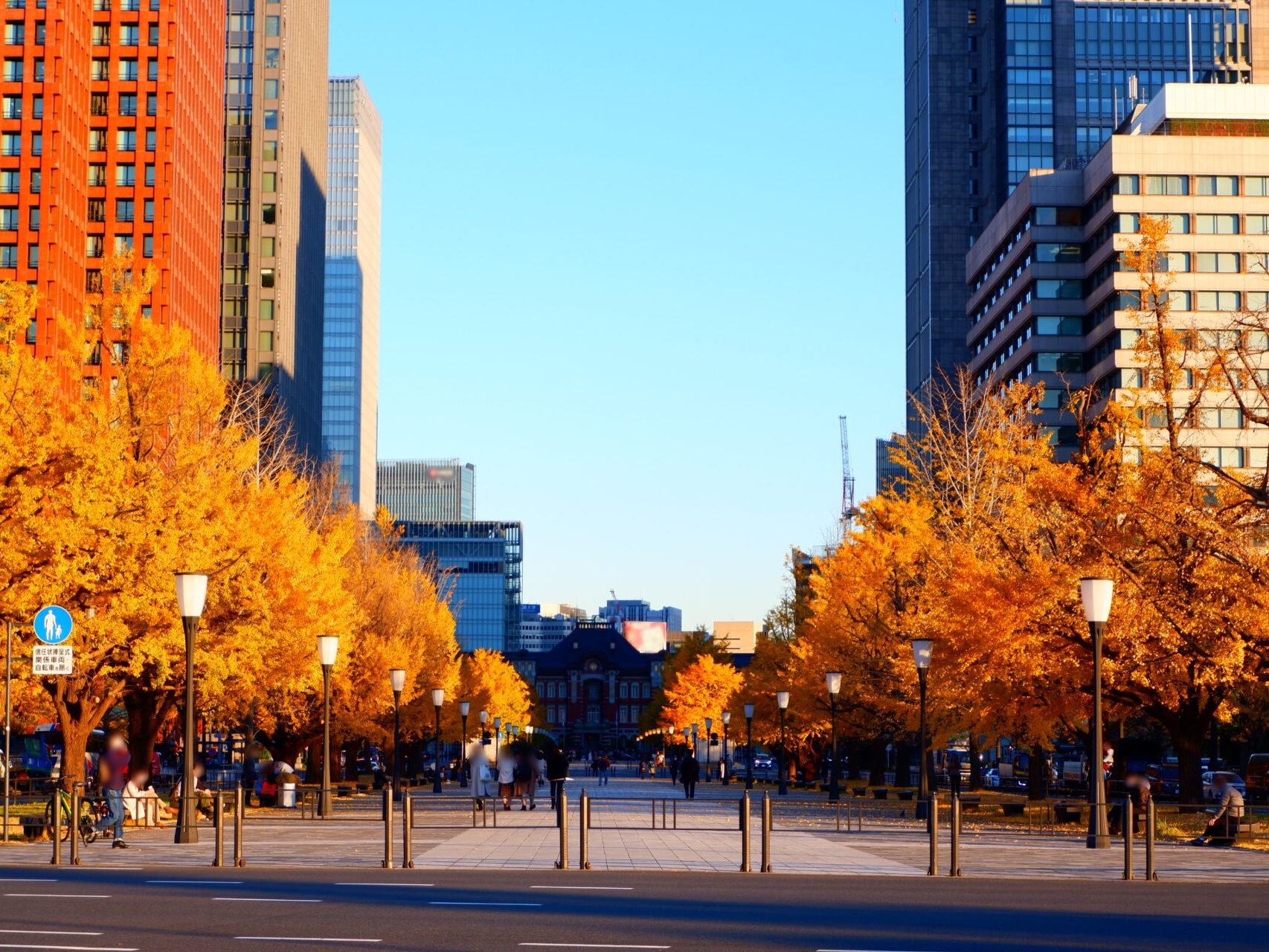
These cities generally show their stronger autumn character later than northern Japan and high mountain areas. November is therefore more naturally suited to combining a classic first-time itinerary with city parks, gardens, temple grounds, ginkgo-lined streets, and day trips into cooler surrounding areas.
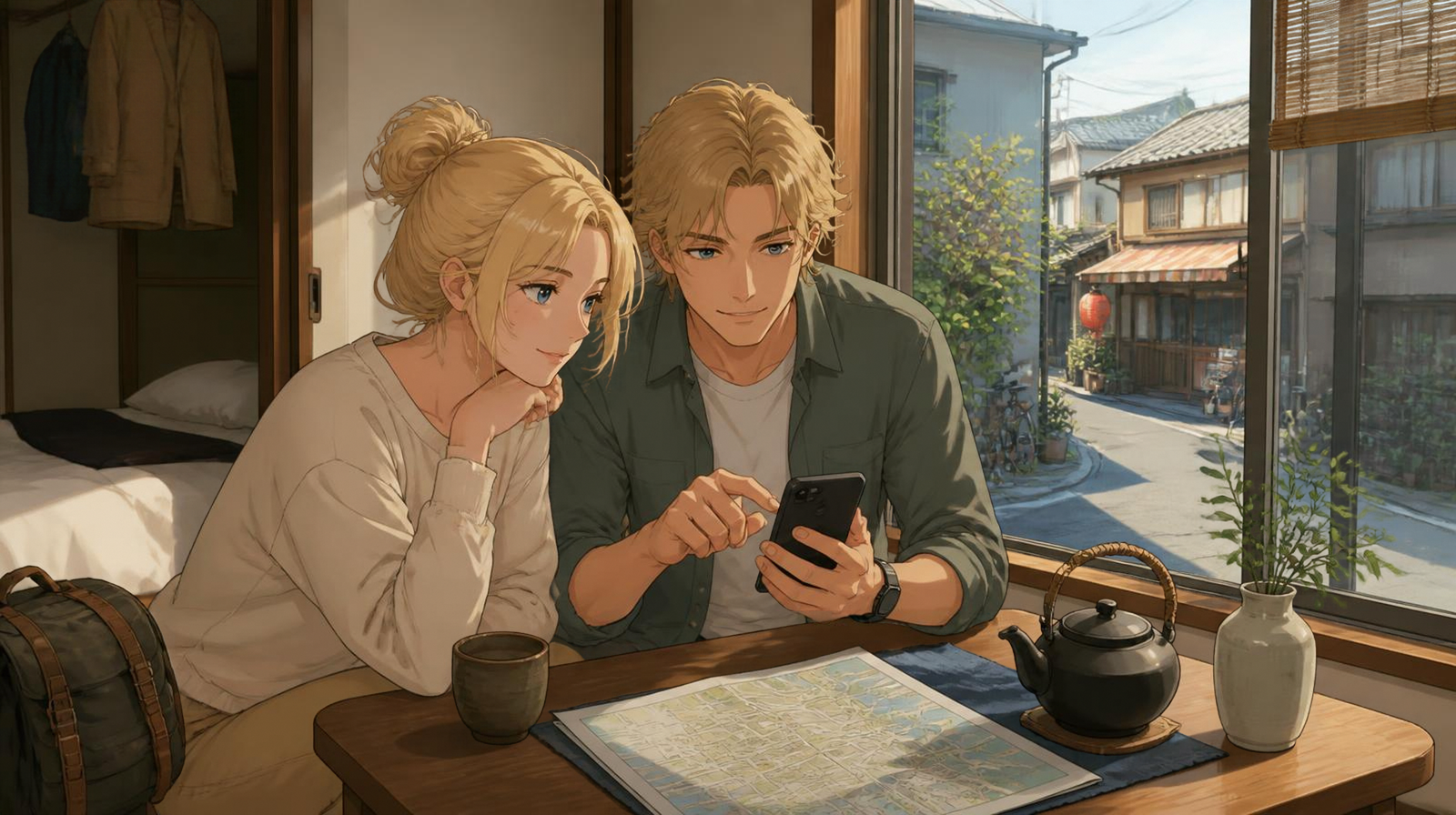
The experience can also be very different depending on where you stay. A central sightseeing base may make early visits to famous foliage spots easier, while a quieter neighborhood can give you autumn walks, local cafés, supermarkets, parks, and calmer evenings close to your accommodation.
For a Later, Milder Autumn: Fukuoka and Kyushu
Farther southwest, 福岡 / Fukuoka / Fukuoka and much of 九州 / Kyūshū / Kyushu generally move into autumn later than Hokkaido and high-altitude regions. October and November are often comfortable for exploring cities and spending time outdoors, while autumn colors tend to arrive later than in colder parts of Japan.
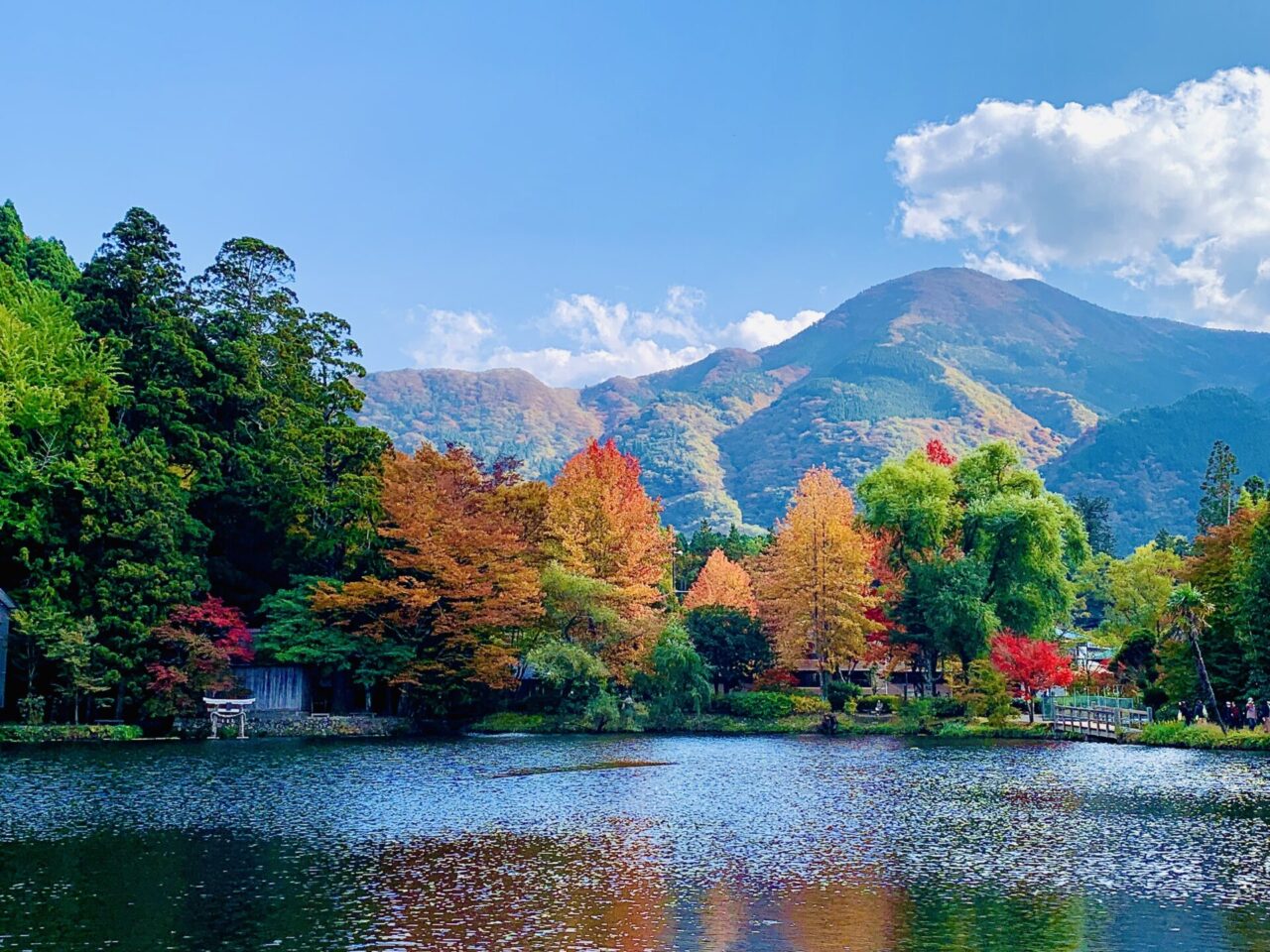
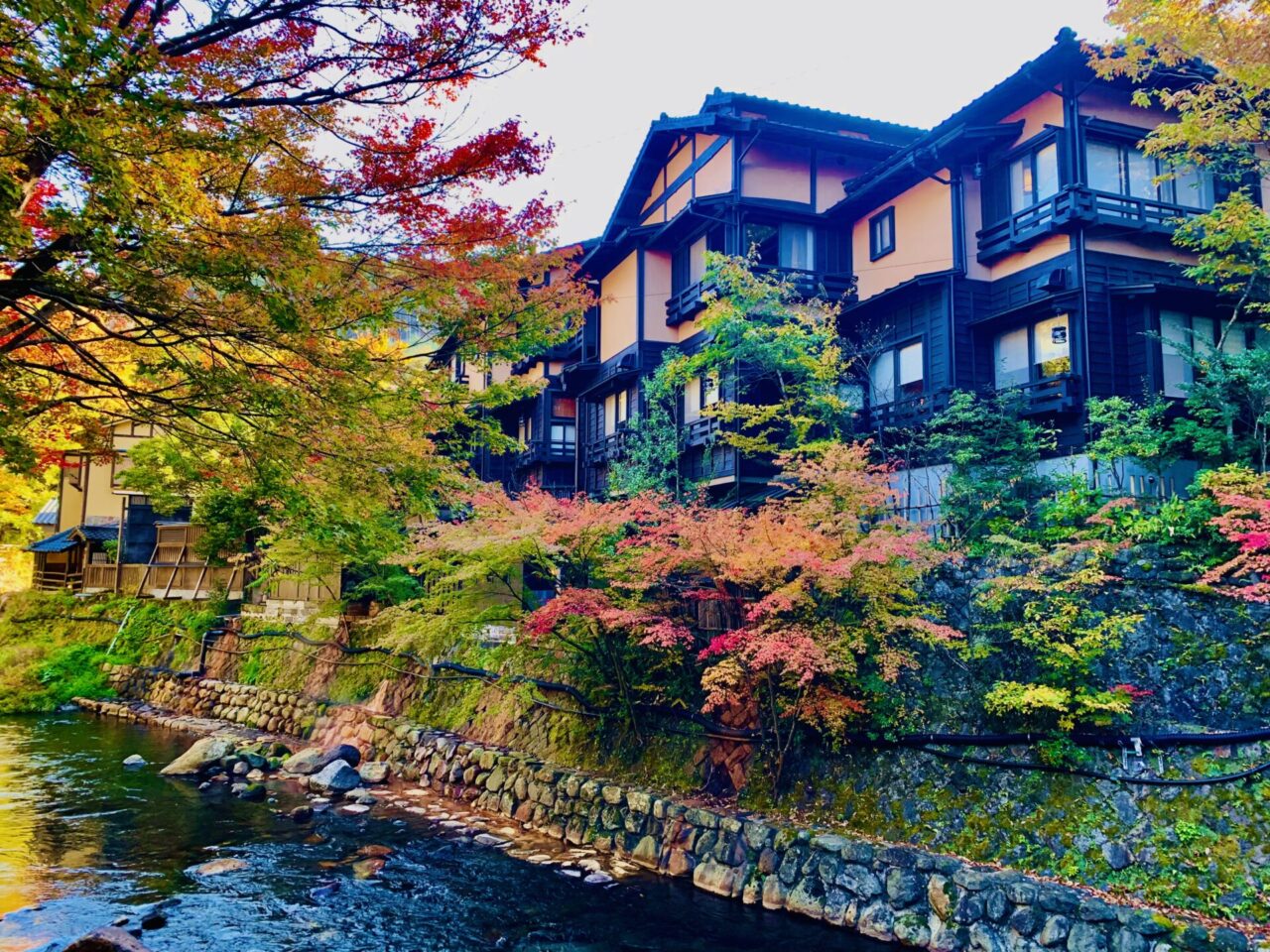
Fukuoka works well for travelers who want a city base with food, neighborhood walks, and easy access to a wider Kyushu trip. From there, you can combine urban days with mountain scenery, hot-spring areas, or smaller towns as the season progresses.
Keep in mind that Kyushu also has major differences in elevation. Mountain areas may change color earlier than Fukuoka city, so the exact stage of autumn depends on both the date and the place.
For Autumn and Hot Springs: Mountain and Onsen Areas
Autumn also works particularly well when you spend a night outside the largest cities. Places such as 箱根 / Hakone / Hakone and other mountain or hot-spring areas can combine cooler weather, changing leaves, an evening bath, and a quieter morning before returning to the city.
The point is not to find one universally “best” autumn destination. It is to choose a place that gives you the kind of autumn day you want: earlier colors, city walking, mountain scenery, or a slower overnight stay.
What Should You Wear in Japan in Autumn?
The safest approach is to pack layers.
September
In much of central and western Japan, summer clothing may still be useful.
- Lightweight tops
- Breathable trousers, skirts, or shorts depending on the weather
- Comfortable walking shoes
- A light outer layer
- A compact umbrella or rain jacket
Do not pack for September as though it will automatically be cool.
October
October usually requires more flexibility. A typical day may be comfortable in a shirt or light top, while mornings and evenings can require another layer.
- Long-sleeved shirts
- Light sweaters
- A light jacket
- Comfortable walking shoes
- One warmer layer if visiting northern or mountain areas
November
By November, jackets and sweaters become much more useful.
- Long trousers
- Long-sleeved tops
- Sweaters or fleece
- A medium-weight jacket
- Comfortable closed shoes
Northern Japan and mountain destinations may require substantially warmer clothing. Hokkaido can already be cold enough for winter-style outerwear during parts of the autumn season.
Things to Do in Japan in Autumn
Autumn is often presented as a season for leaf viewing, but some of the most memorable parts of the season happen between the famous sights: a cooler morning walk, seasonal food at a neighborhood shop, or an evening bath after a day outside.
Walk More of the Neighborhood
Cooler weather changes how much of a city you can comfortably explore on foot.
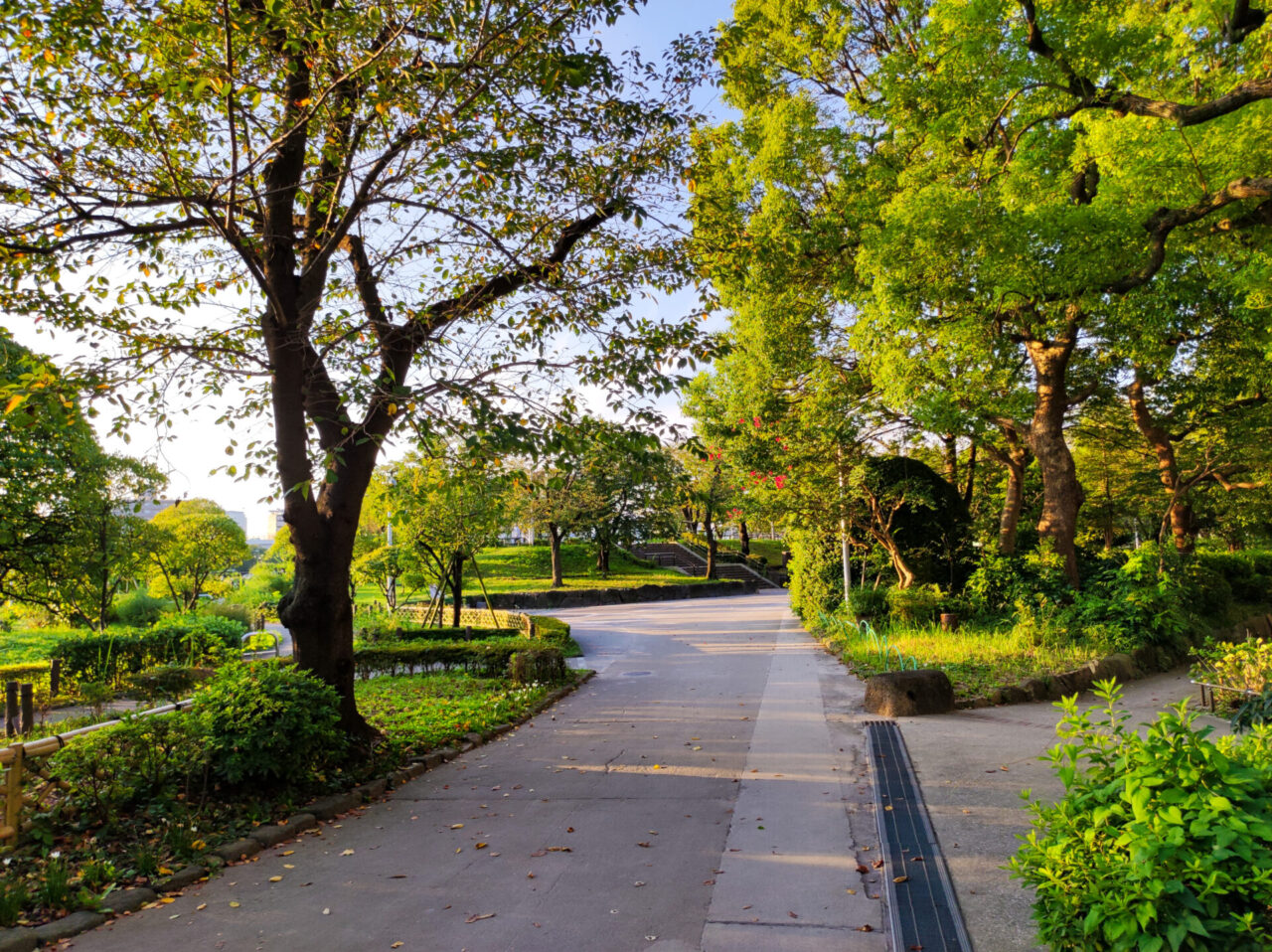
Instead of moving only between major attractions, autumn is a good time to leave a station one stop earlier, walk along a river, explore a shopping street, or spend a quiet morning in a local park.
These small parts of the day can give you a better sense of how people actually live in the area where you are staying.
Enjoy Seasonal Food
Autumn overlaps with the harvest season in Japan.
Persimmons, Japanese pears, freshly harvested rice, soba, and seasonal sake are among the foods associated with this part of the year.
You may see 新米 / Shinmai / New-season rice advertised in supermarkets and restaurants after the rice harvest.
Trying seasonal food does not require a special restaurant. Supermarkets, department-store food halls, local shops, cafés, and neighborhood restaurants all change what they sell as the season progresses.
Spend Time Outdoors
October in particular is well suited to outdoor activities in many parts of Japan. Parks, gardens, walking routes, countryside towns, and hiking areas become easier to enjoy once the summer heat begins to ease.
For first-time visitors, this does not need to mean a difficult mountain hike. Even a half-day walk outside the busiest city center can provide a very different view of Japan.
Visit an Onsen
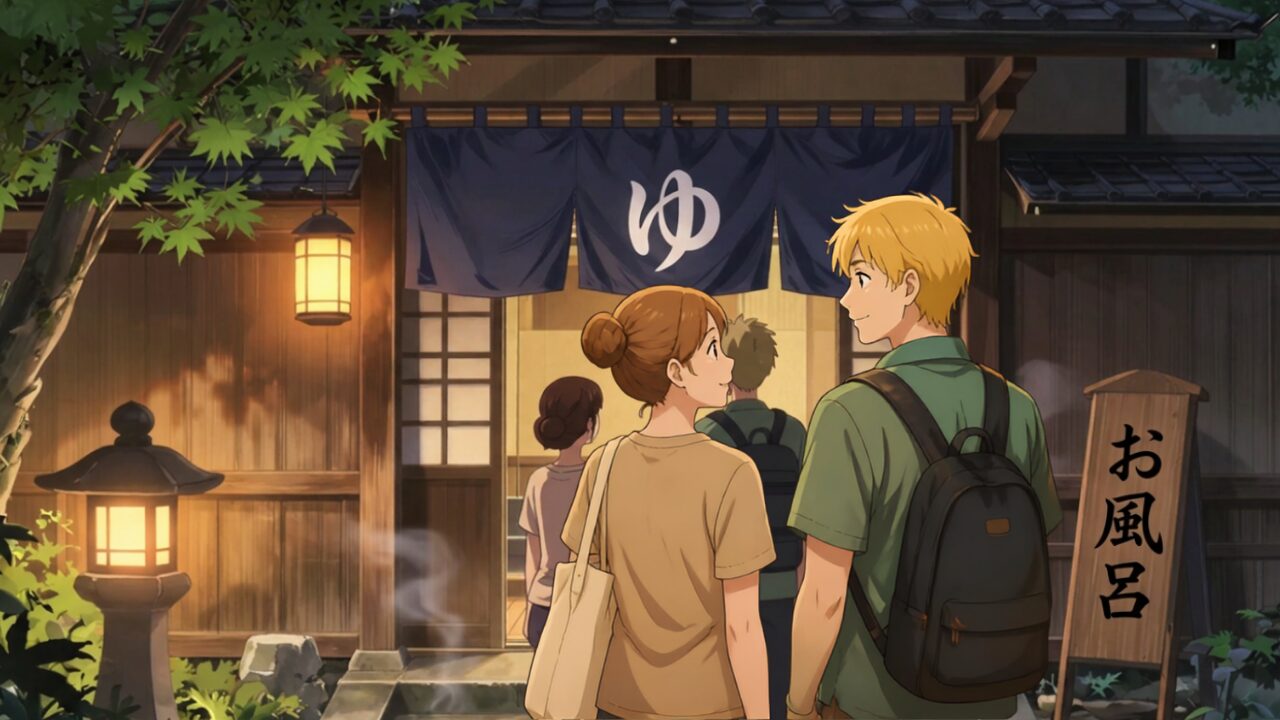
Cooler weather also makes 温泉 / Onsen / Hot spring visits especially appealing.
An onsen stay can be part of a larger trip through rural Japan, but you can also find hot-spring towns within day-trip or overnight distance of major cities.
If you have never used a Japanese public bath before, our Onsen & Sento Etiquette in Japan: A First-Time Visitor Guide explains the basic bathing process and the rules that can vary by facility.
Is Japan Crowded in Autumn?
Autumn can be busy, especially at places known for their foliage.
Kyoto can be particularly busy around the later part of November when autumn colors approach their peak.
You do not necessarily need to avoid autumn because of this. Instead, think about how you structure the day.
Visit especially popular locations earlier in the morning, spend part of the afternoon exploring less famous neighborhoods, and consider staying outside the busiest tourist districts if you prefer quieter mornings and evenings.
Autumn is also a good example of why where you stay matters.
A hotel or accommodation close to the busiest attractions may make sightseeing easy. A stay in a residential neighborhood may give you quieter streets, local cafés, supermarkets, parks, and a different rhythm once you return in the evening.
Neither is automatically better. The right choice depends on how you want to spend your trip.
Which Autumn Month Is Best for Your Trip?
There is no single best month for everyone.
Choose September if you still prefer warmer weather and are comfortable with the possibility of rain or tropical weather systems.
Choose October if comfortable walking weather is your main priority and you are open to traveling north or into mountain areas for stronger autumn colors.
Choose November if seeing autumn foliage in Tokyo, Kyoto, and other major destinations in central Japan is one of your priorities.
If your itinerary lasts two weeks or more, you may also be able to follow the season naturally by moving between regions rather than trying to find one perfect date.
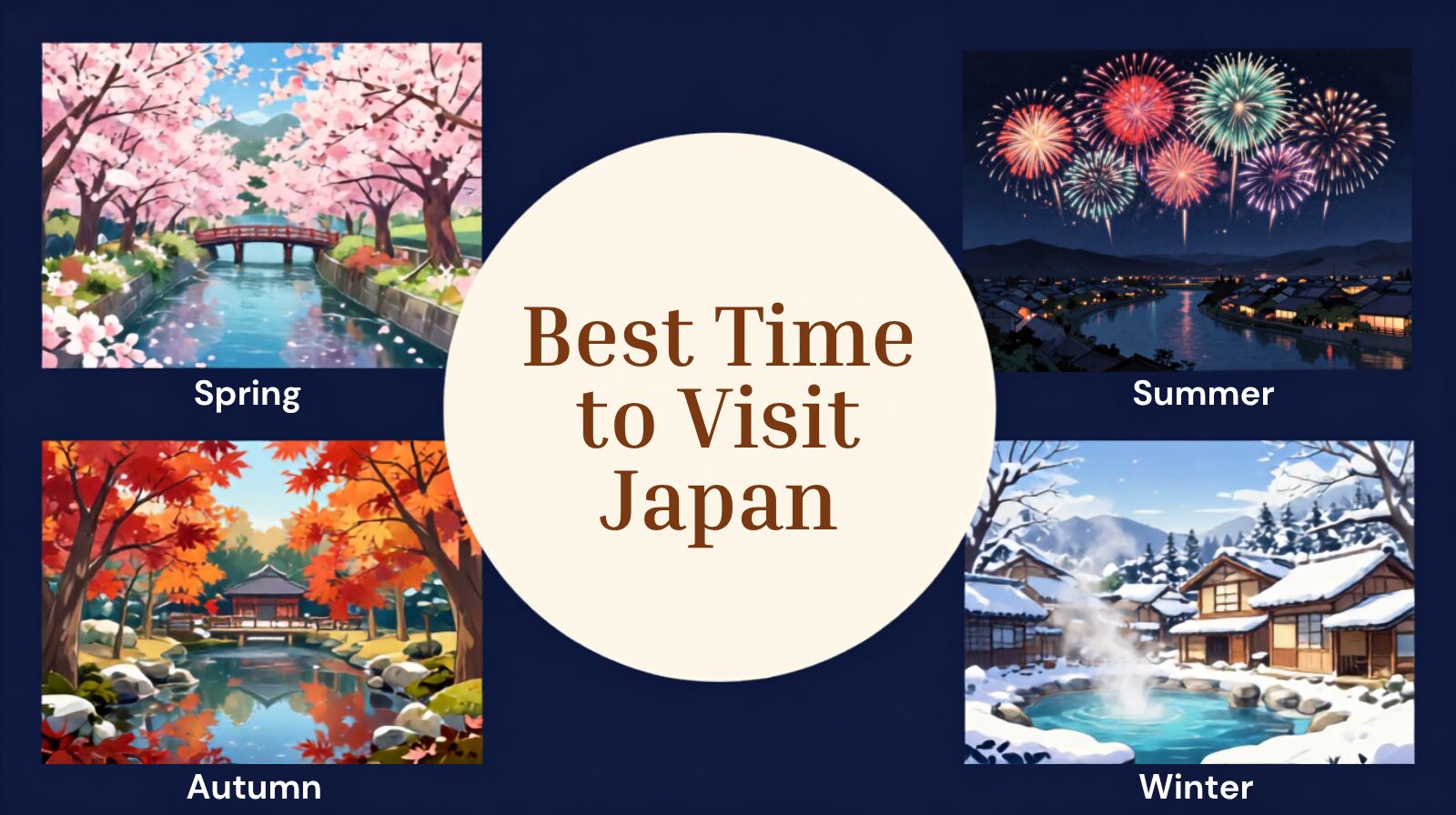
If you are still comparing autumn with other times of year, our Best Time to Visit Japan: A Season-by-Season Guide explains how weather, crowds, seasonal experiences, and travel style change throughout the year.
Planning an Autumn Trip Around Japan
For a first visit, you do not need to rebuild a classic Tokyo–Kyoto–Osaka itinerary simply because it is autumn.
Instead, add seasonal experiences around the trip you already want to take.
Spend a morning in a park before sightseeing. Take a day trip into the mountains when the colors are further along. Stay one night in an onsen town. Walk through the neighborhood around your accommodation in the evening. Try seasonal food when you see it rather than making every meal another reservation.
Autumn works particularly well for this slower style of travel because spending time outside becomes part of the experience.
If you are traveling in September or early autumn, remember that tropical cyclones and heavy rain can still affect travel plans. Check the latest weather and transportation information if severe weather is forecast.
Our Natural Disasters in Japan: What Every Traveler Should Know guide explains typhoons, heavy rain, emergency information, transportation disruption, and what travelers should prepare before a trip.
Frequently Asked Questions
- What months are autumn in Japan?
-
September, October, and November are considered autumn in Japan. However, September can still feel like summer in many major cities, while northern Japan and high-altitude areas cool much earlier.
- What is the best month to visit Japan in autumn?
-
October is a strong choice for generally comfortable outdoor weather, while November is better if seeing autumn foliage in Tokyo, Kyoto, and other major cities is a priority. The best month depends on where you plan to travel and what you want to experience.
- When do autumn leaves appear in Japan?
-
Autumn colors appear first in northern Japan and higher mountain areas and then gradually reach warmer parts of the country. Northern and high-altitude destinations can have strong colors in October or earlier, while Tokyo and Kyoto generally see their main season later.
- Where should I go for autumn colors in Japan?
-
It depends on when you travel. Northern Japan and high-altitude areas are better for earlier colors, Tokyo, Kyoto, and Osaka generally become more autumnal later, and Fukuoka and much of Kyushu tend to follow after colder regions. Exact timing varies by year and elevation.
- Is September autumn in Japan?
-
Yes, but it does not necessarily feel like autumn everywhere. Tokyo, Osaka, and much of western Japan can remain warm, and September is more affected by the autumn rain front and tropical cyclones than October.
- Do I need a winter coat in Japan in autumn?
-
Usually not in Tokyo or Osaka during September and October, but conditions vary considerably by region and month. Hokkaido and mountain areas become much colder earlier, while November mornings and evenings can feel chilly even in major cities.
- Is Japan very crowded during autumn foliage season?
-
Some famous foliage destinations can become crowded, particularly during peak periods. Kyoto can be especially busy in late November, so early starts and time in less tourist-focused neighborhoods can make the trip more comfortable.