


Transportation– category –
-

Luggage in Japan: Forwarding, Lockers and Shinkansen Rules
Luggage can make an otherwise simple journey through Japan feel much harder. A direct train ride may still involve station stairs, crowded local lines and a long walk to the accommodation.The useful distinction is between storage and delivery. Store a bag when you need it again later that day. Forward it when you ar... -
Kansai Airport to Yodoyabashi & Higobashi: A Practical Route Example
Getting from 関西国際空港 / Kansai Kokusai Kūkō / Kansai International Airport (KIX) to accommodation in Yodoyabashi, Higobashi, or Edobori is a good example of why the nearest station does not always give you the easiest airport route.This guide uses Takumi Stay Yodoyabashi Osaka, an accommodation we operate in Edo... -
Getting Around Japan: Which Transportation Should You Use?
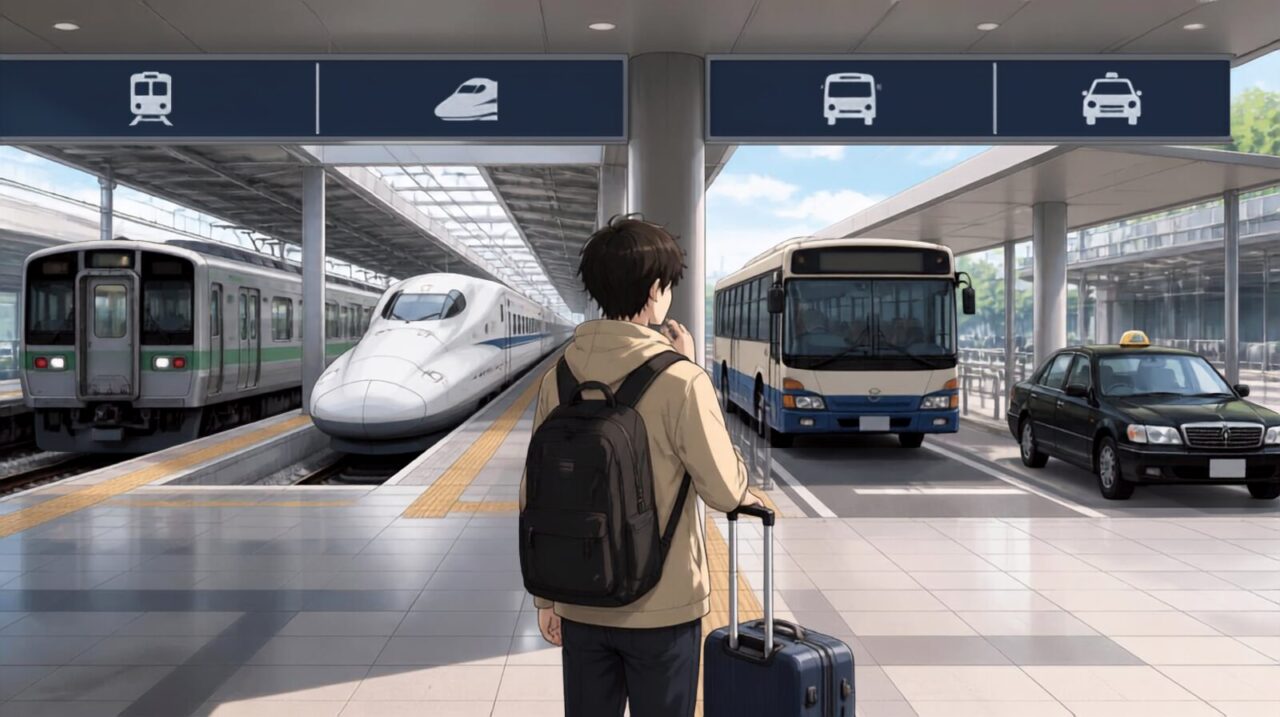
Japan has many ways to get around, but you do not need one transportation strategy for the whole trip.For most first-time visitors, the simplest pattern is to use trains and subways for everyday city travel, the Shinkansen for many major intercity journeys, and buses or taxis when they solve the final part of a rout... -
Kansai Airport to Osaka: Best Routes for 8 Areas
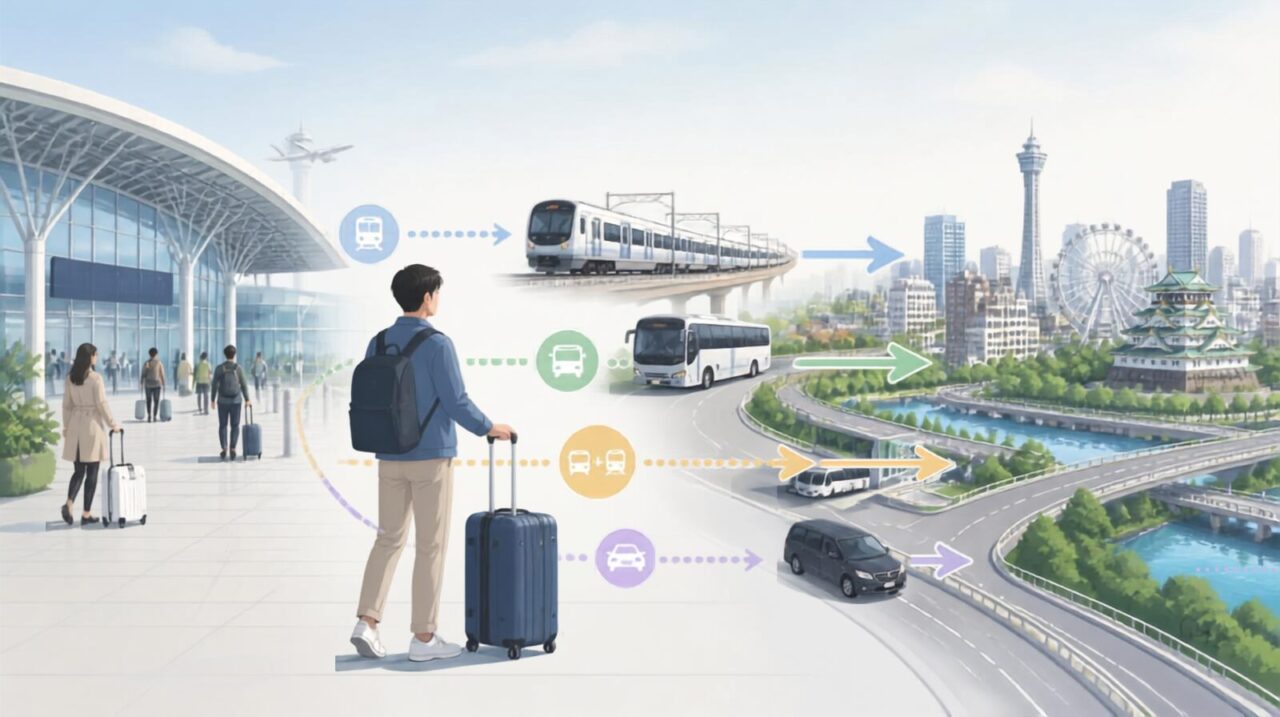
After landing at 関西国際空港 / Kansai Kokusai Kūkō / Kansai International Airport (KIX), the best way into Osaka depends on where your accommodation actually is. Namba, Umeda, Tennoji, Shin-Osaka, and Osaka Bay are all “Osaka,” but they are served by different airport trains and buses.Some areas have a direct railw... -
Kansai Airport to Umeda: A Practical Route Example Using Train, Bus & Taxi
Getting from Kansai International Airport to Umeda does not mean using one type of transport for the entire journey.This guide uses Takumi Stay Umeda Osaka, an accommodation we operate, as a real example to show how the airport-to-Umeda section and the final trip to an accommodation can be planned separately.For man... -
How to Use Local Buses in Japan: A First-Time Visitor Guide
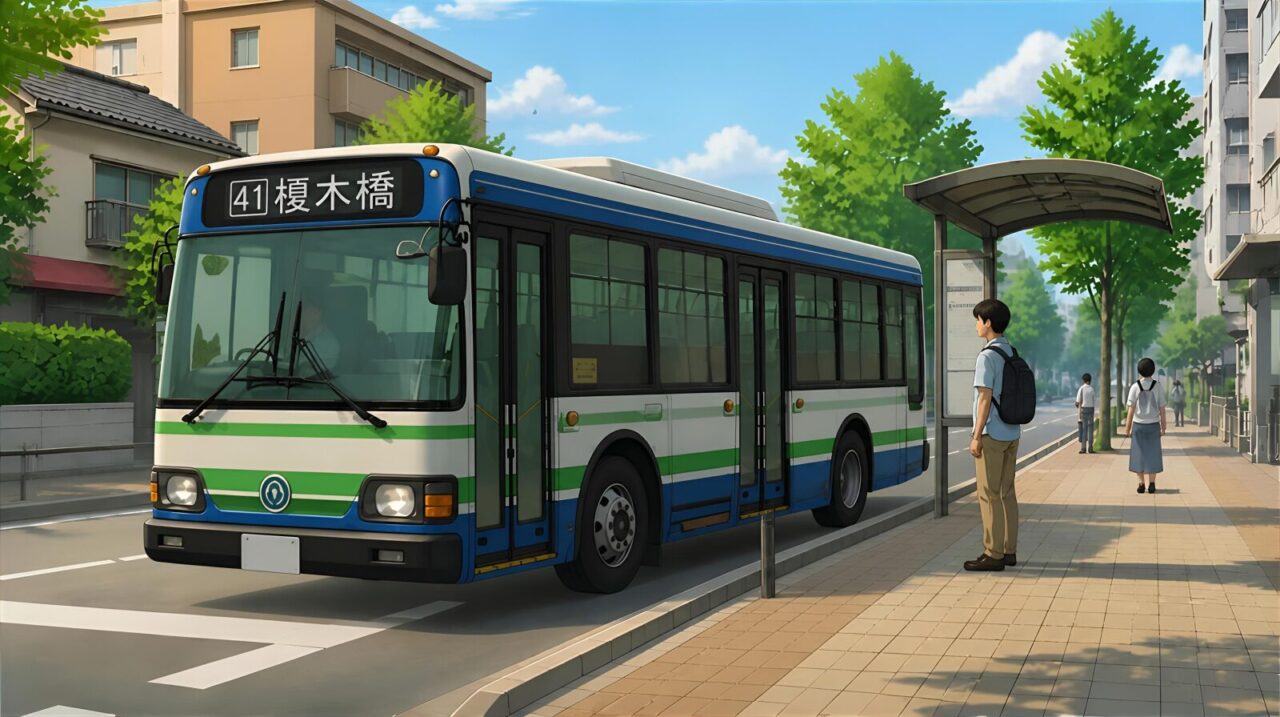
Using local buses in Japan can feel less straightforward than taking a train. The reason is simple: there is no single boarding and payment system used by every bus operator in the country. On one bus, you may enter at the front and pay immediately. On another, you may enter through the rear door and pay when you ge... -
Japan Rail Pass: Is It Worth It? A Complete Guide
The Japan Rail Pass can still be useful, but it is no longer the default choice for every trip.Since the major price increase in 2023, many visitors—especially those staying in one city or region—spend less by using an IC card for local travel and buying long-distance tickets separately.This guide explains the curre... -
How to Use Taxis in Japan
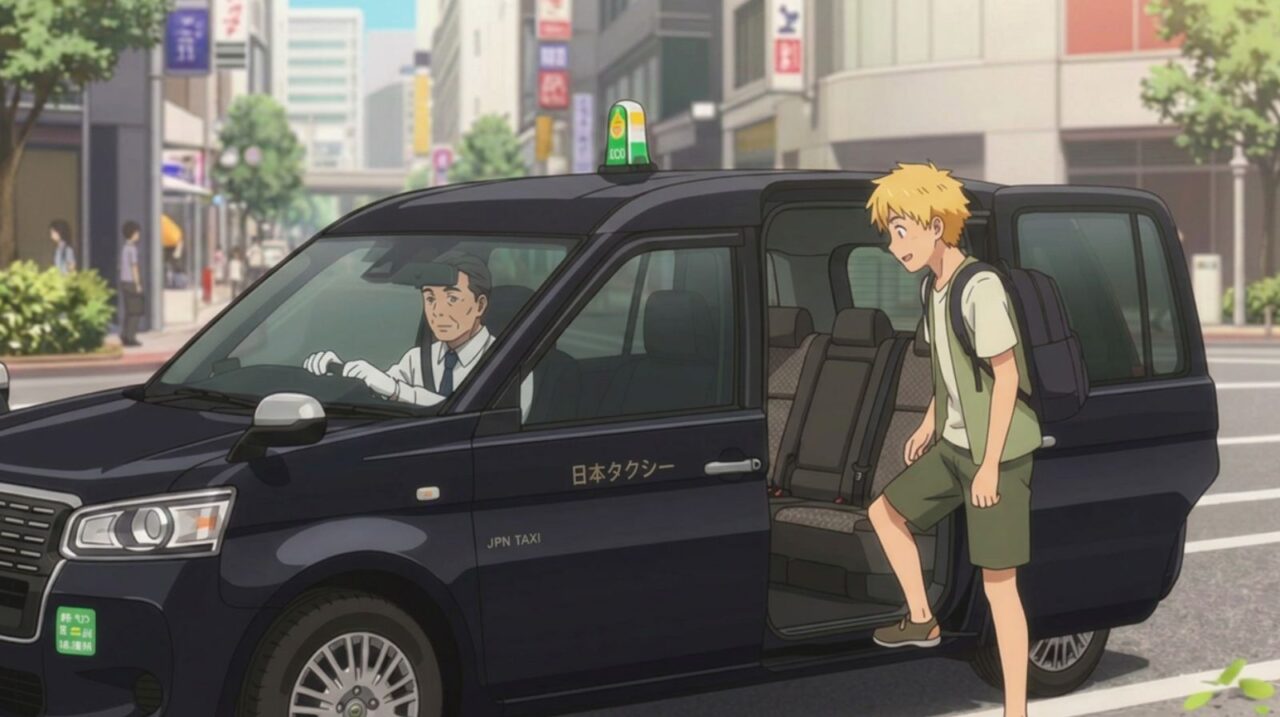
Taxis are not usually the cheapest way to get around Japan, but they are worth considering when you have luggage, arrive late, travel with children, or need to reach somewhere far from a station.You can take a taxi from a taxi stand, hail an available cab on the street, or request one through an app. Payment options... -
How to Buy Shinkansen Tickets in Japan
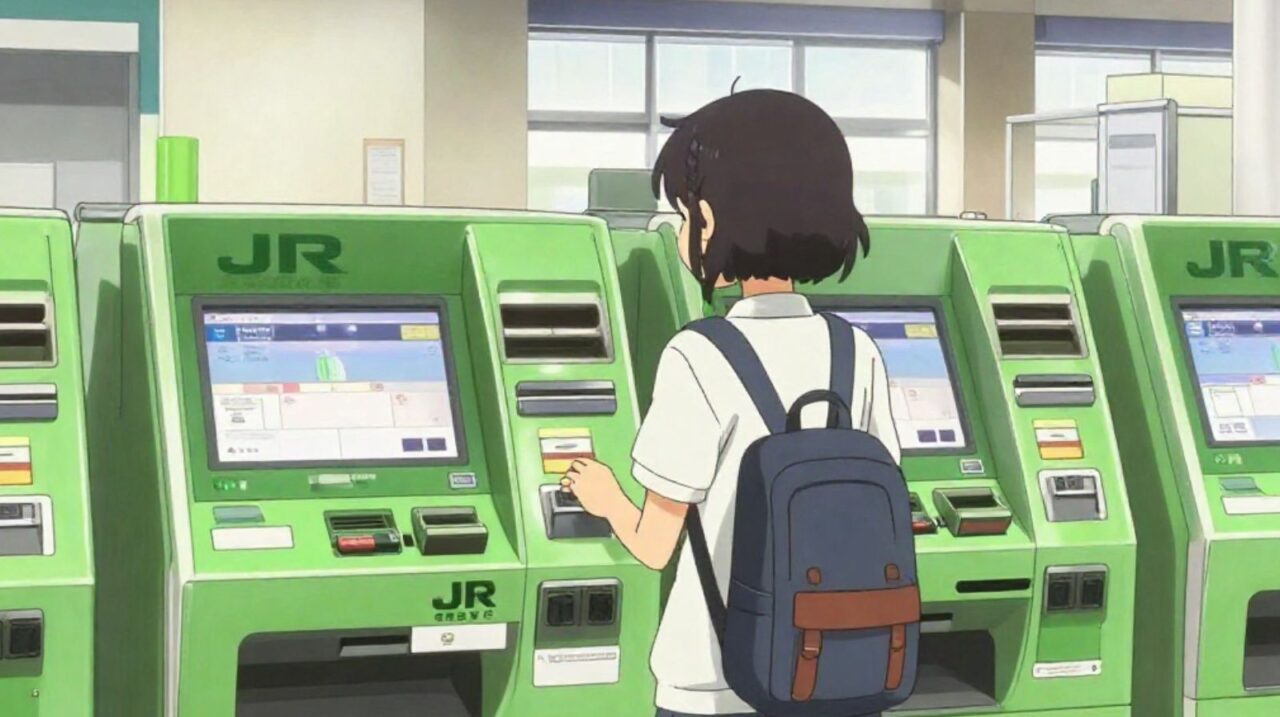
Buying Shinkansen tickets in Japan is usually straightforward. Most first-time visitors can buy them after arriving in Japan from an English-language ticket machine or a staffed JR ticket counter at a major station.You can also book online before your trip, but there is no single reservation website for every Shinka... -
How to Use IC Cards in Japan: Suica, PASMO, ICOCA & Mobile IC Cards
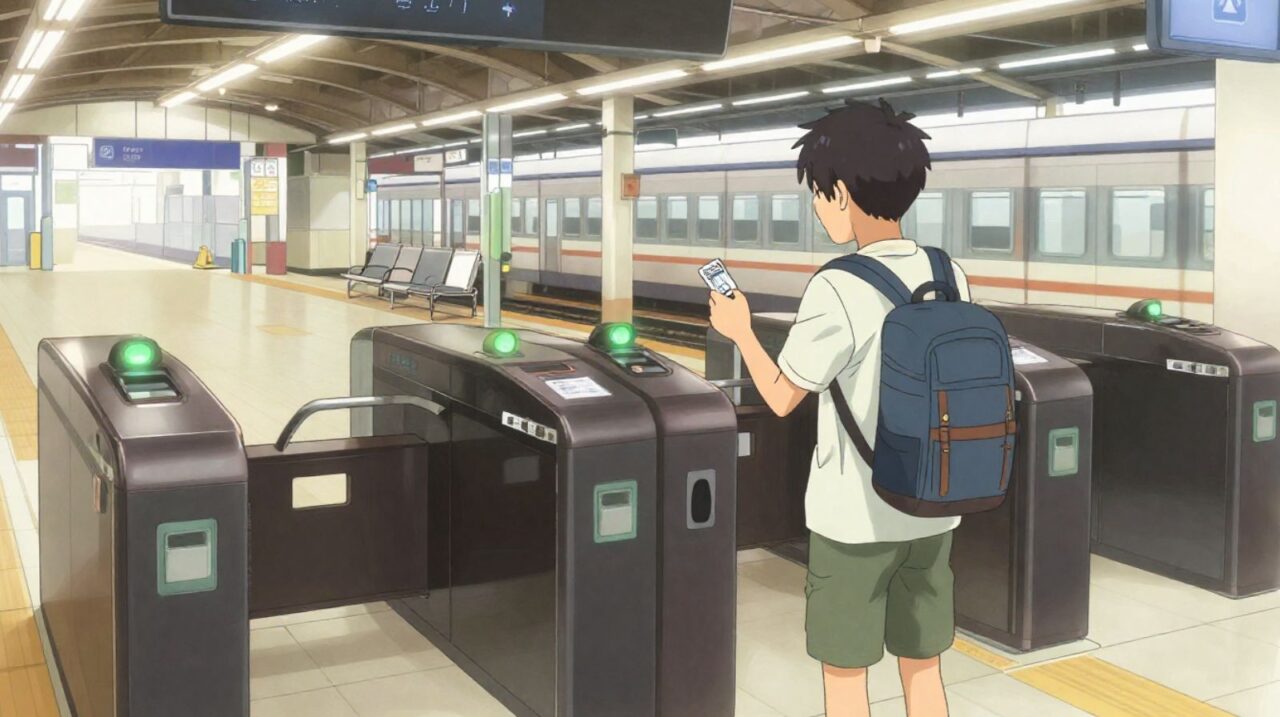
Planning to use trains, subways, or buses in Japan?An IC card is usually the simplest way to pay for everyday local transportation. This guide explains how Suica, PASMO, ICOCA, visitor cards, and mobile IC cards differ, so you can choose the option that best fits your phone, arrival point, and length of stay. What I...




12