
The Short Answer: English Is Available, But Not Everywhere
If you are visiting Japan for the first time, the answer is reassuring.
You do not need to speak Japanese to enjoy a successful trip.
However, Japan is not a country where English is spoken everywhere.
Many Japanese people study English in school, but not everyone feels comfortable using it in daily conversation.
As a result, visitors often discover an interesting reality:
People may understand more English than they speak.
Communication is often possible even when conversations are limited.
For most travelers, language barriers are smaller than expected.
Where English Is Commonly Available
In major cities and popular tourist destinations, English support is increasingly common.
You will often find English information at:
- Airports
- Major train stations
- Tourist attractions
- Hotels
- Department stores
- Popular restaurants
- Transportation systems
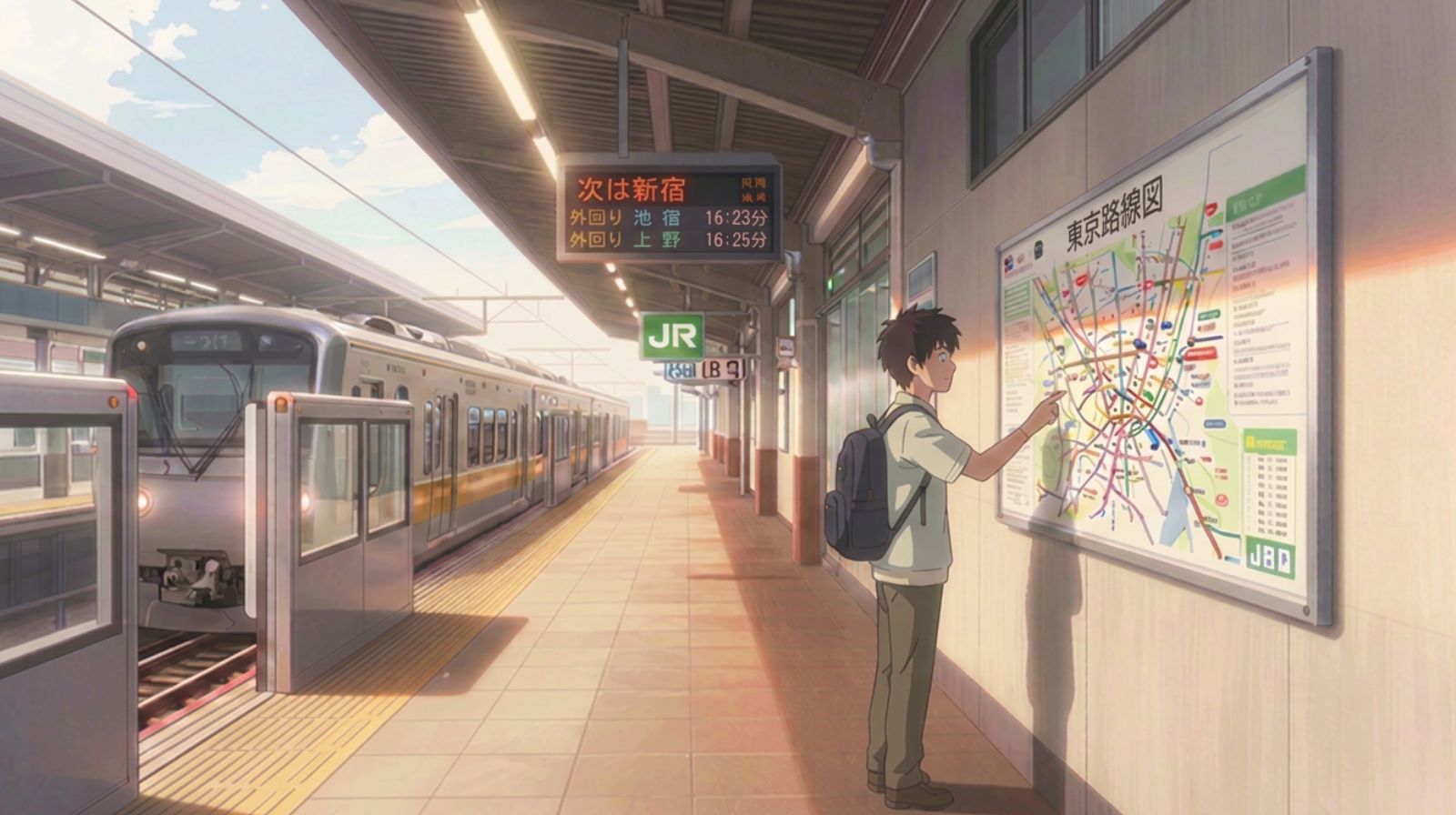
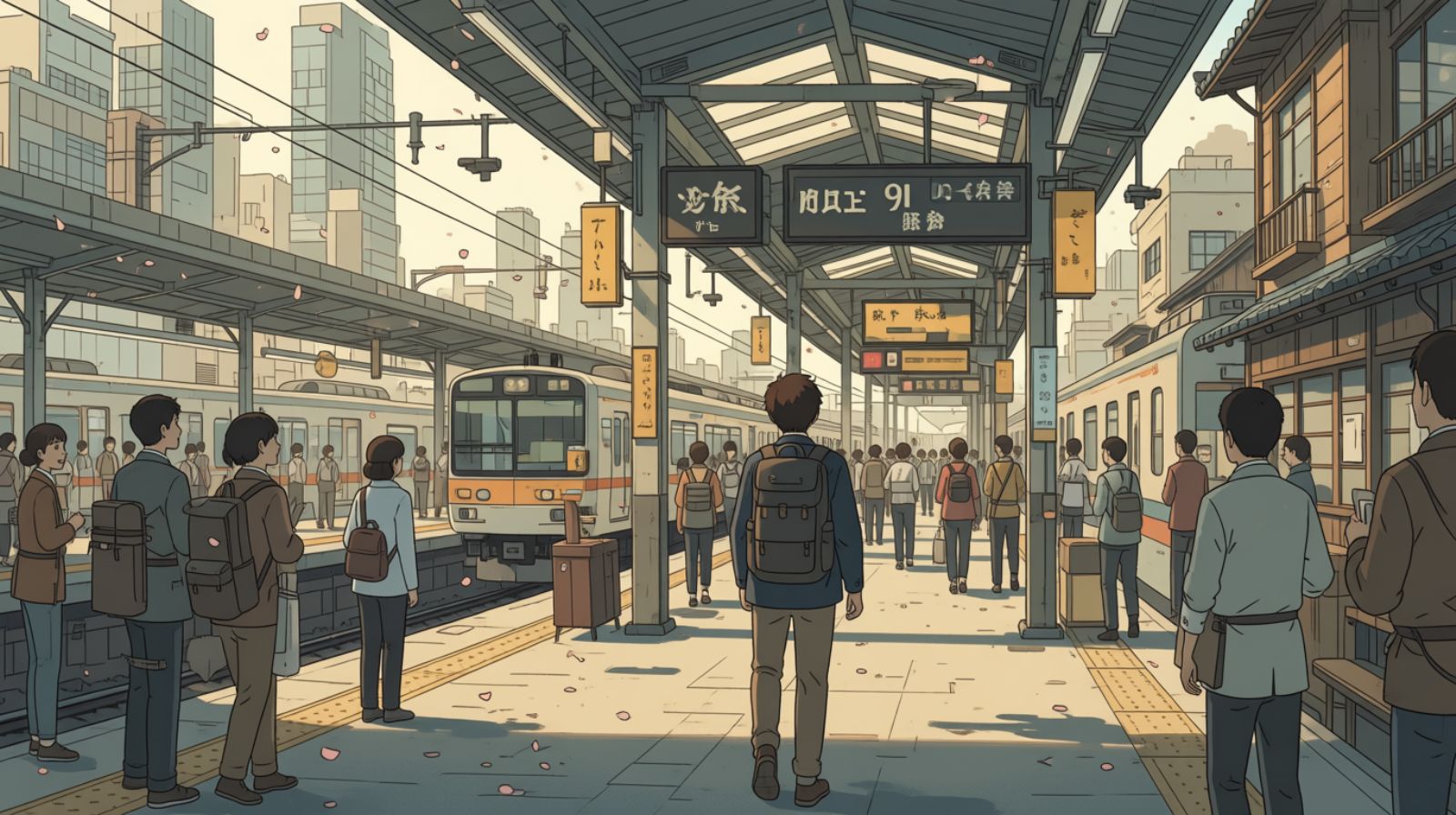
Station names are typically displayed in both Japanese and English.
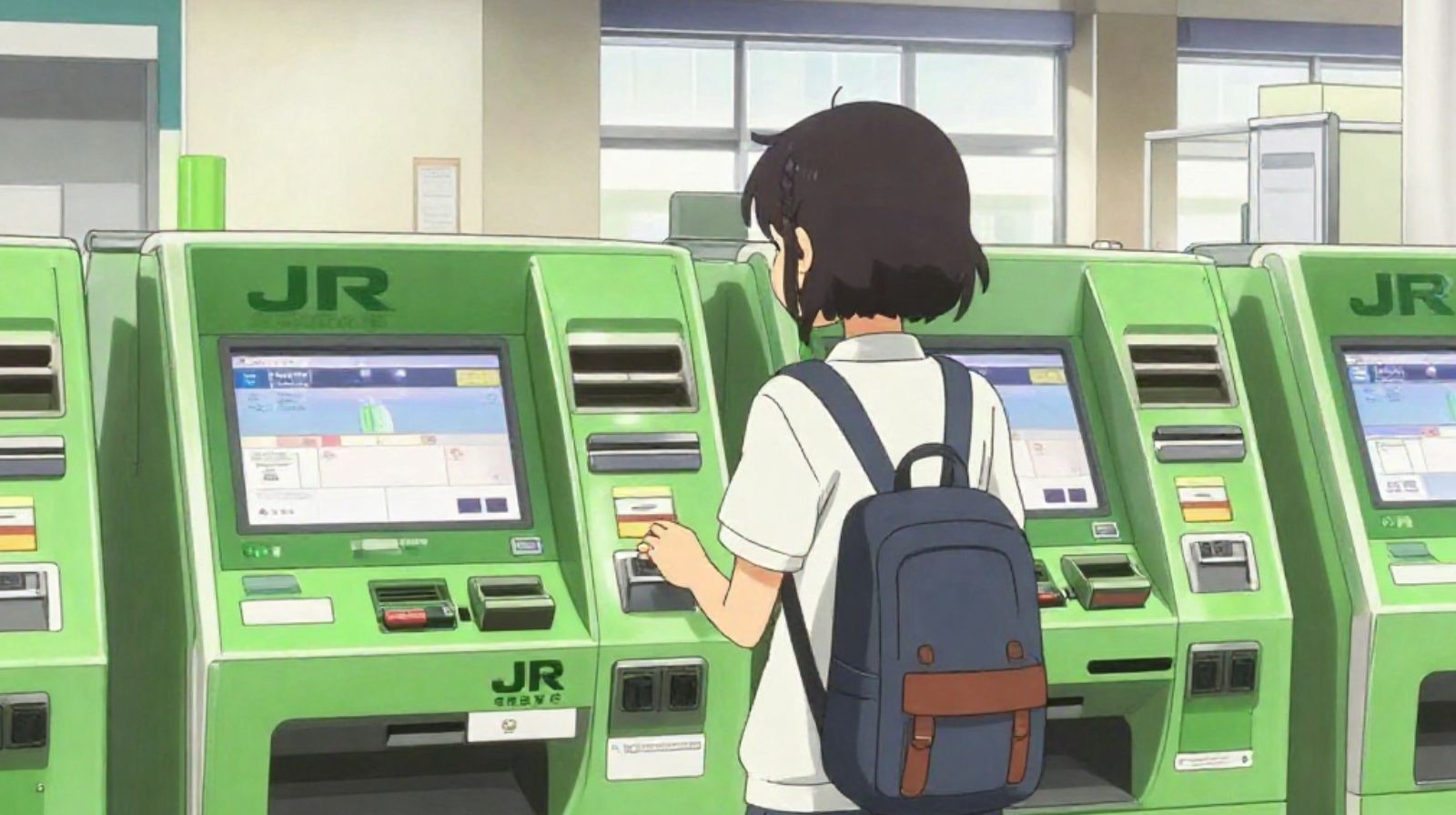
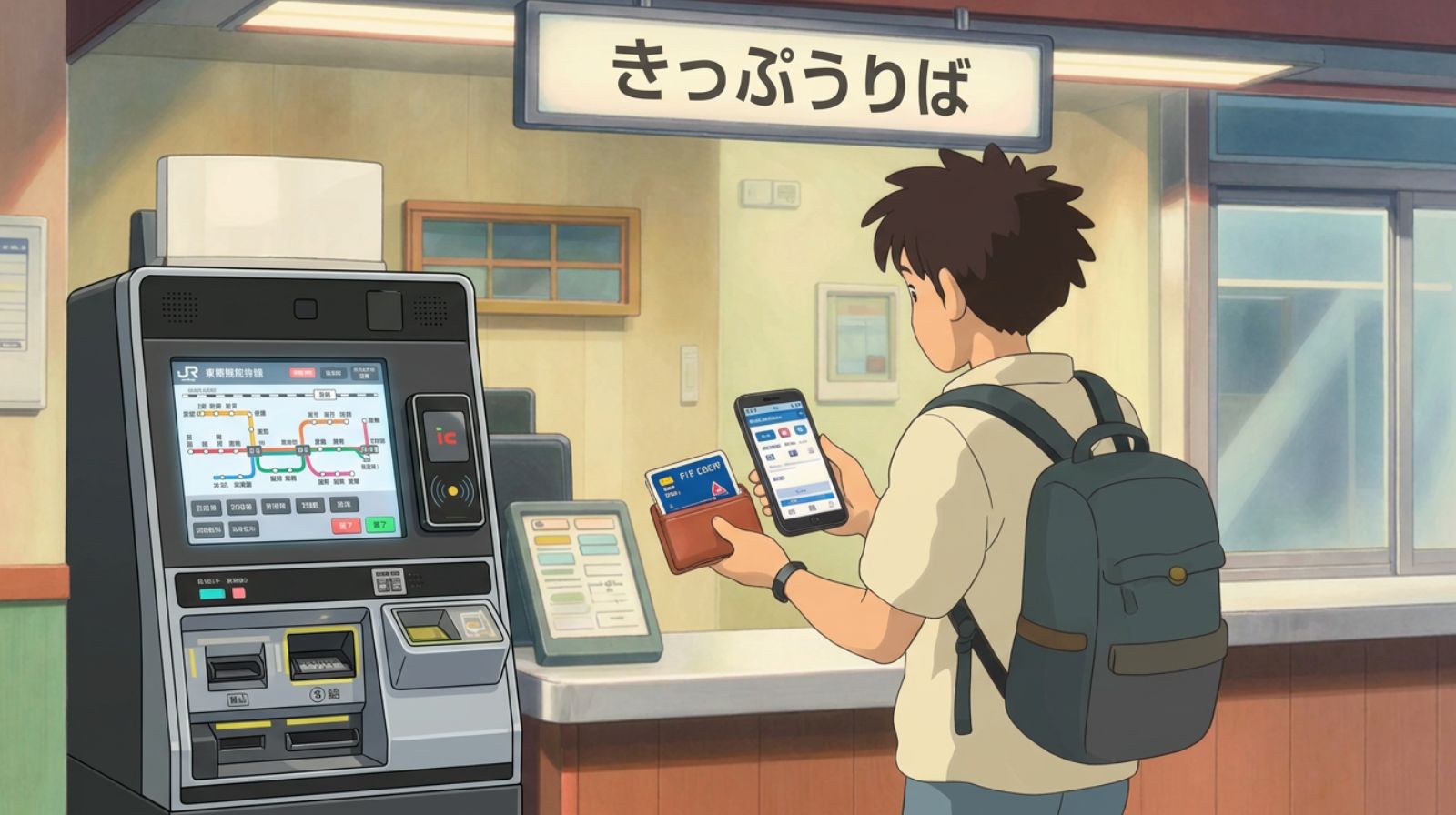
Many ticket machines offer multiple language options.
Tourist information centers often provide English assistance.
For visitors staying in Tokyo, Osaka, Kyoto, or other major destinations, daily travel is usually straightforward.
Where English May Be Limited
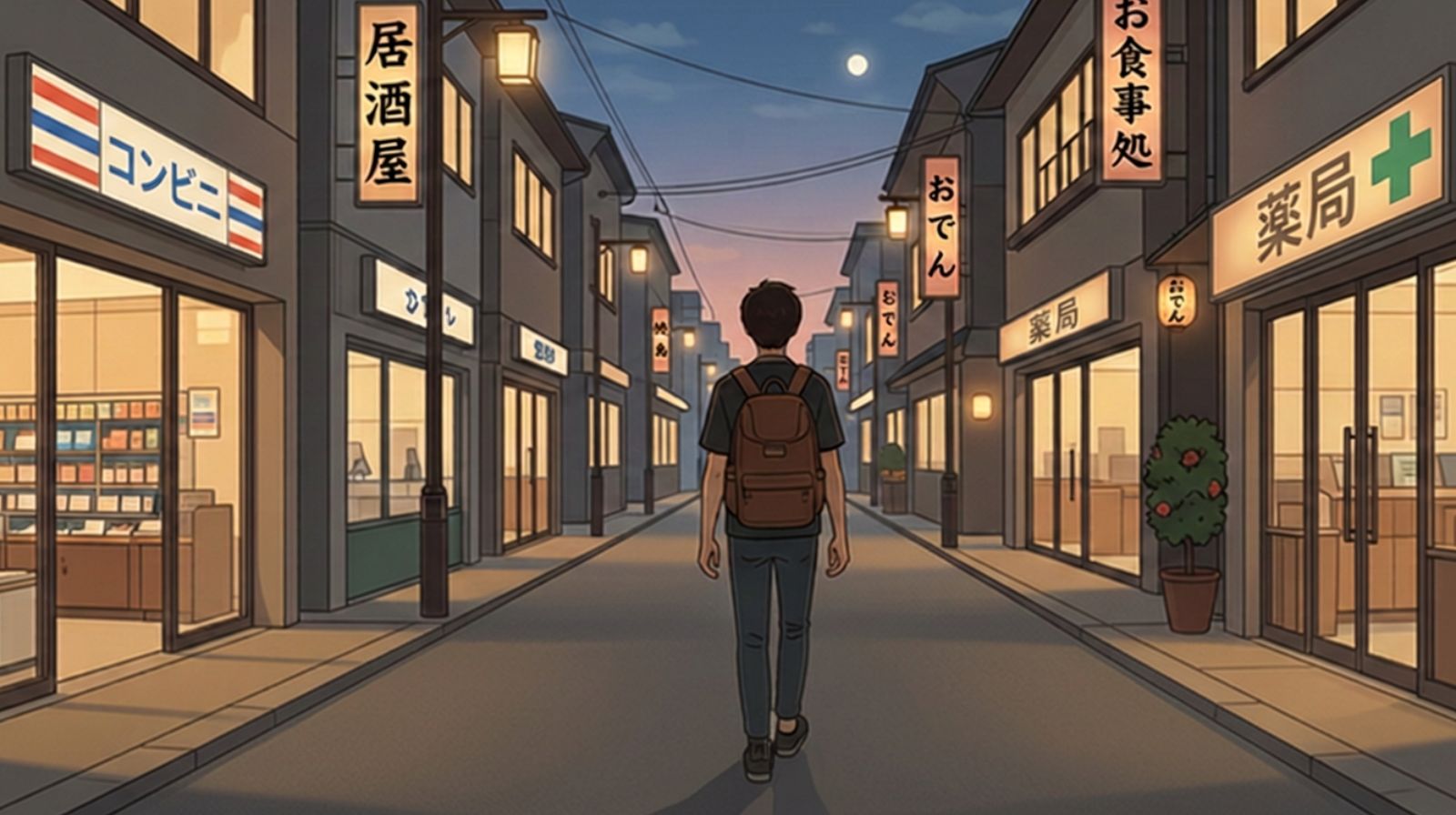
Outside major tourist areas, English becomes less common.
You may encounter limited English in:
- Small local restaurants
- Family-run businesses
- Neighborhood shops
- Traditional markets
- Rural towns and villages
This can sometimes feel intimidating at first.
However, it rarely prevents travelers from enjoying their experience.
Many everyday interactions require only a few words.
Pointing, gestures, maps, and translation apps are often enough.
English in Restaurants
Restaurants vary significantly.
Many establishments in tourist areas provide:
- English menus
- Picture menus
- Ordering tablets with multiple languages
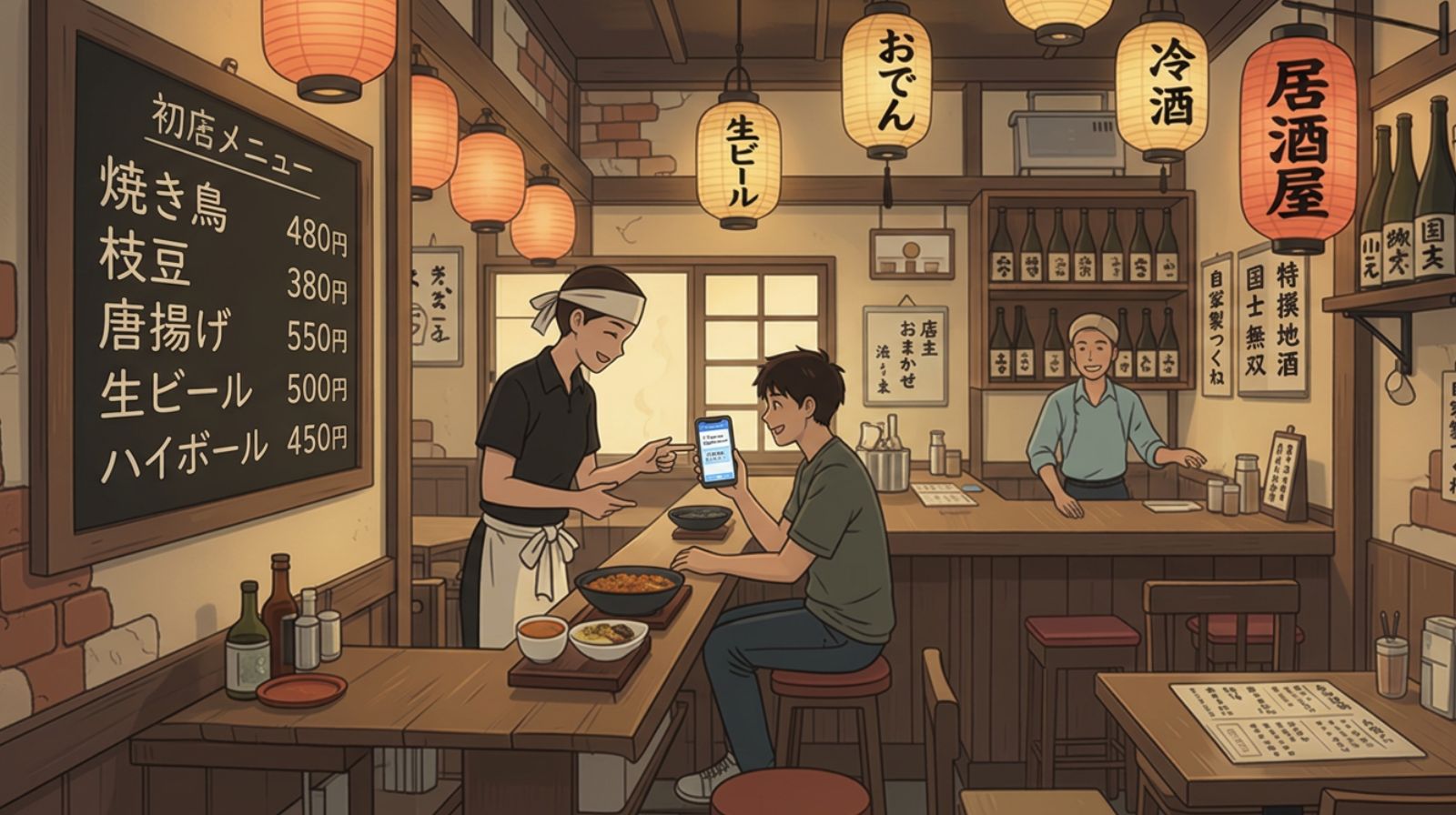
In local restaurants, English support may be more limited.
Fortunately, Japan is often easier than expected when ordering food.
Visual menus, food displays, and translation apps help bridge communication gaps.
Some travelers even discover their favorite meals by choosing dishes they cannot fully identify.
A little curiosity often leads to memorable experiences.
English on Trains and Public Transportation
Japan’s transportation system is designed to be accessible to visitors.
Most major stations provide:
- English signage
- English station names
- Multilingual ticket machines
- Route information in multiple languages
Announcements on major train lines often include English as well.
Many travelers find transportation much easier than expected once they begin using it.
Navigation apps further simplify the process.
Even visitors with no Japanese ability can usually travel confidently throughout major cities.
English in Hotels and Accommodations
Hotels that regularly welcome international visitors typically provide English support.
Many staff members can assist with:
- Check-in procedures
- Local recommendations
- Transportation questions
- Basic travel information
However, not every accommodation operates in the same way.
Smaller properties and local accommodations may offer more limited English communication.
In these situations, translation apps can be extremely helpful.
Fortunately, hospitality often matters more than language ability.
Many hosts will do their best to assist visitors, even when communication requires extra effort.
Can You Explore Local Japan Without Japanese?
Absolutely.
Many visitors assume they should stay only in famous tourist districts because of language concerns.
In reality, some of Japan’s most rewarding experiences can be found outside the busiest areas.
- A neighborhood café.
- A local shopping street.
- A family-run restaurant.
- A small regional town.
- A traditional market.
These experiences may involve fewer English speakers, but they often provide a deeper glimpse into everyday life in Japan.
Language barriers occasionally exist, yet kindness and patience frequently bridge the gap.
Technology Makes Communication Easier Than Ever
Traveling in Japan today is very different from traveling twenty years ago.
Modern technology has dramatically reduced communication challenges.
Popular tools include:
- Google Translate
- Apple Translate
- DeepL Translator
- Google Maps
These apps can help visitors:
- Read signs
- Translate menus
- Understand product labels
- Ask simple questions
- Navigate unfamiliar areas
Technology cannot eliminate every language barrier, but it can make travel significantly easier.
Useful Japanese Phrases for Travelers
You do not need to become fluent.
However, learning a few simple expressions can be helpful.
- Arigatou gozaimasu (Thank you)
- Sumimasen (Excuse me / Sorry)
- Konnichiwa (Hello)
- Eigo wa hanasemasu ka? (Do you speak English?)
Even small efforts are often appreciated.
Many travelers find that attempting a few Japanese words creates positive interactions.
Communication Is About More Than Language
One of the most surprising discoveries for many visitors is that meaningful communication does not always require shared language.
Travel often involves small moments.
- A station employee helping you find the right platform.
- A restaurant owner recommending a local specialty.
- A shopkeeper assisting with a purchase.
- A local resident helping with directions.
These interactions may involve only a few words.
Yet they often become lasting memories.
Communication is not only about vocabulary.
It is also about openness, patience, and a willingness to connect.
Don’t Let Language Concerns Limit Your Trip
Some travelers hesitate to explore beyond famous tourist areas because they worry about communication.
That is understandable.
However, language should not prevent you from experiencing a different side of Japan.
Many memorable experiences happen in places where English is less common:
- Residential neighborhoods
- Local shopping streets
- Regional towns
- Traditional restaurants
- Community festivals
These moments often become the stories people remember long after returning home.
Curiosity and flexibility are usually more important than language ability.
Traveling Japan Is Easier Than You Think
English is not spoken everywhere in Japan.
That is true.
Yet millions of visitors successfully travel throughout the country every year without speaking Japanese.
Signs are increasingly multilingual.
Transportation is visitor-friendly.
Translation apps are powerful.
And local people are often willing to help.
Rather than focusing on what you cannot say, focus on what you want to experience.
You may discover that exploring Japan is far easier than you imagined.
Ready to Explore More of Japan?
Language should never be the reason you miss out on a memorable experience.
Whether you’re visiting Tokyo, Osaka, Kyoto, or a smaller regional destination, a willingness to explore will take you much further than perfect language skills.
Some of the most rewarding moments happen when you step beyond the places everyone already knows.
Travel with curiosity, stay open to unexpected encounters, and discover a different side of Japan.
Related Guides
- Can You Travel Japan Without Speaking Japanese?
- How Much English Is Spoken in Japan?
- Is Japan Safe for Foreign Travelers?
- Japanese Etiquette Every Visitor Should Know
- How to Use Trains and Subways in Japan
- How to Pay for Train Travel in Japan
- How to Use IC Cards in Japan
- How to Buy Shinkansen Tickets in Japan
- How to Use Taxis in Japan (Coming Soon)
- A Complete Guide for First-Time Visitors to Japan
- What to Expect on Your First Trip to Japan