Start With the Tokyo You Want to Experience
Tokyo has famous sights, but it does not have a single historic center or one obvious route that every visitor should follow. A temple morning in Asakusa feels very different from an evening in Shibuya, a museum day in Ueno, or a quiet afternoon among the bookshops of Jimbocho.
That is why it helps to plan with an “Area Day.” An Area Day is not an official district or a rigid itinerary. It is a practical group of places that can fit into one satisfying day without turning the trip into a race between stations.
For most first-time visitors, the most reliable starting point is one main area group per full day. You can spend the whole day exploring it slowly or connect two nearby neighborhoods if you prefer a busier pace. What matters is that the day has a clear geographic focus.
| Planning question | A practical starting point |
|---|---|
| How many areas should I see in one day? | One main area group; add a nearby area only if your pace and priorities allow it |
| How long should I stay in Tokyo? | Count the Area Days you want, then add arrival, departure, and day-trip time |
| Should I follow a fixed itinerary? | Use one as a reference, but build your own schedule from the areas that interest you |
| Is a slower day a waste? | No. One neighborhood can easily fill a day when you include meals, shops, parks, and unplanned discoveries |
If Tokyo is only one part of a longer journey, first decide what role it will play. You may want Tokyo to be your introduction to Japan, your main city stay, or a final stop before flying home. A broader first-time Japan guide can help you place the city within the rest of your route.
How Much of Tokyo Can You See in One Day?
Distance on a map is only part of the story. Tokyo stations can be large, the useful exit may be several minutes from the platform, and shops or restaurants may be spread across multiple floors. A day that looks light on a map can still involve a great deal of walking and decision-making.
Use the following pace as a starting point:
| Pace | What one full day usually looks like | Best for |
|---|---|---|
| Slow | One neighborhood or one major attraction plus its surrounding streets | Cafes, photography, shopping, families, repeat visitors, and anyone who dislikes rushing |
| Balanced | One main area group, often made up of one or two nearby neighborhoods | Most first-time visitors |
| Fast | Two area groups with a short, direct connection and a limited list of stops | Energetic travelers who are comfortable navigating cities |
The balanced pace is the safest default. It provides enough structure to see something meaningful while leaving room for lunch, station transfers, queues, weather changes, and the place you did not know you would want to enter.
Treat arrival and departure days separately. Even if your flight lands in the morning, immigration, luggage, airport travel, and hotel procedures can use much of the day. A good arrival plan is often one meal and a walk near your accommodation. A departure day may support a nearby breakfast or garden, but it should not carry a must-see attraction that would be painful to miss.
Choose Your Tokyo Area Days
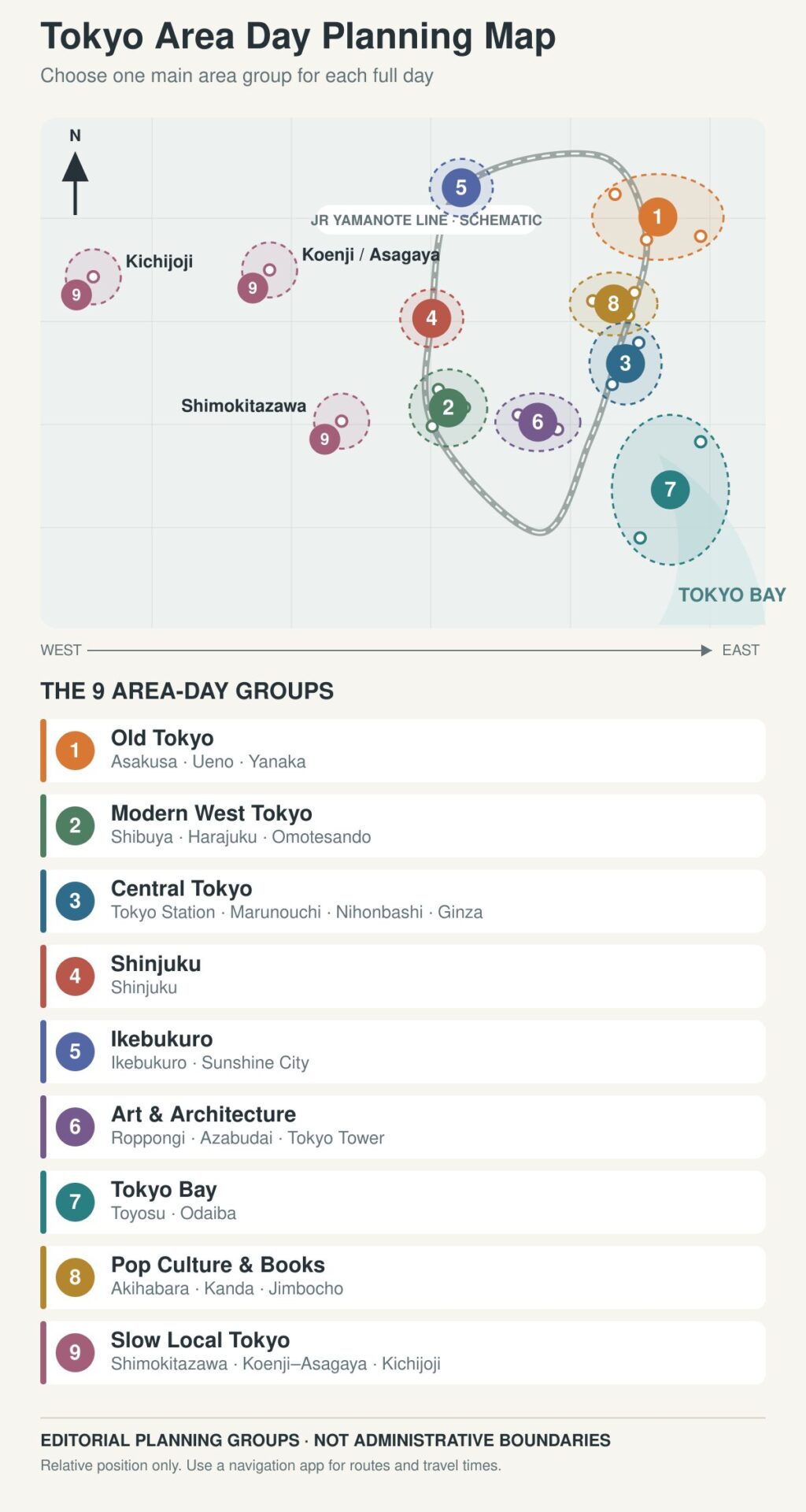
The following groups are designed for trip planning, not to define every boundary in Tokyo. Choose the experiences that matter to you first. You do not need to collect every famous neighborhood on a first visit.
| Area Day | Main places | Best for | Comfortable pace |
|---|---|---|---|
| Old Tokyo | Asakusa, Ueno, or Yanaka; optional Ryogoku or Tokyo Skytree | Temples, museums, traditional streets, an early start | One or two places, depending on museum time |
| Modern West Tokyo | Shibuya, Harajuku, Omotesando | Youth culture, fashion, architecture, evening energy | Two connected neighborhoods, with selective stops |
| Central Tokyo | Tokyo Station, Marunouchi, Nihonbashi, Ginza; optional Tsukiji | City architecture, shopping, food, convenient rail connections | Tokyo Station area plus one nearby district |
| Shinjuku | Shinjuku and its immediate surroundings | Gardens, skyline views, department stores, nightlife | One full day or a focused half day and evening |
| Ikebukuro | Ikebukuro and the Sunshine City area | Anime and character culture, department stores, indoor attractions | One focused day or a selective half day |
| Art and Architecture | Roppongi, Azabudai, Tokyo Tower area | Museums, contemporary architecture, city views | One major museum or complex plus its surroundings |
| Tokyo Bay | Toyosu, Odaiba | Waterfront views, family attractions, indoor experiences | One or two anchor attractions |
| Pop Culture and Books | Akihabara, Kanda, Jimbocho | Anime, games, electronics, books, specialist shopping | One long interest-led day or two focused half days |
| Slow Local Tokyo | Shimokitazawa, Koenji–Asagaya, or Kichijoji | Cafes, vintage shops, music, parks, ordinary neighborhood life | Choose one option and stay awhile |
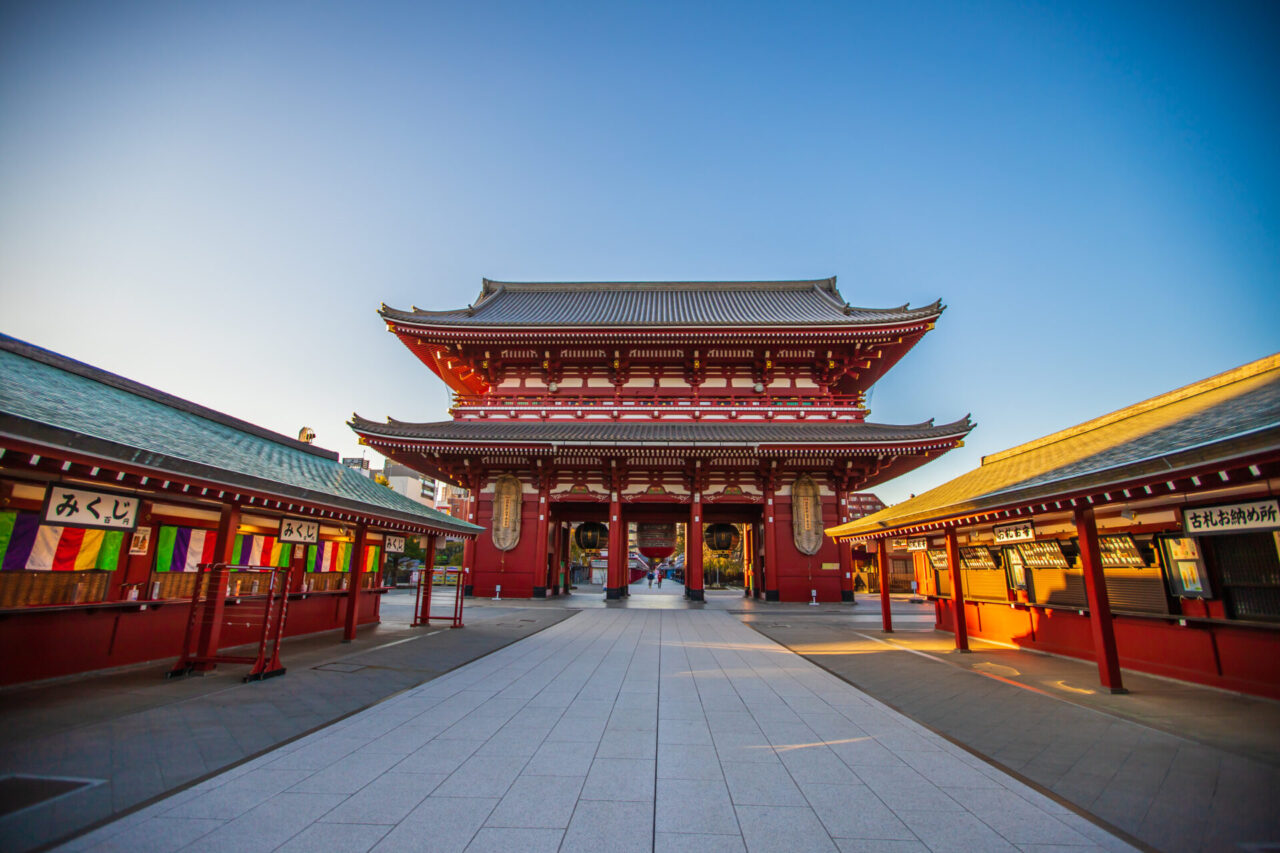
Old Tokyo: Asakusa, Ueno, or Yanaka
浅草 / Asakusa is a natural choice for a first look at older Tokyo. An early visit gives you time around Sensō-ji Temple before the busiest part of the day, followed by the surrounding shopping streets or a walk toward the river.
上野 / Ueno works especially well for museums, Ueno Park, and the lively streets around Ameyoko. A major museum can occupy several hours, so it is better to choose one carefully than to assume you can visit them all. 谷中 / Yanaka offers a gentler experience, with temples, small shops, residential streets, and a slower pace.
From Asakusa, choose another eastern extension. 両国 / Ryogoku adds sumo and Edo-period history, while 東京スカイツリー / Tokyo Skytree and Sumida add river views, shopping, and a skyline landmark. Treat either as an alternative to Ueno or Yanaka, not as one more stop after all three.
A balanced day might connect Asakusa and Ueno, Ueno and Yanaka, or Asakusa with one destination across the Sumida River. Trying to experience every option deeply in one day weakens the reason for visiting them in the first place.
Modern West Tokyo: Shibuya, Harajuku, and Omotesando
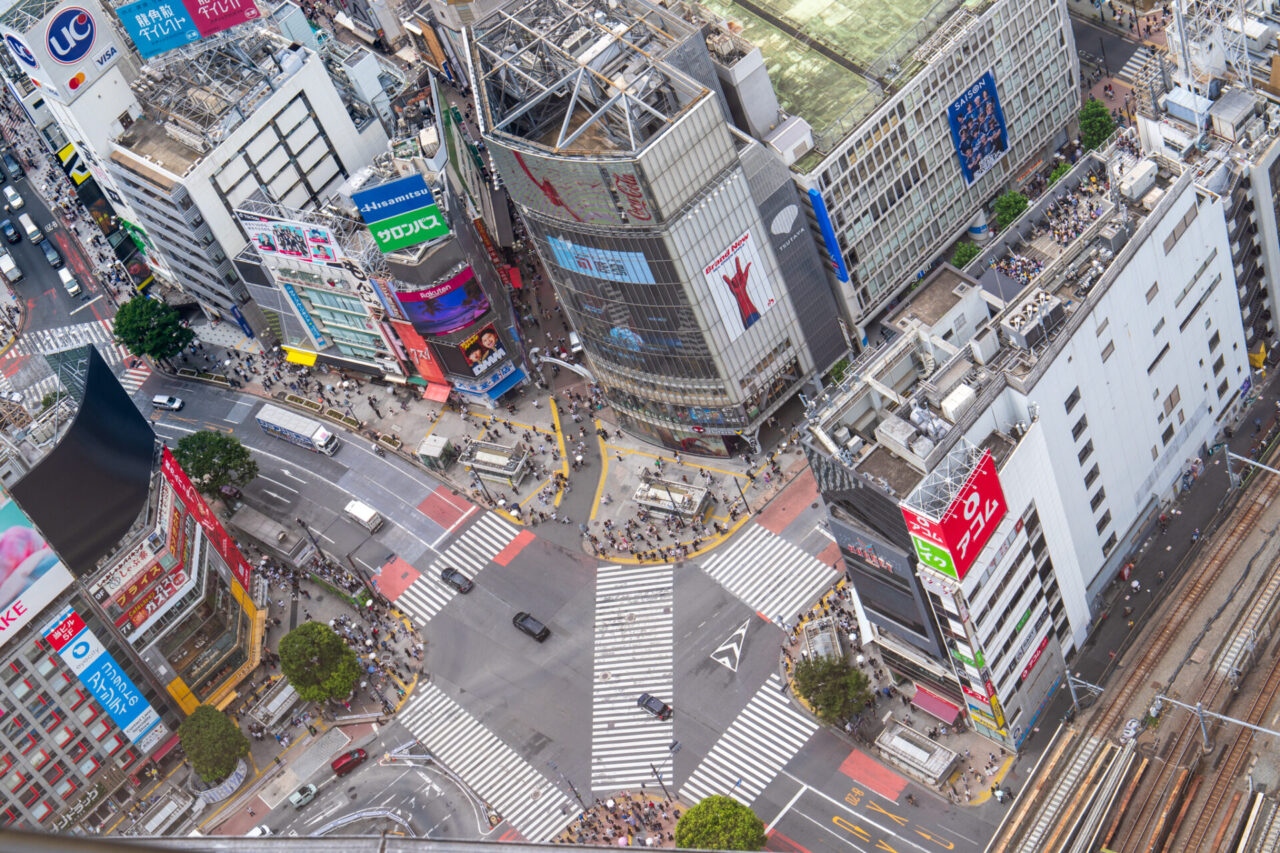
渋谷 / Shibuya, 原宿 / Harajuku, and 表参道 / Omotesando form one of Tokyo’s easiest area groups to understand. They are close enough to combine, but each offers a different version of modern Tokyo.
Shibuya brings large-scale city energy, shopping, dining, and a lively evening atmosphere. Harajuku ranges from crowded youth-fashion streets to the forested approach to Meiji Jingu. Omotesando adds contemporary architecture, galleries, and a more polished shopping environment.
Choose a few anchors rather than treating every famous street and observation point as mandatory. For a balanced day, begin around Harajuku or Omotesando and finish in Shibuya. Shinjuku may look like an easy addition, but it deserves its own time unless you only want a specific evening stop.
Central Tokyo: Tokyo Station, Marunouchi, Nihonbashi, and Ginza
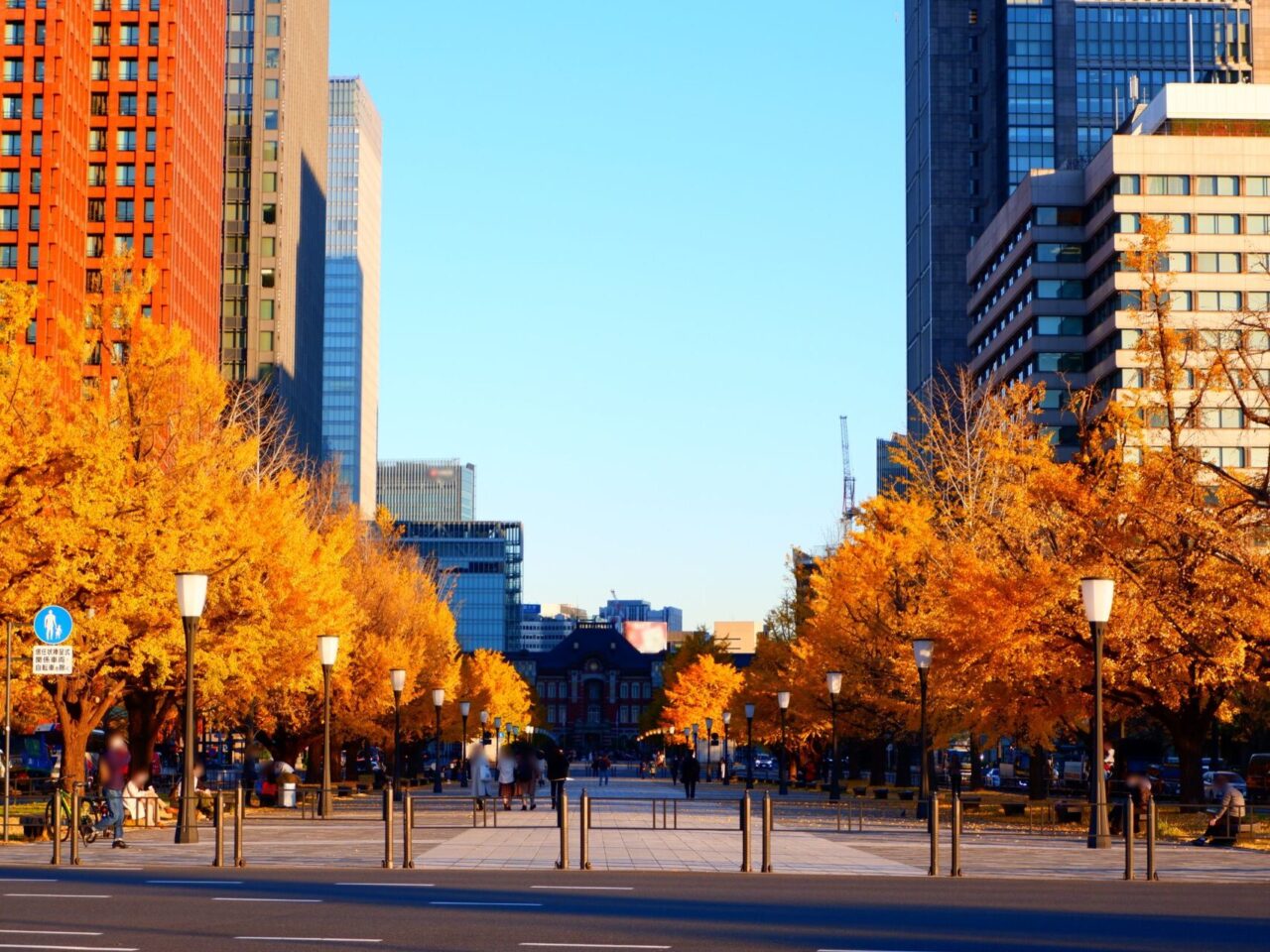
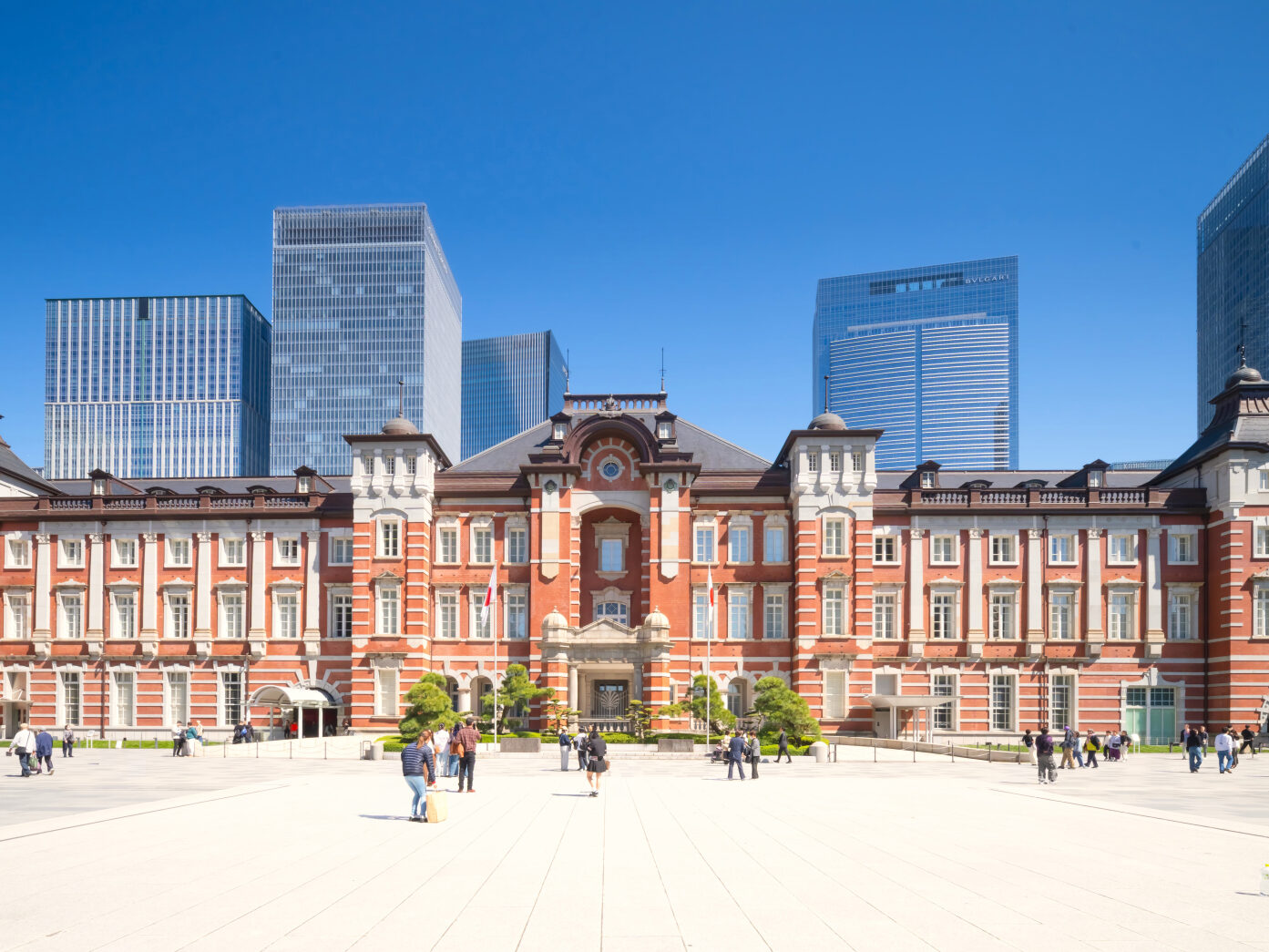
東京駅 / Tōkyō Station and Marunouchi make a strong introduction to Tokyo as a capital: restored red-brick architecture, broad business avenues, department stores, and the edge of the Imperial Palace grounds. Nearby 日本橋 / Nihonbashi has long-standing shops and commercial history, while 銀座 / Ginza is known for department stores, design, galleries, restaurants, and an evening glow that rewards unhurried walking.
築地 / Tsukiji is a food-focused morning option that pairs naturally with Ginza when market streets and breakfast or lunch matter more than covering Nihonbashi or Marunouchi.
This is not one small zone, despite how it appears on a rail map. A comfortable day usually combines Tokyo Station and Marunouchi with either Nihonbashi or Ginza, or pairs Tsukiji with Ginza. It also works on a long-distance train day, provided you leave enough time for luggage and the station itself.
Shinjuku
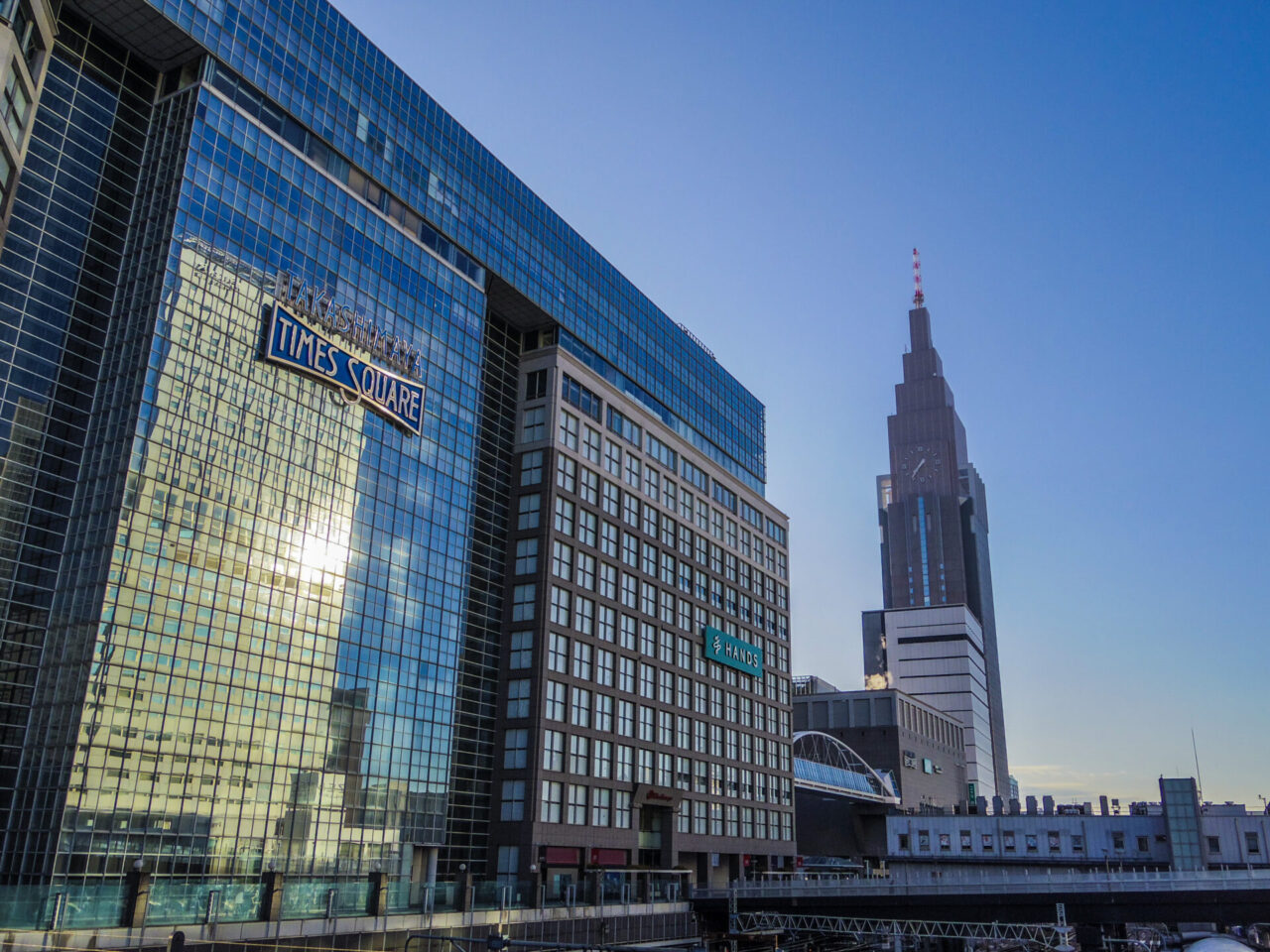
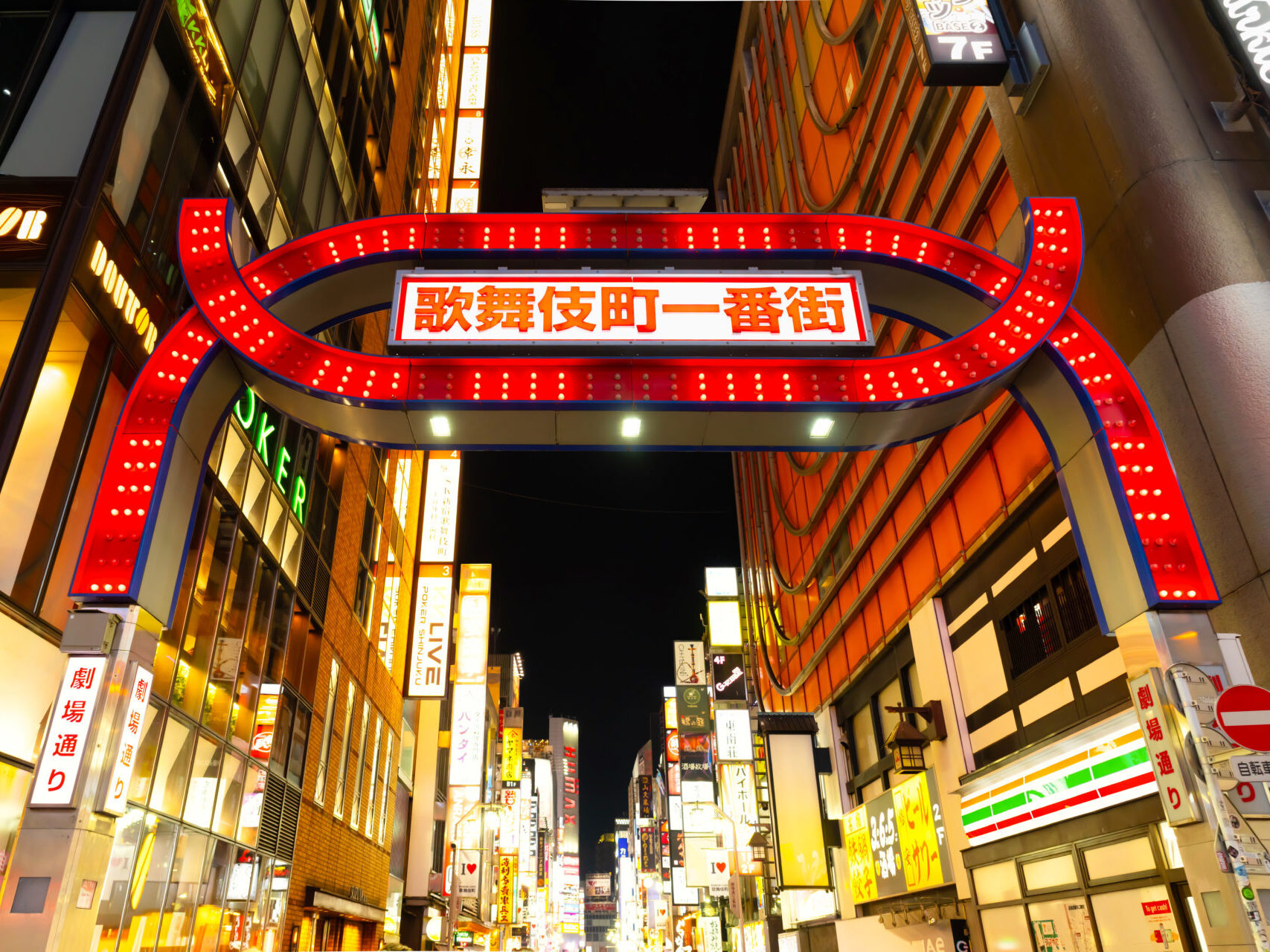
新宿 / Shinjuku can support an entire Area Day. Its different sides include a large garden, skyscrapers and observation spaces, major department stores, electronics shops, dense dining streets, and nightlife districts.
The station is part of the challenge. It is extremely useful, but meeting points and exits matter, and walking from one side to another can take longer than expected. Build the day around two or three priorities rather than repeatedly crossing the station.
Shinjuku is especially effective when the day changes character: a garden or shopping in daylight, a rest at the hotel if you are staying nearby, then dinner and city lights. It can also be a focused half day, but combining every side of Shinjuku with another major Tokyo district creates unnecessary travel.
Ikebukuro: Anime, Shopping, and Indoor Entertainment
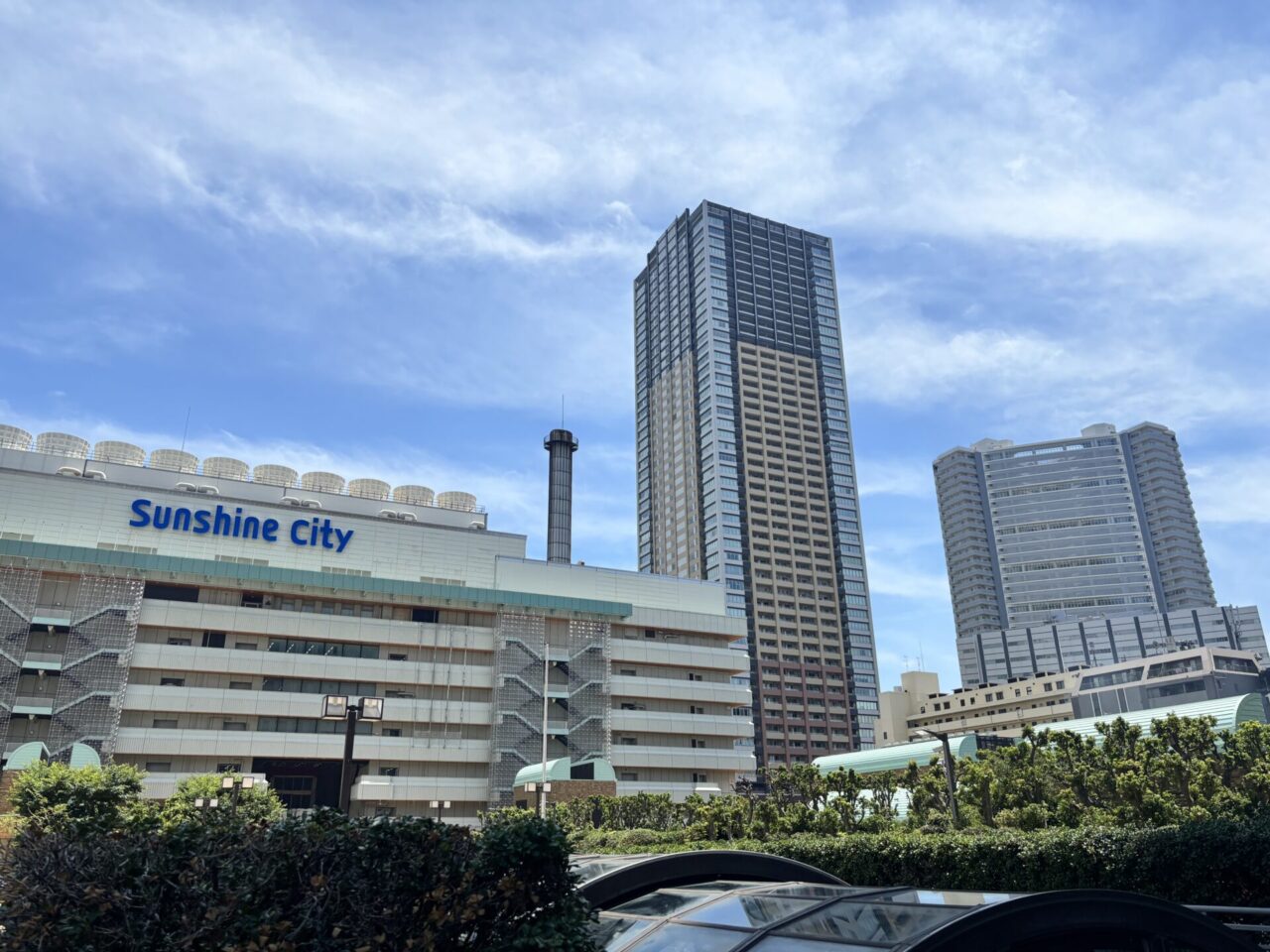
池袋 / Ikebukuro is one of Tokyo’s major transport, shopping, and entertainment hubs. It suits travelers interested in anime and character shopping, department stores, Sunshine City, and indoor attractions for hot, cold, or rainy weather.
Browsing or themed attractions can fill a focused day. For a lighter visit, choose one main attraction, allow time for lunch and shopping, and leave the rest flexible.
Although directly connected by train, Ikebukuro and Shinjuku are too large for quick stops. Choose according to your interests, or give each its own time on a longer stay.
Art and Architecture: Roppongi, Azabudai, and the Tokyo Tower Area
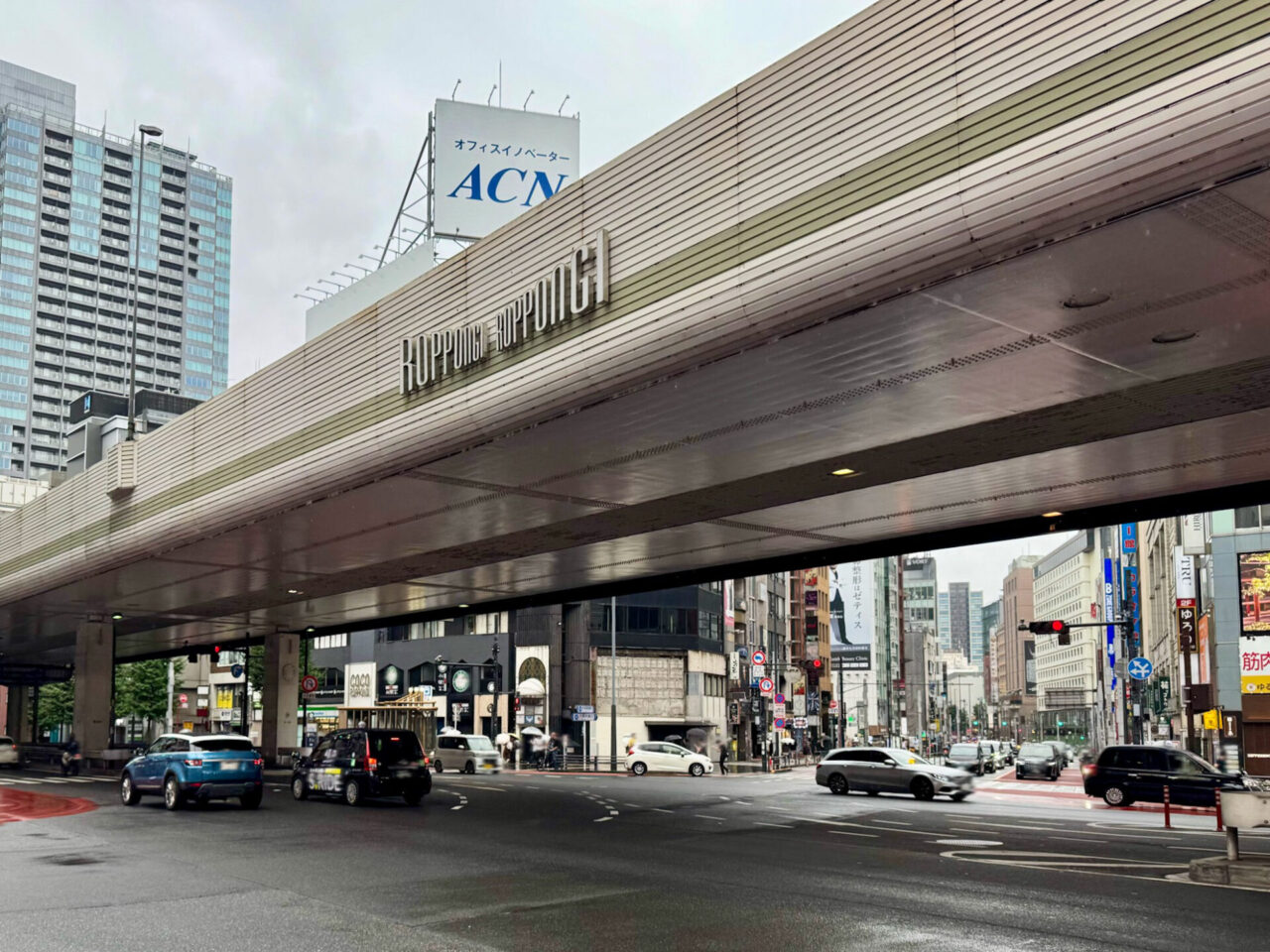
六本木 / Roppongi and nearby areas are useful for travelers who want contemporary art, ambitious architecture, landscaped urban complexes, and skyline views. This part of Tokyo is less about moving through a checklist and more about choosing a major museum, exhibition, or architectural destination and giving it enough time.
Azabudai, Roppongi, and the Tokyo Tower area can be connected, but opening days, exhibition schedules, timed tickets, and the amount of time you spend inside will shape the route. Pick one main indoor anchor, then add streets, gardens, a meal, or an evening view around it. Confirm current exhibition information directly with the venue before your visit.
Tokyo Bay: Toyosu and Odaiba
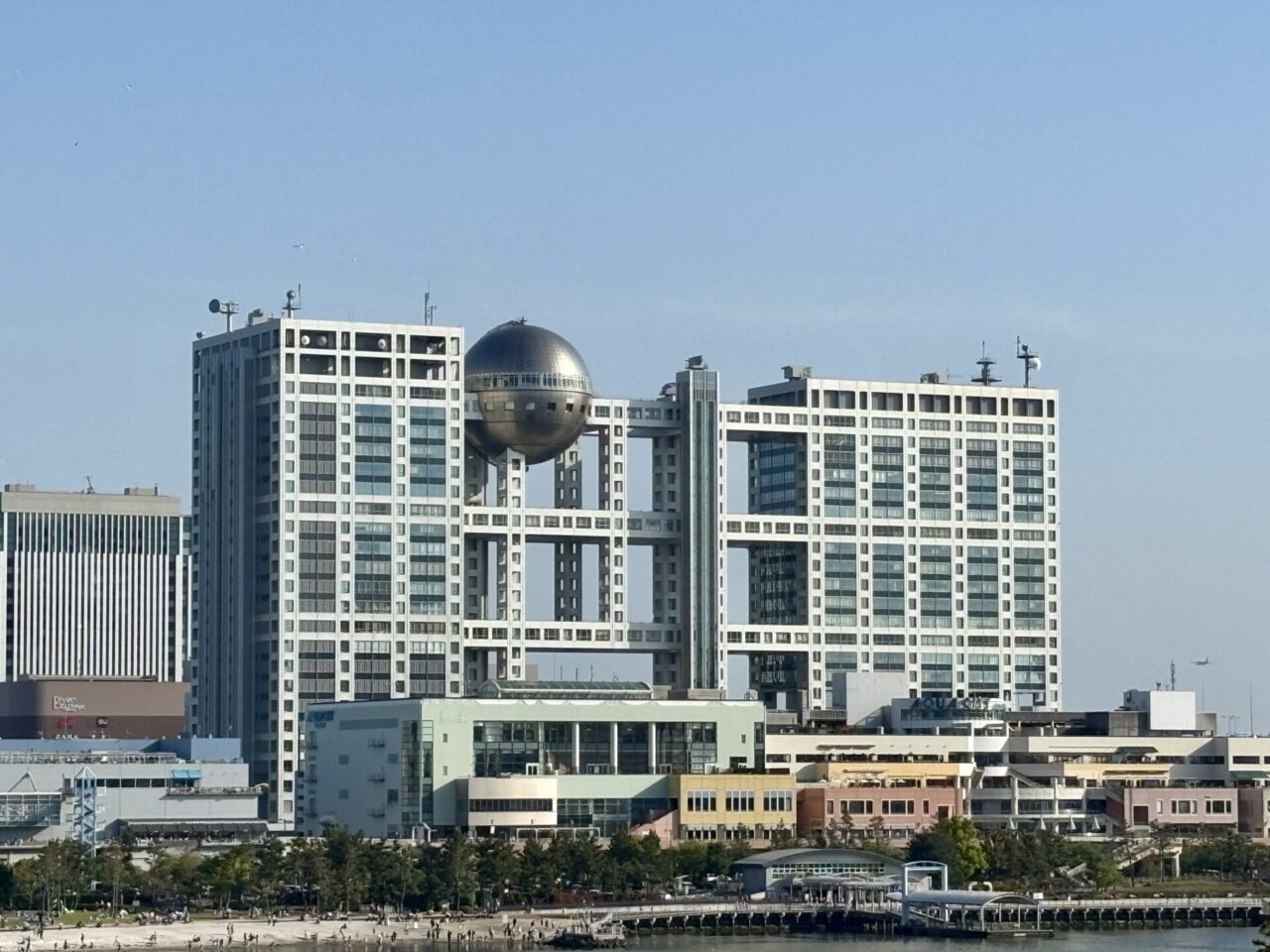
豊洲 / Toyosu and お台場 / Odaiba offer a more spacious waterfront side of Tokyo. The area suits families, rainy-day alternatives, modern entertainment, bay views, and travelers with a specific market, museum, digital-art, shopping, or leisure attraction in mind.
Because individual attractions can be large and some require timed entry, let one or two reservations shape the day. Do not assume that everything around Tokyo Bay is a short walk away; the water and transport layout make some connections longer than they appear. This Area Day is most worthwhile when at least one of its major experiences is a genuine priority for you.
Pop Culture and Books: Akihabara, Kanda, and Jimbocho
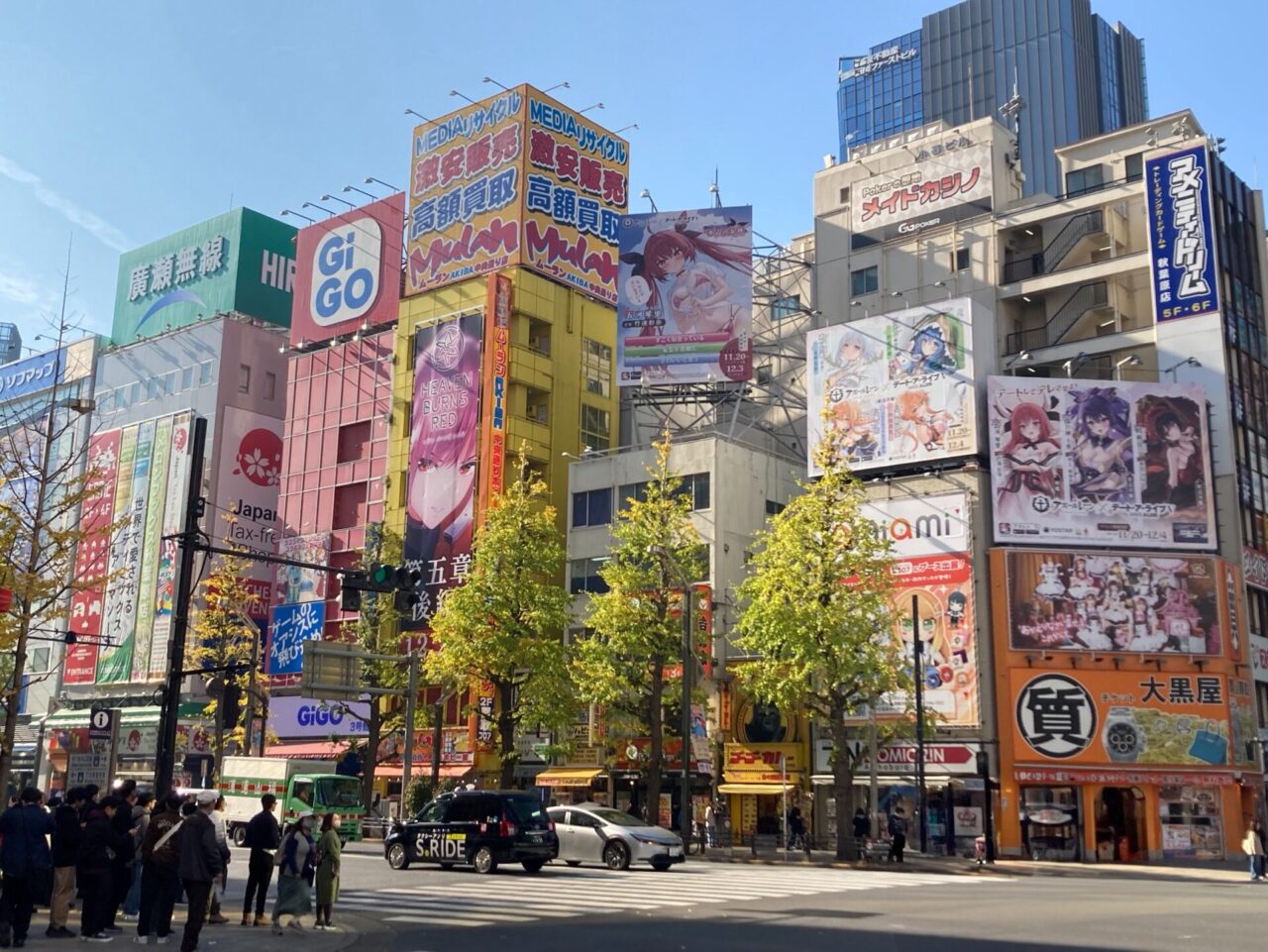
秋葉原 / Akihabara can be a short look or an all-day destination. The difference depends on whether you simply want to see the district or intend to browse specialist shops for games, electronics, figures, cards, or other collections.
Nearby 神田 / Kanda and 神保町 / Jimbocho add shrines, older commercial streets, curry shops, cafes, and one of Tokyo’s best-known book districts. They provide a calmer counterpoint to Akihabara and work well for travelers whose interests extend beyond the largest stores.
Allow time for browsing. Specialist shopping takes much longer than ordinary sightseeing, and a tightly scheduled route removes much of the pleasure of finding something unexpected.
Slow Local Tokyo: Choose One Neighborhood or Pair
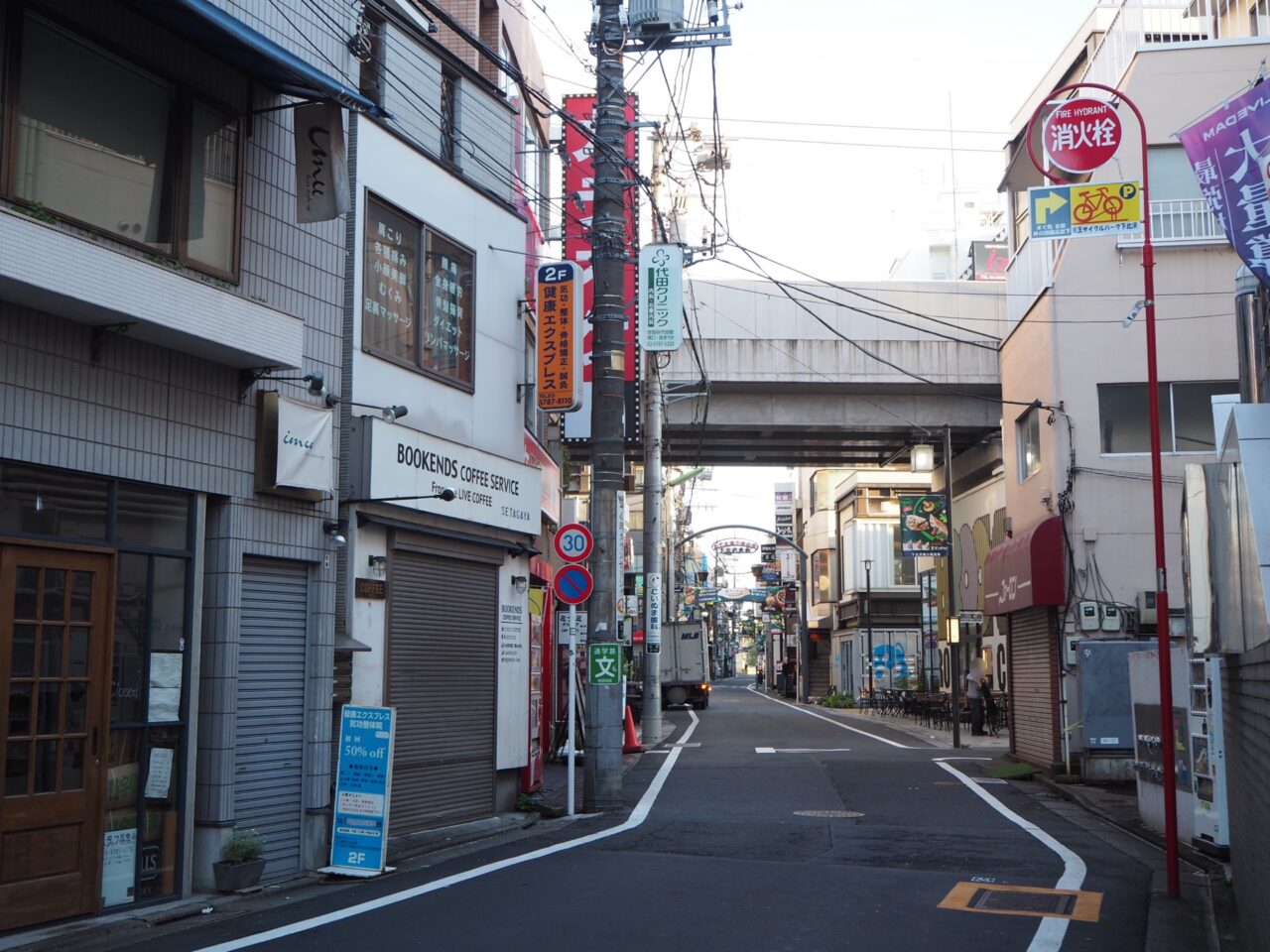
Not every Tokyo day needs a landmark. An area such as 下北沢 / Shimokitazawa, the neighboring 高円寺 / Koenji and 阿佐ヶ谷 / Asagaya pair, or 吉祥寺 / Kichijoji can fill a day with vintage shops, cafes, small music venues, local shopping streets, parks, and dinner.
Choose one option rather than attempting all three. Shimokitazawa suits travelers interested in youth culture, secondhand fashion, and cafes. Koenji and neighboring Asagaya can share one relaxed day: Koenji has an independent character shaped by vintage clothing and music culture, while Asagaya adds shopping streets, small cafes, neighborhood restaurants, and a more residential atmosphere. Kichijoji combines a busy local center with the green space around Inokashira Park.
These days work best when you stop measuring success by the number of sights. They give you time to notice how Tokyo feels between destinations, which is often what visitors remember most clearly.
Decide Your Tokyo Trip Length After Choosing the Areas
Once you have chosen your Area Days, the number of days becomes easier to decide. There is no universally correct length for Tokyo because a visitor interested in museums, fashion, food, and neighborhood walks needs a different schedule from someone using the city as a short gateway to Japan.
| Time available | A useful way to plan it |
|---|---|
| One full day | Choose the single Area Day that best matches your interests |
| Two full days | Choose two contrasting Area Days, such as Old Tokyo and Modern West Tokyo |
| Three full days | Add a third side of the city without increasing the pace of the first two days |
| Four or more full days | Add more Area Days, slow down your favorites, or reserve time for a day trip |
Count only usable full days at first. Add arrival and departure time afterward, and treat any trip outside Tokyo as a separate day. If you choose five Area Days but have only three full days, do not compress all five into the schedule. Rank them, keep the first three, and save the rest for a future visit.
The same logic works for a longer stay. You might choose four distinct Area Days and use a fifth day to return to the neighborhood you liked most. A Tokyo itinerary does not have to become more crowded simply because you have more time.
Where Should You Stay in Tokyo?
For most first-time visitors, one well-connected base is easier than changing hotels within the city. Tokyo’s rail network makes many areas accessible, while moving accommodation adds packing, luggage handling, and check-in time.
Choose your base after identifying your likely Area Days. The right neighborhood is not simply the one closest to the greatest number of attractions; it is the place that makes your mornings, evenings, airport transfer, and onward journey feel manageable.
| Base | Particularly useful for | Main trade-off |
|---|---|---|
| Tokyo Station / Marunouchi | Central-city access, business hotels, Shinkansen connections | Less neighborhood nightlife than Shinjuku or Shibuya |
| Ueno / Asakusa | Old Tokyo, an early temple visit, access toward Narita | Longer trips to some western districts |
| Shinjuku | Western Tokyo, nightlife, wide rail access, some regional departures | A large station and an intense urban environment |
| Shibuya | Modern West Tokyo, dining, shopping, late evenings | Busy streets and often higher accommodation demand |
| Ikebukuro | Northern and western Tokyo, wide rail connections, shopping, active evenings | A busy station and longer trips to some bayside and southeastern districts |
| Shinagawa / Hamamatsucho | Shinagawa for Shinkansen access; Hamamatsucho for Haneda via the Tokyo Monorail | Fewer classic sights immediately outside the hotel |
Also consider the experience outside sightseeing hours. Staying in Asakusa can make an early walk especially rewarding. Staying in Shinjuku or Shibuya keeps restaurants and city energy close after dark, while Ikebukuro offers another active base with useful connections for northern and western Tokyo. A smaller residential neighborhood may add local breakfasts and quieter evenings, but it can also require an extra train connection each day.
Before booking, check the walking route from the actual hotel to the useful station entrance—not only the name of the district. A property described as “near Shinjuku” may be convenient for one line and awkward for another.
Getting Around Tokyo Without Overcomplicating It
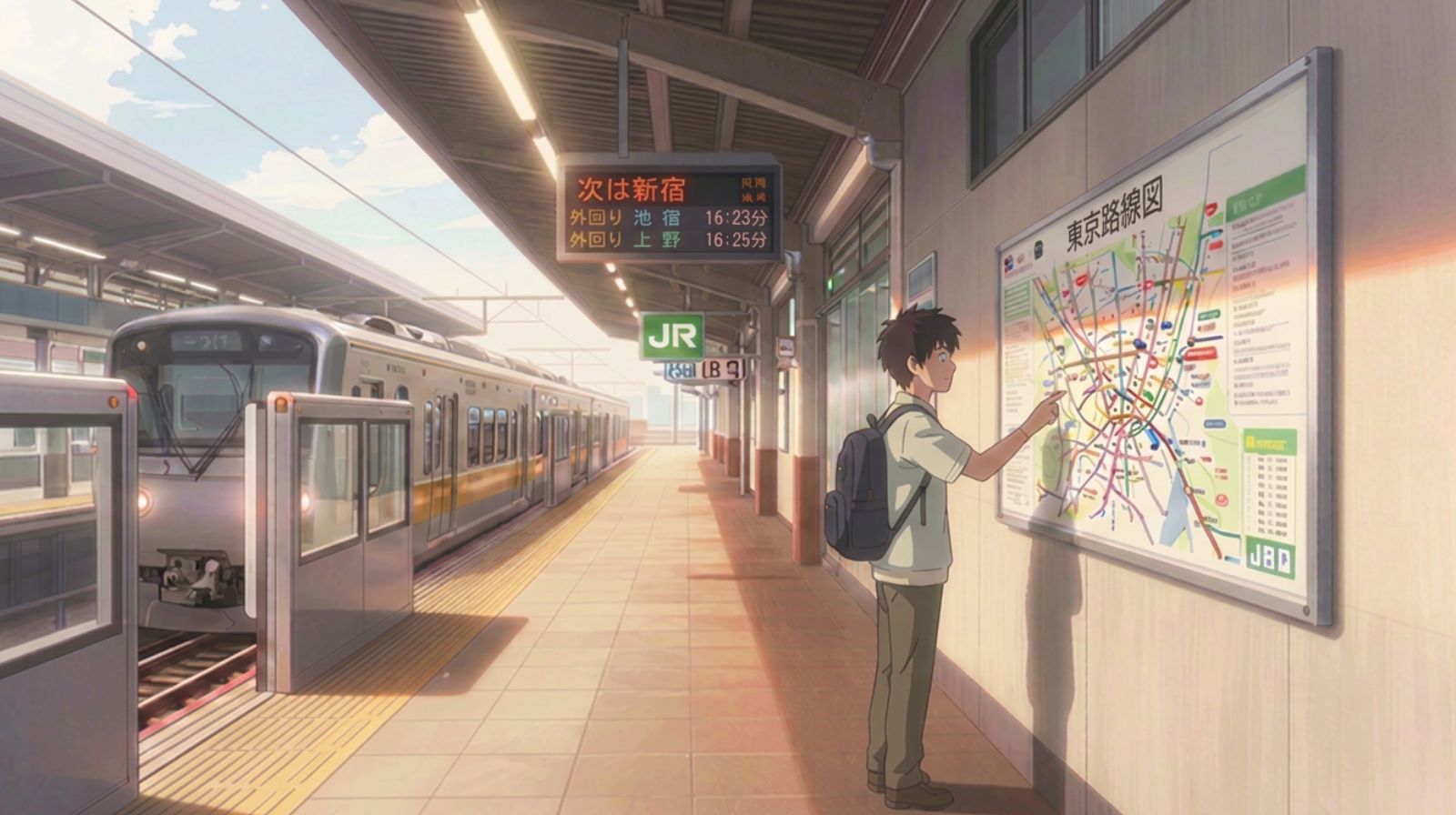
Trains and subways are the default way to cross Tokyo. Several companies operate the network, but visitors do not need to memorize the entire system. Plan one journey at a time and focus on the station, line, direction, platform, and exit.
An IC transit card is usually the simplest payment method for ordinary city travel because it works across many train, subway, and bus services. It does not make every ride cheaper, but it removes the need to calculate a separate ticket for each trip. Read the guide to Suica, PASMO, ICOCA, and mobile IC cards before deciding which format fits your phone and route.
When navigating:
- Confirm the station name and line before entering the gates.
- Check the direction by looking for a terminal station or major stations along the route.
- Leave time for transfers inside large stations.
- Note the exit number when your destination provides one.
- Use elevators or fewer transfers when carrying luggage, even if the route is slightly longer.
Tokyo transport passes can save money in the right circumstances, but they are not automatically the best choice. A pass may cover only particular operators, while your planned journeys may use a mixture of lines. Build a rough route first, then compare the coverage rather than buying a pass simply because it is marketed to visitors.
The guide to trains and subways in Japan explains the wider system in more detail. Taxis are useful with luggage, in heavy rain, late at night, or when walking and transfers are difficult, but rail is normally more predictable for longer journeys across the city.
Arriving from Haneda or Narita Airport
Tokyo has two principal international gateways: 羽田空港 / Haneda Airport and 成田国際空港 / Narita International Airport.
Haneda is closer to central Tokyo and is connected by the Keikyu Line and Tokyo Monorail. Narita is farther away and has JR and Keisei rail services, as well as airport buses serving different parts of the city. The most convenient option depends on your accommodation, luggage, arrival time, and tolerance for transfers.
Do not search only for the fastest route to “central Tokyo.” Search for the simplest realistic route to your hotel. A direct airport bus or a train with fewer transfers may be easier than the theoretically fastest combination, especially after a long flight.
Check the official airport and operator information shortly before travel because timetables and service arrangements can change. If you land late, confirm the final connection before assuming that the daytime route will still operate.
Should You Add a Day Trip from Tokyo?
A day trip is worthwhile when it gives you an experience that matters more than another Tokyo Area Day. If you have only two or three full days and many Tokyo priorities, staying in the city is usually the more satisfying choice. If you have more time—or one destination is a major reason for your visit—reserve a separate full day.
Common choices include:
- Kamakura for temples, shrines, historical atmosphere, and the coast
- Nikko for richly decorated shrines and a mountain setting
- Hakone for hot springs, museums, and a change of landscape
- Lake Kawaguchiko for the possibility of Mount Fuji views
- Yokohama for a different waterfront city close to Tokyo
- Kawagoe for historic streets on a relatively simple outing
- Mount Takao for accessible hiking near the city
Mount Fuji requires especially clear priorities. Seeing the mountain, visiting the Fuji Five Lakes area, and climbing Mount Fuji are different trips. Views depend on weather, while climbing is seasonal and requires separate preparation. A day trip should therefore be selected for the whole destination, not only for the promise of one photograph.
Avoid placing a day trip immediately after a late arrival or before a tightly timed international departure. It is easier to enjoy when you can start early and return without worrying about a major connection.
Fit Tokyo Into a Wider Japan Itinerary
Tokyo often sits at the beginning or end of a wider Japan route. For the classic journey toward Kyoto and Osaka, the Tokaido Shinkansen is normally the most straightforward overland connection. The guide to buying Shinkansen tickets explains the main ticket choices and booking process.
Do not change Tokyo hotels for one night merely to be close to Tokyo Station unless it materially simplifies your departure. From many popular bases, reaching a Shinkansen station on the morning of travel is manageable. What matters more is leaving a buffer for the local train, navigating the station, buying food, and finding the correct platform.
If you are deciding where to go next, compare Osaka and Kyoto as travel bases before choosing the next stop. Tokyo to Kyoto is a sensible intercity travel day, but Kyoto is not a sensible day trip from Tokyo. Stay overnight so that the journey supports the trip rather than consuming it.
When Is the Best Time to Visit Tokyo?
Tokyo is a year-round destination, but the season changes how much you may want to walk and how tightly to schedule each day.
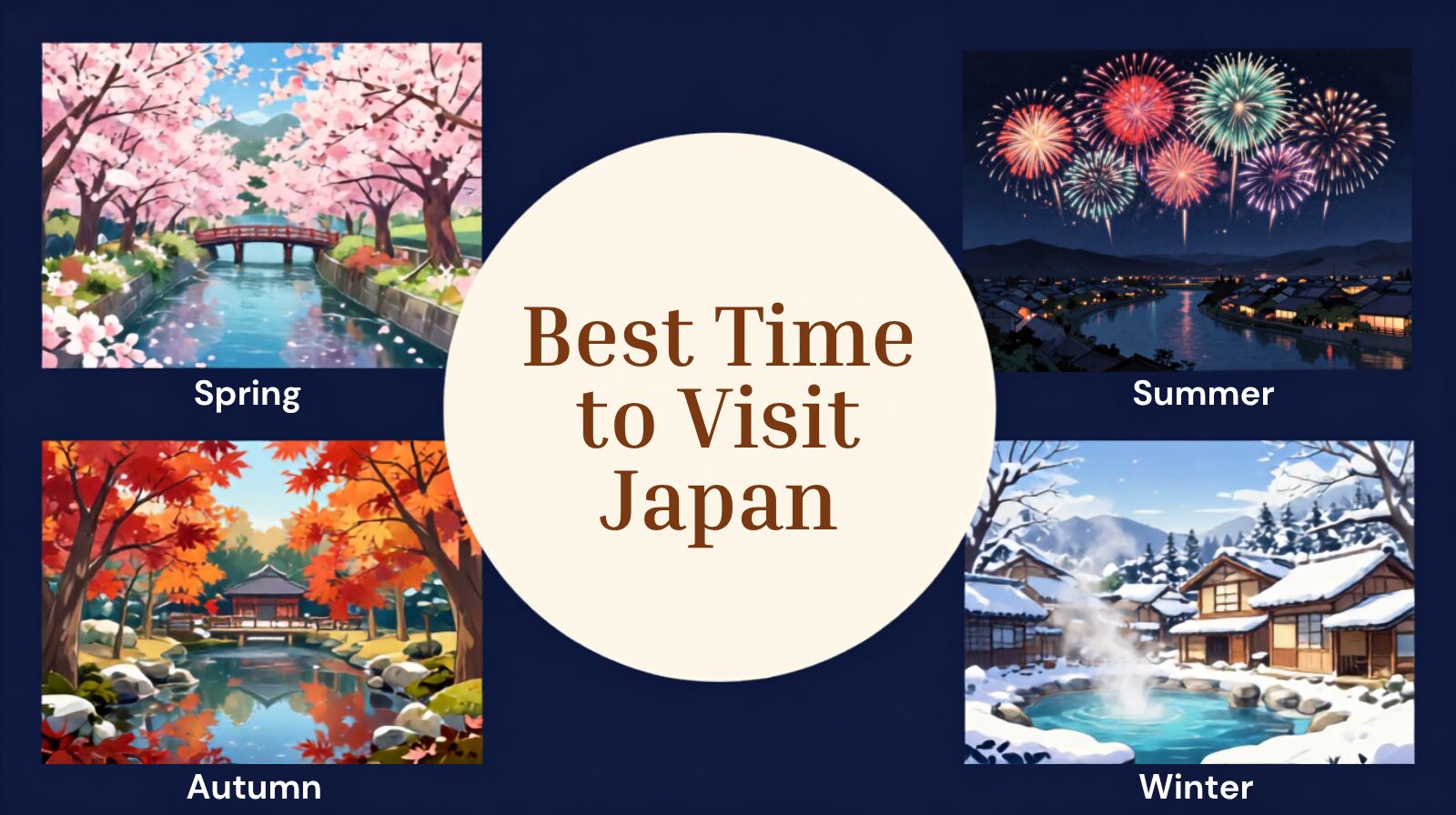
Spring and autumn often suit long neighborhood walks, although popular periods can bring heavier demand and crowds. Summer is hot and humid, so indoor stops, water, and a slower midday pace become important. Winter is generally cold and dry, with shorter daylight but many clear days and comfortable conditions for visitors who dress appropriately.
Weather can change the order of your Area Days. Keep at least one indoor-heavy option—such as museums, shopping, or a reserved attraction—that can move into a rainy or extremely hot day. A season-by-season Japan guide can help you compare Tokyo with the conditions elsewhere on your route.
If you are visiting Tokyo as part of a December trip, Japan in December explains what to wear, what to expect from snow, regional winter differences, and the additional planning needed in late December.
What to Book Before You Arrive
Book the parts of the trip that would be difficult to replace, while leaving ordinary neighborhood time flexible.
Accommodation should come after a rough choice of Area Days and onward travel. Reserve timed-entry museums, observation decks, digital-art experiences, theme parks, or restaurants only when they are central to your trip. Too many fixed reservations can turn minor train delays or weather changes into stress.
Long-distance trains may also deserve advance planning during busy travel periods, especially if you want a particular departure or seat arrangement. Ordinary local trains and subway services within Tokyo do not require reservations. The Japan trip preparation guide provides a broader checklist for the decisions to make before departure.
A useful balance is one fixed anchor on a busy day and freedom around it. If a museum begins at 1:00 p.m., spend the morning nearby rather than crossing Tokyo twice to fill the hours.
Common Tokyo Planning Mistakes
- Treating Tokyo as one compact center and underestimating travel within stations
- Adding neighborhoods because they are famous rather than because they match your interests
- Planning several distant districts on the same day
- Assuming every arrival or departure day is a full sightseeing day
- Changing hotels inside Tokyo without a strong practical reason
- Buying a transport pass before checking which operators the planned route uses
- Reserving so many attractions that meals and neighborhood walks become stressful
- Scheduling a day trip without adding a separate day for it
- Confusing a visit to the Mount Fuji region with climbing the mountain
- Leaving no free evening to revisit a favorite place or simply rest
The solution is not to research every detail. It is to make a few high-impact decisions in the right order: choose your Area Days, choose your pace, count the full days, select a practical base, and then add transport and reservations.
Leave Room for the Tokyo Between the Sights
Tokyo is often described through superlatives: the busiest crossing, the largest station, the newest observation deck, the most famous market. Those places may deserve a place in your trip, but they are not the whole experience.
The city also appears in the first customers entering a neighborhood cafe, the sound of a small shopping street, the order of bicycles outside a station, the evening walk back to your hotel, and the meal you chose because the window looked inviting. These moments need time that no attraction list can allocate for you.
Plan enough to remove avoidable confusion, then leave part of each Area Day unfinished. Tokyo rewards attention more than completion.
Frequently Asked Questions
- How many days do I need in Tokyo for a first visit?
-
Choose the Tokyo areas you most want to experience and allow roughly one full day for each main area group. Two or three full days can provide a meaningful introduction, while four or more allow greater variety, a slower pace, or a day trip. Arrival and departure days should be counted separately according to the actual usable hours.
- How many Tokyo neighborhoods can I visit in one day?
-
One main area group is a comfortable default. That may mean one large district, such as Shinjuku, or two nearby neighborhoods, such as Harajuku and Shibuya. Visit only one neighborhood if you want time for shopping, cafes, museums, photography, or a relaxed meal.
- Where is the best place to stay in Tokyo for a first-time visitor?
-
There is no single best district for everyone. Tokyo Station and Marunouchi suit onward rail travel, Ueno and Asakusa suit Old Tokyo, while Shinjuku, Shibuya, and Ikebukuro suit travelers who value wide rail connections and active evenings. Choose a hotel with a straightforward walk to a useful station and connections that match your planned Area Days.
- Is Haneda or Narita Airport better for Tokyo?
-
Haneda is closer to central Tokyo and is generally quicker to reach, but flight price, schedule, and your hotel location also matter. Narita has direct rail and bus connections to several major districts. A convenient flight to either airport can work well if you plan the transfer to your actual accommodation.
- Do I need a Suica or PASMO card in Tokyo?
-
An IC card such as Suica or PASMO is not mandatory, but it is usually the simplest way to pay for ordinary trains, subways, and buses. Availability and mobile compatibility can vary, so check the current options before travel rather than relying on an older guide or video.
- Is the Japan Rail Pass useful for travel within Tokyo?
-
It is not usually worth buying a nationwide pass for Tokyo travel alone. Tokyo routes often mix JR trains with subways and private railways, and a nationwide pass does not cover every service. Assess the pass from your full intercity route, not from local travel within Tokyo.
- Should I take a day trip from Tokyo on my first visit?
-
Add a day trip when you have enough time to give it a separate full day or when one destination is a major priority. If your Tokyo list is already longer than your available days, stay in the city and save the excursion for another trip.
- Can I visit Kyoto as a day trip from Tokyo?
-
Although the Shinkansen makes the cities well connected, Kyoto is not a good day trip from Tokyo. The round trip uses too much time and encourages a rushed visit. Travel there once, stay overnight, and continue your route from western Japan.
- Is Tokyo easy to visit without speaking Japanese?
-
Major stations and visitor areas generally provide useful English signs, but communication becomes easier when you keep addresses, station names, and reservation details available on your phone. Staff may understand more English than they are comfortable speaking, so simple questions, patience, and translation tools help. See how much English is spoken in Japan for practical communication advice.
Related Guides