How Should You Pay for Each Train Journey?
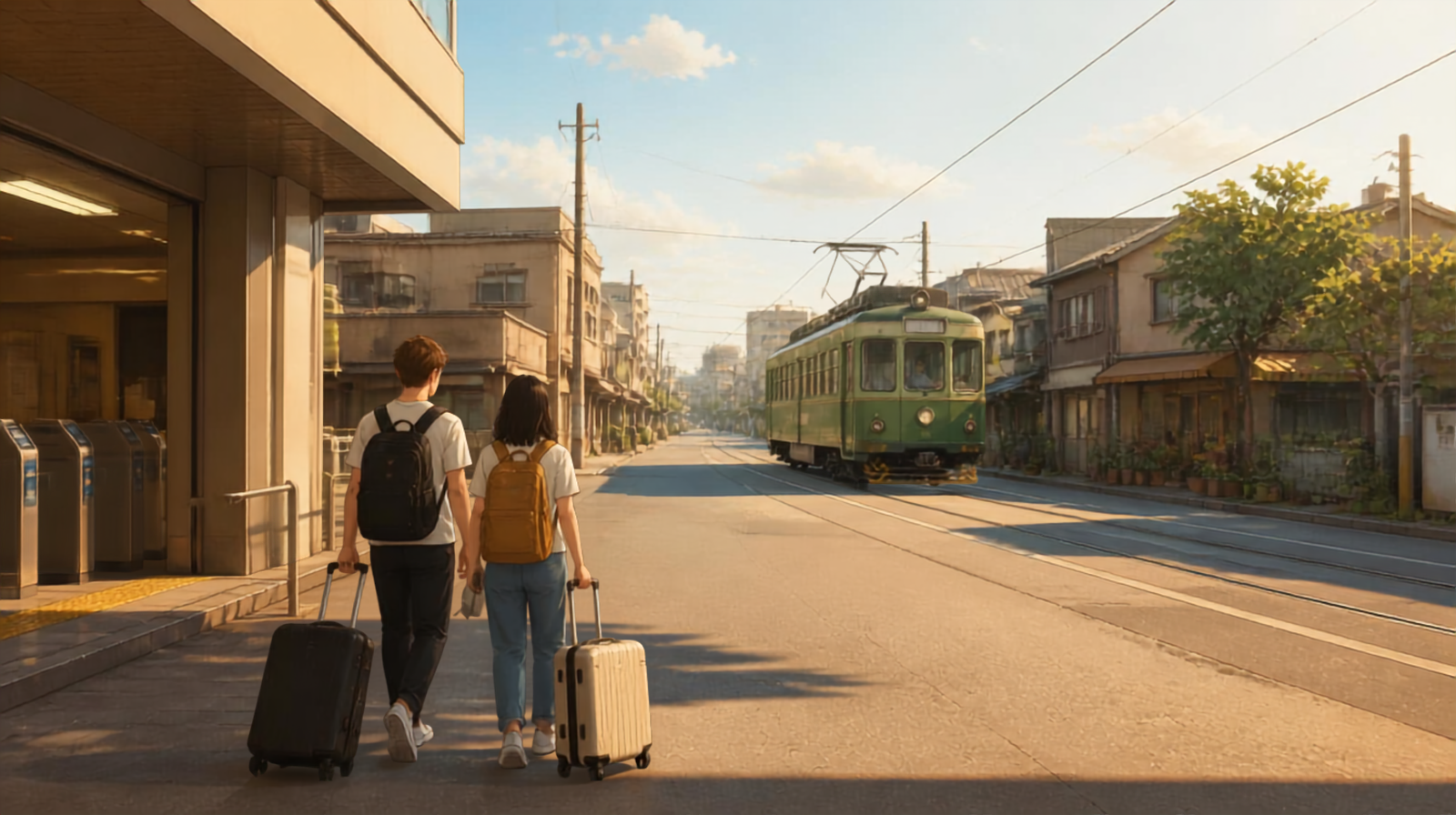
Choose the payment method by journey type rather than expecting one card or ticket to work everywhere.
| Journey | Best Starting Point | What to Confirm |
|---|---|---|
| Local train or subway in a major city | IC card | Keep enough balance and tap the same card or device when entering and leaving |
| One or two occasional local journeys | IC card or paper ticket | Buy the paper ticket before entering if you are not using an IC card |
| Shinkansen | Shinkansen ticket or reservation | A normal IC card balance does not automatically cover the Shinkansen fare |
| Limited express train | Basic fare plus the required limited express ticket or reservation | Check the train before boarding; an IC card may cover only the basic fare |
| Participating contactless railway | Contactless credit or debit card | Confirm that the complete route and any transfer are supported |
| Rural or one-man-operated train | Paper ticket or cash, depending on the operator | Follow local boarding instructions and take a numbered ticket if directed |
The Default Setup for Most Visitors
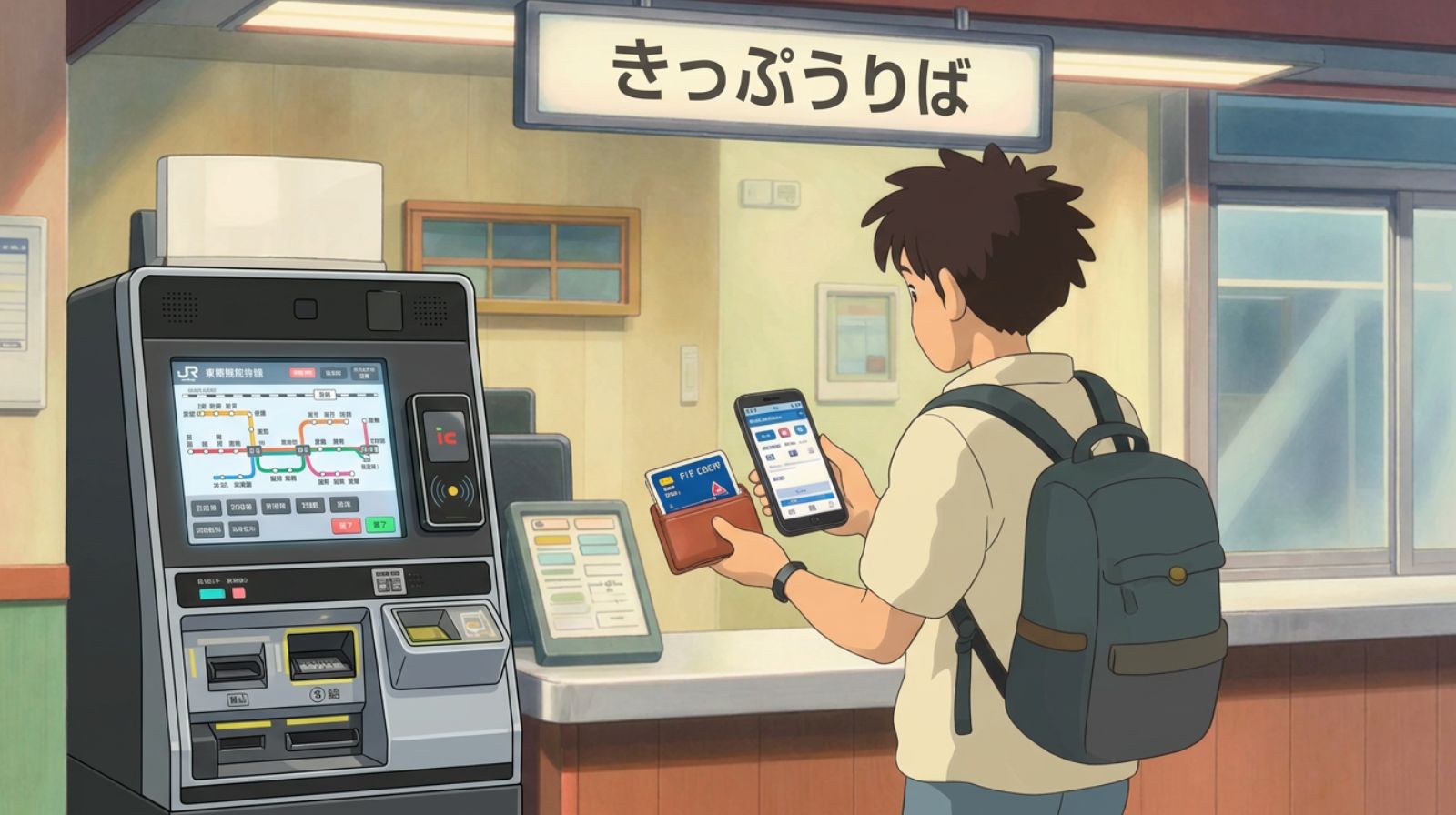
- Use an IC card for everyday local trains, subways, and participating buses.
- Buy or reserve the required ticket for Shinkansen and limited express journeys.
- Keep some cash for physical IC card top-ups, rural transport, and machines that may not accept your card.
- Carry a second payment card in case your main card is declined.
Can You Pay for Trains in Japan With a Credit Card?
Yes, in several situations. The important distinction is between buying a ticket with a credit card and tapping a contactless card directly at a ticket gate.
- Shinkansen and limited express tickets: Credit cards are commonly accepted at compatible machines, staffed counters, and official online reservation services.
- Local paper tickets: Acceptance depends on the operator and machine. Do not assume that every machine accepts an overseas-issued card.
- Direct payment at the gate: This works only on participating routes with contactless readers.
- Physical IC card top-ups: Japanese yen in cash remains the most reliable method.
Buying Tickets With a Credit Card
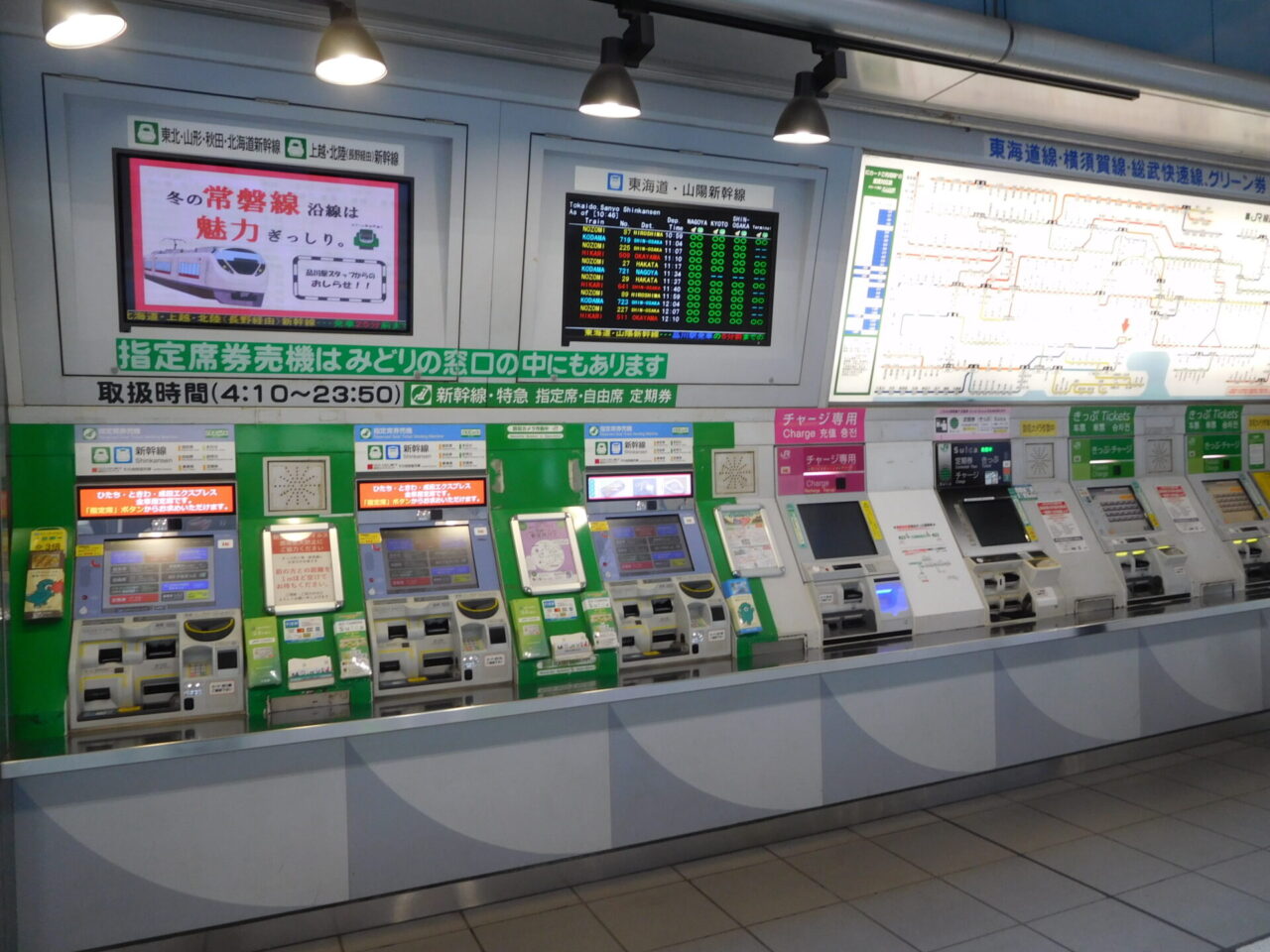
At major JR stations, compatible machines and staffed counters commonly accept credit cards for Shinkansen, limited express, and reserved-seat tickets. Official online reservation services also accept cards, although the correct service depends on the route and operating company.
Overseas-issued cards can still fail because of the card issuer, authentication, machine, or reservation service. If a payment is declined, try another card or buy the ticket at the station with an accepted payment method.
Tapping a Credit or Debit Card at the Gate
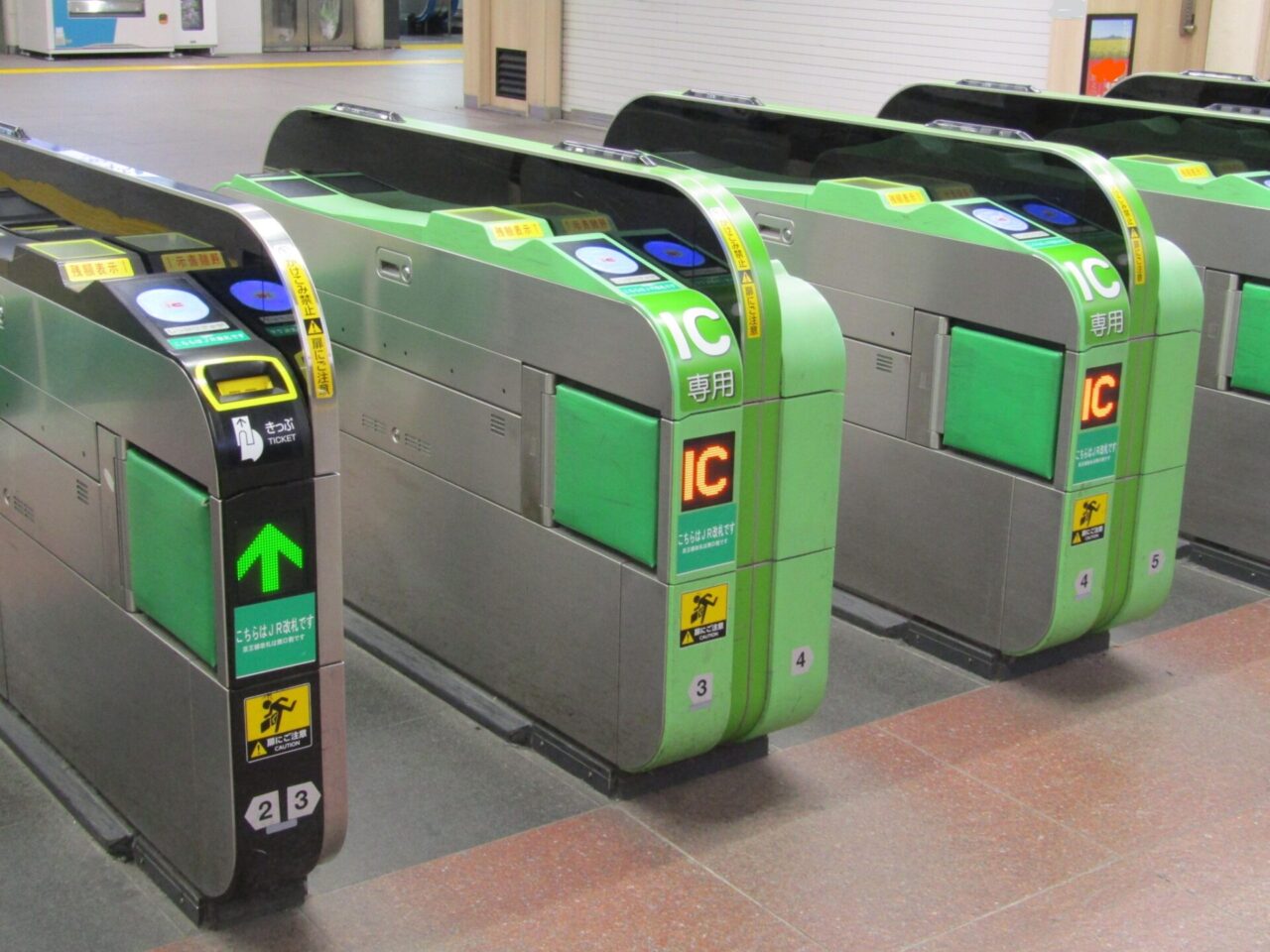
Some railway operators allow passengers to tap a contactless credit, debit, or prepaid card at a compatible gate. Tokyo Metro is one example, and eligible transfers with participating railways in the Kanto region are supported under specified conditions.
Look for the contactless reader and supported card logos. Use the same physical card or the same device when entering and leaving. Coverage, transfers, child fares, and special tickets vary by operator, so confirm the complete route before relying on contactless bank-card travel.
Credit Cards and IC Card Top-Ups
Physical IC cards are commonly topped up with Japanese yen in cash at station machines and participating stores. For example, JR East states that a physical Welcome Suica cannot be topped up with a credit card.
Mobile IC cards may allow top-ups through a mobile wallet or app, but this depends on the device, card issuer, and account settings. Confirm that your card can be created and topped up before relying on it for your first journey.
A practical combination is an IC card for local transport, a credit card for long-distance tickets and reservations, and some cash as a working backup. For a broader payment plan, see our guide to using cash, cards, and IC cards in Japan.
Use an IC Card for Local Trains and Subways
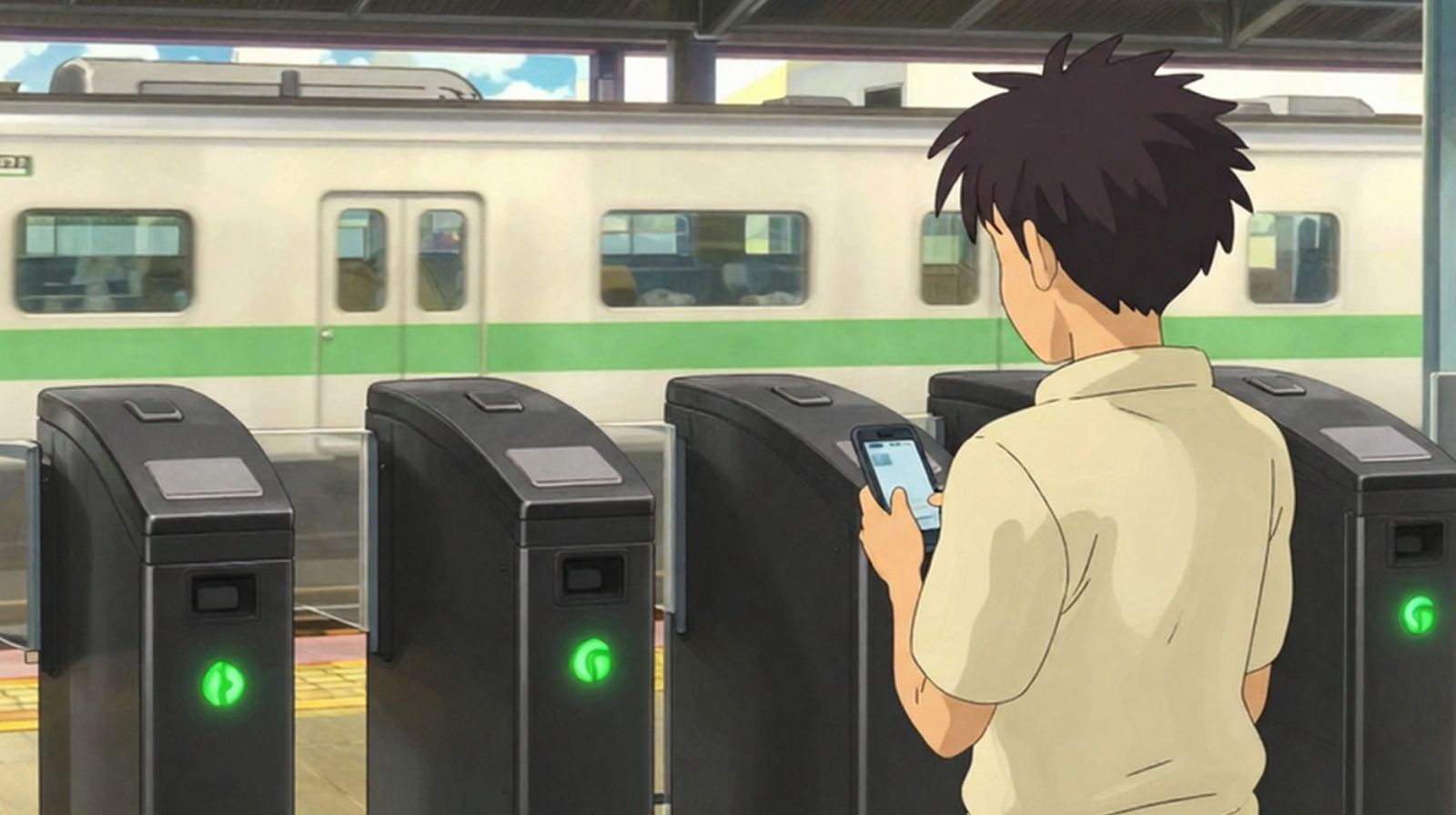
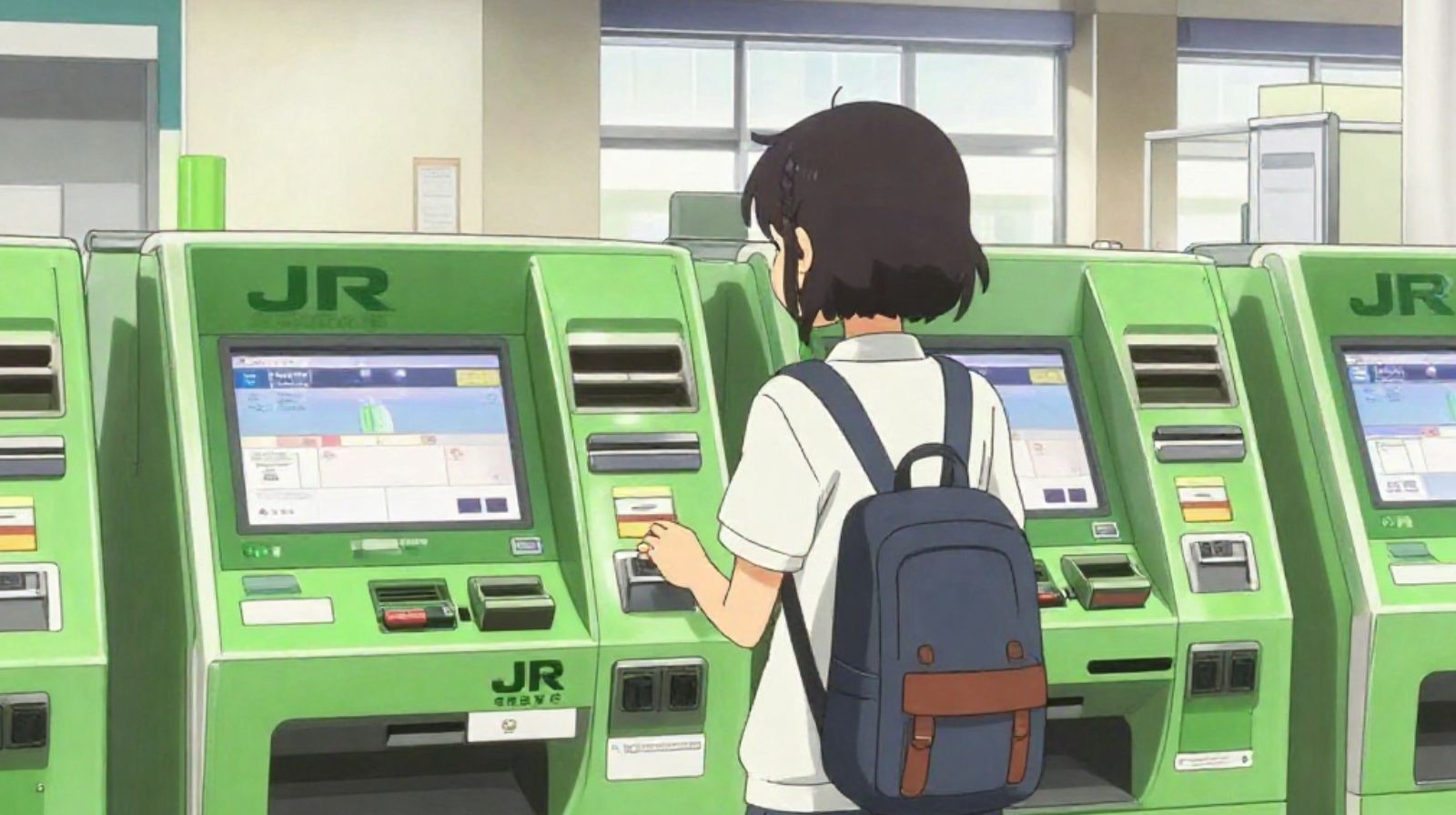
For most visitors, an IC card is the easiest way to pay for ordinary local trains, subways, and many buses. Common cards include Suica, PASMO, and ICOCA. Although they are issued in different regions, they can generally be used across participating networks displaying the nationwide mutual-use symbol.
How an IC Card Works
- Add money to the card before traveling.
- Touch the card to the IC reader when entering the station.
- Touch the same card when leaving; the fare is normally deducted automatically.
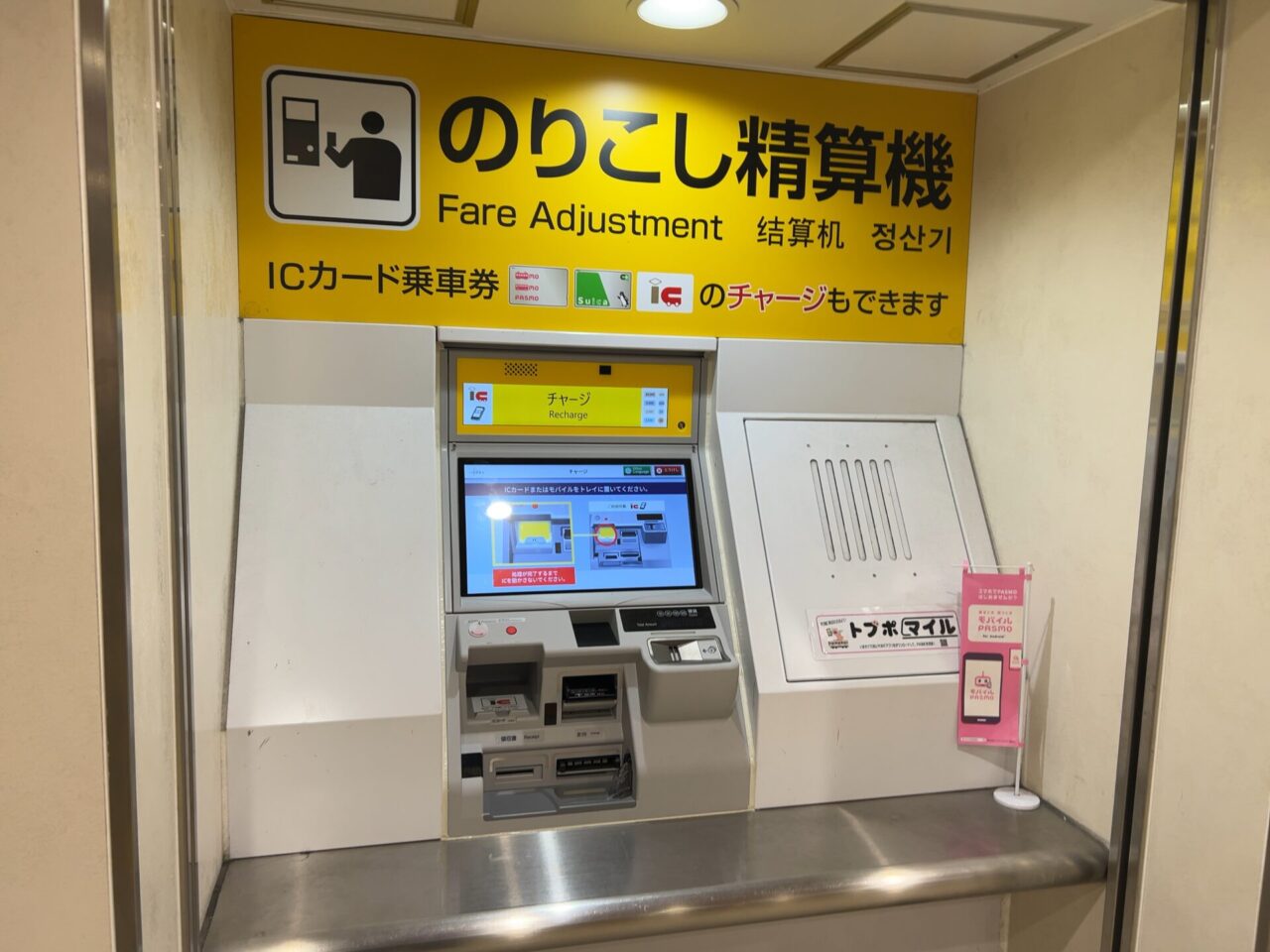
You may see 改札 / Kaisatsu / Ticket gate and チャージ / Chāji / Top up. If the balance is too low, use a top-up or fare adjustment machine near the gates, or ask station staff for help.
When an IC Card Is Not Enough
An IC card does not automatically cover every rail journey. Check for another ticket or payment method when:
- Riding the Shinkansen
- Using a limited express train or Green Car that requires an additional ticket
- Traveling on a railway line that does not accept your IC card
- Crossing separate IC card service areas in one continuous journey
Some reservation services let you link a Shinkansen or limited express booking to an IC card. In that case, the card may act as the key at the gate, but the journey still has to be reserved and paid for through the relevant service.
The guide below explains physical and mobile cards, visitor cards, device compatibility, purchase locations, supported areas, and top-up methods.
Use a Paper Ticket for Occasional or Unsupported Journeys
A paper ticket is useful when you are taking only one or two local journeys, do not have an IC card, or are using a railway that does not accept your card. For an ordinary local or rapid train, the ticket covers the basic fare between your departure station and destination.
How to Buy and Use a Paper Ticket
- Find a 券売機 / Kenbaiki / Ticket vending machine and select English when available.
- Search for your destination or select the fare shown on the fare map.
- Select the number of adults and children, then pay using a method accepted by that machine.
- Insert the ticket at the entrance gate and collect it as you pass through.
- Keep the ticket and insert it again at the exit gate. A single-journey ticket is normally retained when the journey ends.
If there is no automatic gate, show or hand the ticket to a station employee. Payment options vary by railway and machine, so keep cash or another payment method available.
If Your Ticket Does Not Cover the Full Fare
If you travel farther than the fare covered by the ticket, pay the difference before leaving. Look for 精算機 / Seisanki / Fare adjustment machine, insert the ticket, pay the displayed amount, and use the adjusted ticket at the exit gate.
You can also ask station staff: 精算をお願いします。
Seisan o onegaishimasu.
I would like to adjust the fare, please.
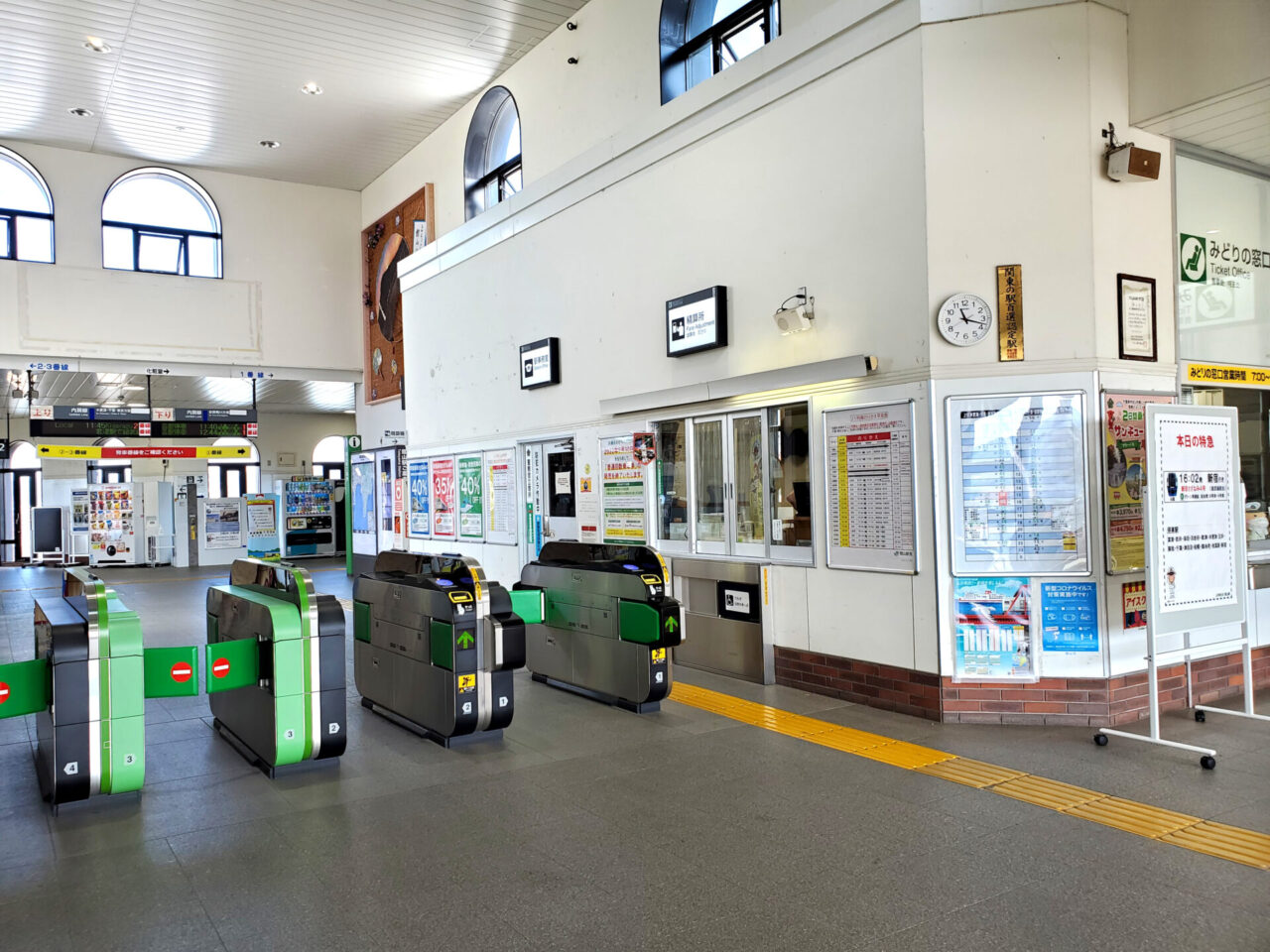
If ticket gates, platforms, and transfers are still unfamiliar, see our guide to using trains and subways in Japan.
Buy a Separate Ticket for Shinkansen and Limited Express Trains
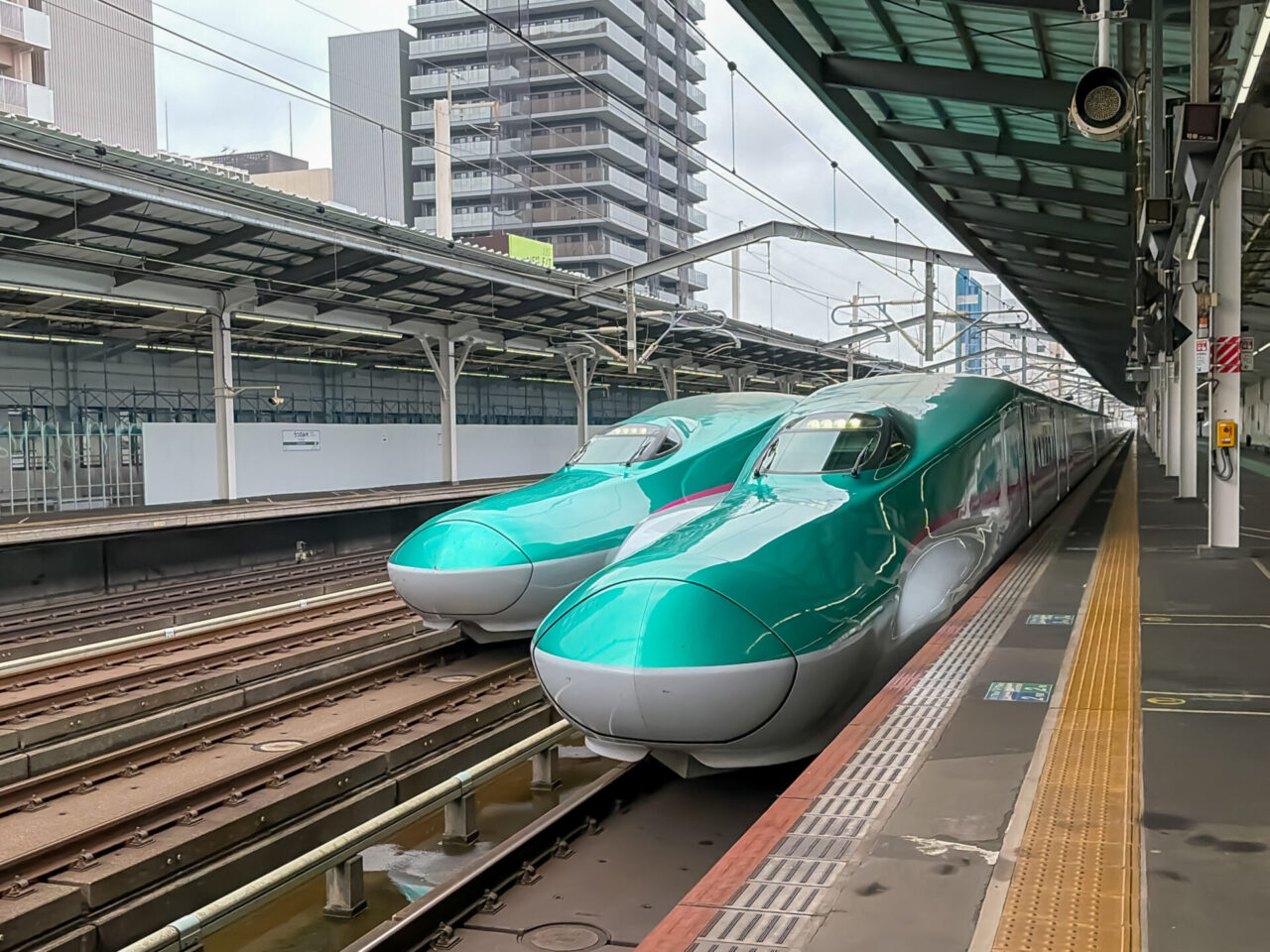
Shinkansen and many limited express trains use an additional fare structure beyond the basic fare for ordinary local and rapid trains. A standard IC card balance or local paper ticket does not automatically include that additional fare.
What You Need for the Shinkansen
A Shinkansen journey normally includes:
- 乗車券 / Jōshaken / Basic fare ticket
- 新幹線特急券 / Shinkansen tokkyūken / Shinkansen limited express ticket
The ticket machine or reservation service normally calculates the complete fare for you. The result may be one combined ticket, multiple paper tickets, a QR ticket, or a reservation linked to an IC card. Keep every paper ticket issued until the journey is complete.
Can You Use an IC Card for the Shinkansen?
Sometimes, but a normal IC card does not work as a universal Shinkansen ticket. Depending on the line and service, you may use a paper or digital ticket, a QR ticket, a reservation linked to your IC card, or another eligible ticketless service.
When a reservation is linked to an IC card, the card may identify the paid reservation at the gate; the stored balance is not necessarily paying the Shinkansen fare. If this is your first journey, buying from an English-language machine, a staffed JR counter, or the correct official online service is usually the clearest approach.
What About Limited Express Trains?
Many limited express trains require 特急券 / Tokkyūken / Limited express ticket in addition to the basic fare. On some services, you can pay the basic fare with an IC card and purchase the limited express portion separately. Other services use a combined ticket or reservation.
Check the train before boarding instead of assuming that an IC card alone is enough. The Shinkansen guide below explains ticket machines, official online services, seat types, luggage rules, and when advance booking is useful.
How Payment Changes Outside Major Cities
Payment is usually straightforward in Tokyo, Osaka, Kyoto, and other major cities. Smaller regional railways and rural train lines may use different systems.
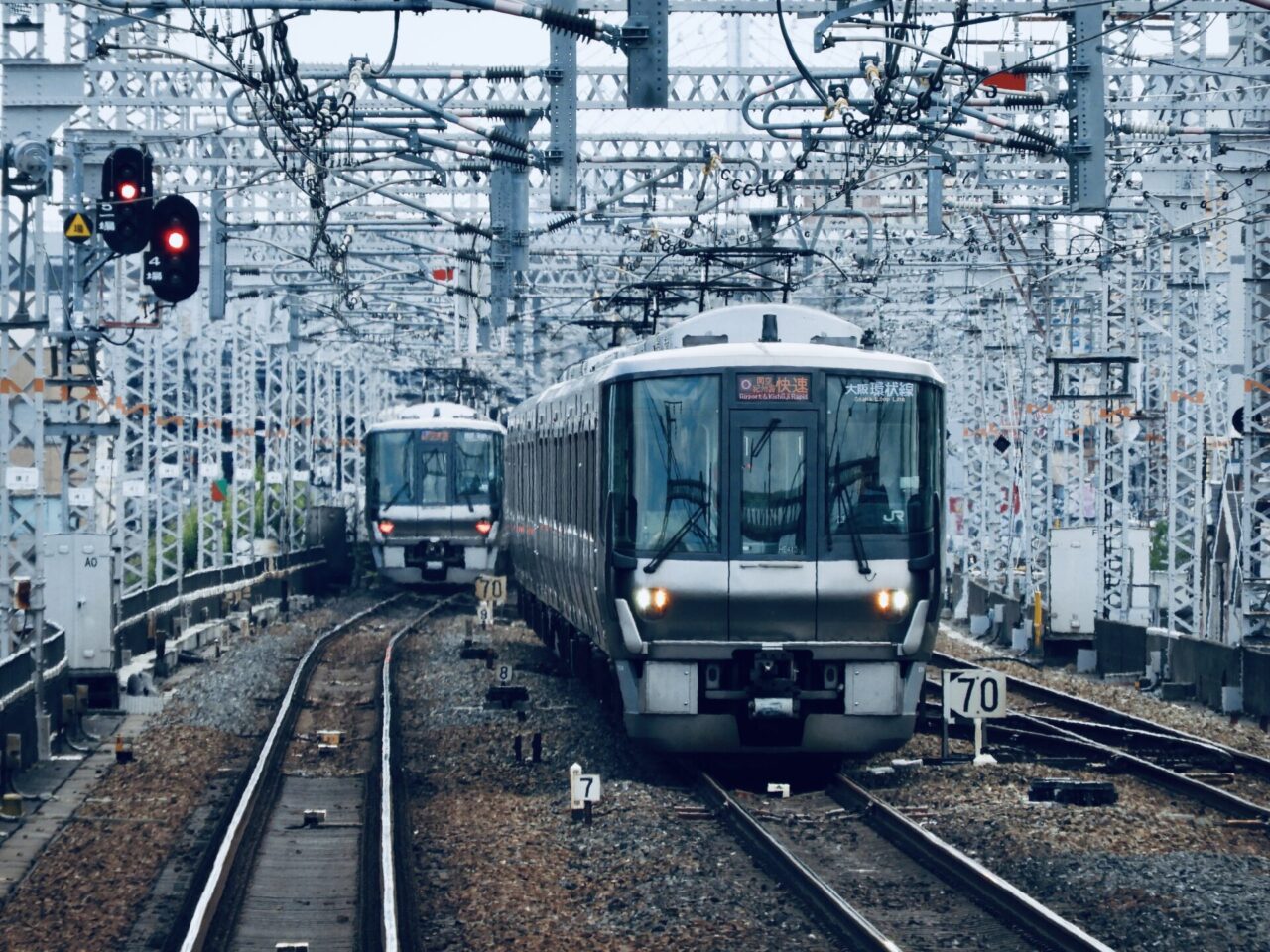
You may encounter:
- Stations without automatic ticket gates
- Unstaffed stations
- Railway lines that do not accept major IC cards
- Ticket machines or onboard fare boxes that accept cash only
- One-man-operated trains without a conductor
- Fares paid when leaving the train
One-Man-Operated Trains
Some local trains are operated only by the driver. You may see ワンマン / Wanman / One-man operation. Boarding and payment procedures vary, so follow the signs, announcements, and instructions near the doors.
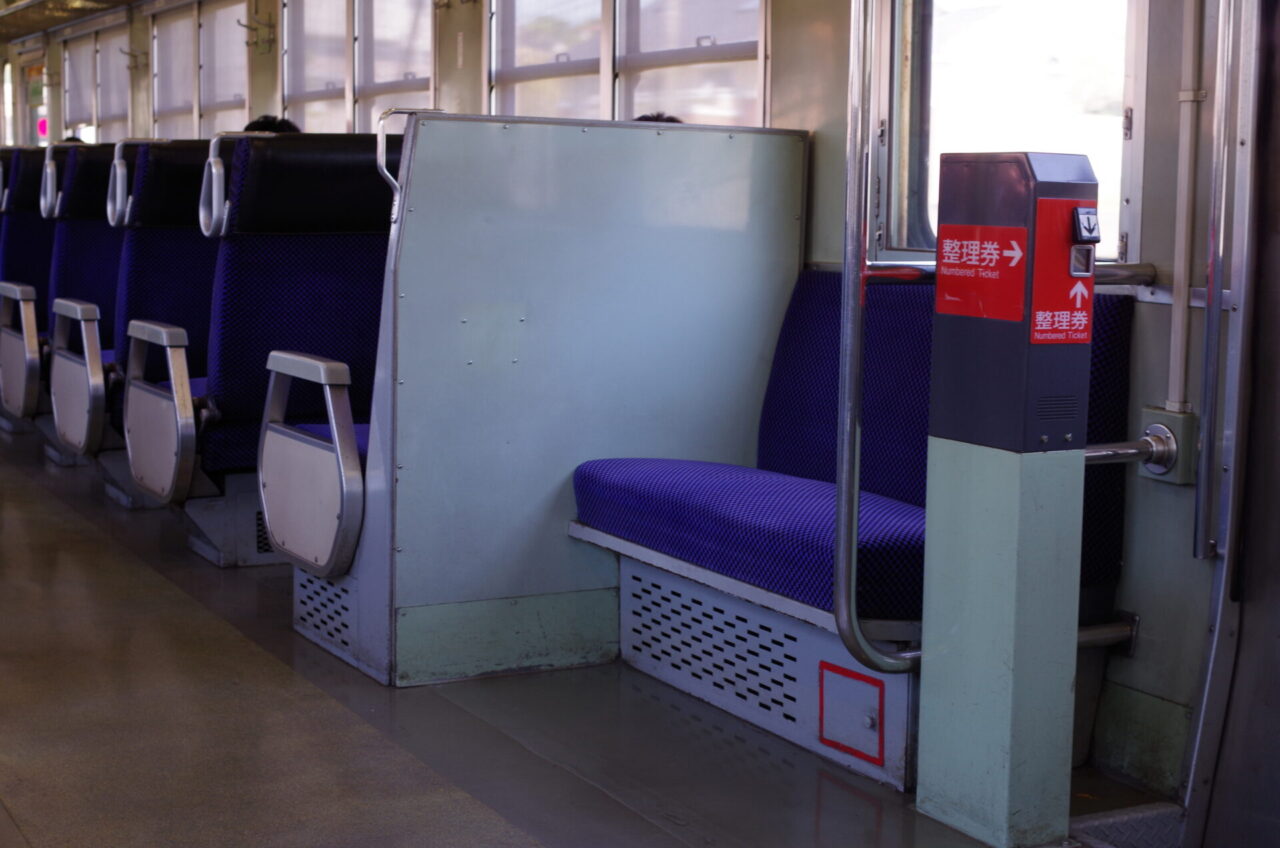
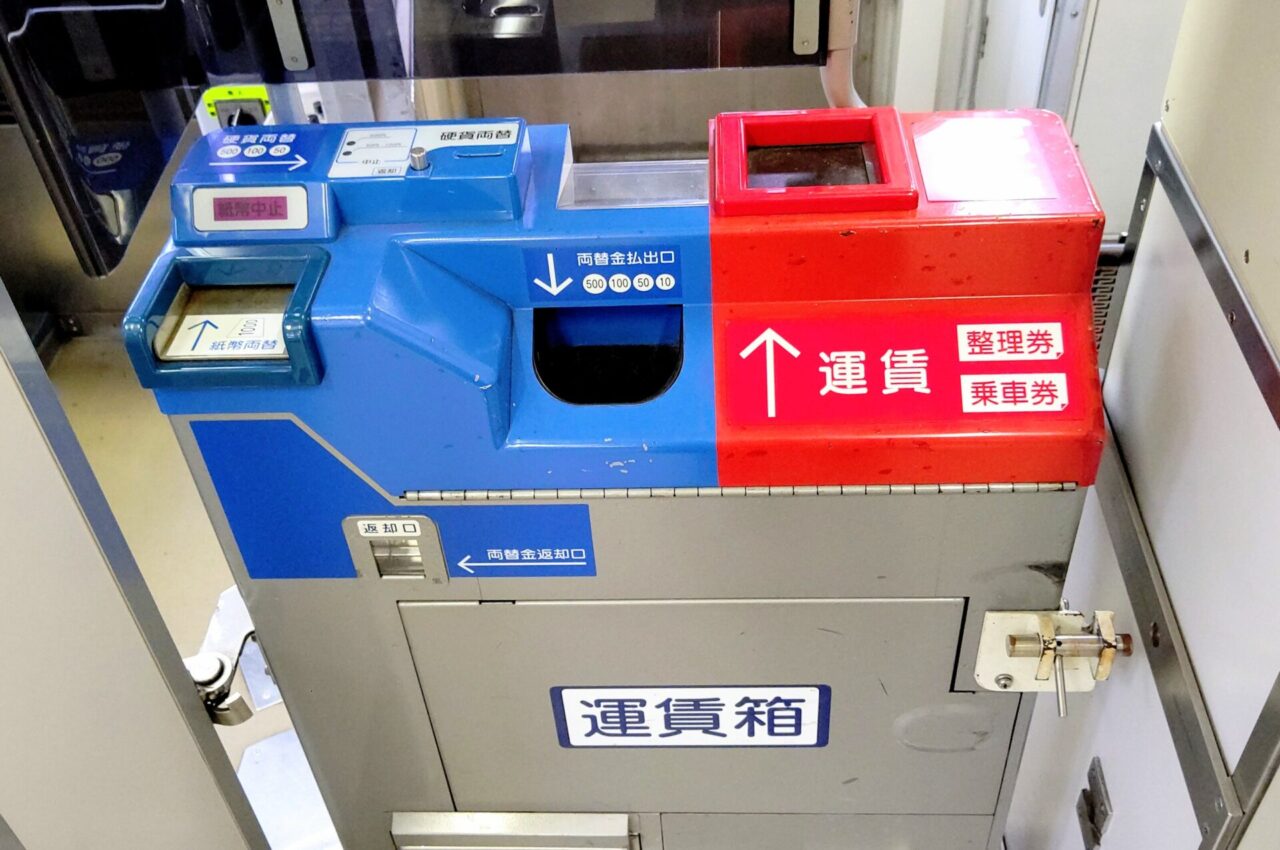
On some services, passengers without a ticket take 整理券 / Seiriken / Numbered ticket when boarding. The ticket records the boarding point. Before getting off, match its number with the fare display, then place the numbered ticket and the correct cash fare into 運賃箱 / Unchin-bako / Fare box near the driver.
Bring Small Cash
Some rural trains and buses do not accept IC cards or credit cards. Onboard change machines may accept only certain coins and ¥1,000 notes. They may not accept ¥5,000 or ¥10,000 notes, and a change machine normally provides change rather than deducting the fare for you.
- Carry ¥1,000 notes, ¥100 coins, and smaller coins when possible.
- Prepare the fare before the train reaches your stop.
- Keep another payment method available even when cash is expected.
At an Unstaffed Station
An unstaffed station may have no automatic gate or station employee. Depending on the service, you may need to board through a designated door, take a numbered ticket, check the fare display, pay at the front of the train, and leave through the door near the driver.
Some train doors do not open automatically; press the illuminated door button when it is safe to do so. Other services require you to buy a ticket before boarding or hand it to staff at the destination. Follow the instructions for that railway rather than assuming every rural line uses the same system.
Check Before You Travel
- Is your IC card accepted on the complete journey?
- Can you buy a ticket before boarding?
- Does the train use one-man operation?
- Will you need cash or exact change?
- When is the final return train?
Regional services may be infrequent, so payment is only one part of the plan. Confirm how to board, where to pay, and when the next train departs before leaving a major station or reliable mobile connection.
The Simplest Payment Setup for Most Visitors
Use an IC card for ordinary local trains and subways, arrange the correct ticket or reservation for Shinkansen and limited express trains, and keep some Japanese yen for physical IC card top-ups and rural transport.
A contactless credit or debit card can be convenient where the complete route supports it, but it is not a universal replacement for an IC card or train ticket. When the journey involves a special train, a separate service area, or a rural railway, check before entering or ask station staff.
Frequently Asked Questions
- What is the easiest way to pay for trains in Japan?
-
For most visitors, use an IC card for local trains and subways, buy or reserve the required ticket for Shinkansen and limited express trains, and keep some cash for physical IC card top-ups and rural transport.
- Can I pay for trains in Japan with a credit card?
-
Often, but not everywhere. Credit cards are commonly accepted for Shinkansen and limited express tickets at compatible machines, counters, and online services. Direct contactless payment at a gate works only on participating routes.
- Can I use Suica or PASMO for the Shinkansen?
-
Not from the normal stored balance as a universal rule. Depending on the line and service, you need a separate ticket, a digital or QR ticket, or a paid reservation linked to the IC card.
- Is cash still needed for train travel in Japan?
-
Yes. Cash remains useful for physical IC card top-ups, machines that do not accept your card, and rural services that collect fares onboard.
- Can I pay after getting on the train?
-
Usually, prepare an IC card or ticket before entering. Some rural and one-man-operated trains collect the fare when you leave, so follow the signs, announcements, and instructions for that service.
Related Guides
Explore practical guides to help you plan your trip and travel around Japan with confidence.
Planning Your Trip to Japan
- A Complete Guide for First-Time Visitors to Japan: Stay, Travel, and Experience Local Life
- How to Prepare for a Trip to Japan: What to Plan Before You Go
Transportation
- How to Use Trains and Subways in Japan
- How to Use IC Cards in Japan: Suica, PASMO, ICOCA & Mobile IC Cards
- How to Pay for Train Travel in Japan
- How to Use Local Buses in Japan: A First-Time Visitor Guide
- How to Use Taxis in Japan
- Kansai Airport to Osaka: Best Routes for 8 Areas
- Kansai Airport to Umeda: A Practical Route Example Using Train, Bus & Taxi
- How to Buy Shinkansen Tickets in Japan
- Japan Rail Pass: Is It Worth It? A Complete Guide
Money
- Cash or Credit Cards in Japan? A Complete Guide for First-Time Visitors
- Can I Use Credit Cards Everywhere in Japan? Where Cards Work—and Where You’ll Still Need Cash
- How to Exchange Money in Japan: The Best Ways to Get Japanese Yen
- Tax-Free Shopping in Japan: Rules, Purchases & Refunds
Cities & Destinations
- Osaka vs Kyoto: Which City Is Right for You?
- Where to Stay in Osaka: Best Areas for First-Time Visitors
- Are Osaka Hotels Expensive in 2026? What to Expect and When to Book
- Where to Stay in Yodoyabashi, Higobashi & Edobori: Central Osaka Area Guide
Culture & Etiquette
- Japanese Etiquette Every Visitor Should Know
- Onsen & Sento Etiquette in Japan: A First-Time Visitor Guide