What Is an IC Card?
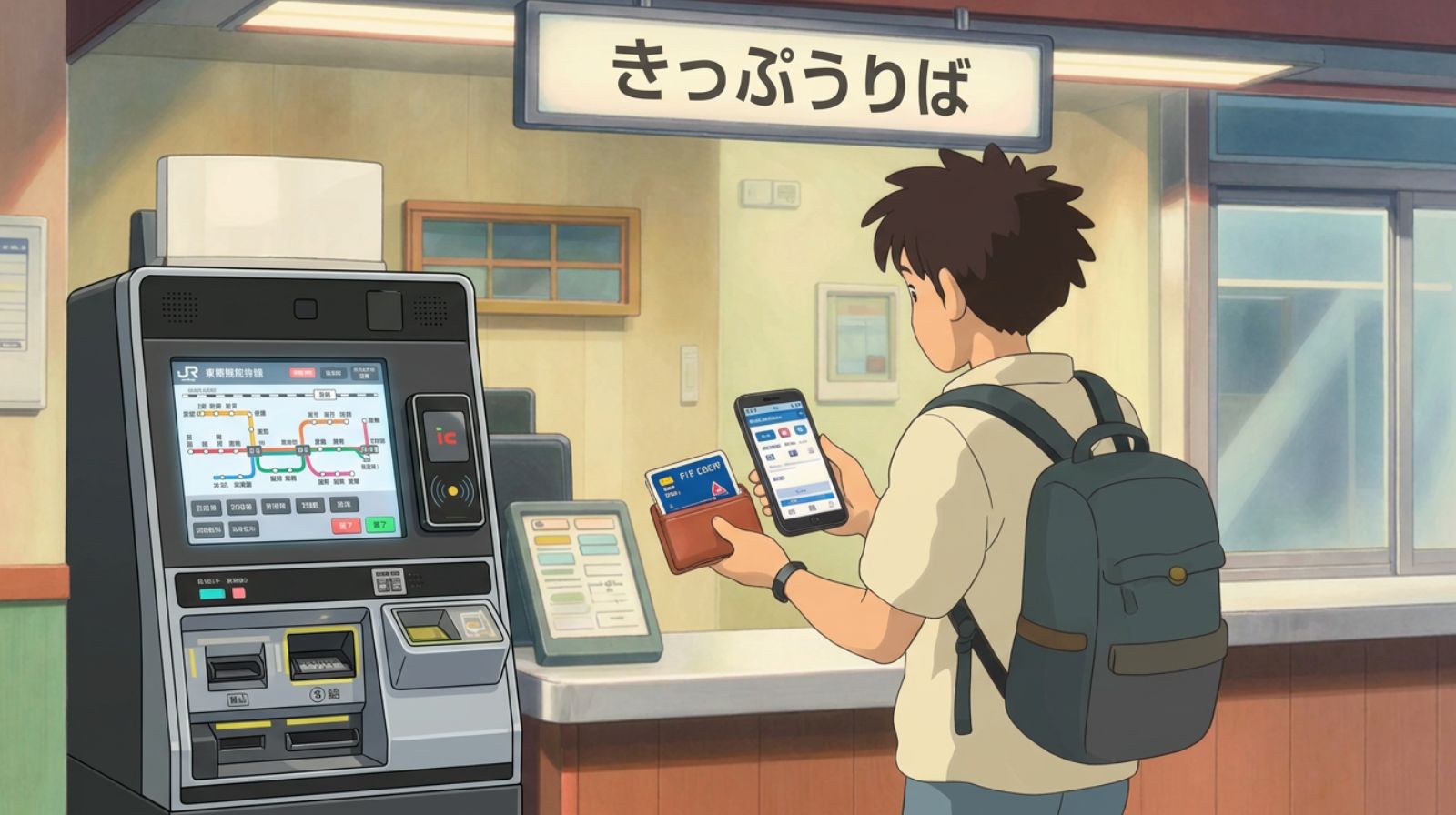
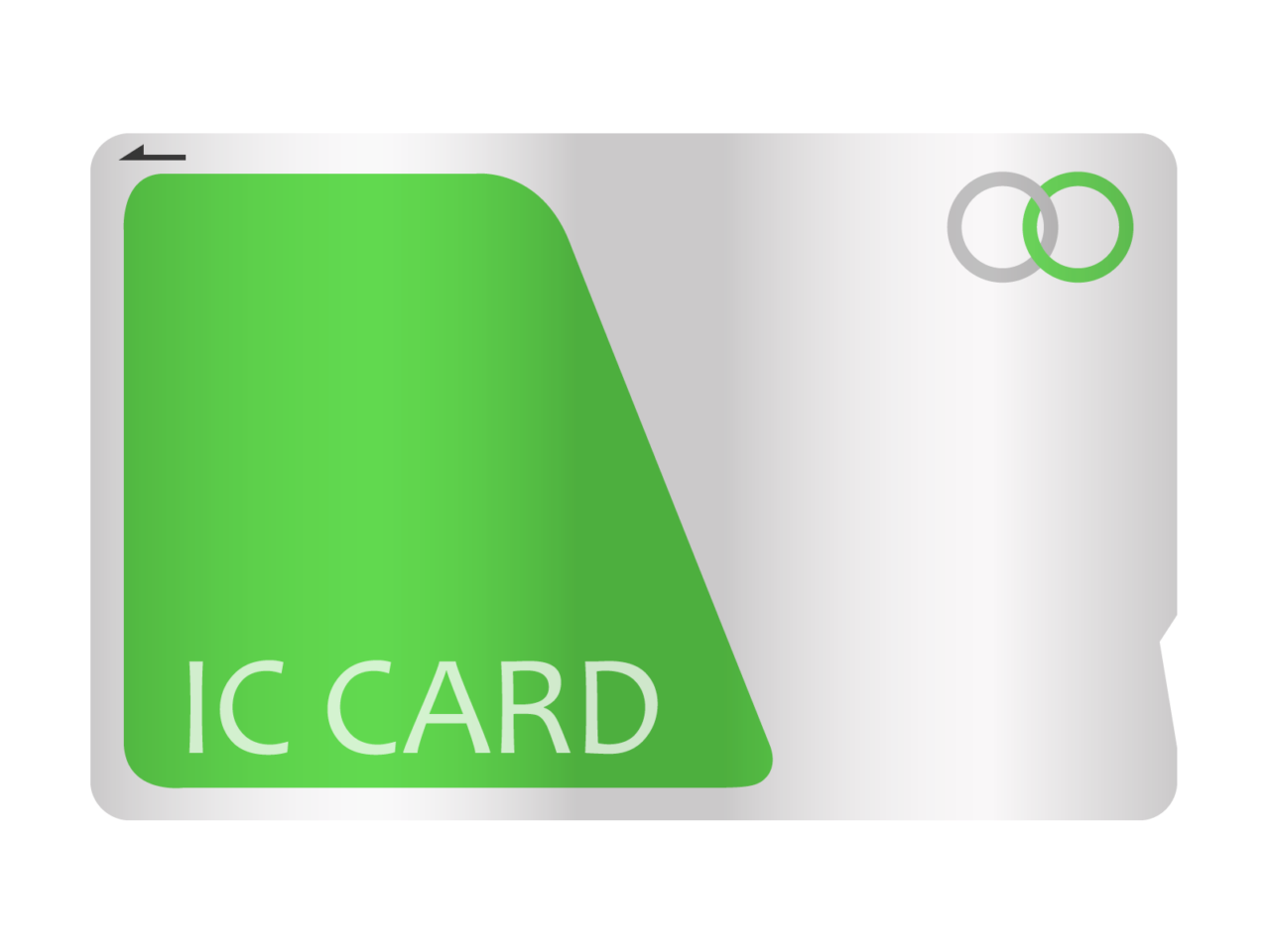
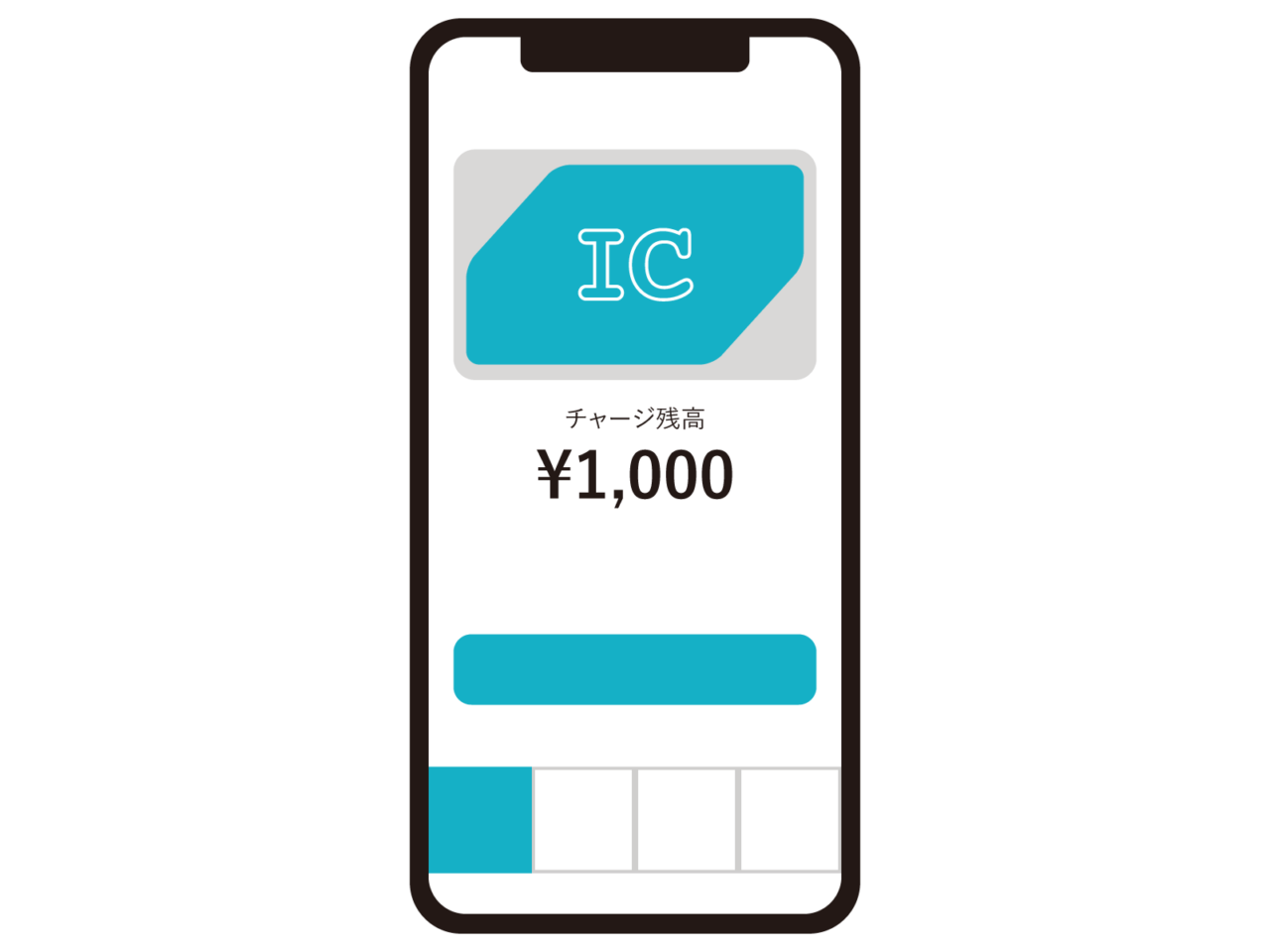
An IC card is a rechargeable smart card used to pay for trains, subways, many buses, and everyday purchases in Japan.
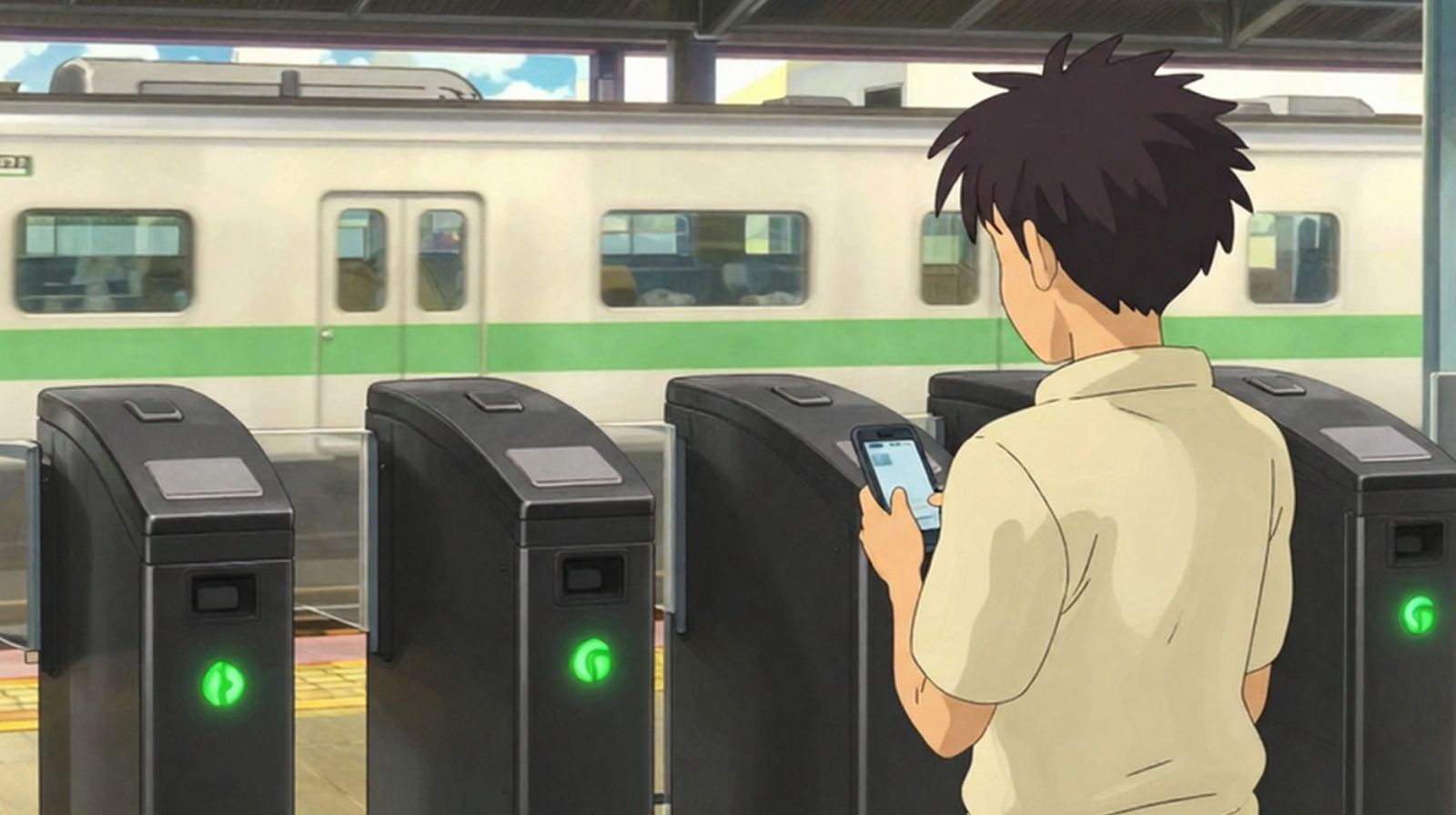
Instead of purchasing a ticket for each journey, you simply tap your card at the ticket gate when entering and leaving a station.
IC cards can also be used at many convenience stores, vending machines, restaurants, and other businesses throughout Japan.
For most visitors, an IC card quickly becomes one of the most useful items during a trip.
Popular IC cards include:
- Suica
- PASMO
- ICOCA
While these cards originate from different regions, they work similarly across most major transportation networks in Japan.
For travelers, the differences are usually minimal.
Why Most Travelers Should Use an IC Card
Japan’s rail network is extensive.
Without an IC card, you may need to purchase individual tickets for each journey and calculate the correct fare before boarding.
An IC card removes much of this complexity.
No need to buy a paper ticket for each eligible local journey.
No need to calculate most local fares.
No need to stand in line at ticket machines before every ride.
Simply tap at the gate and travel.
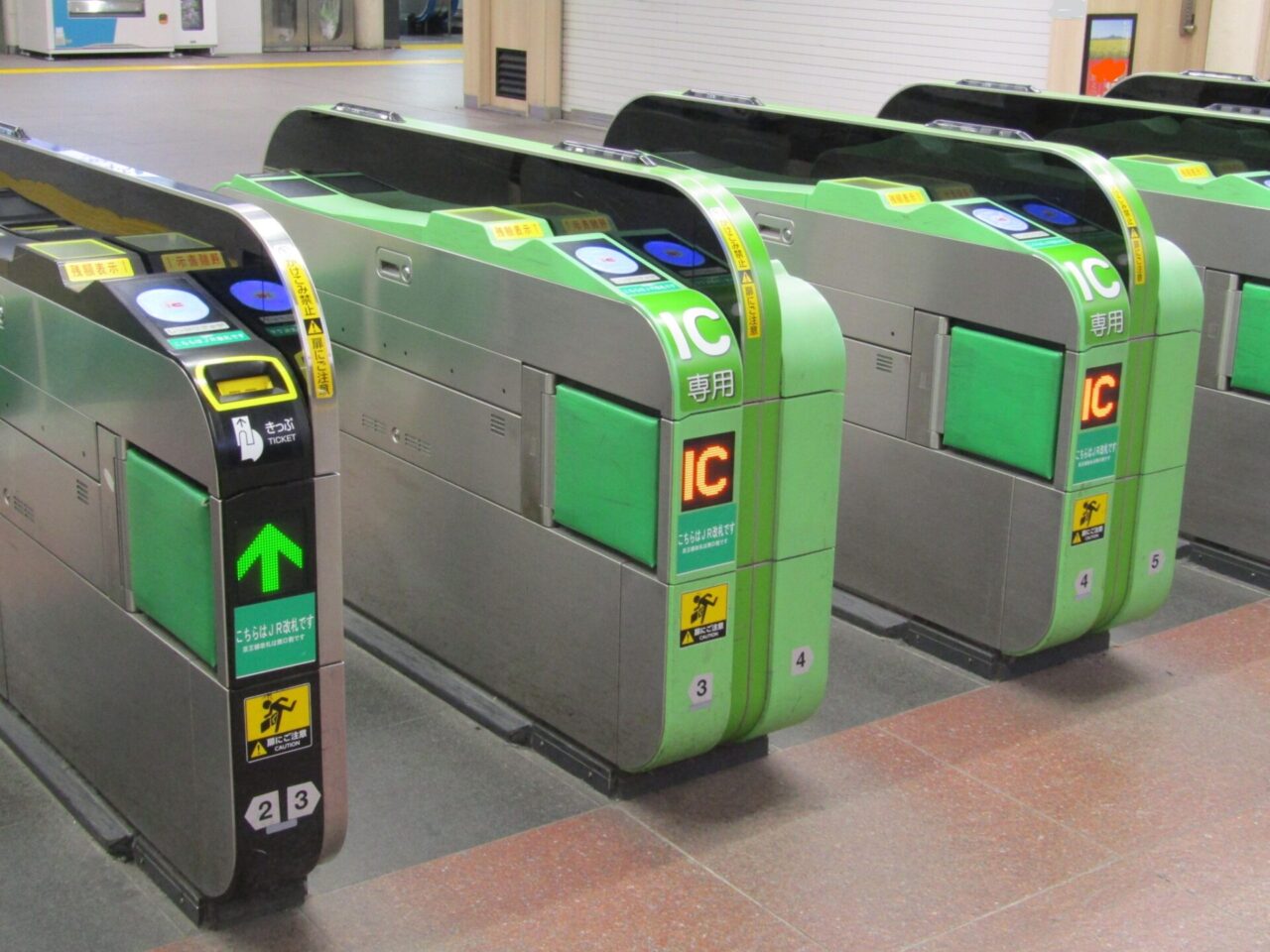
改札
If you’re still learning how Japan’s train system works, our guide below explains the basics.
→ How to Use Trains and Subways in Japan
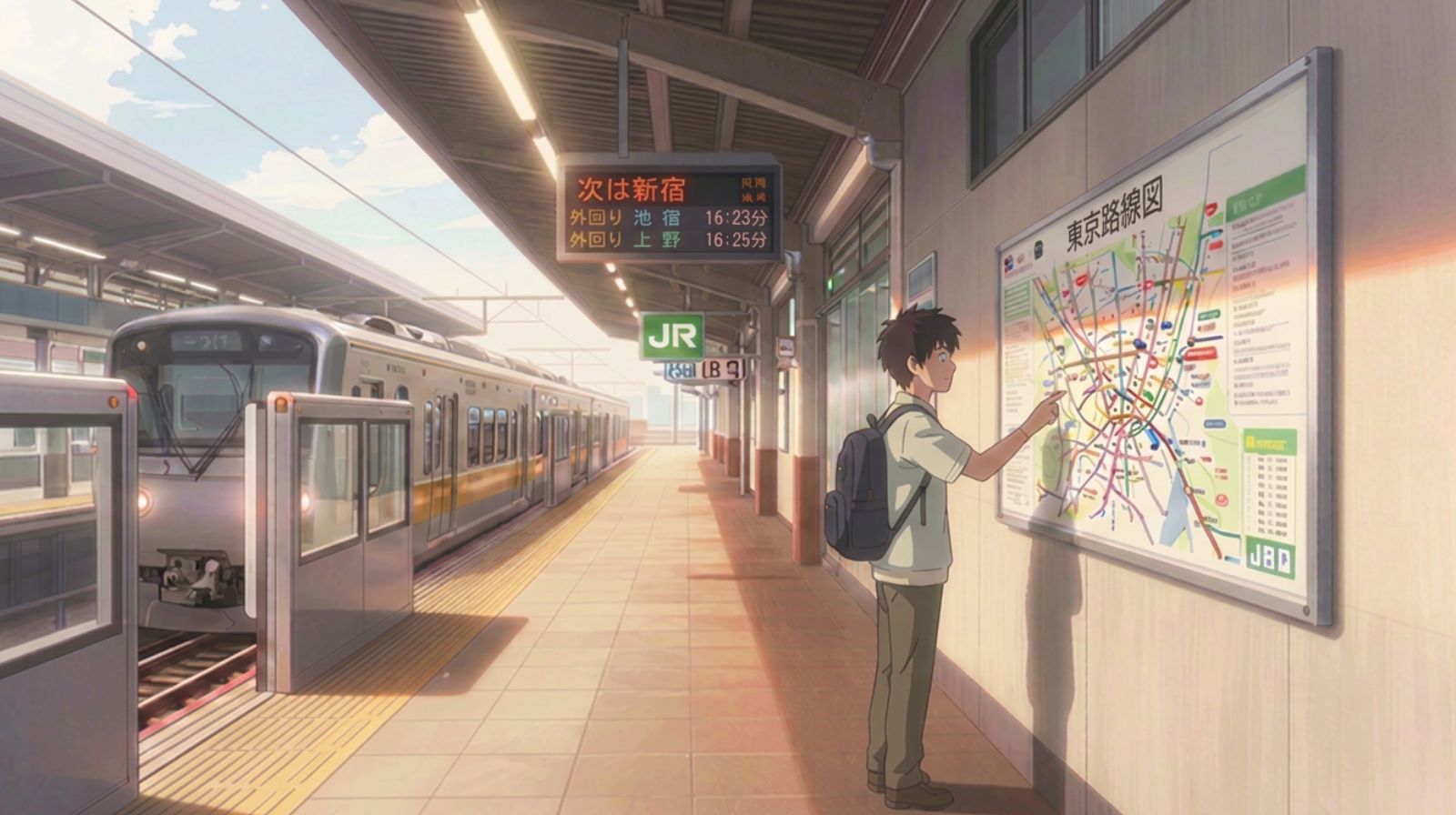
Which IC Card Should You Choose?
For most visitors, the best IC card is the one that is easiest to set up or purchase at the beginning of the trip. You do not need to choose a card simply because it is the most famous.
| Your Situation | Practical Starting Point |
|---|---|
| Compatible iPhone or Apple Watch | Regular Suica in Apple Wallet; PASMO and ICOCA are also supported options |
| Android phone with uncertain compatibility | Physical IC card |
| Short trip starting around Tokyo | Welcome Suica or TOURIST PASMO if a physical visitor card is convenient |
| Starting in Osaka or Kyoto | ICOCA or another readily available compatible card |
| Staying more than 28 days or planning future visits | Regular Suica, PASMO, or ICOCA |
| Family traveling with children | Separate physical cards are often the simplest option |
There are two main choices to understand:
- A physical card or a mobile IC card
- A regular reusable card or a short-term visitor card
Regular cards are better for longer stays, repeat visits, or travelers who want a reusable card. Visitor cards are designed for short trips and do not require a deposit, but they expire and any unused balance cannot be refunded.
If you use a compatible iPhone, a regular Suica in Apple Wallet is a strong first choice because you can prepare it before departure and avoid buying a physical card after arrival. If mobile setup is uncertain, simply buy a physical IC card that is easy to obtain where your trip begins.
Regular IC Cards: Suica, PASMO, and ICOCA
Suica, PASMO, and ICOCA are regular rechargeable IC cards issued by different railway companies and regions.
| Card | Main Issuing Area | Issuer or Network | Best Starting Point |
|---|---|---|---|
| Suica | Tokyo and eastern Japan | JR East and related issuers | Travelers beginning in the JR East area |
| PASMO | Tokyo metropolitan area | Private railways, subways, and bus operators | Travelers using participating Tokyo-area operators |
| ICOCA | Osaka, Kyoto, and western Japan | JR West and related issuers | Travelers beginning in the JR West area |
Although the cards are issued in different regions, they can generally be used interchangeably across participating transportation networks with the nationwide mutual-use symbol.
A Suica purchased in Tokyo can generally be used in Osaka, while an ICOCA purchased in Osaka can generally be used in Tokyo. However, an IC card cannot always be used for one continuous journey across separate IC card service areas.
For most short-term visitors, the everyday difference between Suica, PASMO, and ICOCA is small. Choose whichever regular card is readily available near the beginning of your trip.
How Regular Physical IC Cards Work
A regular physical IC card normally includes a refundable ¥500 deposit. The rest of the purchase price becomes usable value.
Regular cards can be purchased from participating ticket machines or ticket counters in the issuing region. Purchase procedures and availability differ by railway company.
Physical Suica and PASMO cards are typically topped up with Japanese yen in cash at compatible machines. A physical ICOCA is also commonly purchased and topped up in cash. Do not assume that an overseas credit card will work at every ticket machine.
If you return a regular card, the refund must generally be handled in the issuing company’s service area. For example, a Suica issued by JR East cannot normally be returned to JR West in Osaka for its deposit refund.
Who Should Choose a Regular IC Card?
A regular Suica, PASMO, or ICOCA may be the better option when:
- You will stay in Japan for more than 28 days
- You expect to visit Japan again
- You want a reusable physical card
- You want the possibility of returning the card for its deposit in the issuing area
- You are beginning your trip in Osaka, Kyoto, or another area where ICOCA is easy to purchase
Check the official Suica, PASMO, or ICOCA information for current purchase and refund conditions.
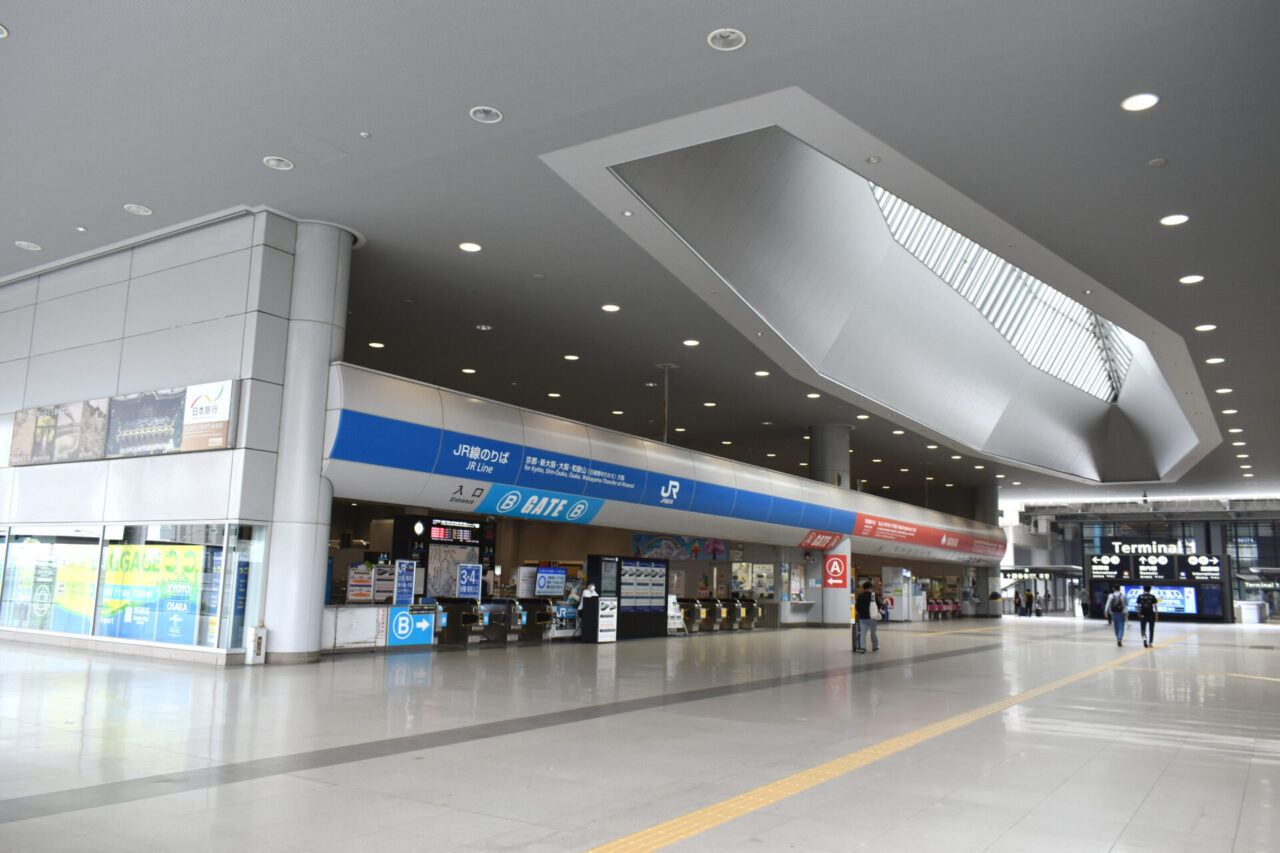
関西国際空港
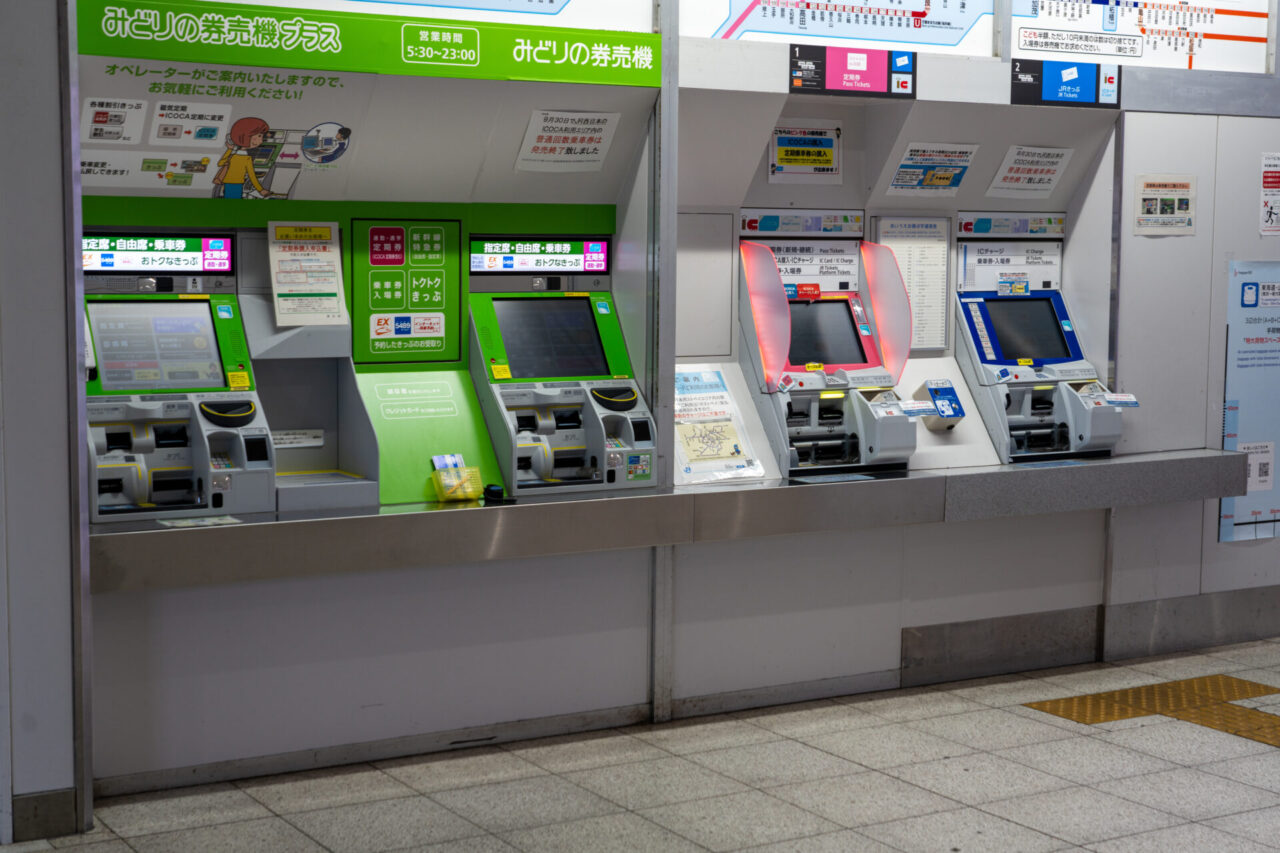
ICカード購入機
Tourist IC Cards for Short-Term Visitors
Japan currently offers two main physical visitor cards that are especially relevant to travelers arriving in eastern Japan:
- Welcome Suica
- TOURIST PASMO
Both are valid for 28 days, require no deposit, and do not provide refunds for unused balance.
Welcome Suica for International Visitors
Welcome Suica is a physical IC card issued by JR East for short-term visitors to Japan.
| Feature | Welcome Suica |
|---|---|
| Deposit | None |
| Validity | 28 days, including the date of purchase |
| Refund | Remaining balance cannot be refunded |
| Maximum Balance | ¥20,000 |
| Where to Buy | Selected JR East travel service centers, dedicated vending machines, and designated JR East locations |
| Best For | Short-term visitors who want a physical card, particularly when beginning in the JR East area |
The full purchase price is added to the card as usable value. Unlike a regular Suica card, no ¥500 deposit is deducted.
Welcome Suica is available with the following initial values:
- ¥1,000
- ¥2,000
- ¥3,000
- ¥4,000
- ¥5,000
- ¥10,000
Where to Buy Welcome Suica
Welcome Suica is sold at selected JR East locations, including designated facilities at:
- 成田空港 / Narita Kūkō / Narita Airport
- 羽田空港第3ターミナル / Haneda Kūkō Dai-san Tāminaru / Haneda Airport Terminal 3
- 東京駅 / Tokyo-eki / Tokyo Station
- 渋谷駅 / Shibuya-eki / Shibuya Station
- 新宿駅 / Shinjuku-eki / Shinjuku Station
- 池袋駅 / Ikebukuro-eki / Ikebukuro Station
- 上野駅 / Ueno-eki / Ueno Station
- 横浜駅 / Yokohama-eki / Yokohama Station
- 仙台駅 / Sendai-eki / Sendai Station
Other designated sales locations include JAPAN RAIL CAFÉ TOKYO and TAKANAWA GATEWAY Travel Service Center. Sales locations and opening hours may change, so check the official information before traveling.
How to Add Money
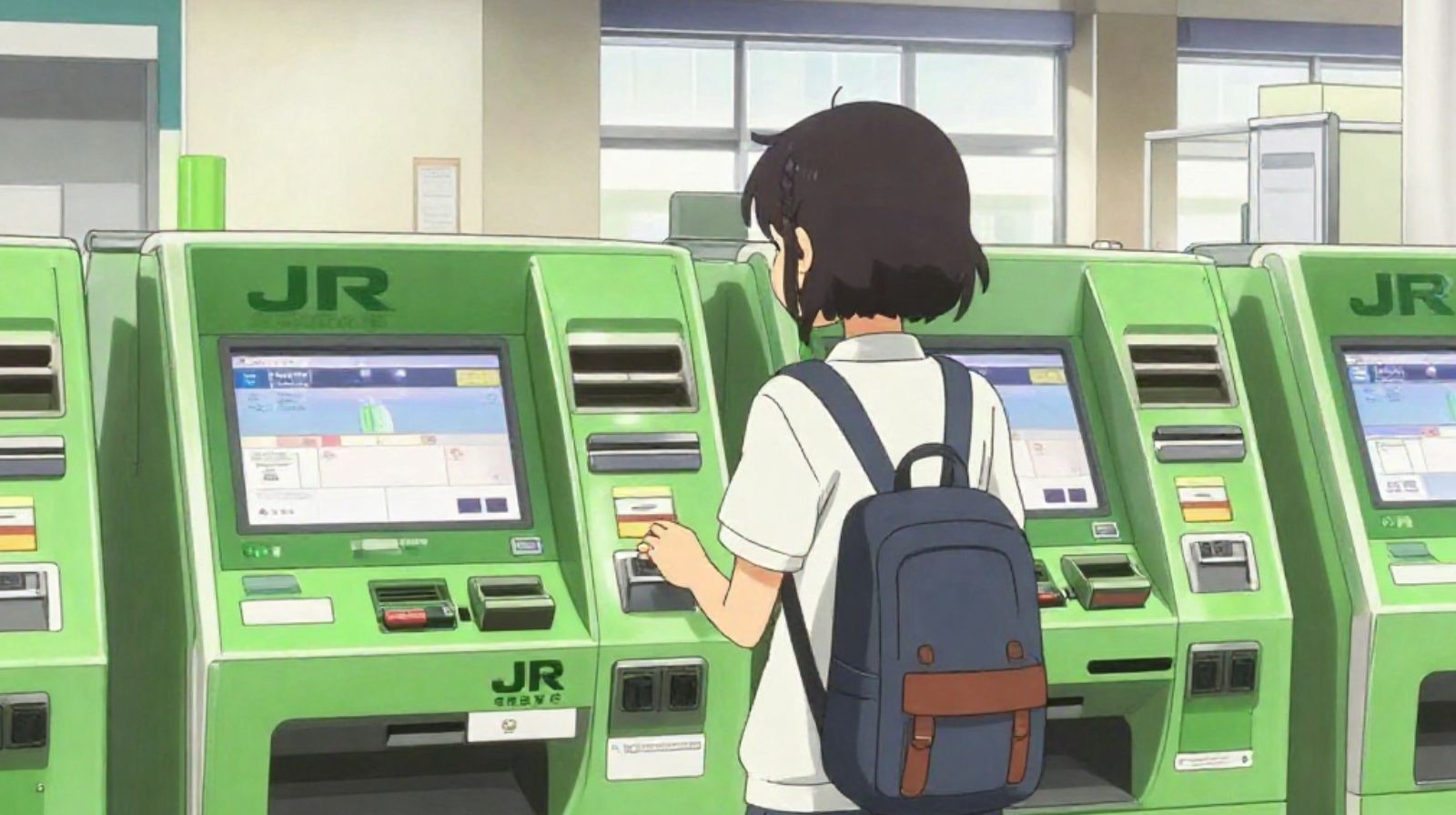
You can add Japanese yen in cash at compatible station ticket machines, fare adjustment machines, Seven Bank ATMs, and participating convenience stores.
You may see:
チャージ / Chāji / Top up
Credit cards cannot be used to top up a physical Welcome Suica.
Important Limitations
Welcome Suica is valid for 28 days, including the date of purchase, and becomes unusable on the 29th day.
Keep the reference paper issued when you purchase the card. It shows the actual expiration date and other important information. The GOOD THRU date printed on the back of the card is not its expiration date.
- It cannot be reissued if lost
- Unused balance cannot be refunded
- The validity period cannot be extended
- It cannot be added to Apple Wallet
Try to use the remaining balance before the card expires. You can also spend it at participating convenience stores, vending machines, restaurants, coin lockers, and other shops.
Who Should Choose Welcome Suica?
Welcome Suica is a practical option when:
- You want a physical IC card
- You are beginning your trip in Tokyo or another JR East area
- Your smartphone does not support a mobile IC card
- You are staying for 28 days or less
- You do not need to refund unused balance
Check the official Welcome Suica purchasing information for current sales locations and conditions.
TOURIST PASMO for International Visitors
TOURIST PASMO is a physical IC card for short-term international visitors. It was introduced on May 20, 2026, following the end of PASMO PASSPORT.
| Feature | TOURIST PASMO |
|---|---|
| Deposit | None |
| Validity | 28 days from the date of purchase |
| Refund | Remaining balance cannot be refunded |
| Maximum Balance | ¥20,000 |
| Where to Buy | Selected locations at Haneda and Narita airports |
| Best For | Short-term visitors who want a physical card after arriving at Haneda or Narita Airport |
The full purchase price becomes usable value. No ¥500 deposit is deducted.
Where to Buy TOURIST PASMO
TOURIST PASMO is sold at selected Keikyu locations at Haneda Airport and Keisei locations at Narita Airport.
- 羽田空港 / Haneda Kūkō / Haneda Airport: ¥1,000, ¥2,000, ¥3,000, ¥4,000, ¥5,000, or ¥10,000
- 成田空港 / Narita Kūkō / Narita Airport: ¥2,000
Credit cards are accepted at designated TOURIST PASMO ticket machines at Haneda Airport. Purchase methods differ by sales location.
How to Add Money
You can add money using cash at compatible station ticket machines, convenience stores, and certain participating locations. The card cannot be topped up if the new balance would exceed ¥20,000.
Do not assume that a credit card can be used for later top-ups simply because it was accepted when purchasing the card at Haneda Airport.
Important Limitations
TOURIST PASMO is valid for 28 days from the date of purchase. Keep the reference paper issued with the card because it shows the expiration date and card category.
- It cannot be reissued if lost
- Unused balance cannot be refunded
- It cannot be used after the 28-day validity period
Try to use any remaining balance before leaving Japan. You can also spend it at participating convenience stores, vending machines, restaurants, and other shops.
Who Should Choose TOURIST PASMO?
TOURIST PASMO is a practical option when:
- You are arriving at Haneda or Narita Airport
- You prefer a physical card
- You are using the Keikyu or Keisei side of the airport
- Your smartphone does not support a Japanese mobile IC card
- You are staying for 28 days or less
Check the official TOURIST PASMO website for current sales locations, prices, and conditions.
Welcome Suica or TOURIST PASMO: Which Is Better?
For most international visitors, there is no major difference in how Welcome Suica and TOURIST PASMO can be used. Both are physical IC cards valid for 28 days, require no deposit, and work on participating transportation and at many shops across Japan.
| Point | Welcome Suica | TOURIST PASMO |
|---|---|---|
| Validity | 28 days | 28 days |
| Deposit | None | None |
| Refund of unused balance | No | No |
| Main sales locations | Selected JR East airport and major-station locations | Selected Keikyu and Keisei locations at Haneda and Narita airports |
| Best reason to choose | More purchase locations after leaving the airport | Convenient purchase on the Keikyu or Keisei side of the airport |
Choose Welcome Suica if you want more purchasing locations, including selected JR East facilities at major stations such as Tokyo, Shinjuku, Shibuya, Ueno, Yokohama, and Sendai.
Choose TOURIST PASMO if you are arriving at Haneda or Narita Airport and it is easier to purchase from the Keikyu or Keisei side.
In practical terms, buy whichever visitor card is more convenient at your arrival airport or first major station.
Physical Cards vs Mobile IC Cards
Both physical and mobile IC cards work by tapping at compatible ticket gates and payment terminals. The main differences are setup, device compatibility, top-up methods, and how easily each traveler can manage their own card.
| Point | Physical Card | Mobile IC Card |
|---|---|---|
| Setup | Purchase from a participating machine, counter, or visitor service center | Set up on a compatible phone or watch |
| Phone compatibility | Not required | Required |
| Top-up | Mainly cash at stations and participating stores | Usually through Wallet or the relevant app |
| Battery concern | None | Depends on the device and model |
| Families and children | Often easier to manage | Each traveler needs a compatible device and separate card |
| Best for | Families, Android users with uncertain compatibility, and travelers who prefer a card | Compatible iPhone or Apple Watch users who prefer phone-based travel |
Advantages of a Physical IC Card
- Works without checking smartphone compatibility
- Does not depend on phone battery
- Often easier for families and children
- Simple to hand to station staff when assistance is needed
Advantages of a Mobile IC Card
- Stored directly on your phone or watch
- Can often be topped up without finding a ticket machine
- Balance and recent transactions are easier to check
- No separate physical card to carry
A smartphone can also be lost, damaged, or become unavailable. Carry a backup payment method even when using a mobile IC card.
Mobile IC Cards for International Visitors
Mobile IC cards can be convenient, but the correct option depends on your device. iPhone users generally have more straightforward choices than travelers using an Android phone purchased outside Japan.
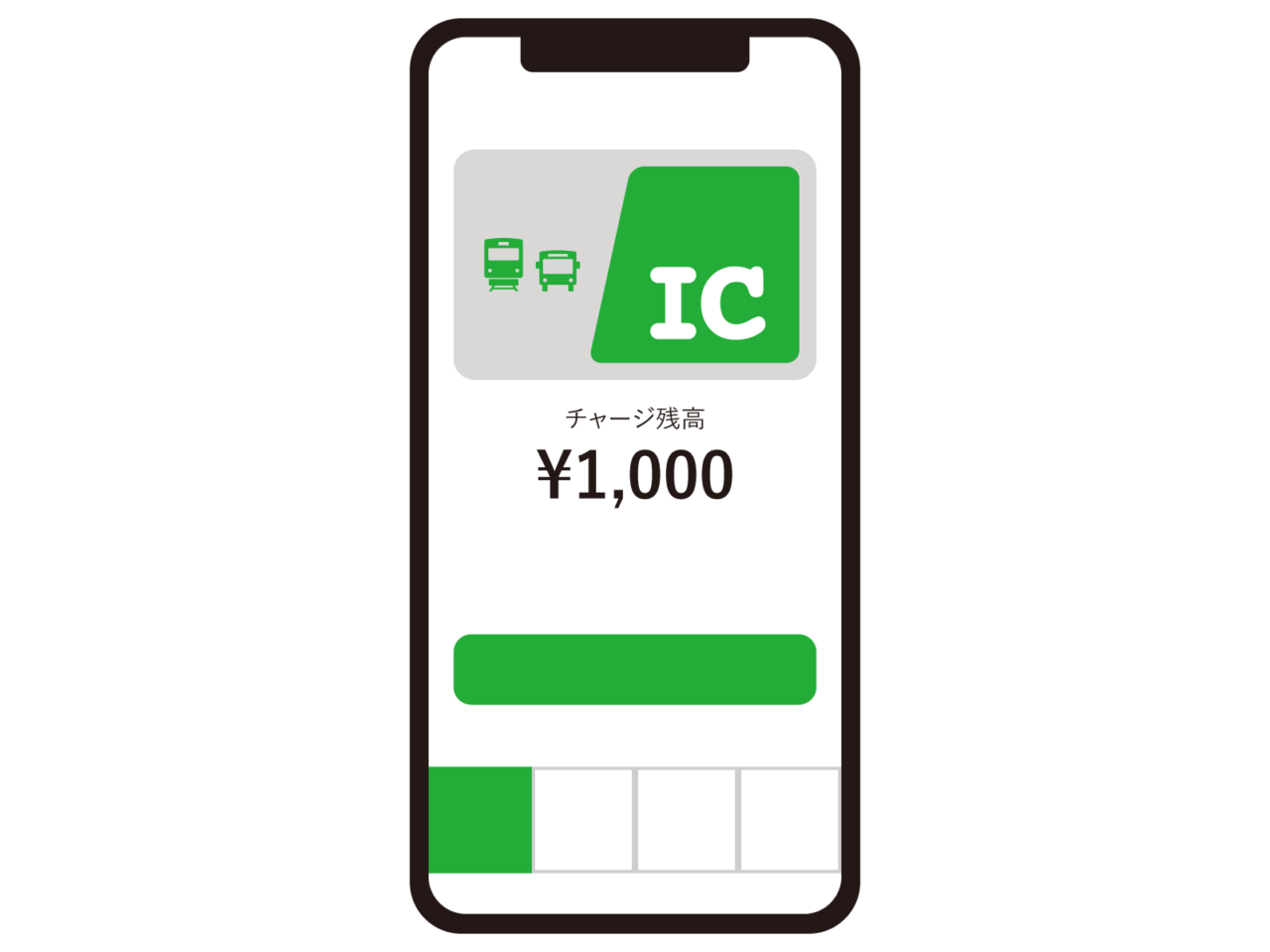
A compatible mobile IC card can be used without opening an app each time you enter a ticket gate.
Once Express Mode is enabled, simply hold the top of your iPhone or the display of your Apple Watch near the reader.
You do not normally need a mobile-data or Wi-Fi connection when tapping at the gate.
Regular IC Cards in Apple Wallet
On a compatible iPhone or Apple Watch, Apple Wallet supports Suica, PASMO, ICOCA, and TOICA.
For most international visitors, however, TOICA does not need to be part of the decision. This guide focuses on Suica, PASMO, and ICOCA because they are the more practical options for a typical first trip to Japan.
For many international visitors using an iPhone, a regular Suica is the most straightforward mobile option. You can create a new Suica directly in Apple Wallet before departure, provided your device is compatible and you have an eligible payment method for adding value.
This means you can arrive in Japan with your everyday transit card already on your phone rather than waiting to buy a physical visitor card at the airport.
Apple currently lists the following general requirements:
- An Apple Account with two-factor authentication
- A compatible iPhone or Apple Watch with a supported operating system
- An eligible payment card in Apple Wallet
You can create a new Suica directly in Apple Wallet without first owning a physical Suica card. You can also transfer an eligible physical card; once transferred, the plastic card can no longer be used.
Apple Wallet usually allows you to add money with an eligible payment card. Card acceptance can vary by issuer, payment network, and authentication requirements, so complete the setup and confirm that you can add value before relying on the card for your first journey.
If you plan to use Suica, setting it up before departure can be particularly convenient because it removes the need to find a physical card immediately after arrival.
Check Apple’s official guide to adding a Japanese transit card to Apple Wallet for current device and payment requirements.
Welcome Suica Mobile
Welcome Suica Mobile is a visitor-focused iOS app from JR East. It is separate from the physical Welcome Suica card.
| Feature | Physical Welcome Suica | Welcome Suica Mobile |
|---|---|---|
| Format | Physical card | Welcome Suica Mobile app on a compatible iPhone |
| Validity | 28 days | 180 days from issue |
| Deposit | None | None |
| Refund of unused balance | No | No |
| Where to obtain | Selected JR East locations | Through the Welcome Suica Mobile app |
| Best for | Travelers who prefer a card | Compatible iPhone users who want a visitor-focused app |
You can download the app before traveling. However, app download, card issuance, and top-up functions may be restricted by law in some countries until after arrival in Japan.
Once issued, Welcome Suica Mobile is valid for 180 days. Any remaining balance expires at the end of the validity period and cannot be refunded.
Users must be at least 13 years old, and the service requires an Apple Pay-compatible device. Supported iOS and watchOS versions may change.
Check the official Welcome Suica Mobile website before setting it up.
What Android Users Should Know
Mobile Suica, Mobile PASMO, and Mobile ICOCA are available on supported Android devices. However, compatibility must be checked for the specific phone model and service.
These services generally require a compatible おサイフケータイ / Osaifu-Keitai / mobile wallet device and the required apps. Many Android phones purchased outside Japan do not meet these requirements or do not appear on the official supported-device lists.
Before relying on a mobile IC card, confirm:
- Your exact device is supported
- The required app can be installed
- You can create and top up the card
- Your payment card is accepted
If compatibility is uncertain, buy a physical IC card after arriving in Japan. This is usually the safest recommendation for international visitors using Android.
Check the official Mobile Suica information for Android (Japanese), Mobile PASMO supported-device information (Japanese), and Mobile ICOCA supported-device information (Japanese).
How to Recharge an IC Card
The correct top-up method depends mainly on whether you use a physical or mobile card.
Recharging a Physical Card
Japanese yen in cash is the most widely accepted way to recharge a physical IC card.
You can usually add money at:
- Compatible station ticket machines
- Fare adjustment machines
- Participating convenience stores
- Some Seven Bank ATMs
Look for:
チャージ / Chāji / Top up
Physical Suica, Welcome Suica, PASMO, TOURIST PASMO, and ICOCA generally should not be treated as cards you can always top up with an overseas credit card. Carry Japanese cash as a backup.
Recharging a Mobile IC Card
Mobile cards can often be topped up through Apple Wallet or the relevant mobile IC card app using a supported payment card. Some supported Android services also offer top-up through Google Wallet.
Availability depends on:
- Your device
- The mobile IC card service
- Your payment-card issuer
- Authentication and security settings
- Temporary service or maintenance periods
Do not rely on reports that one card network always works better than another. Payment acceptance can change, and the issuing bank may also decline a transaction.
Set up a backup payment method before traveling and keep some cash available after arrival.
Where IC Cards May Not Work
IC cards are widely accepted, but they do not cover every journey in Japan.
You may need another payment method when:
- Using a rural railway or local bus network that does not accept major IC cards
- Traveling across separate IC card service areas in one continuous journey
- Riding the Shinkansen without first purchasing or linking the required reservation
- Using a limited express train or Green Car that requires an additional ticket
- Starting or ending at a station outside the card’s supported area
When traveling outside major cities, check the railway operator’s official information and carry some cash.
For a broader explanation of paper tickets, IC cards, limited express fares, and rural payment systems, read our guide to paying for train travel in Japan.
If you’re planning to travel across Japan by train, you may also want to learn how to buy Shinkansen tickets and whether the Japan Rail Pass is worth purchasing.
→ How to Buy Shinkansen Tickets in Japan
→ Japan Rail Pass: Is It Worth It? A Complete Guide

Travel With Confidence Using an IC Card
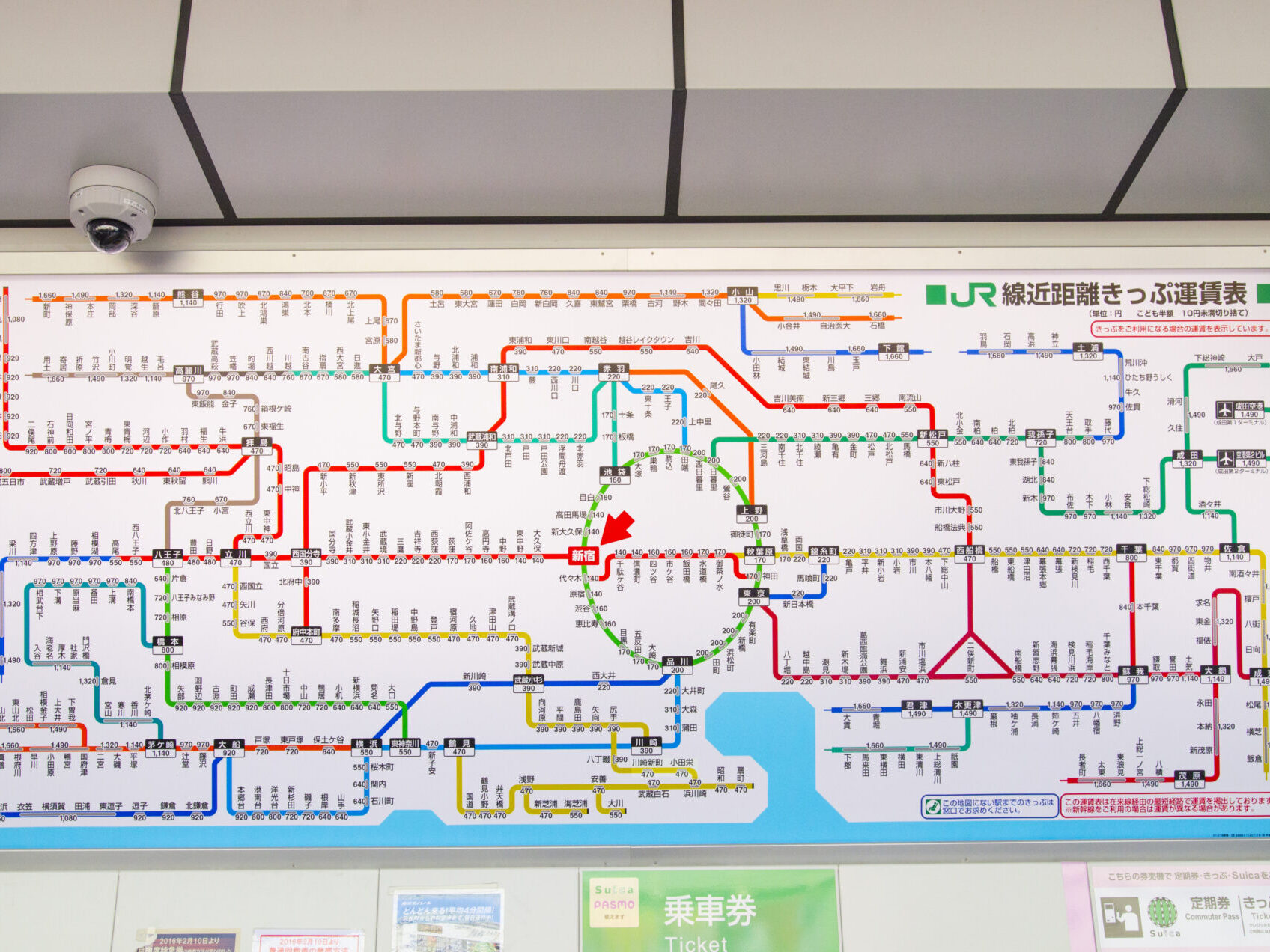
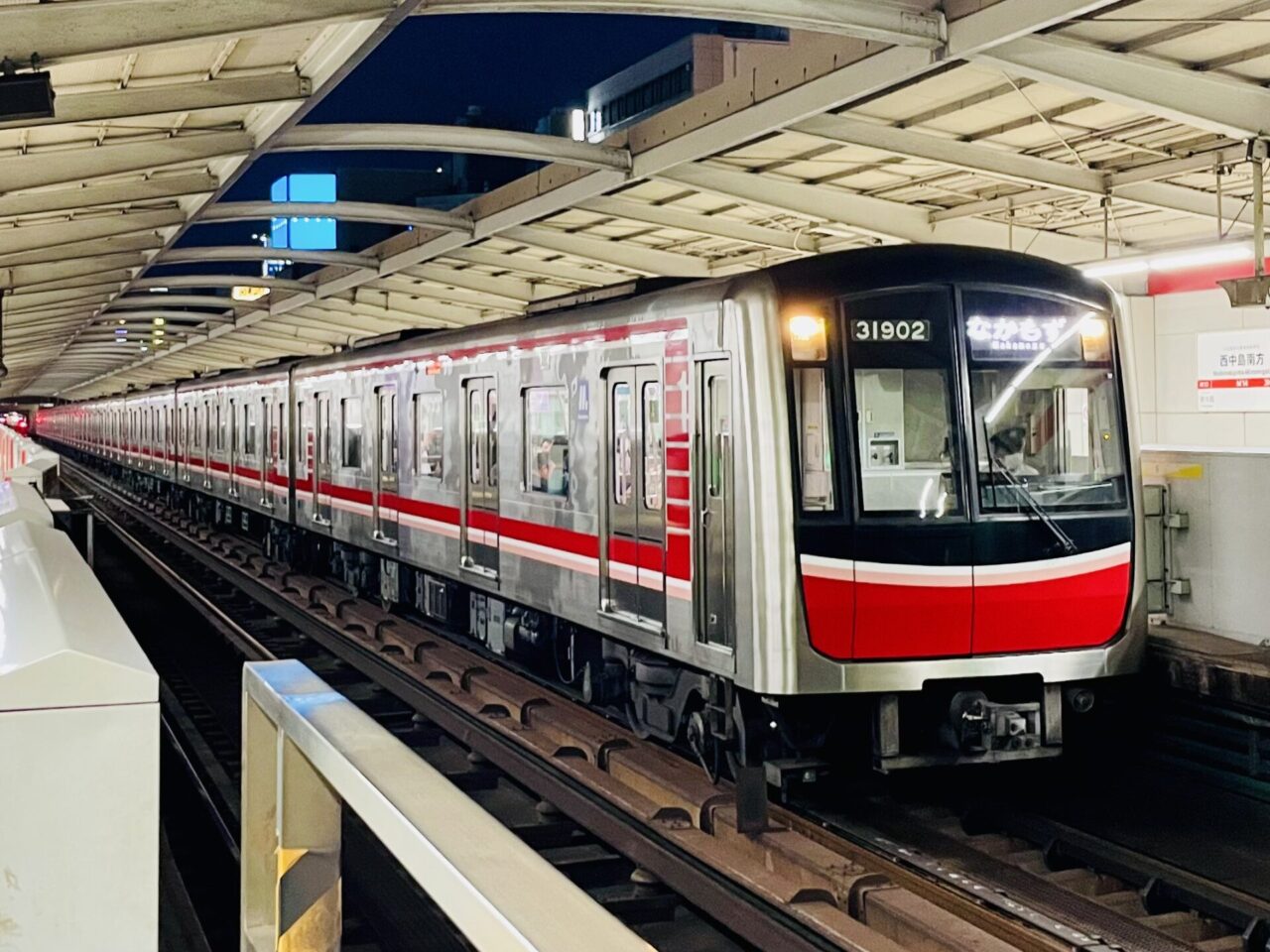
For most everyday journeys, you do not need to think much about which company issued your IC card. Tap in, tap out, keep enough balance on the card, and check separately when using Shinkansen, limited express, or rural transportation.
路線図
御堂筋線
Choosing the right card is mainly about convenience. If you use a compatible iPhone, setting up a regular Suica in Apple Wallet before departure can be a simple starting point. Otherwise, buy a physical card that is easy to obtain where your trip begins. Once set up, an IC card can make everyday transportation and small purchases much simpler.
Frequently Asked Questions
- Can international visitors buy Suica, PASMO, or ICOCA?
-
Yes. International visitors can purchase regular physical IC cards where they are sold, use compatible mobile cards, or choose a short-term visitor card such as Welcome Suica or TOURIST PASMO.
- Which IC card should I choose for my trip?
-
If you use a compatible iPhone, a regular Suica in Apple Wallet is a simple starting point and can be prepared before departure. Otherwise, buy a physical IC card that is easy to obtain where your trip begins. For short stays of 28 days or less, Welcome Suica or TOURIST PASMO can also be convenient physical options.
- What is the difference between a regular IC card and a tourist IC card?
-
A regular physical Suica, PASMO, or ICOCA normally includes a ¥500 deposit and is intended for continued use. Welcome Suica and TOURIST PASMO require no deposit, are valid for 28 days, and do not provide refunds for unused balance.
- Is a physical or mobile IC card better?
-
A mobile IC card is convenient when your phone is clearly compatible and you can successfully create and top up the card. A physical card is often simpler for families, children, Android users with uncertain compatibility, and travelers who do not want to depend on a phone.
- Can I add Suica to Apple Wallet before arriving in Japan?
-
Yes. On a compatible iPhone or Apple Watch, you can create a regular Suica in Apple Wallet before departure. You do not need a physical Suica card first. Make sure the card has been created and successfully topped up before relying on it for your first journey in Japan.
- Can Android users use Mobile Suica, Mobile PASMO, or Mobile ICOCA?
-
Yes, but only on supported devices. These services generally require the appropriate apps and a compatible Osaifu-Keitai device. Check the official compatibility information for your exact phone before relying on it. If support is uncertain, purchase a physical IC card after arrival.
- Can I use Suica in Osaka or ICOCA in Tokyo?
-
Yes, on most participating transportation networks. However, IC cards cannot always be used for one continuous journey across separate service areas.
- Can one IC card be used for multiple people?
-
No. Each traveler needs a separate physical or mobile IC card because the system records each person’s entry and exit. Children can use child IC cards that apply eligible child fares automatically, although age verification is normally required when purchasing one.
- Can I use an IC card on the Shinkansen?
-
Sometimes. A regular IC card does not work as a universal Shinkansen ticket. Depending on the line and service, you may need a separate Shinkansen ticket, a reservation linked to your IC card, or an eligible IC-based service.
For ticket machines, online reservations, seat choices, and luggage rules, read our Shinkansen ticket guide.
- What happens if my IC card balance is too low?
-
Use a compatible top-up or fare adjustment machine, or ask station staff for help before leaving the station. Mobile IC cards may also be topped up through the relevant Wallet or app when your payment method is accepted.
Related Guides
Explore practical guides to help you plan your trip and travel around Japan with confidence.
Planning Your Trip to Japan
- A Complete Guide for First-Time Visitors to Japan: Stay, Travel, and Experience Local Life
- How to Prepare for a Trip to Japan: What to Plan Before You Go
Transportation
- How to Use Trains and Subways in Japan
- How to Use IC Cards in Japan: Suica, PASMO, ICOCA & Mobile IC Cards
- How to Pay for Train Travel in Japan
- How to Use Local Buses in Japan: A First-Time Visitor Guide
- How to Use Taxis in Japan
- Kansai Airport to Osaka: Best Routes for 8 Areas
- Kansai Airport to Umeda: A Practical Route Example Using Train, Bus & Taxi
- How to Buy Shinkansen Tickets in Japan
- Japan Rail Pass: Is It Worth It? A Complete Guide
Money
- Cash or Credit Cards in Japan? A Complete Guide for First-Time Visitors
- Can I Use Credit Cards Everywhere in Japan? Where Cards Work—and Where You’ll Still Need Cash
- How to Exchange Money in Japan: The Best Ways to Get Japanese Yen
- Tax-Free Shopping in Japan: Rules, Purchases & Refunds
Cities & Destinations
- Osaka vs Kyoto: Which City Is Right for You?
- Where to Stay in Osaka: Best Areas for First-Time Visitors
- Are Osaka Hotels Expensive in 2026? What to Expect and When to Book
- Where to Stay in Yodoyabashi, Higobashi & Edobori: Central Osaka Area Guide
Culture & Etiquette
- Japanese Etiquette Every Visitor Should Know
- Onsen & Sento Etiquette in Japan: A First-Time Visitor Guide