What Is the Shinkansen?
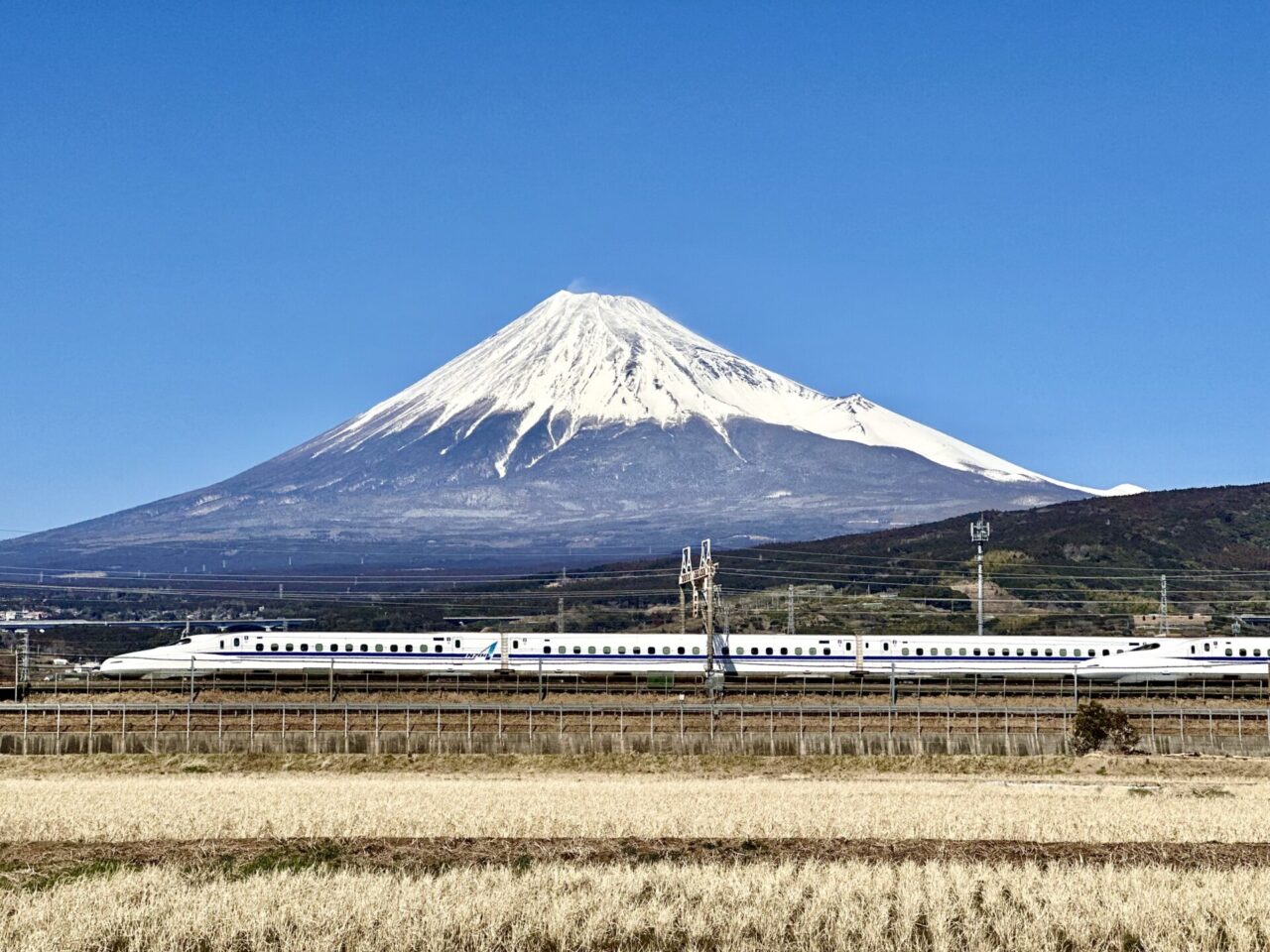
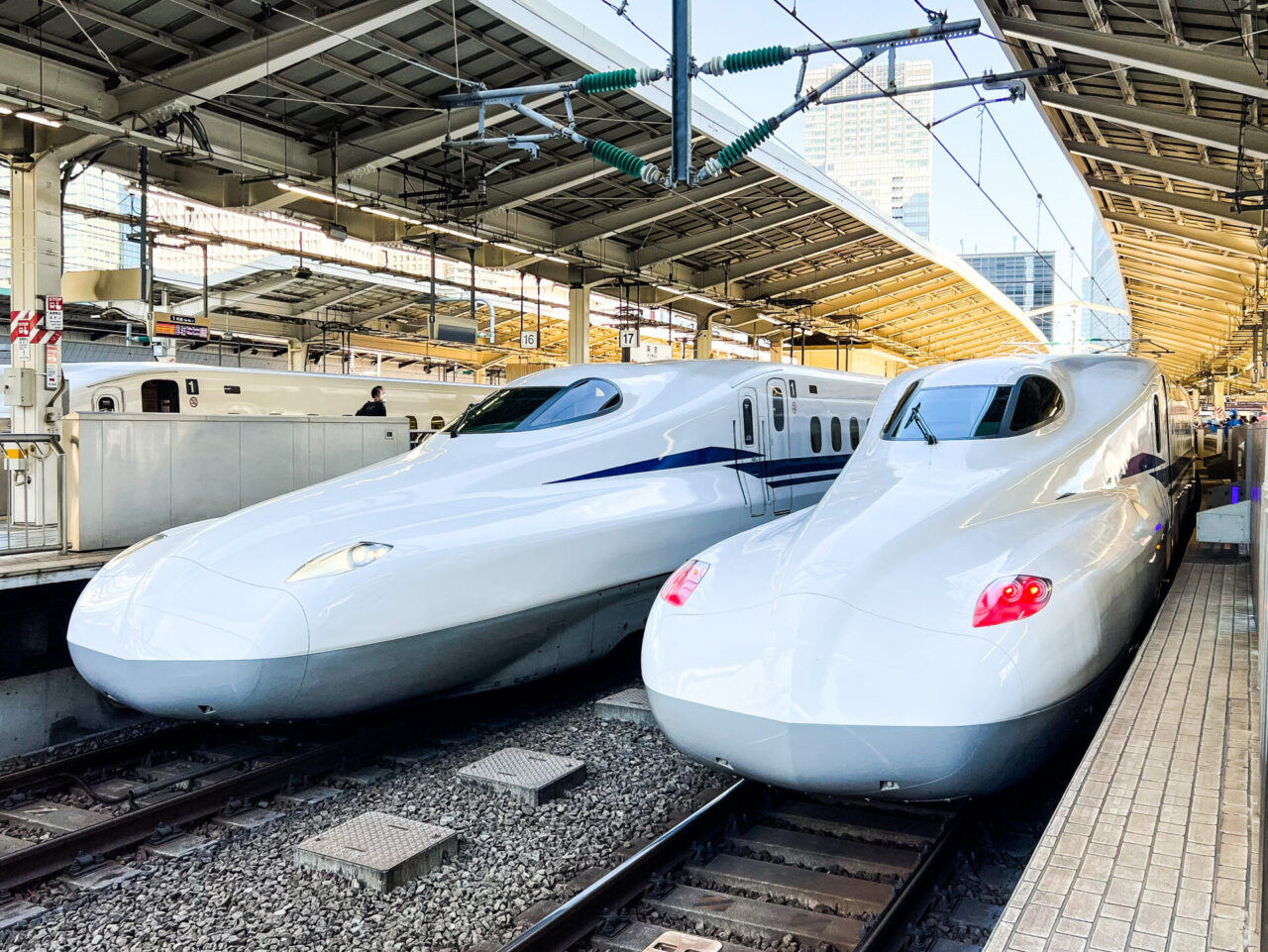
The Shinkansen (新幹線), often called the bullet train, is Japan’s high-speed rail network.
It connects many of the country’s most popular destinations, including:
- Tokyo
- Kyoto
- Shin-Osaka (for Osaka)
- Hiroshima
- Nagoya
- Fukuoka (Hakata Station)
The Shinkansen is often the most practical way to travel between major regions when time matters. Fast services connect Tokyo with cities such as Nagoya, Kyoto, Shin-Osaka, Hiroshima, and destinations farther west, while other Shinkansen lines connect Tokyo with northern and central Japan.
This guide focuses on buying and using Shinkansen tickets rather than explaining the entire rail network.
Do You Need a Separate Ticket?
Yes—but the answer depends on how you plan to travel.
Many first-time visitors wonder:
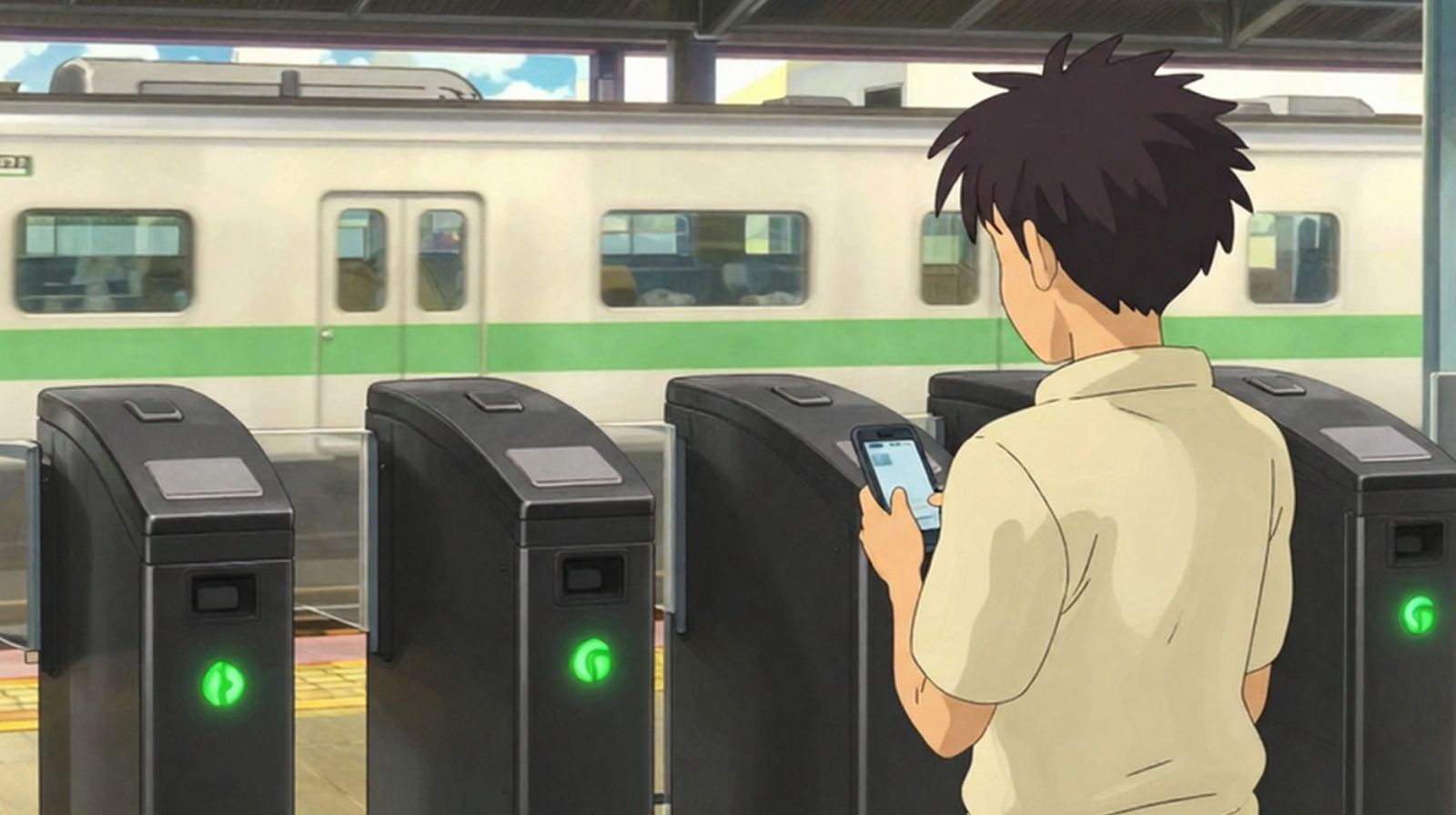
- Can I ride the Shinkansen with a Suica or PASMO card?
- Do I need to buy a separate ticket?
- Can I simply tap my IC card?
A regular IC card does not work as a universal Shinkansen ticket.
Unlike local trains and subways, the Shinkansen usually requires a separate ticket that includes:
- A base fare
- A Shinkansen express fare
- (Optional) a reserved seat
Modern ticket machines combine these automatically, so you usually don’t need to understand the details.
Can You Use an IC Card on the Shinkansen?
Sometimes. Depending on the line and service, you may need a paper or digital Shinkansen ticket, a reservation linked to your IC card, or another eligible IC-based service.
For example, SMART EX allows eligible reservations to be used with a registered IC card, and JR-EAST Train Reservation offers Shinkansen e-tickets that can be linked to transportation IC cards such as Suica or PASMO.
An IC card used at the gate is not necessarily paying the Shinkansen fare from its stored balance. In many ticketless systems, the journey is purchased through the reservation service and the IC card simply identifies the reservation at the gate.
You do not need to use IC-card linking. Depending on the service, a QR ticket, paper ticket, or other boarding method may be available and can be simpler for a one-off journey.
If you’re new to Japan’s IC cards, read:
→ How to Use IC Cards in Japan: Suica, PASMO, ICOCA & Mobile IC Cards
Where to Buy Shinkansen Tickets
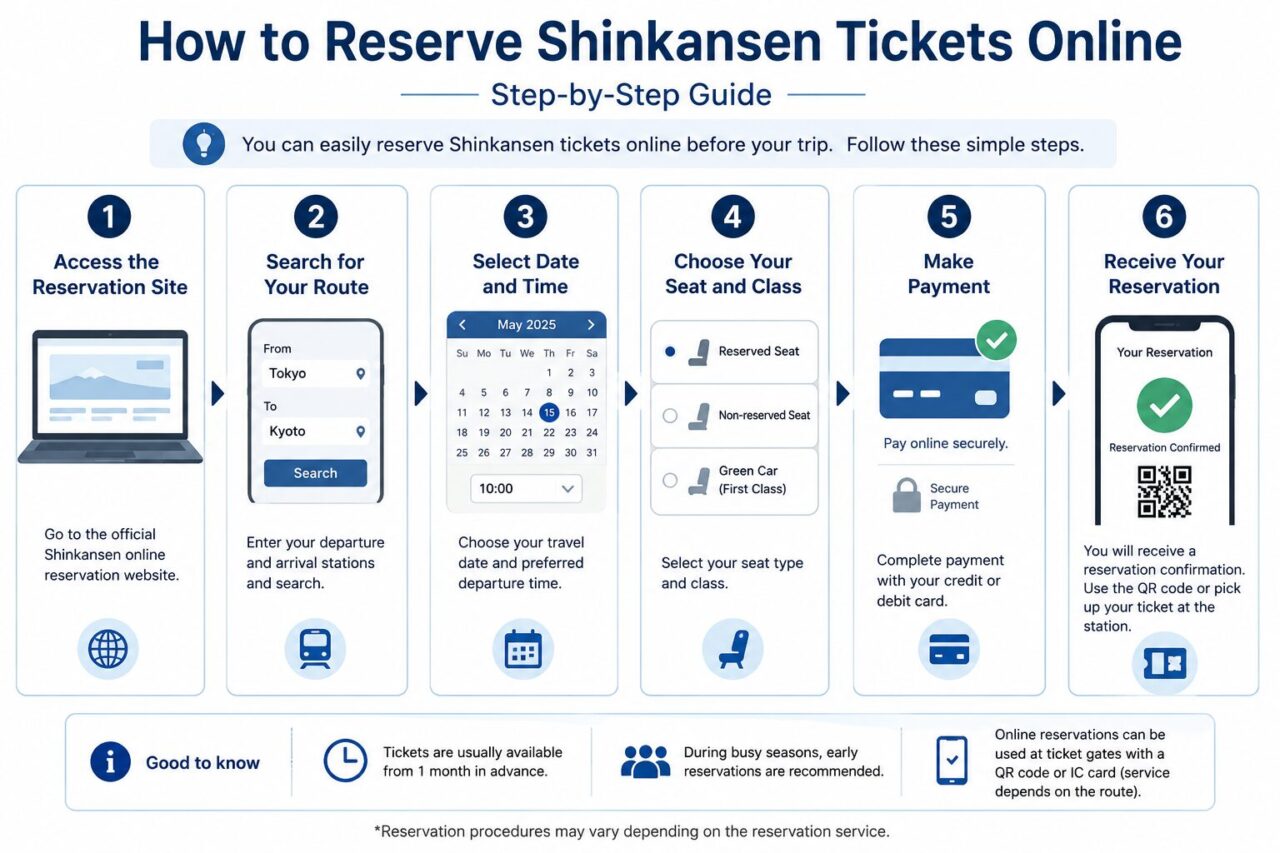
You can buy Shinkansen tickets at a station or through an official online reservation service. There is no single official website covering every Shinkansen route, so the best method depends on your route, how fixed your schedule is, and whether you want help choosing the ticket.
| Purchase Method | Best For | When You Can Buy | English Support |
|---|---|---|---|
| Ticket Machine | Straightforward journeys | Same day or generally up to one month ahead | English menus are available at many major stations |
| Ticket Counter | Complex journeys or travelers who need help | Same day or generally up to one month ahead | Varies by station; showing the details on your phone can help |
| Online Reservation | Fixed schedules, busy periods, or travelers who want to choose seats before arrival | Depends on the reservation service; some services accept bookings earlier than station sales | English-language official services are available |
Ticket Machines
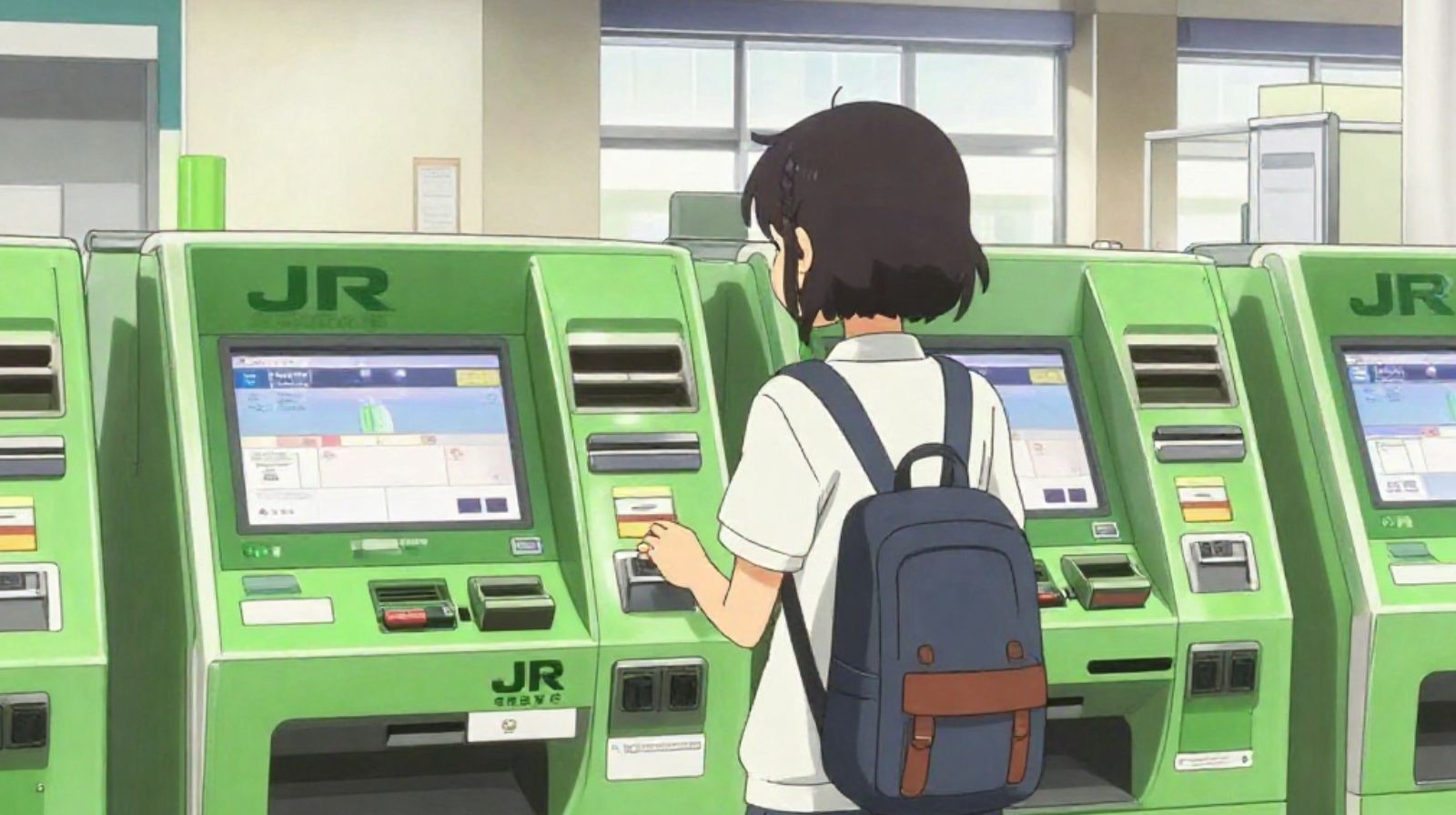
For many visitors, an English-language ticket machine at a major JR station is the easiest place to buy Shinkansen tickets.
Machine layouts vary by station and railway company, but the basic process is usually similar.
- Select English on the language screen.
- Choose the option for Shinkansen or reserved-seat tickets.
- Enter your departure station and destination.
- Select your travel date and preferred departure time.
- Choose an available train.
- Select your seat type.
- Enter the number of adults and children traveling.
- Review the route, date, train, seat, and fare.
- Pay and collect everything issued by the machine.
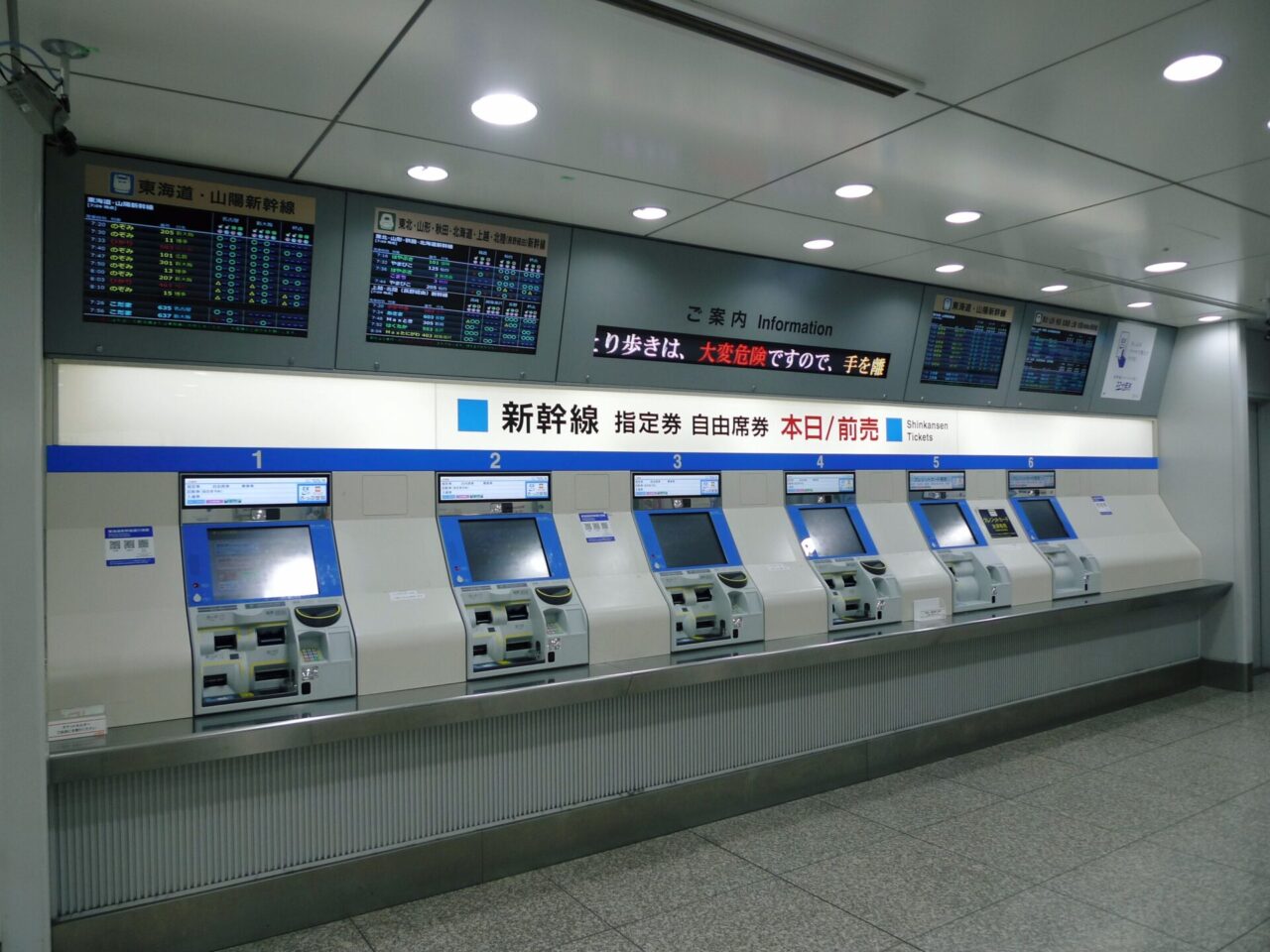
The main seat options may appear as:
- 指定席 / Shiteiseki / Reserved seat
- 自由席 / Jiyūseki / Non-reserved seat
- グリーン車 / Gurīn-sha / Green Car
Depending on the route and ticket type, the machine may issue one combined ticket or multiple paper tickets. Keep every ticket until you have completed your journey.
When using paper tickets at a Shinkansen gate, insert the tickets required for your journey and collect every ticket returned by the gate.
If the machine does not show your destination, train, or preferred seat, use a staffed JR ticket counter instead.
Ticket Counters
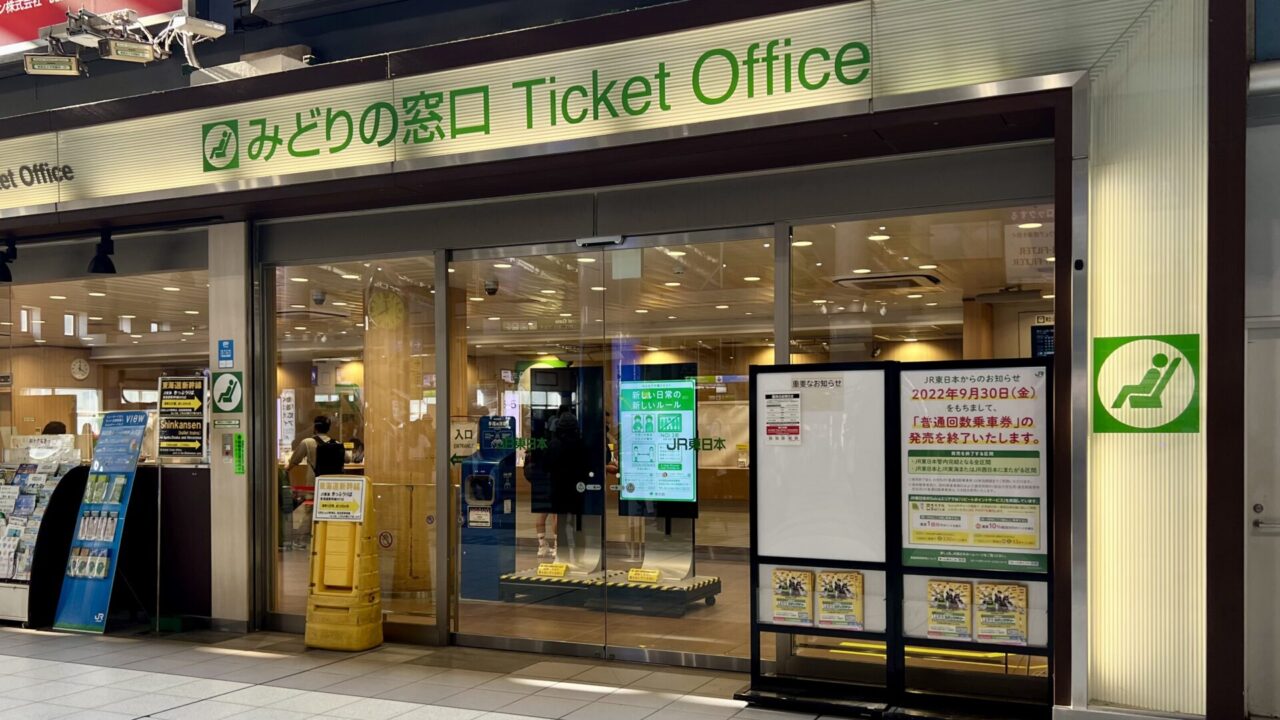
A staffed JR ticket counter is useful when you need help choosing a route, want seats together, or have a journey that involves transfers.
JR ticket counters may be marked as:
みどりの窓口 / Midori no Madoguchi / JR Ticket Office
Not every station has a staffed ticket counter, and opening hours vary. At major stations, counters can also become busy during mornings, evenings, and holiday periods.
When purchasing a ticket, be ready to provide:
- Departure station
- Destination
- Travel date
- Preferred departure time
- Number of adults and children
- Reserved or non-reserved seating
- Ordinary Car or Green Car
- Any seat preference
- Whether you have oversized baggage
You do not need to explain everything in Japanese. Showing the details on your phone or writing them down can make the process easier.
For example:
東京駅から京都駅まで、明日の午前10時ごろ、大人2名、指定席をお願いします。
Tokyo-eki kara Kyoto-eki made, ashita no gozen jū-ji goro, otona ni-mei, shiteiseki o onegaishimasu.
Two adults from Tokyo Station to Kyoto Station at around 10:00 tomorrow, with reserved seats, please.
Before leaving the counter, check the travel date, departure time, train name, car number, seat numbers, and destination shown on your ticket.
For a direct trip between major stations, a ticket machine is often faster. A staffed counter is more useful when your itinerary is complicated or you are unsure which ticket to buy.
Online Reservations
Online booking is available for many Shinkansen routes, but the official service depends on the line you are using.
SMART EX
SMART EX is the main official service for the Tokaido, Sanyo, and Kyushu Shinkansen.
Use SMART EX for routes such as:
- Tokyo to Nagoya
- Tokyo to Kyoto
- Tokyo to Shin-Osaka
- Shin-Osaka to Hiroshima
- Hakata to Kumamoto or Kagoshima-Chuo
You can reserve seats, purchase tickets, and manage bookings online. Membership registration and a compatible credit card are required.
SMART EX can be used before you arrive in Japan. Depending on the booking, you may board with a QR ticket, a registered IC card, or a paper ticket collected at an eligible station.
SMART EX does not cover every Shinkansen route in Kyushu. For the Nishi Kyushu Shinkansen toward Nagasaki, use the appropriate JR Kyushu booking service instead.
Visit the official SMART EX website.
JR-EAST Train Reservation
JR-EAST Train Reservation is used mainly for Shinkansen and other trains in eastern and northern Japan.
JR-EAST Train Reservation covers trips from Tokyo toward destinations such as:
- Sendai
- Aomori
- Niigata
- Nagano
- Kanazawa
- Shin-Hakodate-Hokuto (for Hakodate)
The service can also be used for certain JR East and JR Hokkaido rail passes and seat reservations.
Visit JR East’s official ticket purchasing guide, which provides access to JR-EAST Train Reservation.
JR-WEST Online Train Reservation
JR-WEST Online Train Reservation covers many trains in western Japan, including parts of the Sanyo, Kyushu, and Hokuriku Shinkansen networks.
JR-WEST Online Train Reservation covers many journeys involving destinations such as:
- Osaka
- Hiroshima
- Kanazawa
- Fukuoka
- Other areas served by JR West
Visit the official JR-WEST Online Train Reservation website.
JR-KYUSHU Train Reservation
JR-KYUSHU Train Reservation covers one-way and round-trip tickets for JR Kyushu services, including the Nishi Kyushu Shinkansen toward Nagasaki and other eligible trains in Kyushu.
Standard reservations generally open at 10:00 a.m. Japan time one month before departure. Online payment is by credit card, and ticket pickup procedures depend on the reservation.
Visit the official JR-KYUSHU Train Reservation website.
Before booking, check how you will board and, if necessary, where you can collect a paper ticket. QR tickets, IC-card boarding, and ticket pickup rules differ by service. Some pickup or refund procedures may also require the credit card used for the reservation.
For travelers following a flexible itinerary, buying tickets from an English-language machine or JR ticket counter after arriving in Japan is often the simplest option.
Reserved vs Non-Reserved Seats
When buying a Shinkansen ticket, you may be asked to choose between:
- 指定席 / Shiteiseki / Reserved seat
- 自由席 / Jiyūseki / Non-reserved seat
Not every Shinkansen train offers both options, so check the seat choices shown on the ticket machine or reservation website.
Reserved Seats
A reserved seat guarantees a specific seat on a specific train.
Your ticket or reservation will show details such as:
- Travel date
- Train name and departure time
- Car number
- Seat number
Reserved seats are particularly useful when traveling with family or friends, carrying luggage, or traveling during a busy period. They also make the journey less stressful because you do not need to search for an available seat after boarding.
Non-Reserved Seats
A non-reserved seat ticket allows you to use the train’s designated non-reserved cars and take any available seat.
This option is often slightly cheaper and gives you more flexibility. However, a seat is not guaranteed. If all seats are occupied, you may need to stand until one becomes available.
Some Shinkansen services do not have non-reserved cars. For example, certain trains operated by JR East, including the Hayabusa and Kagayaki, use reserved seating only.
The Nozomi service on the Tokaido and Sanyo Shinkansen also operates with all seats reserved during designated major peak travel periods. These periods are announced by the railway companies and may change each year.
When to Choose a Reserved Seat
Choose a reserved seat when:
- You have a fixed itinerary
- You are traveling with family or a group
- You want to sit together
- You are carrying luggage
- You are traveling during a holiday or busy season
A non-reserved seat can work well when you are traveling alone, want flexibility, and are using a train that offers non-reserved cars outside a busy period.
When you are unsure, choose a reserved seat or ask station staff which option is available for your train.
What Is the Green Car?
Green Car is the established premium seating class on many Shinkansen services.
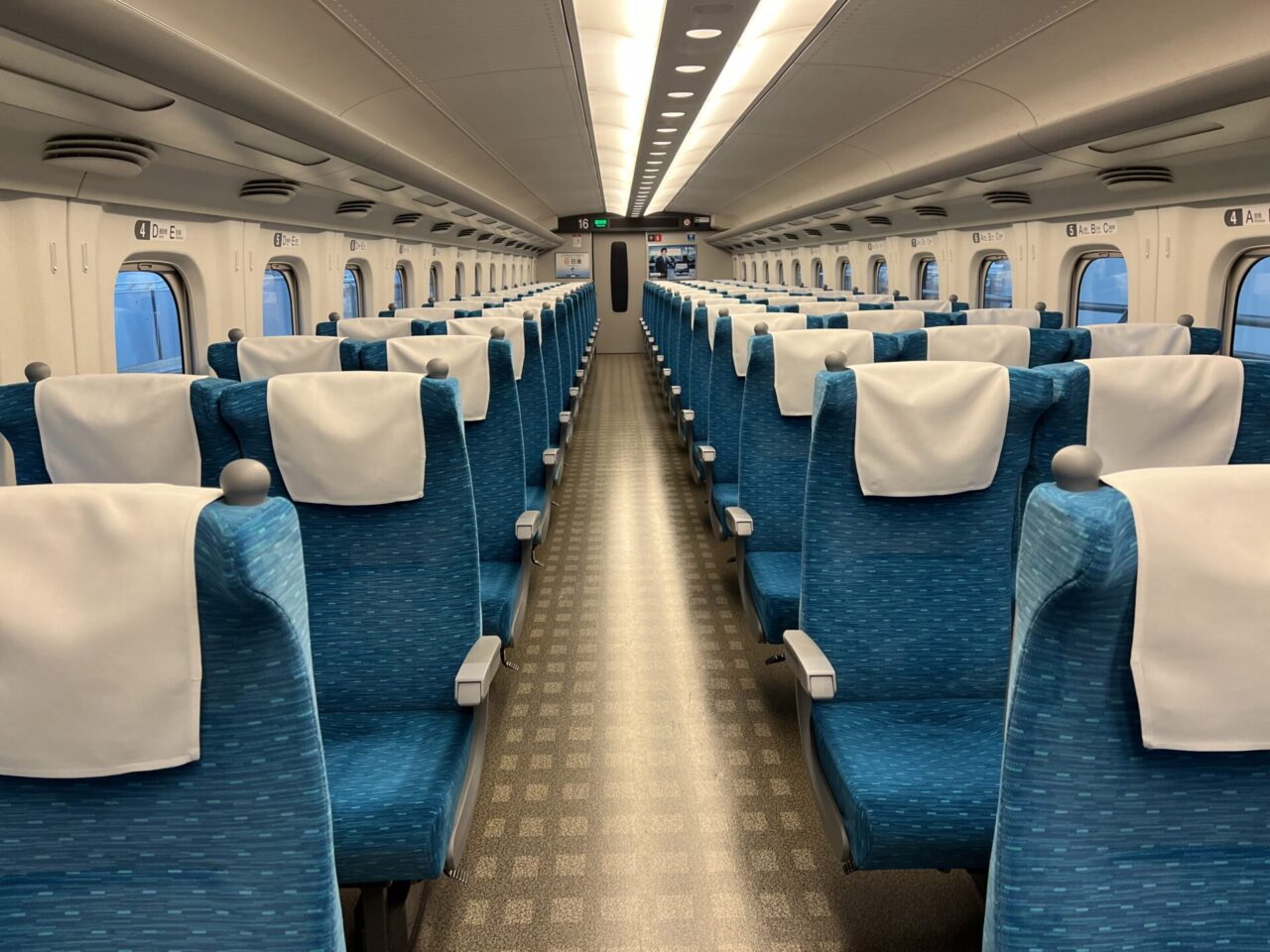
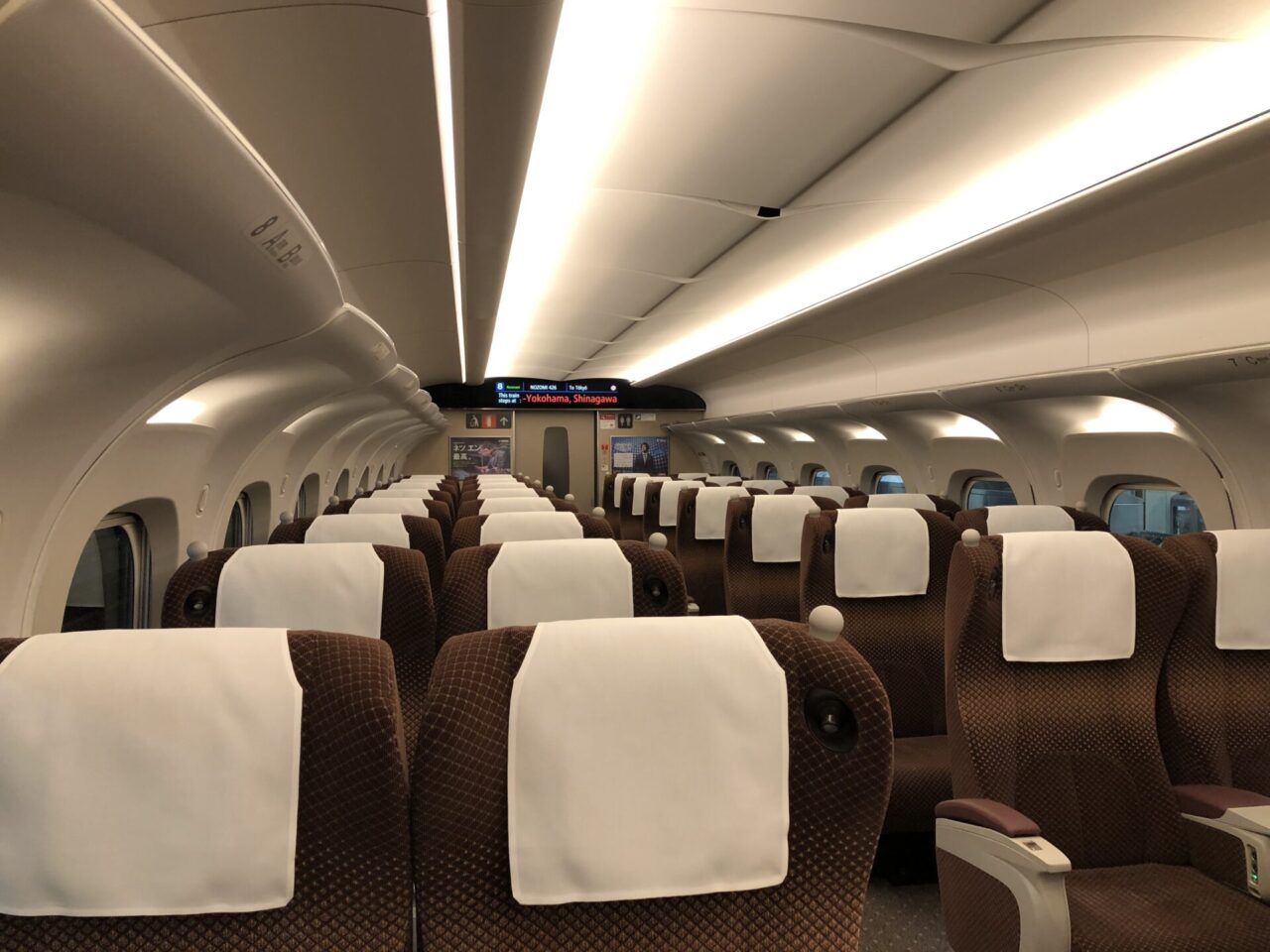
Benefits include:
- Larger seats
- More legroom
- Quieter environment
- Additional comfort
While not necessary for most travelers, Green Car can be a useful upgrade when you want more space or a quieter journey.
Supreme Class is scheduled to begin on the Tokaido and Sanyo Shinkansen on October 1, 2026. It is a higher-tier premium option above Green Car and may appear when booking eligible trains.
Should You Buy Shinkansen Tickets in Advance?
For most journeys, you do not need to book Shinkansen tickets weeks before traveling. Outside busy periods, many visitors buy tickets after arriving in Japan or even on the day of departure.
Advance booking is mainly useful when your travel date, train, or seat choice is important.
Can You Buy Shinkansen Tickets on the Same Day?
Yes. Same-day purchases are common in Japan.
You can buy a ticket from an English-language ticket machine or a staffed JR ticket counter, provided seats or non-reserved ticket options are still available.
Between major cities, buying a ticket shortly before departure is often possible. Allow extra time at large stations if you are unfamiliar with the layout or still need to find the Shinkansen gate.
When Should You Reserve in Advance?
Consider reserving early when:
- Traveling during Golden Week, Obon, or the New Year holiday period
- Traveling on a long holiday weekend
- Traveling with family or a group and wanting seats together
- Needing a specific departure time
- Wanting a particular seat, such as one with a Mount Fuji view
- Carrying oversized baggage that requires a designated seat
- Using a train that operates with reserved seats only
The busiest trains and the most convenient departure times can sell out before less popular services.
How Far in Advance Can You Book?
Standard reserved-seat tickets sold at JR stations generally become available at 10:00 a.m. Japan time one month before the travel date.
Some online services accept reservations earlier. SMART EX makes some products available from 5:30 a.m. one year before the boarding date. For reservations made more than one month ahead, the train number, timetable details, and seat number may not be finalized until one month before travel.
Reservation periods and procedures differ between JR companies and ticket types, so check the rules of the service you plan to use.
When You Can Wait Until You Arrive
If your itinerary is flexible and you are traveling outside a major holiday period, there is usually no need to book weeks ahead. Buying the ticket after you arrive in Japan can work well.
If your schedule is fixed, you are traveling as a family or group, or you want greater peace of mind, reserving a seat in advance is the safer choice.
Buying Shinkansen Tickets Without Speaking Japanese
International visitors can buy regular Shinkansen tickets from ticket machines, staffed JR ticket counters, and official online reservation services. For a direct trip between major stations, an English-language ticket machine is often enough.
If you use a staffed counter, showing your destination, preferred departure time, number of passengers, and seat preference on your phone can make the process easier.
You can also say:
新幹線の切符を買いたいです。
Shinkansen no kippu o kaitai desu.
I would like to buy a Shinkansen ticket.
What If Your Credit Card Does Not Work?
Major ticket machines and official online reservation services may accept credit cards, but an overseas-issued card can still be declined because of issuer security settings, authentication, or service requirements.
- Try another credit card
- Check whether your bank has blocked the transaction
- Purchase the ticket with cash at the station when available
- Ask for help at a staffed JR ticket counter
Carry a backup payment method rather than relying on a single overseas-issued card.
Choosing Seats for Mount Fuji Views
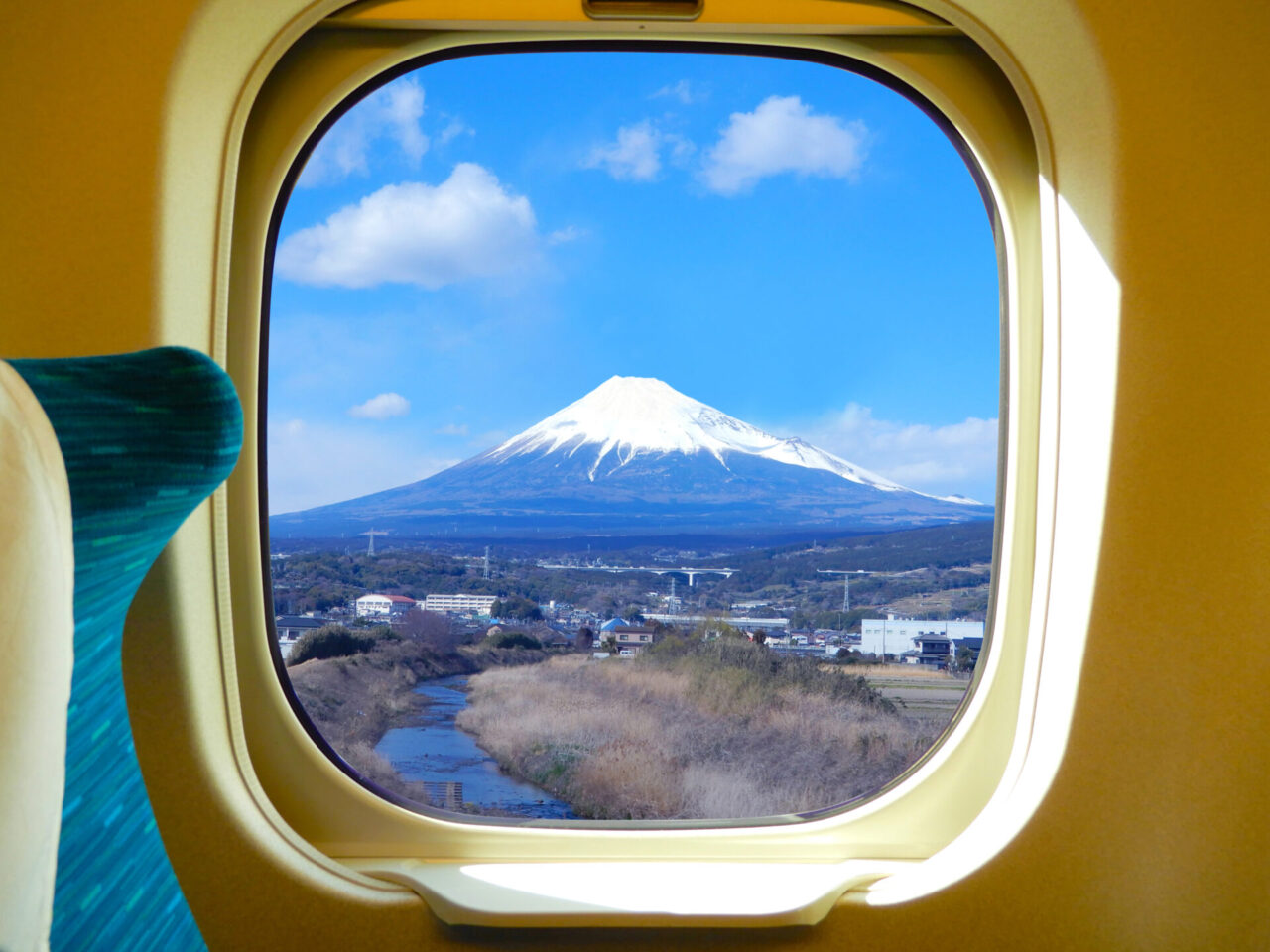
On the Tokaido Shinkansen between Tokyo and Kyoto or Shin-Osaka, you may be able to see:
富士山 / Fujisan / Mount Fuji
The clearest way to choose the correct side is by seat letter rather than by saying left or right.
Which Seat Has the Best Mount Fuji View?
In an Ordinary Car, choose:
- E seat: Window seat on the Mount Fuji side
- D seat: Aisle seat next to the E seat
In a Green Car, the window seat on the Mount Fuji side is usually:
- D seat
These seat letters generally apply in both directions between Tokyo and Kyoto or Shin-Osaka.
The most prominent views are usually around the section between Mishima and Shin-Fuji stations. However, Mount Fuji may also be visible from other parts of the journey.
How to Request a Mount Fuji-Side Seat
When using an online reservation service, select an E seat in an Ordinary Car or a D seat in a Green Car from the seat map when available.
At a ticket counter, you can ask:
富士山側の席をお願いします。
Fujisan-gawa no seki o onegaishimasu.
I would like a seat on the Mount Fuji side, please.
Mount Fuji-side window seats are popular, so reserve early when the view is important to you.
Is the View Guaranteed?
No. Mount Fuji may be hidden by clouds, rain, haze, or other weather conditions, even when you have the correct seat.
Buildings, sound barriers, and passing trains may also briefly interrupt the view. Keep your camera ready as the train approaches the Mishima and Shin-Fuji area, but remember that seeing the mountain is never guaranteed.
Even without a clear Mount Fuji view, the changing scenery from the Shinkansen remains part of the journey between Tokyo and western Japan.
Arrive Early at Large Stations
Major stations such as Tokyo Station, Shinagawa Station, Shin-Osaka Station, and Kyoto Station can be surprisingly large.
First-time visitors should allow extra time for:
- Finding the correct platform
- Locating ticket machines
- Picking up reserved tickets
- Purchasing food and drinks
For your first Shinkansen journey at a large station, allowing around 20–30 minutes before departure is a practical buffer for finding the gate and platform. You may want more time if you still need to buy or collect tickets.
What About Luggage?
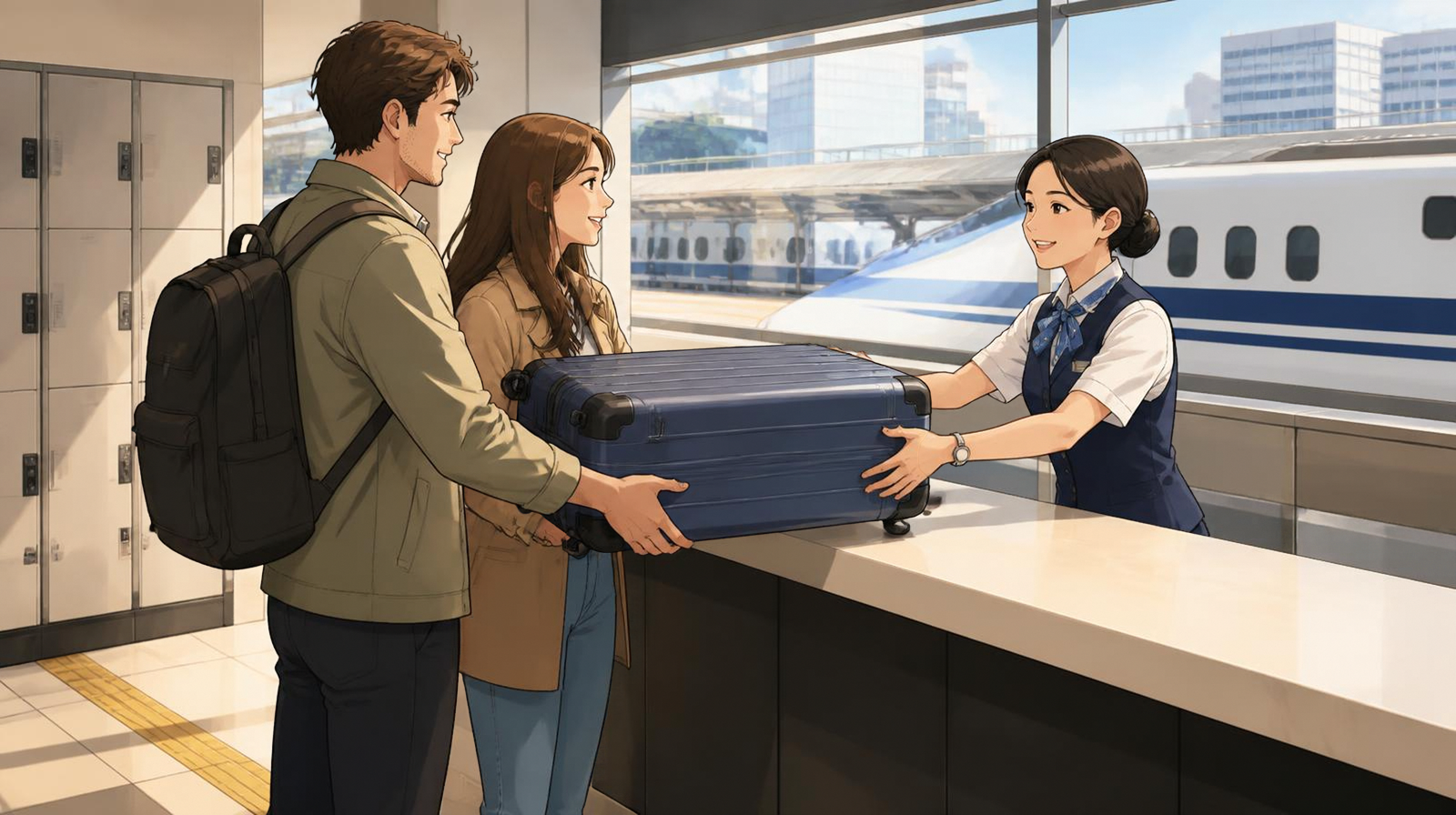
Most suitcases can be brought onto the Shinkansen without a special reservation. However, travelers carrying very large baggage should measure it before traveling.
Add together the luggage’s length, width, and height, including wheels and handles.
Luggage Measuring 160 cm or Less
Luggage with combined dimensions of 160 cm or less does not require an oversized baggage reservation.
Depending on its size and weight, you may be able to place it:
- On the overhead baggage rack
- In front of your seat
- In a designated luggage area on the train
Keep your luggage close to you and avoid blocking aisles, doors, or other passengers’ seats.
Luggage Measuring 161–250 cm
On the Tokaido, Sanyo, Kyushu, and Nishi Kyushu Shinkansen, luggage with combined dimensions of 161–250 cm is treated as:
特大荷物 / Tokudai nimotsu / Oversized baggage
You should reserve:
特大荷物スペースつき座席 / Tokudai nimotsu supēsu-tsuki zaseki / Seat with an oversized baggage area
This is a reserved seat that gives you access to designated baggage space, usually behind the last row of seats in certain cars.
There is no additional charge for selecting this type of seat beyond the normal reserved-seat fare. However, passengers who bring oversized baggage without the required reservation may be charged a ¥1,000 baggage fee and directed to another storage location.
Luggage Measuring More Than 250 cm
Luggage with combined dimensions exceeding 250 cm generally cannot be brought onto the Shinkansen. Consider using a luggage delivery service instead.
How to Reserve Space for Oversized Baggage
You can select a seat with an oversized baggage area:
- At a staffed JR ticket counter
- At a compatible reserved-seat ticket machine
- Through an applicable online reservation service
At a ticket counter, you can say:
特大荷物スペースつき座席をお願いします。
Tokudai nimotsu supēsu-tsuki zaseki o onegaishimasu.
I would like a seat with an oversized baggage area, please.
These seats are limited, so reserve early when traveling during a busy period.
Some reserved cars on the Tokaido and Sanyo Shinkansen also have deck baggage storage areas that can be used without a reservation. However, this does not replace the reservation requirement for oversized baggage: travelers carrying baggage over 160 cm should reserve a seat with an oversized baggage area.
Check JR Central’s official luggage information before traveling, especially if you have an unusually large or heavy suitcase.
If carrying the suitcase is not the best option, our guide to luggage forwarding and storage in Japan explains hotel and airport delivery, coin lockers and arrangements for unstaffed stays.
When the Shinkansen Is a Good Choice
The Shinkansen is often a strong choice when you need to travel efficiently between major cities and regions.
The Shinkansen offers:
- Fast travel
- Excellent reliability
- Comfortable seating
- Frequent departures
- Easy access between major cities
It is often the most efficient way to travel between Japan’s major destinations.
It can also make the journey itself part of the travel experience, especially when scenery and city-to-city travel are part of your itinerary.
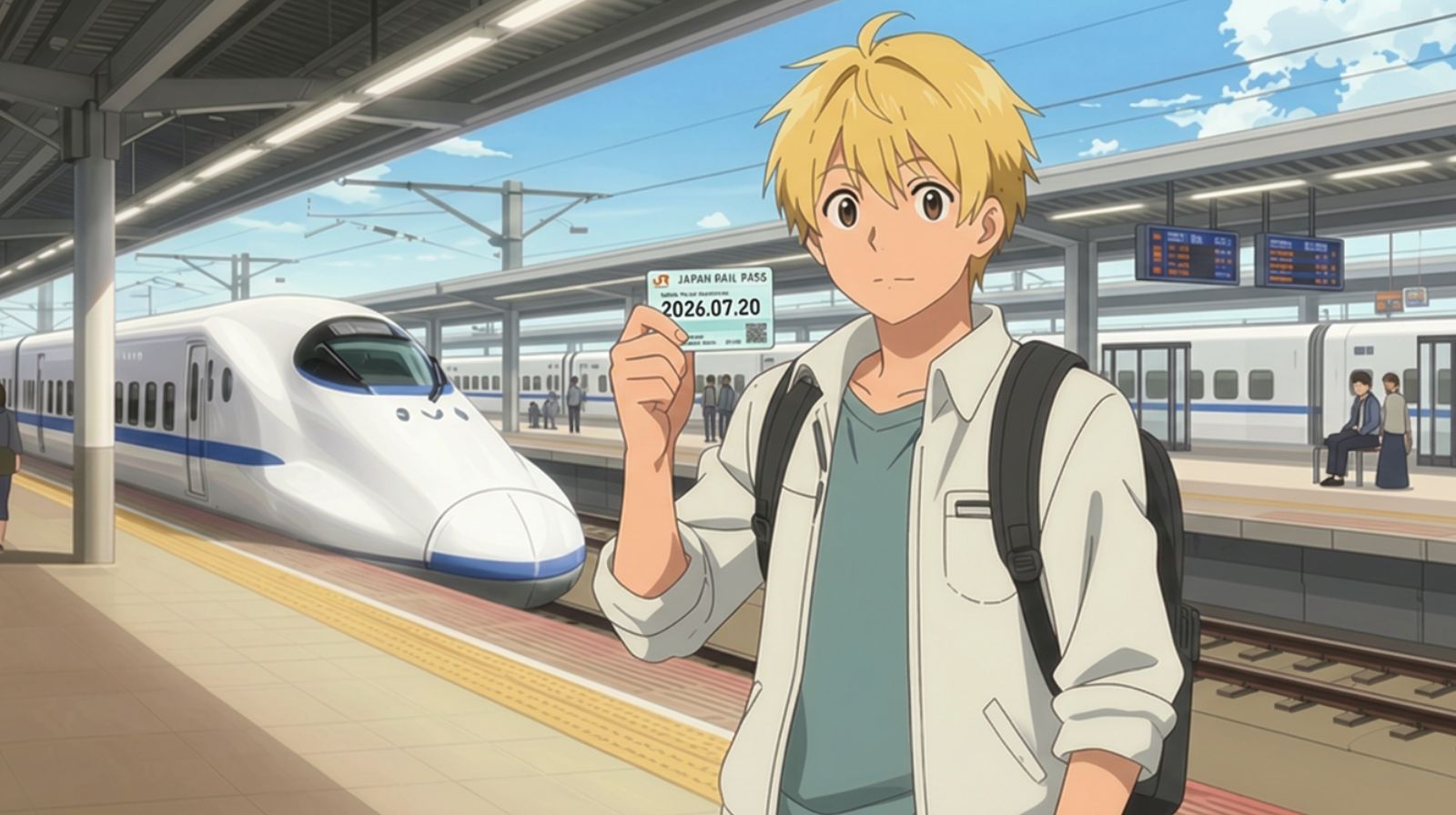
If you’re planning to visit several cities, you may also want to compare individual tickets with the Japan Rail Pass.
→ Japan Rail Pass: Is It Worth It? A Complete Guide
Before You Buy: What to Check
For a direct trip between major stations, an English-language ticket machine or official online service is usually enough. Use a staffed JR ticket counter when you need help with transfers, several seats together, an unusual route, or oversized baggage.
Before completing the purchase, confirm the travel date, departure and destination stations, departure time, train, car, and seat. Keep any paper tickets issued until the journey is complete, and allow extra time at an unfamiliar station if you still need to collect tickets or find the Shinkansen platform.
Frequently Asked Questions
- Can I buy Shinkansen tickets on the same day?
-
Yes. Same-day purchases are common outside major holiday periods, provided the train or seating option you want is still available. You can buy tickets from a compatible ticket machine or staffed JR ticket counter.
- Can I use Suica or PASMO to ride the Shinkansen?
-
Sometimes. A regular IC card does not work as a universal Shinkansen ticket. Depending on the line and service, you may need a separate Shinkansen ticket, a reservation linked to your IC card, or an eligible IC-based service.
For a broader explanation of physical and mobile IC cards, read our guide to IC cards in Japan.
- Which official website should I use to book Shinkansen tickets?
-
It depends on your route. SMART EX covers the Tokaido, Sanyo, and Kyushu Shinkansen, JR-EAST Train Reservation serves eastern and northern Japan, JR-WEST Online Train Reservation covers many western routes, and JR-KYUSHU Train Reservation is relevant for services such as the Nishi Kyushu Shinkansen. Check the route before choosing a reservation service.
- How far in advance can I buy Shinkansen tickets?
-
Standard reserved-seat tickets sold at JR stations generally go on sale at 10:00 a.m. Japan time one month before departure. Some online services sell or accept reservations earlier. SMART EX makes some products available up to one year in advance.
- Should I choose a reserved or non-reserved seat?
-
A reserved seat is usually the simplest choice for families, groups, travelers with luggage, and anyone traveling during a busy period. A non-reserved seat can offer more flexibility, but a seat is not guaranteed and some trains have reserved seating only.
- Do I need to reserve space for a large suitcase?
-
On the Tokaido, Sanyo, Kyushu, and Nishi Kyushu Shinkansen, baggage with combined dimensions of 161–250 cm requires a reservation for an eligible seat with an oversized baggage area. Measure the length, width, and height, including wheels and handles.
- Can I change my Shinkansen ticket after booking?
-
Often, yes, before the scheduled departure of the reserved train, but the number of permitted changes, fare differences, and procedures depend on the ticket and reservation service. Check the conditions for the ticket you purchased before making a change.
- Can I cancel a Shinkansen ticket?
-
Refunds are often available before departure, but handling fees and other conditions may apply. The procedure depends on whether you purchased the ticket at a station or through an online reservation service.
Related Guides
Explore practical guides to help you plan your trip and travel around Japan with confidence.
Planning Your Trip to Japan
- A Complete Guide for First-Time Visitors to Japan: Stay, Travel, and Experience Local Life
- How to Prepare for a Trip to Japan: What to Plan Before You Go
Transportation
- How to Use Trains and Subways in Japan
- How to Use IC Cards in Japan: Suica, PASMO, ICOCA & Mobile IC Cards
- How to Pay for Train Travel in Japan
- How to Use Local Buses in Japan: A First-Time Visitor Guide
- How to Use Taxis in Japan
- Kansai Airport to Osaka: Best Routes for 8 Areas
- Kansai Airport to Umeda: A Practical Route Example Using Train, Bus & Taxi
- How to Buy Shinkansen Tickets in Japan
- Japan Rail Pass: Is It Worth It? A Complete Guide
Money
- Cash or Credit Cards in Japan? A Complete Guide for First-Time Visitors
- Can I Use Credit Cards Everywhere in Japan? Where Cards Work—and Where You’ll Still Need Cash
- How to Exchange Money in Japan: The Best Ways to Get Japanese Yen
- Tax-Free Shopping in Japan: Rules, Purchases & Refunds
Cities & Destinations
- Osaka vs Kyoto: Which City Is Right for You?
- Where to Stay in Osaka: Best Areas for First-Time Visitors
- Are Osaka Hotels Expensive in 2026? What to Expect and When to Book
- Where to Stay in Yodoyabashi, Higobashi & Edobori: Central Osaka Area Guide
Culture & Etiquette
- Japanese Etiquette Every Visitor Should Know
- Onsen & Sento Etiquette in Japan: A First-Time Visitor Guide